Thursday, October 08, 2026
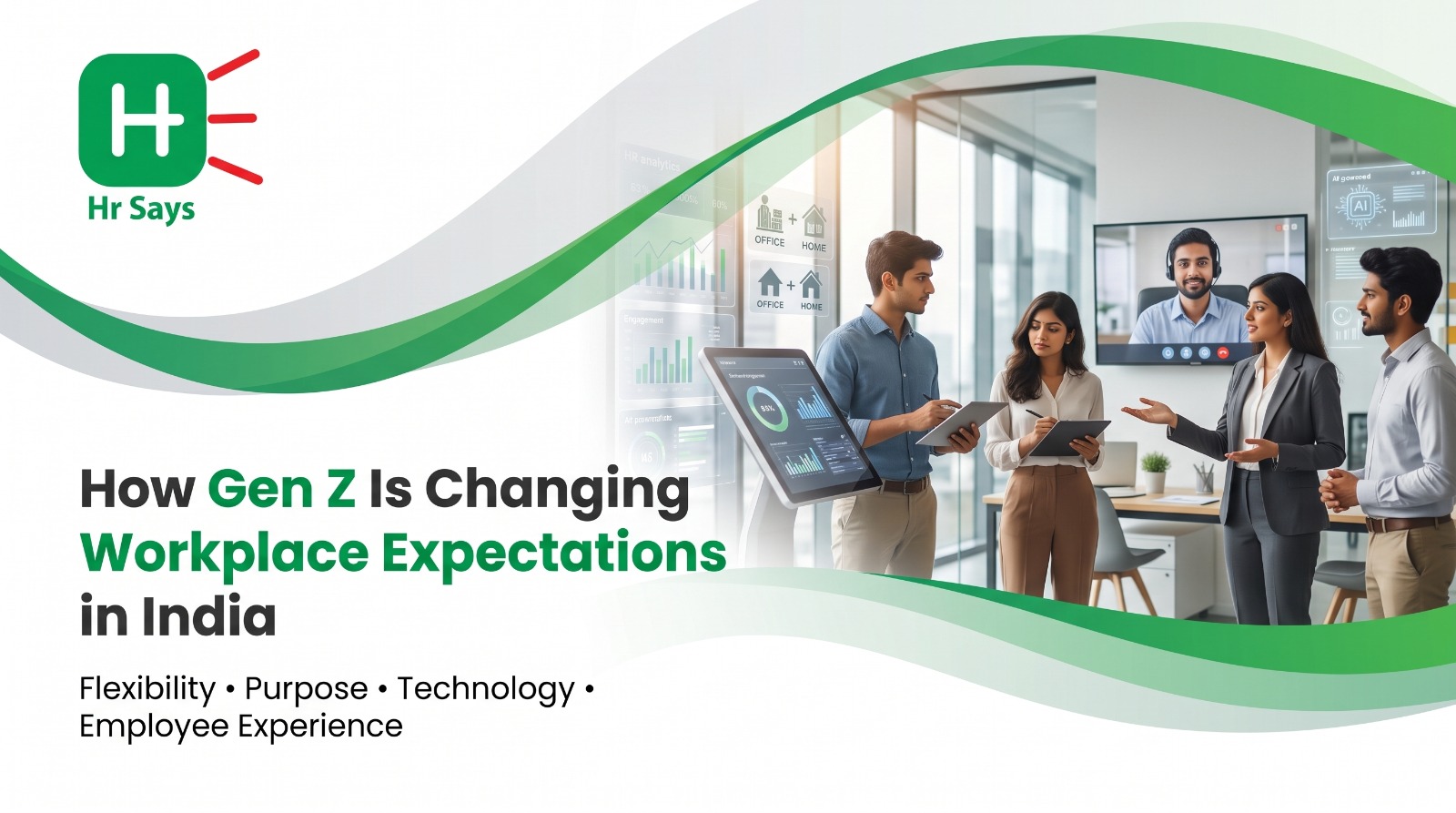
 Gen Z is reshaping Indian workplaces through purpose-driven careers, flexible work, and continuous learning. HR leaders must rethink retention, communication, and wellbeing to engage this evolving workforce effectively.





Introduction
Generation Z has moved past the stage of being a curiosity for HR teams to study from a distance. This generation, generally defined as those born between 1997 and 2012, is now a visible and growing part of corporate India. By some industry estimates, Gen Z will make up more than a quarter of the Indian workforce within the next couple of years, and the oldest members of this generation are already stepping into team lead and early management roles. That shift changes the conversation. Gen Z is no longer just an entry-level trend that HR teams can manage with a few onboarding tweaks. Their preferences are beginning to shape how organisations design jobs, run performance reviews, and communicate with employees at every level.
For HR leaders, founders, and business owners across India, understanding what Gen Z actually wants from work has become a practical necessity rather than an optional exercise in generational curiosity. This article looks closely at the real shifts happening in Indian workplaces because of Gen Z, backed by recent Indian survey data, and offers a grounded view of what organisations can do about it. There is a fair amount of noise online about Gen Z being difficult, entitled, or work-averse. The data tells a more precise and considerably more useful story.
Who Is Generation Z in the Indian Workplace
Generation Z in India is not a small or marginal group. This generation has grown up with smartphones, high-speed internet, and constant access to information in a way no previous Indian workforce cohort has. They came of age during a period marked by economic uncertainty, a global pandemic that disrupted their education or early career years, and a level of digital connectivity that shaped how they communicate and form expectations. These are not incidental details. They directly explain many of the behaviours that employers now find unfamiliar.
Unlike Millennials, many of whom entered the job market during the aftermath of the 2008 financial crisis and often felt fortunate simply to have a stable role, Gen Z professionals have grown up in a period of more choice, more information, and more visible alternatives. This has made them more vocal about what they expect from an employer, and considerably less patient with organisations that talk about culture without living it. In Tier 1 cities such as Bengaluru, Mumbai, and Delhi NCR, this generation is already a significant share of the workforce in technology, consulting, and startup environments. In Tier 2 cities, the pace of this shift is a little slower but following the same direction, particularly as remote and hybrid roles open up opportunities that were previously concentrated in metros.
What Gen Z Actually Wants From Work
The single biggest misreading of Gen Z in the Indian workplace is the assumption that they do not want to work hard. The data does not support that. What it shows instead is a very different definition of what a good job looks like.
A large-scale Naukri survey of over 23,000 Gen Z professionals across Indian industries found that half of them consider work-life balance the most critical factor in a job offer, ahead of almost everything except salary itself. The same study found that 57 percent define career growth as the chance to learn new skills on the job, not as a promotion or a pay hike. Only 12 percent equated growth with a title change, and 21 percent with a salary increase. This is a meaningful departure from how earlier generations of Indian professionals typically measured progress.
Purpose plays a similarly outsized role. Recent research shows that a majority of Indian Gen Z respondents rank a sense of purpose above compensation, job security, or career advancement when choosing where to work. Close to half say they have made career decisions based on personal ethics, including a company's environmental record or its social impact. This does not mean Gen Z professionals are indifferent to money. It means they are unwilling to treat money as the only definition of a worthwhile job, and many say they would accept a somewhat lower salary in exchange for work that feels genuinely meaningful to them.
Flexibility has also moved from a perk to a baseline expectation. Gen Z tends to resist rigid attendance mandates and instead prefers outcome-based evaluation, where the quality and timeliness of work matters more than hours logged at a desk. Interestingly, this does not always translate into a preference for remote-only work. Many Gen Z employees still value time in the office for mentorship, learning, and a sense of belonging. What they resist is inflexibility for its own sake.
The Shift From Loyalty to Learning
Older generations in the Indian workforce were often taught that loyalty to one employer, sometimes for decades, was the surest path to security and respect. Gen Z has watched that promise fail to materialise for many of their parents and older colleagues, particularly through waves of layoffs, stagnant wages, and burnout that were not always rewarded with the stability that was promised in return. This has changed how they think about tenure.
A recent Unstop report based on inputs from over 37,000 students and 500 Indian HR leaders found that more than 90 percent of Gen Z respondents said they would accept a lower salary in exchange for richer learning opportunities and faster career growth. Nearly all respondents in the same survey said they would consider off-campus opportunities if the role offered was better suited to their goals. This points to a workforce that is not disloyal by nature, but conditional in its loyalty. Organisations that invest visibly in training, mentorship, and skill development tend to retain Gen Z talent for longer, even when compensation is not the highest in the market.
This shift has direct implications for how Indian companies design career paths. A rigid, seniority-based ladder with promotions spaced years apart does not resonate with this generation. What tends to work better is a system of internal mobility, cross-functional exposure, and visible short-term learning milestones that Gen Z can point to as evidence of progress, even if their designation has not changed.
Mental Health and Psychological Safety at Work
Perhaps no area illustrates the generational shift more clearly than mental health. Earlier generations of Indian professionals were often taught to keep personal struggles separate from work, and to treat stress or anxiety as something to manage privately. Gen Z has largely rejected that norm. They speak about anxiety, burnout, and boundaries with an openness that can catch some managers off guard, and they expect their employers to respond with the same openness rather than discomfort.
The scale of the underlying issue in India is significant. NIMHANS data shows that mental health disorders are notably more common in urban environments than rural ones, and Gen Z, concentrated heavily in urban and semi-urban job markets, is disproportionately exposed to this pressure. At the same time, industry research indicates that Gen Z professionals in India report high levels of digital connectivity alongside high levels of loneliness, a combination that HR teams are only beginning to take seriously.
Organisations that have invested in structured wellbeing programmes are seeing measurable returns rather than just goodwill. Indian workplace wellness data has linked structured wellbeing initiatives to fewer sick days and higher revenue per employee. More than seven in ten Indian organisations reportedly increased their wellbeing budgets recently, and a growing number have elevated accountability for employee wellbeing to the CEO or board level. This signals that mental health support is shifting from an HR-only initiative to a business priority.
For HR leaders, the practical takeaway is that wellness programmes need to move beyond one-off webinars or token counselling helplines. Manager training that builds real skills in recognising early signs of distress, and creating a culture where a manager checking in is seen as normal rather than exceptional, tends to matter more to Gen Z than the existence of a wellness policy on paper.
Communication, Feedback, and Authority
There is a common assumption that because Gen Z grew up glued to screens, they prefer digital-first communication at work. The reality is more nuanced. Several studies, including a widely cited Udemy survey, found that a majority of Gen Z professionals actually prefer face-to-face conversation over email or chat-based communication when it matters. What they resist is not human interaction itself, but communication that feels indirect, delayed, or vague.
This generation also approaches authority differently. Gen Z tends to accept guidance from managers when they understand the reasoning behind a decision, rather than accepting it simply because of seniority or job title. This can be misread as disrespect for hierarchy, but it is more accurately described as a preference for transparency. When managers explain the "why" behind a decision and invite questions, Gen Z employees tend to engage constructively rather than push back for the sake of it.
Feedback expectations have shifted as well. Annual appraisal cycles, long standard in Indian corporate culture, feel disconnected to a generation used to instant feedback loops from social media and digital platforms. Gen Z tends to respond better to frequent, specific, and forward-looking feedback rather than a single formal review once or twice a year.
Technology, AI, and the Changing Nature of Work
Indian Gen Z professionals are also ahead of the curve when it comes to workplace technology adoption. Recent Deloitte survey data found that around 90 percent of Gen Z and Millennial respondents in India regularly use AI tools at work, with a majority expressing confidence in applying these tools to their roles. This puts Indian Gen Z ahead of many global peers in terms of workplace AI readiness.
This comfort with technology raises the bar for HR systems themselves. A generation used to consumer-grade digital experiences in every other part of life does not have much patience for outdated, form-heavy HR portals. Leave applications, feedback tools, learning modules, and recognition systems that are not mobile-friendly or intuitive tend to be seen as a signal that the organisation itself is behind the times. Indian companies investing in modern, integrated HR technology platforms are finding this pays off specifically with younger employees, who expect the same ease of use at work that they get from any well-designed app.
What This Means for Indian Employers
The practical implications of these shifts touch almost every part of the HR function. A few areas stand out as the most urgent for Indian organisations to address.
- Career development conversations need to happen more frequently and focus on skill-building rather than only title changes or annual increments.
- Flexibility should be treated as a baseline expectation rather than a negotiable perk, with outcome-based performance measures replacing rigid attendance tracking wherever the role allows.
- Manager capability matters more than policy documents. Training managers to have direct, empathetic conversations about workload, growth, and wellbeing tends to have a bigger impact on retention than any standalone initiative.
- Compensation transparency during hiring reduces drop-off. A meaningful share of Gen Z candidates in India report withdrawing from hiring processes specifically because of unclear salary information.
- Purpose and values need to be demonstrated through consistent action, not just stated in a mission statement or careers page.
None of this suggests that Indian companies need to overhaul every process overnight. It does suggest that organisations treating this as a passing trend, rather than a structural shift in how an entire generation defines a good job, are likely to face rising attrition and growing difficulty attracting early-career talent in the years ahead.
The Road Ahead for HR Leaders
Gen Z's approach to work is not a rejection of ambition or effort. It is a recalibration of what a meaningful career looks like, shaped by economic uncertainty, digital fluency, and a more open conversation about mental health than any previous generation of Indian professionals has had. Organisations that listen carefully to this shift, and adjust how they develop, communicate with, and support their people, are better positioned not only to retain Gen Z talent but also to prepare for Gen Alpha, who early indicators suggest may bring even more direct expectations of workplace culture.
For HR professionals and business leaders navigating this change, the most useful starting point is simple curiosity paired with structural change. Understanding why Gen Z behaves the way it does at work is far more productive than assuming their preferences are a discipline problem to be managed. Platforms like HRSays exist precisely to support this kind of ongoing, practical conversation among HR leaders, giving professionals a space to exchange real experiences and workplace insights as these generational shifts continue to unfold across Indian organisations.
Frequently Asked Questions
Q1: What percentage of the Indian workforce will Gen Z make up by 2026?
Industry estimates suggest Gen Z will account for roughly 27 percent of India's workforce by 2026, translating to tens of millions of professionals across sectors.
Q2: Does Gen Z prioritise salary less than previous generations?
Not exactly. Gen Z still values fair compensation, but many Indian Gen Z professionals say they would accept a somewhat lower salary in exchange for meaningful work, strong learning opportunities, or better work-life balance.
Q3: Why does Gen Z change jobs more frequently than older generations?
Gen Z often views frequent job changes as a way to accelerate skill-building and find roles aligned with their values, rather than disloyalty. Many stay longer with employers who visibly invest in their growth.
Q4: How can Indian companies improve retention among Gen Z employees?
Frequent feedback, transparent communication about pay and growth, flexible work arrangements, and visible investment in mental health and manager training tend to have the strongest impact on Gen Z retention.
Q5: Does Gen Z prefer remote work over office-based roles?
Not universally. Many Gen Z employees value flexibility and outcome-based evaluation over rigid attendance rules, but a significant number still want in-person time for mentorship and a sense of belonging.
Resources
- Naukri Voices @ Work Report: Survey-based insights into Gen Z career drivers across Indian industries.
- Deloitte Global Gen Z and Millennial Survey: Annual global and India-specific research on workplace values and AI adoption.
- NIMHANS National Mental Health Survey:Government-backed data on the prevalence of mental health conditions across urban and rural India.
- Unstop Talent Report: Survey of Indian students and HR leaders on evolving career and hiring expectations.
- LinkedIn Workforce Confidence Index: Ongoing tracking of professional sentiment and career priorities among Indian workers.
Interlinking Keywords:
Gen Z workplace expectations, employee retention strategies, workplace flexibility, HR technology trends, employee wellbeing programmes, career development for young professionals, workplace culture in India, manager training
Disclaimer:
This article is intended for general informational and educational purposes only and does not constitute professional HR, legal, or business consulting advice. The statistics and survey findings referenced are drawn from publicly available third-party reports (including Naukri, Deloitte, Unstop, NIMHANS, and LinkedIn) current as of their publication dates, and workplace trends may evolve. Organisations should consult qualified HR, legal, or compliance professionals before implementing specific policy changes based on this content. HRSays does not guarantee outcomes from applying any strategies discussed in this article.