 Monday, September 21, 2026
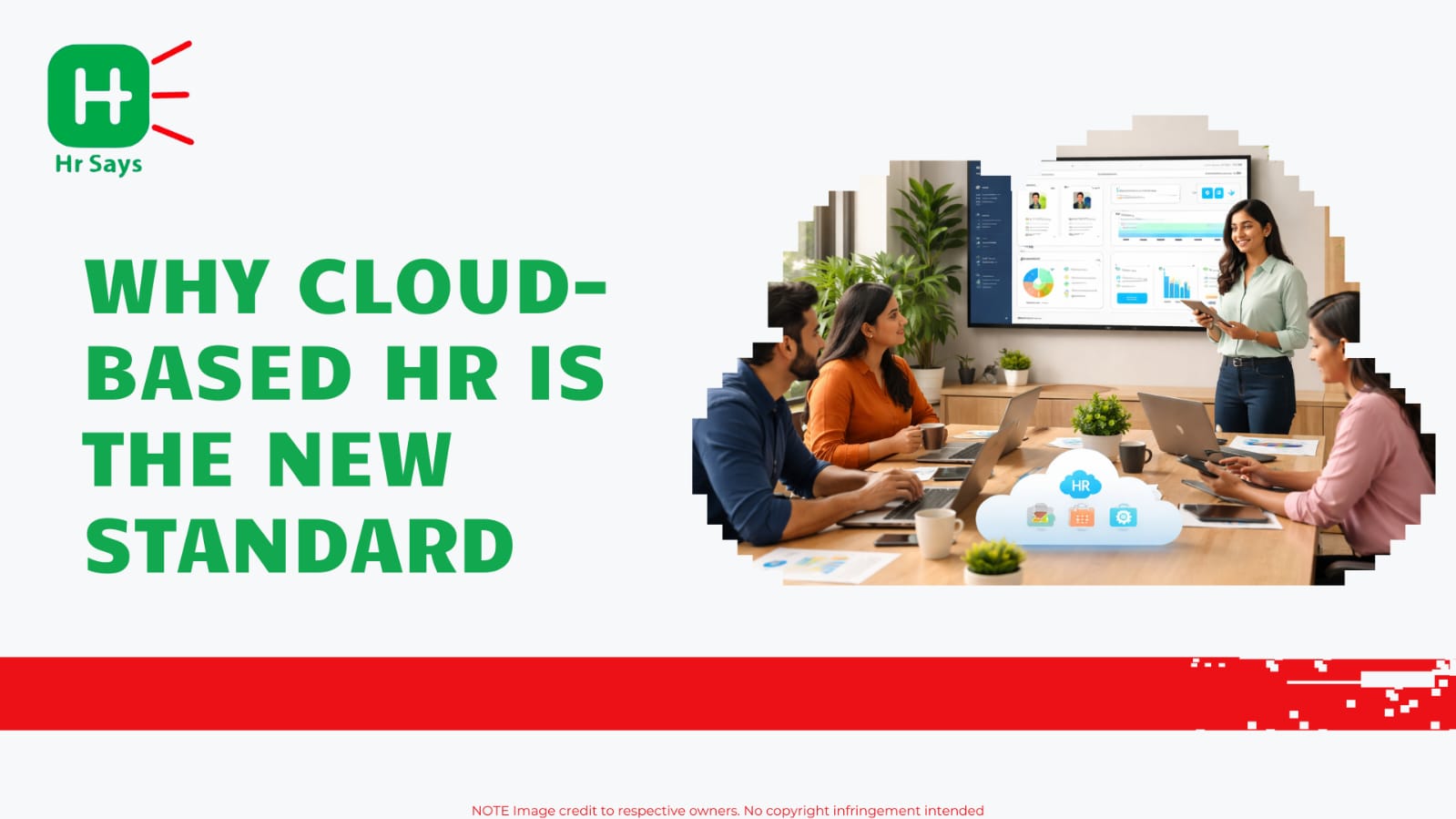
 Cloud-based HR systems have transformed workforce management by improving accessibility, automation, data security, and scalability. As organizations adopt digital workplaces and remote teams, cloud HR platforms are becoming the preferred standard for efficient, data-driven human resource operations.




Work places have transformed silently and substantially. Recruitment, human resources, timecard, and employee or staff interaction is no longer done using cords of paperwork or spreadsheets. Many organizations currently have been moving to cloud-based HR systems which make processes a lot easier, more accessible to users and make teams to handle people more clearly regardless of where they are situated.
The Shift From Traditional HR Systems
Over the years, human resource management has been based on manual, physical files, and on-premise software. Data was stored in the direct environment, access was controlled, and the changes needed time and technical assistance. These systems began to drag, now became limiting as businesses got digital.
HR software based on the cloud started to come up as a viable option. Rather than keep the data on the local servers, HR information is stored in the safe cloud repositories. This makes employees and HR departments access the necessary data via the internet whenever it is necessary.
Several workplace changes have accelerated this shift. Remote work, distributed teams, and digital collaboration have made flexible systems necessary rather than optional. Organizations now expect HR tools to support hiring, onboarding, payroll management, and employee performance tracking within a single platform.
With cloud HR platforms, routine administrative tasks are often automated. Leave tracking, salary records, attendance logs, and compliance documentation can be handled with minimal manual effort. As a result, HR teams are able to focus more on people management and less on repetitive data entry.
Another noticeable change has been transparency. Employees are often given self-service portals where they can update personal details, check payslips, request leave, or view company policies without waiting for HR responses. The process becomes smoother for both sides.
Cloud-based HR has also helped organizations scale more easily. When companies expand into new locations or hire remote employees, systems do not need to be rebuilt. New users can simply be added to the platform, making workforce management more adaptable.
Key Advantages Driving Cloud HR Adoption
Organizations often adopt cloud HR systems because operational efficiency is improved while costs remain manageable. Several practical benefits have made these platforms increasingly common.
Accessibility and Remote Workforce SupportCloud HR systems can be accessed through secure logins from different devices. HR professionals, managers, and employees are able to view relevant information regardless of location. This flexibility supports hybrid work environments and global teams.
Automated HR ProcessesMany administrative HR tasks can be automated within cloud platforms.
Common examples include:
- Payroll processing and tax calculations
• Leave and attendance tracking
• Employee onboarding workflows
• Performance review reminders
Automation reduces errors and saves significant administrative time.
Data Security and ComplianceModern HR cloud platforms are designed with security protocols, encryption, and controlled access levels. Sensitive employee information is protected through secure cloud infrastructure.
Compliance management is also supported. Legal updates, documentation records, and audit trails can be maintained more easily through centralized HR systems.
Real-Time HR AnalyticsWorkforce decisions are increasingly guided by data. Cloud HR tools often include analytics dashboards that provide insights into hiring trends, employee turnover, engagement metrics, and workforce planning.
Instead of relying on scattered spreadsheets, HR teams can make informed decisions using structured data.
Scalability for Growing OrganizationsBusinesses rarely remain static. As hiring expands or new departments are created, cloud-based HR systems can scale without complex installations. Additional users, roles, and features can be integrated with minimal disruption.
This scalability makes cloud HR particularly useful for startups and rapidly growing companies.
The Future Direction of HR Technology
Human resource management is steadily becoming more digital, strategic, and data driven. Cloud-based HR systems are expected to continue evolving with artificial intelligence, predictive workforce analytics, and improved employee experience platforms.
Recruitment tools, performance management software, and employee engagement systems are increasingly being integrated into unified HR ecosystems. As organizations aim to build flexible and efficient workplaces, cloud HR solutions are likely to remain the foundation of modern workforce management.