 Wednesday, October 07, 2026
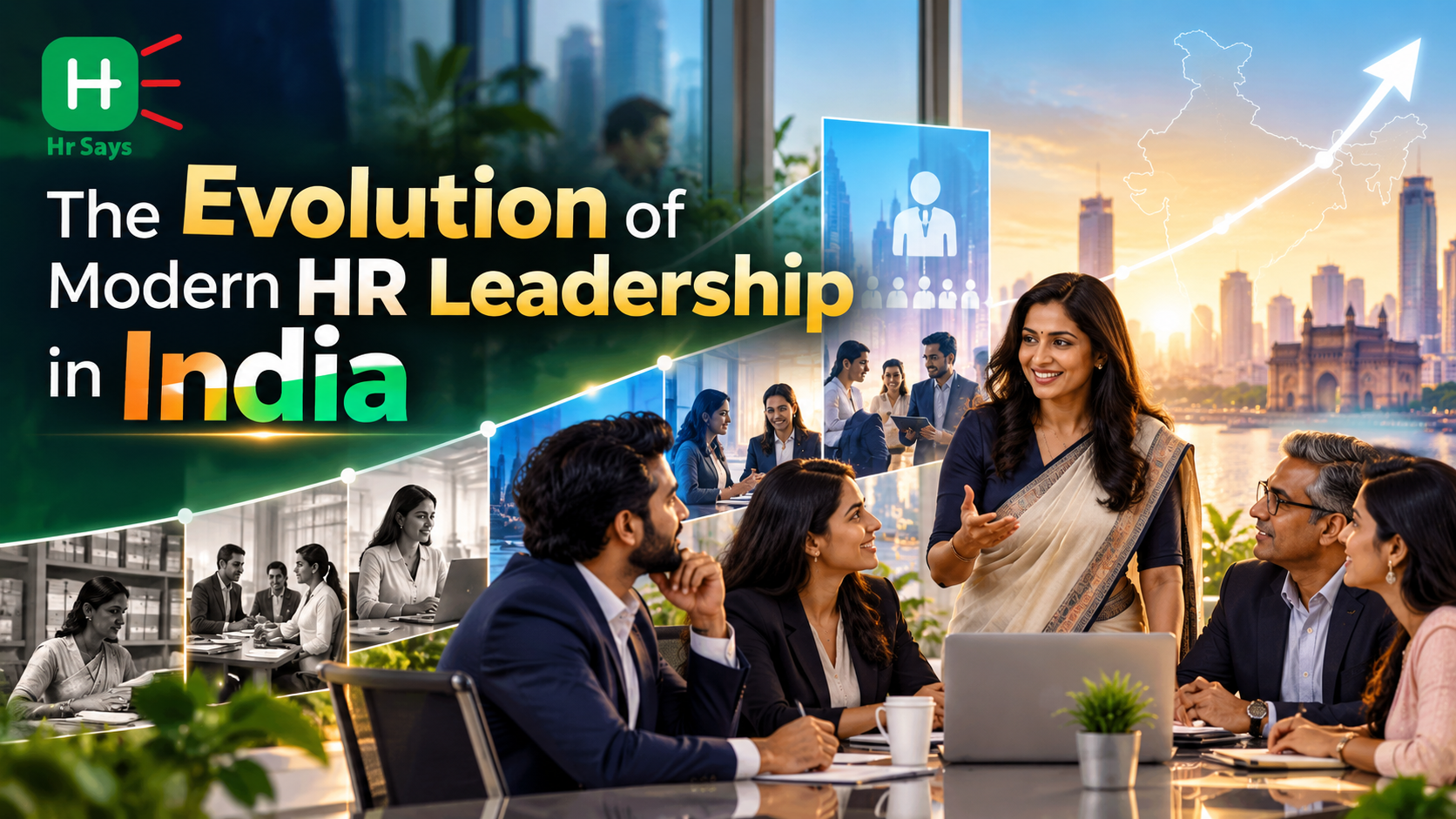
 Modern HR leadership in India has evolved from administrative management to strategic business partnership, shaped by technology, changing workforce expectations, and the growing importance of culture and data-driven people decisions.





Introduction
The role of HR leadership in India has undergone a profound transformation over the past two decades. What was once largely an administrative function, focused on payroll management, compliance, and workforce record-keeping, has gradually emerged as one of the most strategically important positions in any modern organization. Today, the Chief Human Resources Officer is not just a support function head. The CHRO now sits at the leadership table, participates in business decisions, and directly influences an organization's ability to grow, retain talent, and build competitive advantage.
This shift is not accidental. It reflects broader changes in the Indian business environment, including rapid digitization, the rise of the startup ecosystem, the increasing expectations of a younger workforce, and the global disruption brought about by the pandemic years. Understanding how HR leadership has evolved, and where it is headed, is essential for every HR professional, founder, and business leader who wants to build workplaces that genuinely work.
From Personnel Management to People Strategy
For most of the twentieth century, HR in Indian organizations operated under a framework borrowed from industrial-era personnel management. The function was largely reactive, handling hiring when a vacancy arose, managing salaries, processing exits, and ensuring basic compliance with labor laws. The human element in human resources was, ironically, often the least prioritized aspect.
The liberalization of the Indian economy in 1991 began to shift this dynamic. As multinational companies entered India and Indian corporations began competing globally, the demand for qualified talent grew sharply. Recruitment became a business priority. Retention became a challenge. Employee expectations began to rise. Organizations started recognizing that their people were not just operational assets but competitive differentiators.
By the early 2000s, the IT and ITES boom had already demonstrated what a talent-driven industry could achieve. Companies like Infosys, Wipro, and TCS were building HR frameworks that combined rigorous talent acquisition with structured learning and development. HR was beginning to speak the language of business outcomes, even if it was not yet fully seated at the table where those outcomes were decided.
The Strategic Pivot: When HR Became a Business Function
The real inflection point came gradually, shaped by a combination of forces. The growth of India's startup ecosystem introduced a new philosophy around people and culture. Founders who were building organizations from the ground up understood that culture was not something that happened on its own. It needed to be designed, nurtured, and led. This gave rise to a new generation of HR leaders who were part strategist, part culture architect, and part organizational designer.
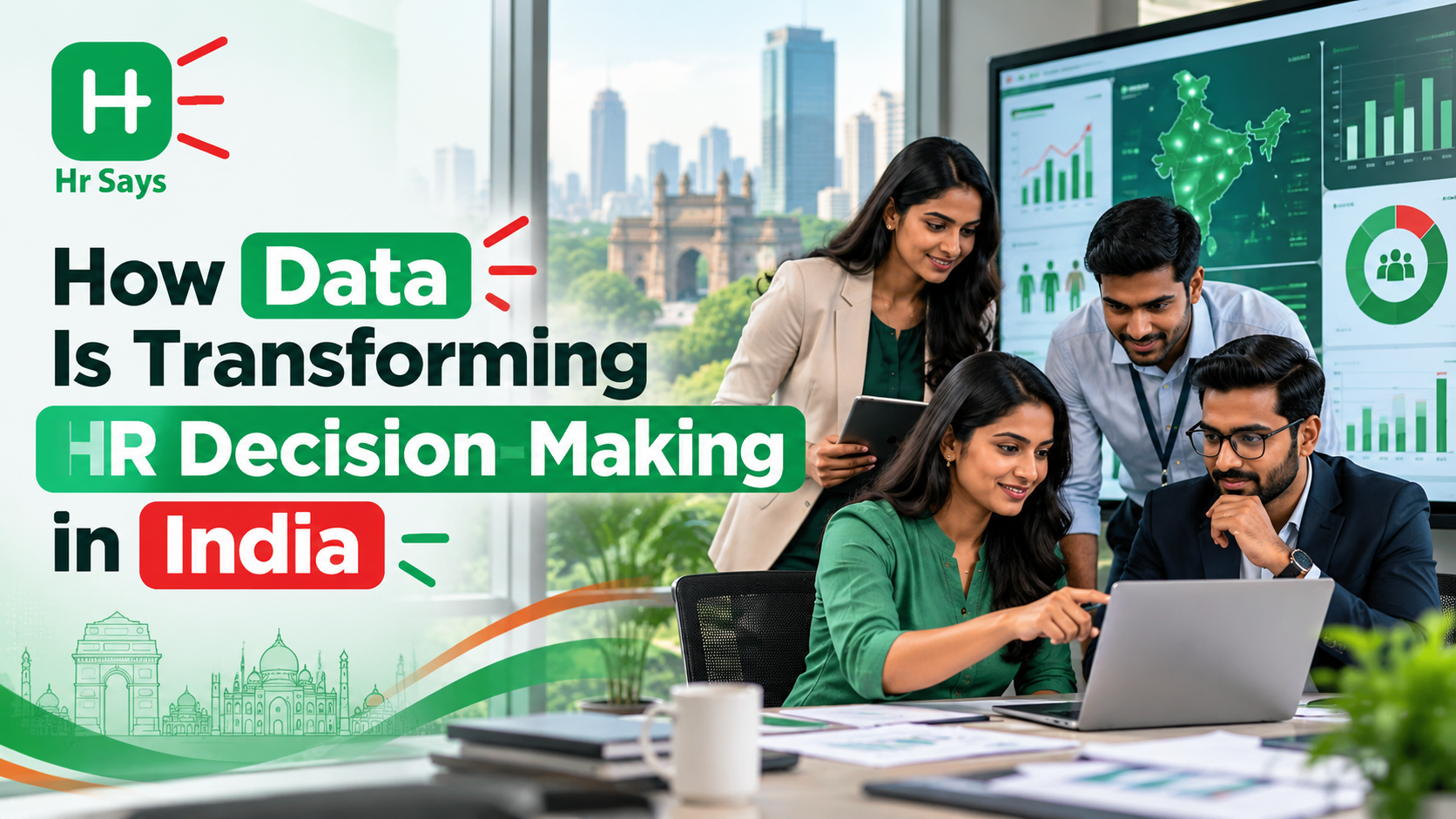
At the same time, data began to change the nature of HR decision-making. The emergence of HR technology platforms allowed organizations to move from intuition-based people decisions to evidence-based workforce planning. Metrics like attrition rate, cost per hire, engagement scores, and talent density became central to how leadership evaluated organizational health.
The pandemic period between 2020 and 2022 accelerated this shift in ways that no one had anticipated. Overnight, HR leaders were tasked with managing a workforce transition of historic scale. They had to navigate remote work policies, mental health support, workforce restructuring, salary revisions, and cultural continuity, often simultaneously and with little precedent to guide them. The organizations that emerged stronger from this period were almost always the ones with HR leadership that had genuine executive authority and business credibility.
Today, a growing number of Indian organizations, across sectors ranging from banking to pharmaceuticals to e-commerce, have elevated their HR heads to C-suite positions with board-level visibility. The CHRO has become a genuine business partner.
Core Competencies of the Modern HR Leader
The competency profile of an effective HR leader today looks very different from what it did even ten years ago. The modern CHRO must possess a combination of capabilities that span business acumen, people psychology, data literacy, and organizational design.
Business acumen is foundational. An HR leader who cannot read a P&L, understand revenue drivers, or connect people decisions to financial outcomes will always be limited in their influence. The most effective CHROs in India today participate in business planning cycles, workforce forecasting, and market expansion discussions because they can speak the language of growth.
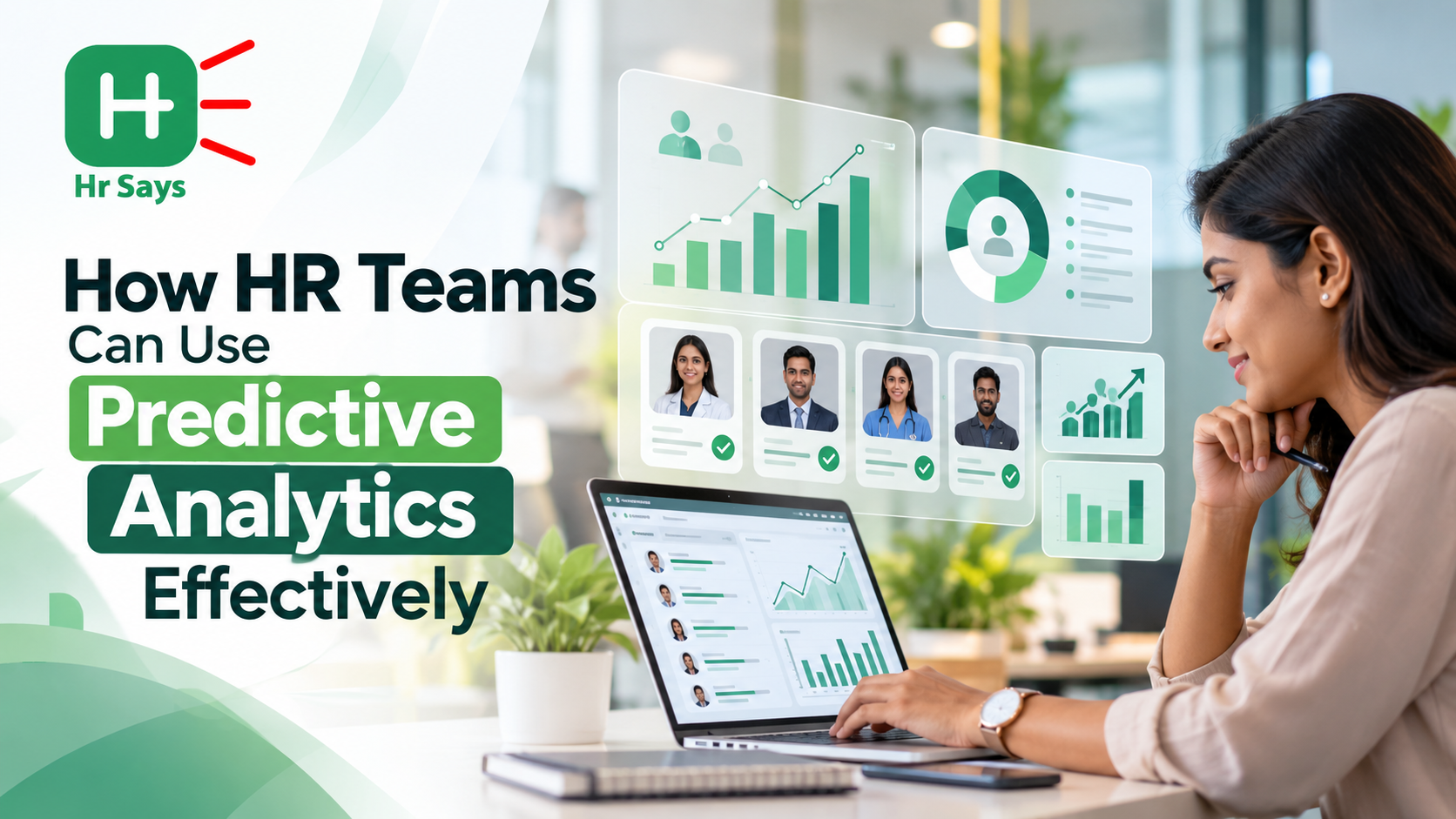
Data fluency has become equally critical. The ability to use people analytics to identify flight risks, forecast hiring needs, assess skill gaps, and measure the return on learning investments is now a basic expectation in progressive organizations. Platforms like Darwinbox, Keka, and Zoho People, which have strong adoption in the Indian market, have made data-driven HR accessible even for mid-sized companies.
Beyond these technical competencies, the modern HR leader must be skilled in organizational culture management. Culture is no longer a soft topic. It is a measurable business variable that affects productivity, innovation, and retention. HR leaders who can articulate the relationship between culture and business performance, and then build systems to actively shape that culture, are among the most valued professionals in the market.
Empathy and communication remain irreplaceable. HR leadership requires the ability to hold difficult conversations, advocate for employees without losing organizational trust, and navigate complex human situations with fairness and discretion. In an Indian context, where workplace dynamics are often influenced by hierarchy, regional diversity, generational differences, and gender considerations, these interpersonal skills carry enormous weight.
The CHRO and the Changing Indian Workforce
India's workforce is one of the youngest in the world, with a median age of approximately 28 years. This demographic reality shapes everything about how modern HR leadership must operate. The expectations of millennial and Gen Z employees are fundamentally different from those of earlier generations.
Today's workforce expects:
- Meaningful work that connects to a larger purpose
- Flexibility in how, when, and where they work
- Regular feedback rather than annual performance reviews
- Psychological safety to speak up, fail, and learn
- Diversity and inclusion as genuine organizational values rather than compliance boxes
HR leaders who understand these expectations and translate them into policy and practice are the ones building the organizations that attract and retain the best talent. Companies that continue to operate with rigid, hierarchical people management frameworks are finding it increasingly difficult to compete for skilled professionals, especially in sectors like technology, media, consulting, and healthcare.
The rise of the gig economy and contract workforce in India has also added new complexity to the HR mandate. With platforms like Swiggy, Zomato, Urban Company, and dozens of staffing technology firms reshaping how work is organized, HR leaders must now manage workforce strategies that extend beyond the permanent employee base.
Technology, HR Transformation, and the Indian Context
The adoption of HR technology in India has grown significantly over the past five years. The government's push toward digital infrastructure, including initiatives like the Unified Labour Portal (Shram Suvidha) and the digitization of provident fund and ESIC compliance, has created both opportunities and obligations for HR leaders to operate in a more tech-enabled environment.
Within organizations, the integration of artificial intelligence into talent acquisition, learning management, and employee engagement has moved from pilot projects to mainstream adoption in larger enterprises. AI-powered resume screening, chatbot-driven employee queries, predictive attrition modeling, and personalized learning pathways are no longer futuristic concepts. They are practical realities in many Indian workplaces today.
However, the technology adoption curve is uneven. While technology companies, large banks, and multinational organizations in India have embraced advanced HR tech stacks, a significant proportion of mid-market and family-owned businesses still rely on spreadsheets and manual processes for core HR functions. Modern HR leadership in these organizations often means driving digital transformation from within, which requires change management skills in addition to technical knowledge.
Building Diverse and Inclusive Workplaces
Diversity, Equity, and Inclusion has moved from the margins to the mainstream of HR leadership conversations in India. While progress remains uneven across sectors and geographies, the direction of change is clear. Leading Indian companies are investing in structured DEI programs, gender pay audits, accessibility initiatives, and inclusive hiring practices.
The Business Responsibility and Sustainability Reporting framework, mandated by SEBI for the top 1000 listed companies by market capitalization, now requires organizations to disclose data on gender diversity, differently-abled employees, and workplace safety. This regulatory momentum is encouraging more HR leaders to treat DEI not as a discretionary cultural initiative but as a governance responsibility.
For HR leaders, building an inclusive workplace requires more than policy. It requires removing systemic barriers in hiring, creating equitable pathways for advancement, and building managerial capability to lead diverse teams effectively.
The Future of HR Leadership in India
Looking ahead, the HR function in India is poised for further elevation. Several trends are likely to define the next phase of HR leadership evolution.
The concept of the HR Business Partner model is maturing. Rather than a single generalist HR person serving an entire business unit, organizations are building specialized HR teams with deep expertise in talent acquisition, learning, compensation, HR technology, and organizational development. This specialization is raising the overall caliber of HR delivery.
Employee experience is becoming the organizing principle of HR strategy. Just as organizations have invested heavily in customer experience, the best HR leaders are now applying the same design-thinking approach to the employee journey, from recruitment and onboarding through to development, recognition, and transition.
The integration of mental health and well-being into the core HR agenda is another defining trend. Post-pandemic awareness of burnout, anxiety, and workplace stress has pushed well-being from a benefits checkbox to a strategic priority. HR leaders are partnering with mental health platforms, Employee Assistance Program providers, and organizational psychologists to build genuinely supportive work environments.
Platforms like HRSays are playing a meaningful role in this evolving landscape by providing HR professionals with a space to share knowledge, explore emerging ideas, and engage in the conversations that are actively shaping better workplaces across India.
Conclusion
The evolution of HR leadership in India is a story of a profession finding its true purpose. From the personnel officer of the industrial era to the Chief Human Resources Officer of today, the journey reflects a deepening understanding of what it truly means to lead people in an organization. Modern HR leadership is strategic, data-informed, culturally intelligent, and deeply human all at once.
For India, a country with one of the world's largest and most diverse workforces, the quality of HR leadership will play a significant role in determining which organizations thrive in the decades ahead. The CHROs and HR leaders who embrace this expanded mandate, who combine business acumen with empathy, technology with trust, and strategy with humanity, are the ones who will shape the workplaces that India's next generation wants to be part of.
Frequently Asked Questions
Q1: How has the role of HR leadership changed in Indian organizations over the past decade?
HR leadership in India has shifted from a primarily administrative function to a strategic business role. Modern CHROs now participate in executive decision-making, drive culture, and use data analytics to align people strategy with business outcomes.
Q2: What skills does a modern CHRO in India need to be effective?
A modern CHRO needs business acumen, data literacy, organizational design capability, strong communication skills, and a deep understanding of workforce diversity. The ability to connect people decisions to financial outcomes is now a core expectation.
Q3: How is technology changing the HR function in Indian companies?
HR technology platforms have enabled Indian organizations to automate routine processes, use predictive analytics for talent management, and create personalized employee experiences. AI-powered tools are increasingly being used for hiring, engagement, and learning.
Q4: Why is Diversity, Equity, and Inclusion becoming a priority for Indian HR leaders?
Regulatory mandates such as the BRSR framework, combined with changing workforce expectations and proven business benefits of diverse teams, have made DEI a governance and strategic priority rather than a discretionary initiative for Indian organizations.
Q5: What is the future direction of HR leadership in India?
The future of HR in India lies in deeper specialization within HR teams, a stronger focus on employee experience and well-being, the integration of advanced HR technology, and the continued elevation of the CHRO role as a core member of organizational leadership.
Resources
- Society for Human Resource Management (SHRM): Global research and frameworks on HR leadership competencies and modern people management practices.
- NITI Aayog: India's official policy think tank offering workforce reports, skill gap analyses, and future of work research relevant to HR leaders.
- Ministry of Labour and Employment, Government of India: Official source for labor law updates, compliance requirements, Shram Suvidha portal information, and workforce statistics.
- LinkedIn Talent Solutions India: Annual workforce and talent trend reports with India-specific hiring, skills, and employee expectations data.
- Confederation of Indian Industry (CII): Research and roundtable insights on corporate HR practices, workplace transformation, and CHRO priorities in the Indian business context.
Last Reviewed By
Dr. Manthan Tripathi and Hr Says Advisory Panel on 3 October 2026.
Disclaimer
The content published in this article is intended for informational and professional development purposes only. The views, insights, and frameworks presented are based on general leadership research and observed organizational practices. They do not constitute specific business, legal, or professional consulting advice. Readers are encouraged to assess the relevance of any strategy or approach in the context of their own organization before implementation. HRSays does not claim responsibility for outcomes resulting from the application of any ideas presented in this article.
Interlinking Keywords
CHRO role in India, HR transformation, people strategy, employee experience, HR technology India, future of work, workforce diversity India, HR business partner, talent management, organizational culture, HR leadership skills, workplace well-being