 Saturday, October 17, 2026
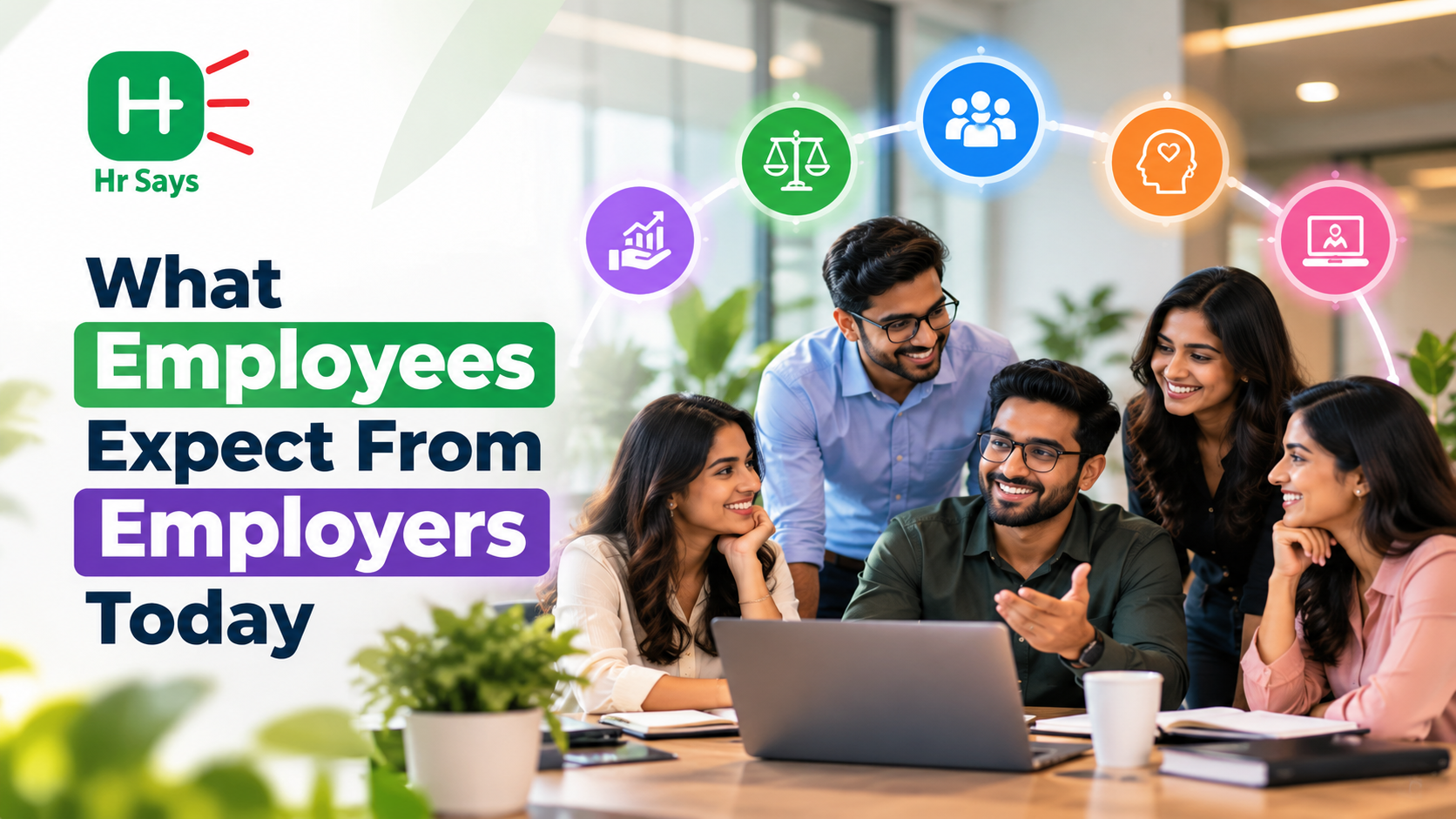
 Modern employees expect psychological safety, transparent communication, career growth, and flexible work arrangements. This article explores these evolving expectations and offers actionable guidance for Indian HR leaders and employers.





Introduction
The relationship between employers and employees has changed more in the last five years than it did in the previous two decades. Across India, in boardrooms and startup offices and factory floors, there is a growing recognition that the workforce of today operates by a different set of priorities. Organizations that still manage people the way they did in 2015 are finding it increasingly difficult to attract talent, retain performers, and build teams that stay motivated through uncertainty.
This is not simply about salary. Research consistently shows that compensation, while important, is rarely the only reason people leave a job. Employees today are weighing psychological safety, managerial respect, career development, flexibility, and purpose against their daily experience at work. When those elements are missing, no paycheck fully compensates for the gap.
For HR professionals, founders, CHROs, and business leaders across India, understanding what the modern workforce actually expects is no longer optional. It is the foundation of every meaningful people strategy.
Understanding the Shift in Workforce Expectations
The Indian workforce has undergone a significant generational and cultural transition. With millennials now forming the majority of the active workforce and Gen Z entering organizations in larger numbers each year, the behavioral expectations around work have shifted considerably. These two generations grew up with greater access to information, stronger awareness of global work cultures, and, in many cases, a first-hand experience of burnout at a young age.
This transition has coincided with broader changes triggered by the COVID-19 pandemic. Remote work demonstrated to millions of employees that flexibility was operationally viable. The experience of loss, isolation, and disruption also created a stronger emotional awareness around mental health. Employees returned to offices, many of them physically but not psychologically, having revised what they were willing to accept.
In Tier 1 cities like Mumbai, Delhi, Bengaluru, and Hyderabad, where talent competition is intense and professional mobility is high, employers are responding faster. In Tier 2 cities like Pune, Ahmedabad, Jaipur, and Indore, where the workforce is expanding rapidly due to business migration, the conversation is catching up quickly. Across both contexts, the core expectations remain strikingly consistent.
Primary Expectations Employees Hold From Employers
Psychological Safety and Respectful CommunicationEmployees expect to work in an environment where they can express ideas, raise concerns, and ask questions without fear of ridicule, dismissal, or professional consequence. This is what organizational psychologists define as psychological safety, and it has emerged as one of the most critical predictors of team performance and employee retention.
In practical terms, psychological safety means managers do not interrupt or dismiss team members in meetings, feedback is delivered with care, disagreement is not punished, and employees at every level feel their voice carries some weight. Organizations that foster this environment consistently outperform those that rely on a culture of hierarchy and fear. For HR leaders, the task is to train managers in communication, hold leadership accountable for behavioral standards, and create formal and informal channels where concerns can be raised safely.
Transparent and Honest Communication From LeadershipOne of the most frequently cited frustrations among Indian employees, particularly in mid-size organizations, is the gap between what leadership communicates and what actually happens. Employees increasingly expect honesty about business performance, organizational changes, role expectations, and growth pathways. The old model of top-down information control, where major decisions were announced rather than explained, is producing visible disengagement.
Transparency does not mean oversharing sensitive business information. It means explaining the reasoning behind decisions, communicating early when change is on the horizon, and treating employees as adults capable of handling complexity. Organizations that practice honest leadership consistently report stronger internal trust scores, lower absenteeism, and better team cohesion.
Flexible Work ArrangementsPost-pandemic India has seen a significant recalibration of the flexibility conversation. While many organizations have returned to full-time office models, employees have not abandoned the desire for schedule flexibility or the option to work remotely on select days. For knowledge workers, developers, content professionals, designers, and analysts, the expectation of at least partial flexibility has become deeply embedded.
Flexibility does not mean an absence of accountability. Employees want to be measured on outcomes rather than hours logged. They want the freedom to manage personal commitments without having to take formal leave for a two-hour school event or a medical appointment. Organizations that approach flexibility as a trust-based exchange, rather than a privilege to be controlled, tend to see stronger engagement and lower attrition.
Meaningful Growth and Career DevelopmentEmployees expect their employers to invest in their professional development. This expectation goes beyond the annual training budget. It includes regular conversations about career goals, honest feedback on performance gaps, mentorship access, exposure to cross-functional projects, and a visible internal mobility culture.
In India, where professional credentials carry significant social and economic weight, career stagnation is a powerful trigger for resignation. Young professionals entering organizations today are asking earlier and more directly: where will this role take me in three years? If HR and leadership cannot answer that question clearly, employees will seek employers who can.
Structured learning pathways, internal promotion transparency, skill-based role transitions, and manager coaching programs are among the most effective responses to this expectation.
Fair and Competitive CompensationCompensation remains a baseline expectation that must be addressed before higher-order needs can be met. Employees expect pay that is fair relative to their contribution, transparent in its structure, and competitive relative to the market. Pay opacity, unpredictable variable compensation, and long-term stagnation without explanation are among the strongest predictors of voluntary resignation.
In the Indian context, the conversation around compensation has evolved beyond the CTC figure. Employees are paying closer attention to take-home salary structure, provident fund compliance, health insurance quality, paid leave policies, and the clarity of variable pay calculations. Organizations that are honest and structured about how they pay, and that communicate compensation philosophy clearly, build significantly stronger trust.
Mental Health and Employee Wellbeing SupportThe awareness of mental health challenges in Indian workplaces has grown substantially over the last few years. Burnout, anxiety, and stress-related productivity loss are being discussed more openly, and employees now expect their organizations to respond with more than motivational posters or one-day wellness sessions.
Genuine wellbeing support includes access to confidential counseling services, manageable workloads, leave policies that allow for true recovery, and managers trained to recognize signs of distress. Some larger Indian organizations have introduced Employee Assistance Programs and digital mental health platforms. For smaller businesses, even basic actions such as normalizing conversations about workload and checking in regularly with team members make a meaningful difference.
Inclusive and Bias-Free Work EnvironmentsEmployees expect to work in environments where opportunity, recognition, and advancement are not influenced by gender, caste, religion, region, or personal relationships. In India, where workplace discrimination takes several forms that often go unaddressed, this expectation has a particular weight.
Inclusion does not mean treating every person identically. It means removing structural barriers that disadvantage certain groups, creating equitable access to visibility and opportunity, and building a culture where diverse contributions are genuinely valued. Organizations with visible diversity in leadership, formal policies against discrimination, and active redressal mechanisms for complaints build stronger employer brands and attract a broader talent pool.
What Good Managers Look Like to Modern Employees
A significant portion of what employees expect from their employers is actually delivered, or denied, by their immediate managers. Research from multiple global and Indian surveys consistently identifies poor management as the leading cause of voluntary resignation. Employees leave managers more often than they leave organizations.
Good managers, in the eyes of the modern workforce, are those who:
- Provide regular and constructive feedback rather than waiting for annual appraisals
- Advocate for their team's development and career growth
- Communicate expectations clearly and consistently
- Recognize and appreciate effort and contribution, not just outcomes
- Handle mistakes with a learning orientation rather than a punitive one
- Respect personal boundaries and do not expect constant availability
For HR leaders, the implication is clear. Manager capability development is not a soft initiative. It is a core retention strategy.
The Role of Workplace Culture in Meeting Expectations
Culture is often described as the invisible architecture of an organization. Employees cannot always articulate exactly what makes a workplace feel good or bad, but they feel it immediately. Culture shapes how decisions are made, how conflict is handled, how people treat each other under pressure, and how much personal agency employees feel in their day-to-day work.
Organizations with intentional, values-driven cultures have a structural advantage in meeting employee expectations. When the culture is consistent with what is communicated externally, employees trust the organization. When there is a visible gap between stated values and lived experience, trust erodes quickly, and no HR initiative can fully compensate for it.
Building culture is a daily practice, not a one-time exercise. It lives in how leadership behaves when things go wrong, how performance reviews are conducted, how new employees are onboarded, and how the organization responds when an employee raises a concern.
Practical Steps for HR Leaders and Employers
Meeting the evolving expectations of employees does not require unlimited budgets or radical restructuring. It requires consistency, honesty, and genuine intent. The following areas offer practical starting points:
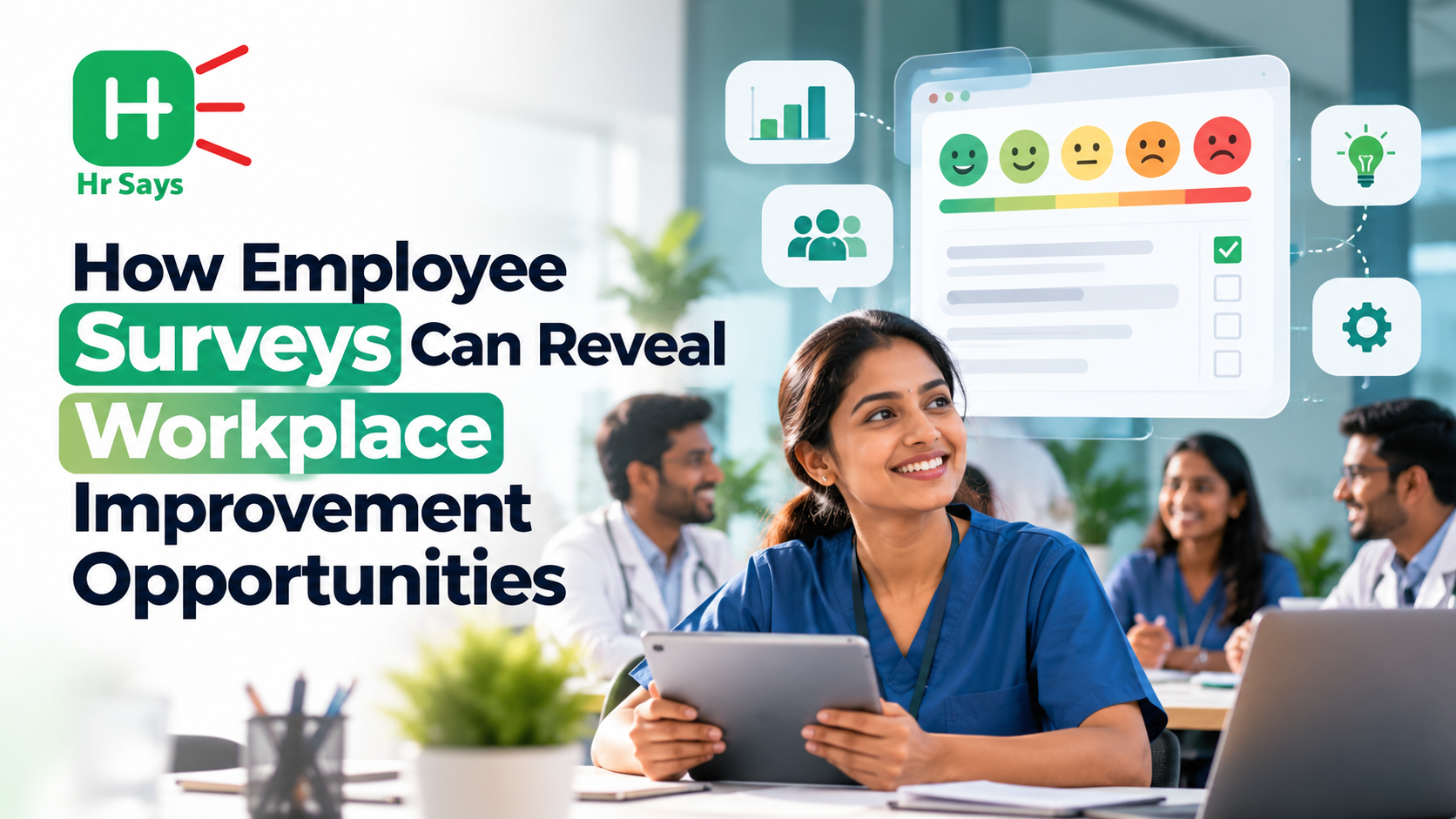
- Conduct structured listening sessions or pulse surveys every quarter to understand what employees actually need, not what leadership assumes they need
- Review management capability and provide regular training on feedback, communication, and empathy
- Audit compensation structures for internal equity and external competitiveness at least once a year
- Create formal career development frameworks so employees understand what growth looks like within the organization
- Normalize mental health conversations and ensure that leave policies are actually accessible without social penalty
- Communicate organizational decisions with transparency, including the reasoning behind them
Conclusion
The expectations employees bring to the workplace today are not unreasonable. They are the natural result of a more informed, more aware, and more connected workforce that has experienced significant disruption and emerged with clearer priorities. Organizations that choose to understand these expectations and build people strategies around them will find themselves with stronger teams, lower attrition, and a more resilient culture.
For HR professionals across India, this moment represents both a challenge and an opportunity. The workplace is being redesigned in real time, and the organizations that invest in genuinely understanding their people will define what better workplaces look like for the next generation of the Indian workforce.
HRSays exists precisely for this conversation. As a platform where HR leaders, founders, and workplace decision-makers exchange ideas, it reflects the belief that workplaces improve when the right conversations happen with clarity, honesty, and purpose.
Frequently Asked Questions
Q1: What do employees expect most from their employers today?
Today's employees primarily expect psychological safety, transparent communication, flexible work options, fair compensation, and meaningful career growth opportunities. No single factor stands alone. Employees weigh the combination of these elements against their day-to-day experience.
Q2: How have employee expectations changed in India after the pandemic?
Post-pandemic, Indian employees have placed far greater emphasis on mental health support, flexible scheduling, empathetic leadership, and genuine work-life balance. The pandemic normalized conversations about wellbeing and demonstrated that flexibility was operationally possible, making it much harder for organizations to roll back those standards entirely.
Q3: Why is workplace culture so important for employee retention?
Workplace culture is one of the strongest predictors of whether employees stay or leave. Employees who feel respected, psychologically safe, and genuinely included within their organizational culture are significantly less likely to seek employment elsewhere, even when they receive external offers.
Q4: Why does manager behavior matter so much in meeting employee expectations?
Managers are the primary interface between the organization and its employees. A poor manager relationship is one of the leading causes of voluntary resignation, even when the broader organization performs well. Employees evaluate their employer through the lens of their direct manager every single day.
Q5: How can small businesses in India meet modern employee expectations on a limited budget?
Small businesses can make meaningful progress without large budgets by focusing on honest and empathetic communication, offering flexible scheduling where operationally possible, creating regular recognition practices, having transparent conversations about growth, and building a culture where people feel heard. These actions cost far less than the recurring expense of attrition.
Resources
- Society for Human Resource Management (SHRM): Research and frameworks on employee engagement, workplace expectations, and HR best practices globally
- LinkedIn Workforce Report India: Annual data on hiring trends, workforce mobility, and what professionals in India prioritize in their careers
- Gallup State of the Global Workplace Report: Comprehensive global and regional data on employee engagement, wellbeing, and manager effectiveness
- Ministry of Labour and Employment, Government of India: Policy frameworks, labor compliance guidelines, and workforce data relevant to Indian employers
- NASSCOM HR Research Reports: Sector-specific workforce insights focused on India's technology and services industries
Interlinking Keywords
employee engagement strategies, workplace culture India, HR best practices, employee retention tips, manager training programs, employee wellbeing at work, flexible work policy India, talent management India, psychological safety at work, employee experience framework
Last Reviewed By
Dr. Manthan Tripathi and Hr Says Advisory Panel on 14 October 2026.
Disclaimer
The information provided in this article is intended for general informational and educational purposes only. It does not constitute legal, financial, or professional HR advice. Workplace policies, labor laws, and organizational practices vary across industries, states, and company sizes in India. Readers are advised to consult qualified HR professionals or legal advisors before implementing any people management or employment-related decisions. HRSays does not assume any liability for actions taken based on the content of this article.