 Thursday, September 24, 2026
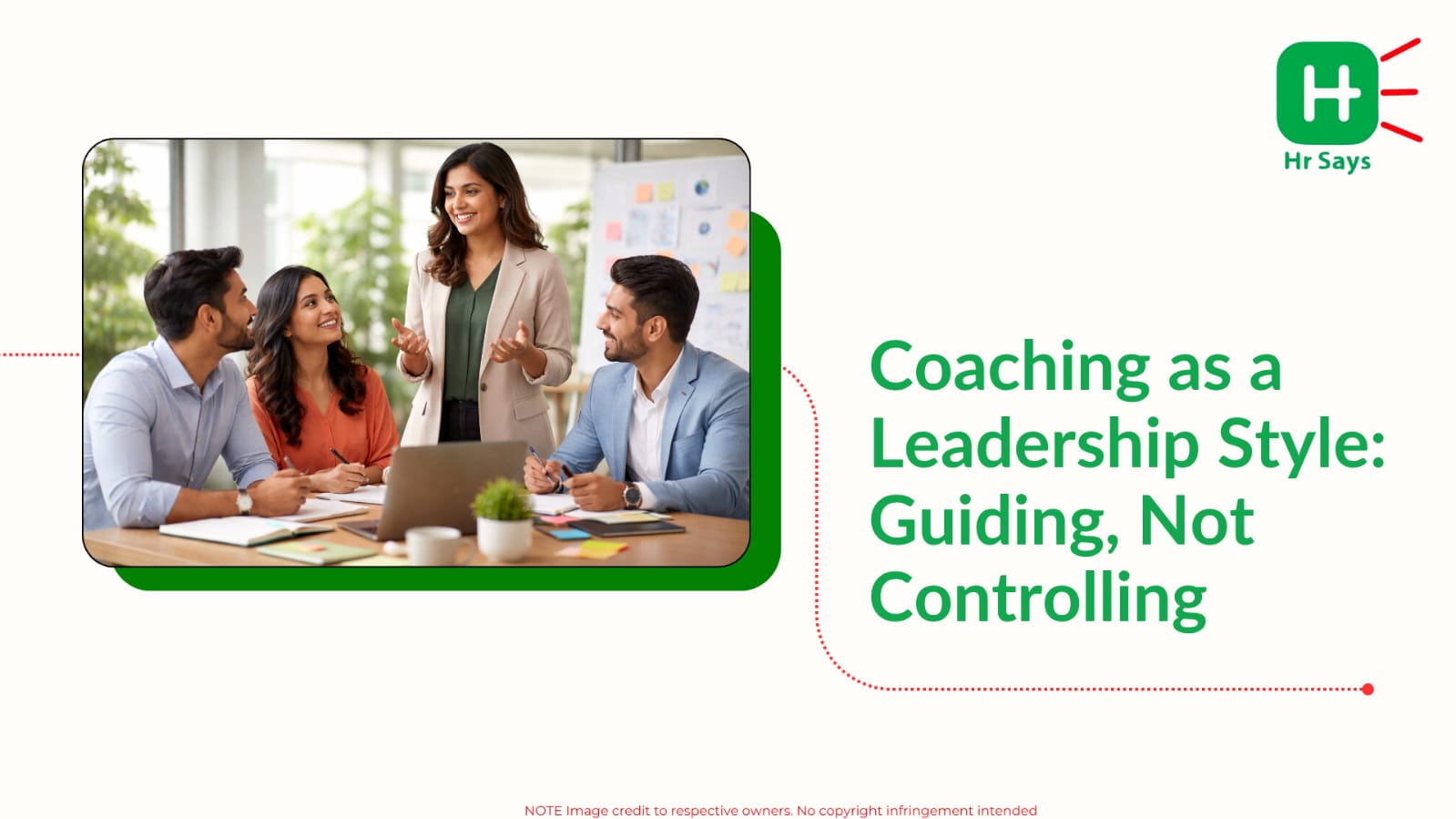
 Coaching leadership focuses on guiding employees through questions, trust, and feedback. It builds long-term growth, improves engagement, and creates independent teams while requiring patience, balance, and strong communication skills.




Imagine a leader who not only gave orders but also helped you to think, develop, and solve something on your own and that silent change in approach between directing and guiding, where the process of coaching as a leadership approach starts. It is not so much authority but rather opening potential in others.
Why Coaching Leadership Matters Today
The rapidly changing nature of workplaces has rendered employees no longer seeking managers that might merely place them to work. They want leaders who hear, encourage and assist them to develop. Coaching leadership would easily accommodate this transition. It adopts the concept of long term development as opposed to short term control.
The essence of coaching leadership lies in posing the right questions and providing only some of the answers. Such a strategy fosters trust in the team and ownership. When they feel that they are heard, people would perform better and remain more engaged. It also builds a culture of learning being integrated in the daily work instead of being a different activity.
Leaders who coach do not step back completely. They stay involved but in a way that encourages independence. Over time, this reduces dependency on constant supervision and builds stronger, more capable teams.
Key Elements of a Coaching Leader
Before applying this style, it is important to understand what makes it effective in real situations.
Active listening and empathyA coaching leader pays attention not just to what is said but also to what is left unsaid. This helps in understanding real concerns and motivations.
Asking instead of tellingRather than giving direct instructions, coaching leaders guide employees through questions. This improves problem-solving skills.
Constructive feedbackFeedback is shared regularly, not just during formal reviews. It is specific, timely, and focused on improvement.
Trust and patienceGrowth takes time. Coaching leaders trust their team and allow space for mistakes and learning.
These elements work together to create an environment where employees feel safe to explore ideas and take initiative.
Benefits and Challenges in Practice
Coaching as a leadership style brings clear advantages, but it also requires effort and consistency. One of its biggest strengths is employee development. Teams become more skilled and adaptable over time. It also improves communication, as open dialogue becomes a habit rather than an exception.
However, this approach is not without challenges. It takes time to build trust and develop coaching conversations. In high-pressure situations, leaders may feel tempted to return to directive methods. There is also the risk of over-coaching, where too many questions slow down decision-making.
Balancing guidance with action is key. Leaders need to recognize when to step in and when to step back.
Conclusion
Coaching as a leadership style is not about having all the answers. It is about helping others find their own. When done right, it builds stronger individuals and more resilient teams. It may take time, but the impact lasts far beyond immediate results.