Saturday, September 26, 2026
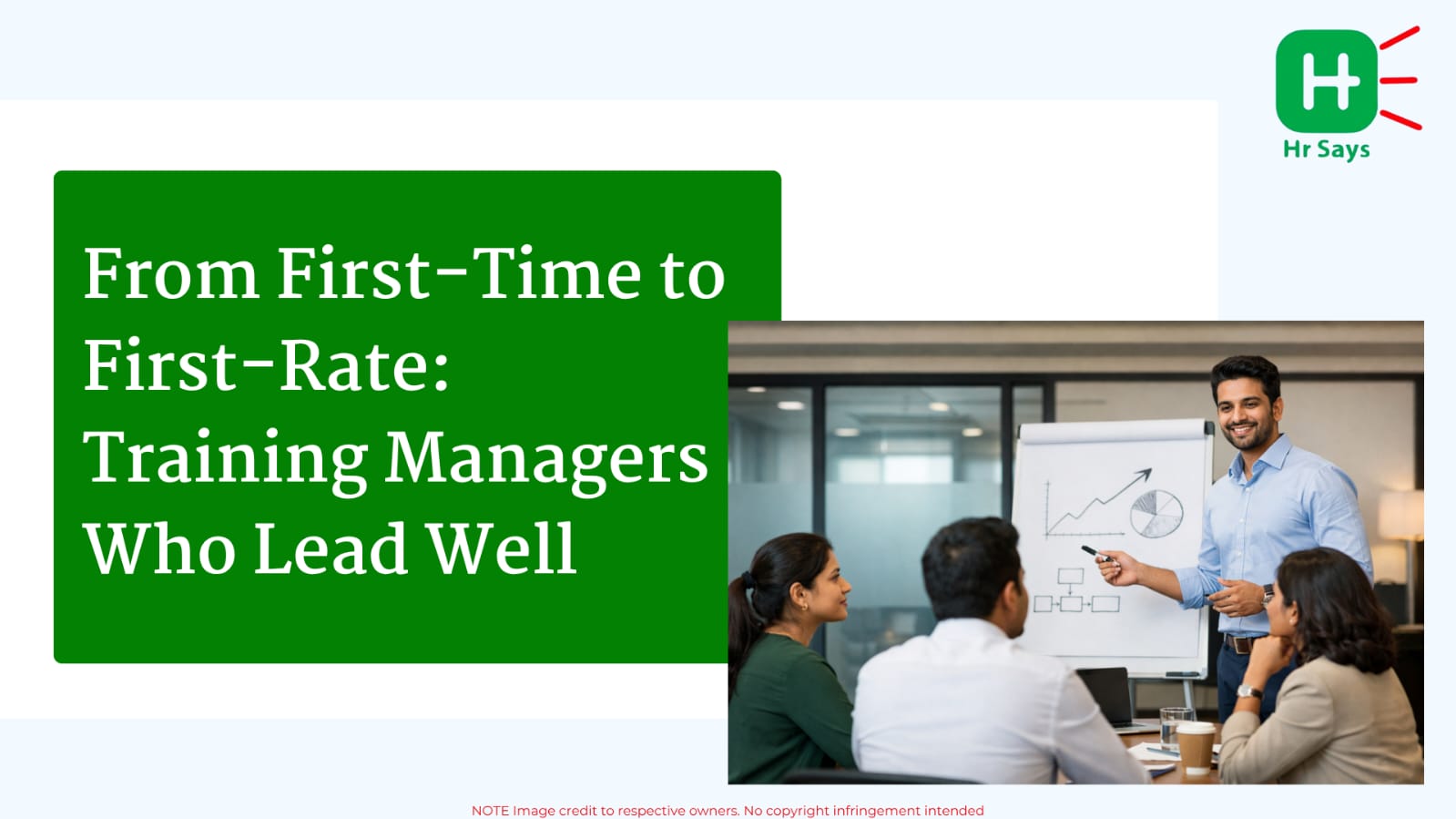
 First-time managers need structured training to succeed. This blog explores mindset shifts, essential skills, ongoing support, and practical growth strategies that help new leaders guide teams with confidence and clarity.




In a new managerial position, that has been the undertaking that first seems like a silent promotion and then a screaming truth now emerges. However, at that point, it is not only the matter of personal performance but also about leading people through their performance. There are a lot of new managers who are supposed to discover how by the way, yet they have to have the proper training because that can be the road full of difficulties and solitude.
Building the Right Foundation Early
Prior to new managers becoming team leaders, they must understand what leadership really entails. In this section, we examine how the structured training will enable them to change their roles of individual contributors to people leaders who are characterized by confidence and direction.
A strong foundation begins with redefining success. Earlier, results came from individual effort. Now, success depends on how well a team performs together. Training programs must address this mindset shift early. It helps new managers understand that delegation, trust, and communication are not optional skills but daily responsibilities.
At the same time, practical exposure matters. Instead of overwhelming them with theory, organizations should focus on real workplace scenarios. When managers learn how to handle feedback conversations or team conflicts in controlled settings, they feel more prepared when situations arise in real time.
Core Skills Every First-Time Manager Needs
To lead effectively, new managers must develop a mix of interpersonal and operational skills. This section highlights the essentials that training programs should prioritize.
Communication and FeedbackClear communication is often underestimated. New managers must learn how to express expectations without confusion and provide feedback without discomfort. This includes active listening, asking the right questions, and creating space for team input.
Time and Priority ManagementManaging others also means managing time differently. Instead of focusing only on tasks, managers must balance meetings, team needs, and strategic thinking. Training should help them identify priorities without feeling constantly overwhelmed.
Decision-Making Under PressureUncertainty is part of leadership. First-time managers often hesitate when decisions impact others. Guided training helps them build confidence, assess situations quickly, and take responsibility without overthinking every outcome.
Creating Continuous Support Systems
Training should not end after a few sessions. This section explains why ongoing support is critical for long-term success.
Learning in isolation rarely works. New managers benefit from consistent check-ins, mentorship, and peer discussions. These spaces allow them to share challenges and learn from others who are navigating similar roles. It also reduces the pressure of getting everything right from the start.
Organizations can support this journey through simple but effective methods:
- Regular one-on-one coaching sessions
- Peer learning groups for shared experiences
- Access to leadership resources and toolkits
Such support creates a sense of direction, even when the role feels demanding.
Measuring Progress Without Pressure
It is important to track how new managers are growing, but without turning it into a rigid evaluation process. This section explores how to balance accountability with encouragement.
Instead of focusing only on outcomes, organizations should observe behavioral changes. Are managers communicating better? Are teams more engaged? These indicators provide a clearer picture of progress.
Feedback should also be two-way. When managers feel safe sharing their struggles, training programs can evolve to meet real needs. Growth becomes a shared process rather than a silent expectation.
Conclusion
Training first-time managers is not just about skill-building. It is about shaping how they see leadership and responsibility. With the right guidance, they move from uncertainty to clarity, building teams that feel supported and motivated. When organizations invest in this transition, they do not just create managers. They create leaders who understand people, not just performance.