Thursday, October 01, 2026
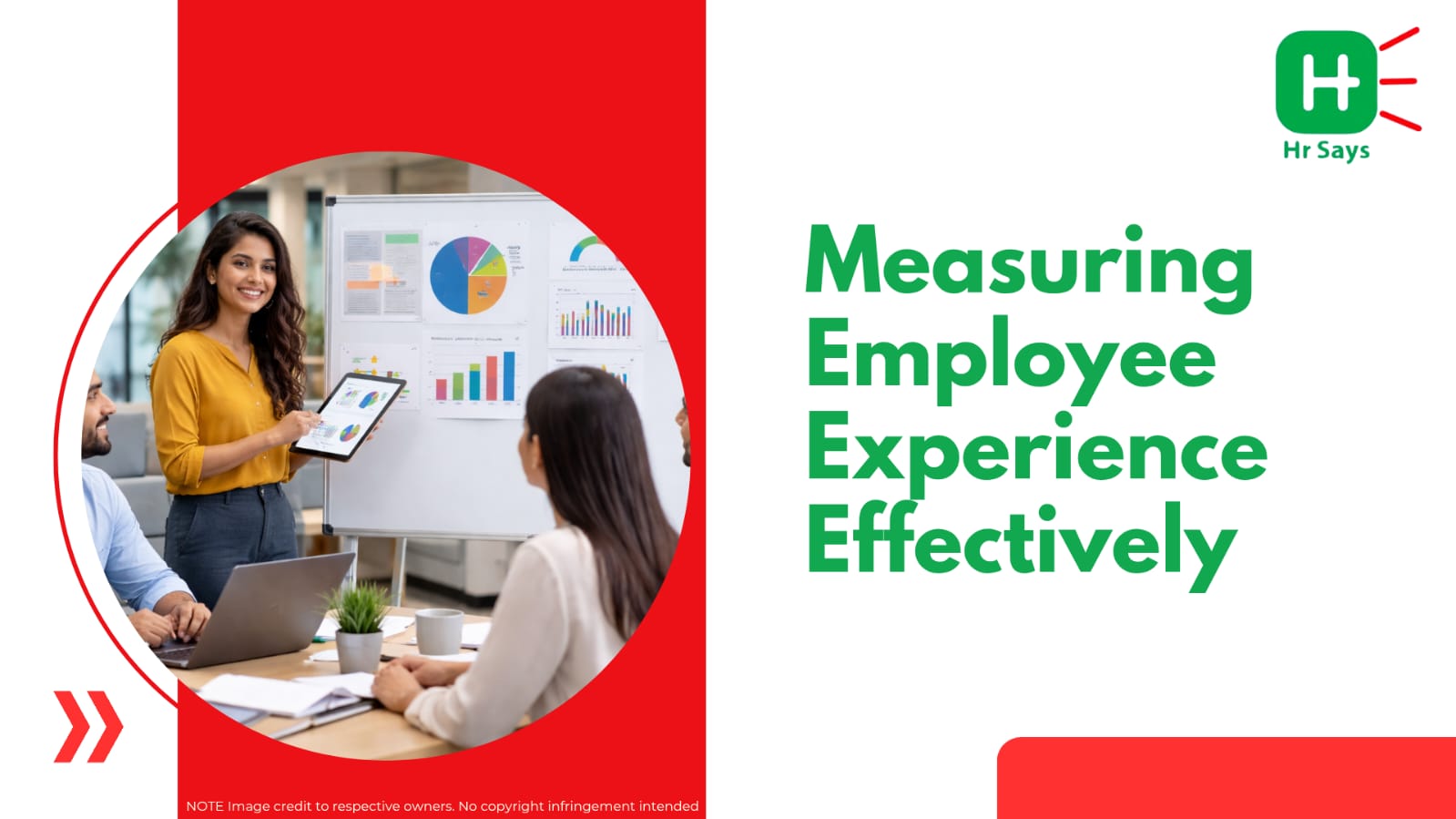
 Employee experience measurement goes beyond surveys. By combining methods, focusing on key moments, and acting on feedback, organizations can build a workplace that truly understands and supports its people.




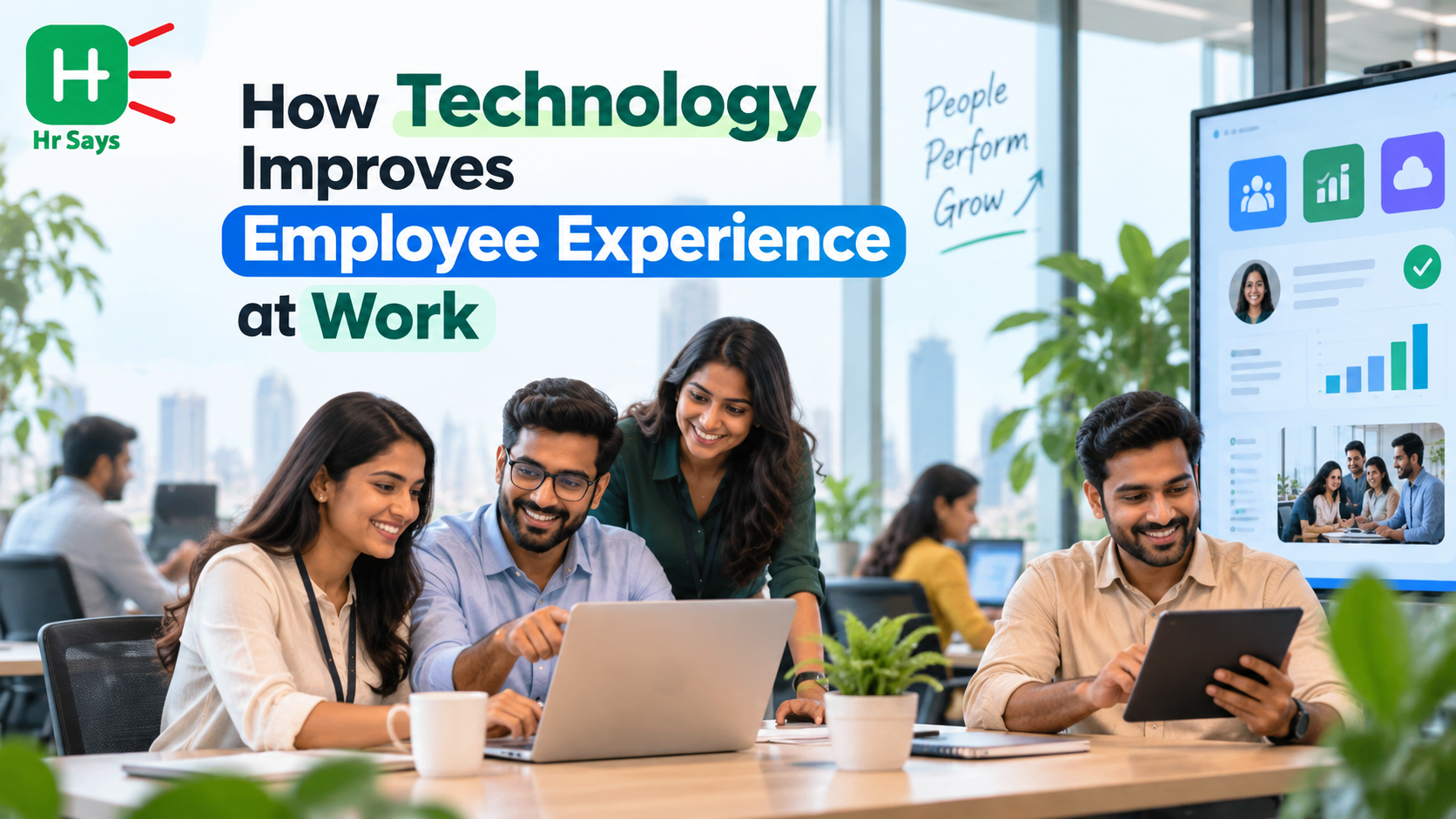
Have you ever wondered why some places of work are motivating, and other ones are setting you back to sleep? Employee experience is a concept that most times cannot be seen, but it determines retention, productivity and culture in a manner that cannot be fully explained by numbers.
Understanding What You’re Really Measuring
It is always good to stop and get a clear understanding of what employee experience actually entails before entering the tools and surveys. It does not just depend on job satisfaction or job engagement scores. It encompasses all the interactions of an employee to the organization including on boarding and exit.
This experience is to be measured after going beyond the superficial information. A good design strategy attracts feelings, anticipations and everyday frustrations. Companies that are only interested in performance indicators tend to overlook the certain signs and symptoms of dissatisfaction or lack of engagement.
This section explores how to build a mindset that values depth over convenience. Because what you choose to measure will shape what you end up improving.
Moving Beyond Surveys to Real Insights
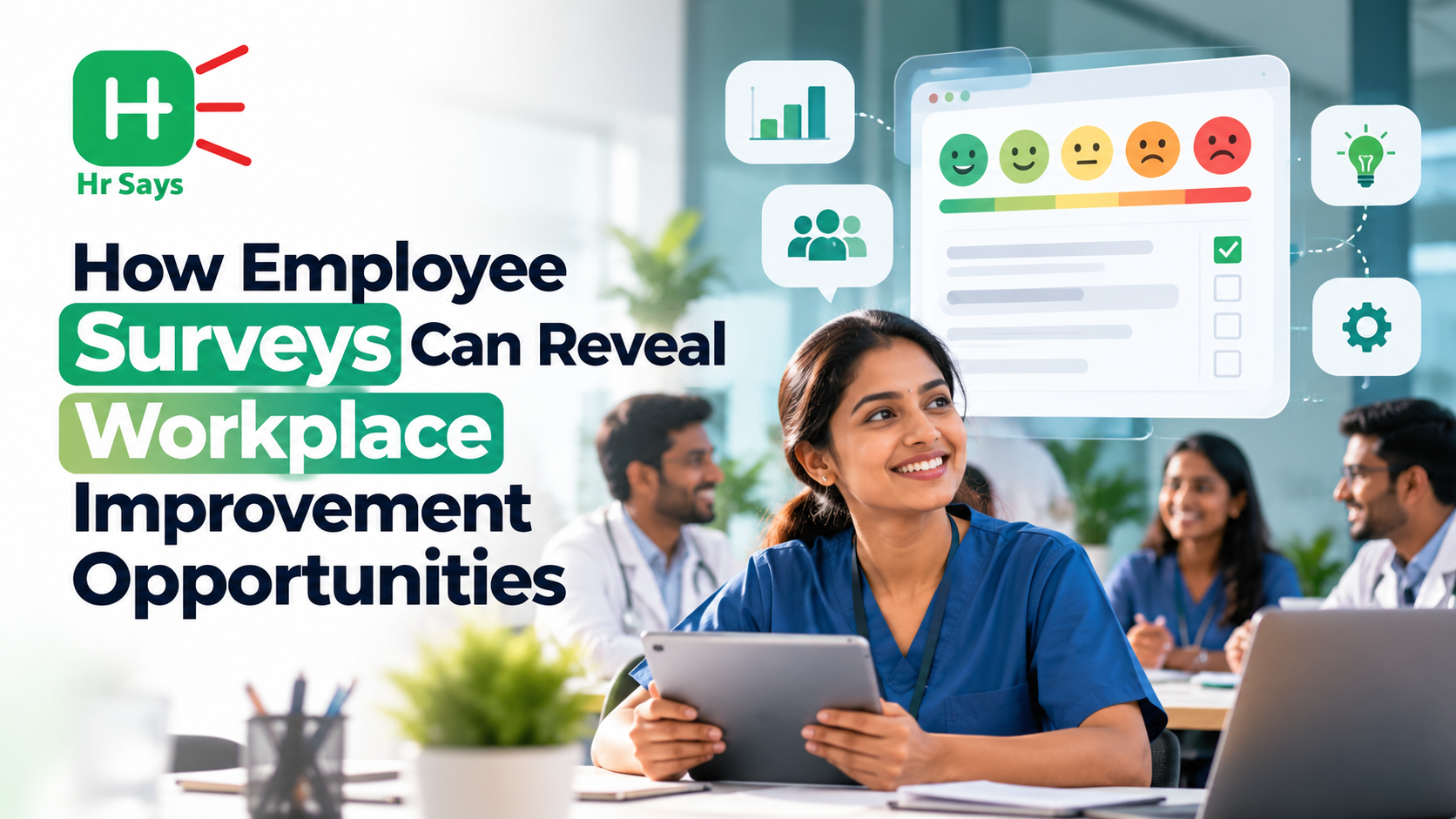
Surveys are useful, but they rarely tell the full story on their own. Employees may respond quickly, skip questions, or hesitate to be fully honest. That is where layered measurement becomes important.
To make insights more reliable, organizations should combine multiple methods:
Practical Ways to Measure Experience- Pulse surveys for quick, regular feedback
- One-on-one conversations that allow honest expression
- Exit interviews that reveal patterns often ignored
- Anonymous feedback channels for sensitive concerns
Each method captures a different dimension of employee experience. When combined, they create a more complete and realistic picture.
The key is consistency. Measuring once or twice a year will not capture evolving sentiments. Experience changes with leadership decisions, workload shifts, and even small policy updates.
Identifying Moments That Matter Most
Not every interaction carries equal weight. Some moments define how employees feel about the organization more than others. These are often called critical touchpoints.
Think about the first week of onboarding, performance reviews, internal transfers, or even how conflicts are handled. These moments leave lasting impressions and influence long-term engagement.
Focusing measurement efforts on these key stages helps organizations act with clarity. Instead of trying to fix everything at once, they can prioritize areas that truly impact employee perception.
When employees feel heard during these moments, trust begins to build naturally. And trust, once built, reflects in both performance and loyalty.
Turning Feedback into Meaningful Action
Collecting data is the easy part. Acting on it is where most organizations struggle. Employees quickly lose interest if their feedback leads nowhere.
To close this gap, leaders must communicate clearly about what is being done with the insights collected. Even small improvements, when shared transparently, create a sense of progress.
It also helps to involve employees in the solution process. When people contribute ideas, they feel ownership over the changes. This turns feedback into collaboration rather than criticism.
Over time, this approach shifts the culture from reactive to responsive.
Conclusion
Measuring employee experience is not about collecting more data. It is about understanding people more deeply and acting with intention. When done right, it quietly transforms how work feels every day.