 Thursday, October 01, 2026

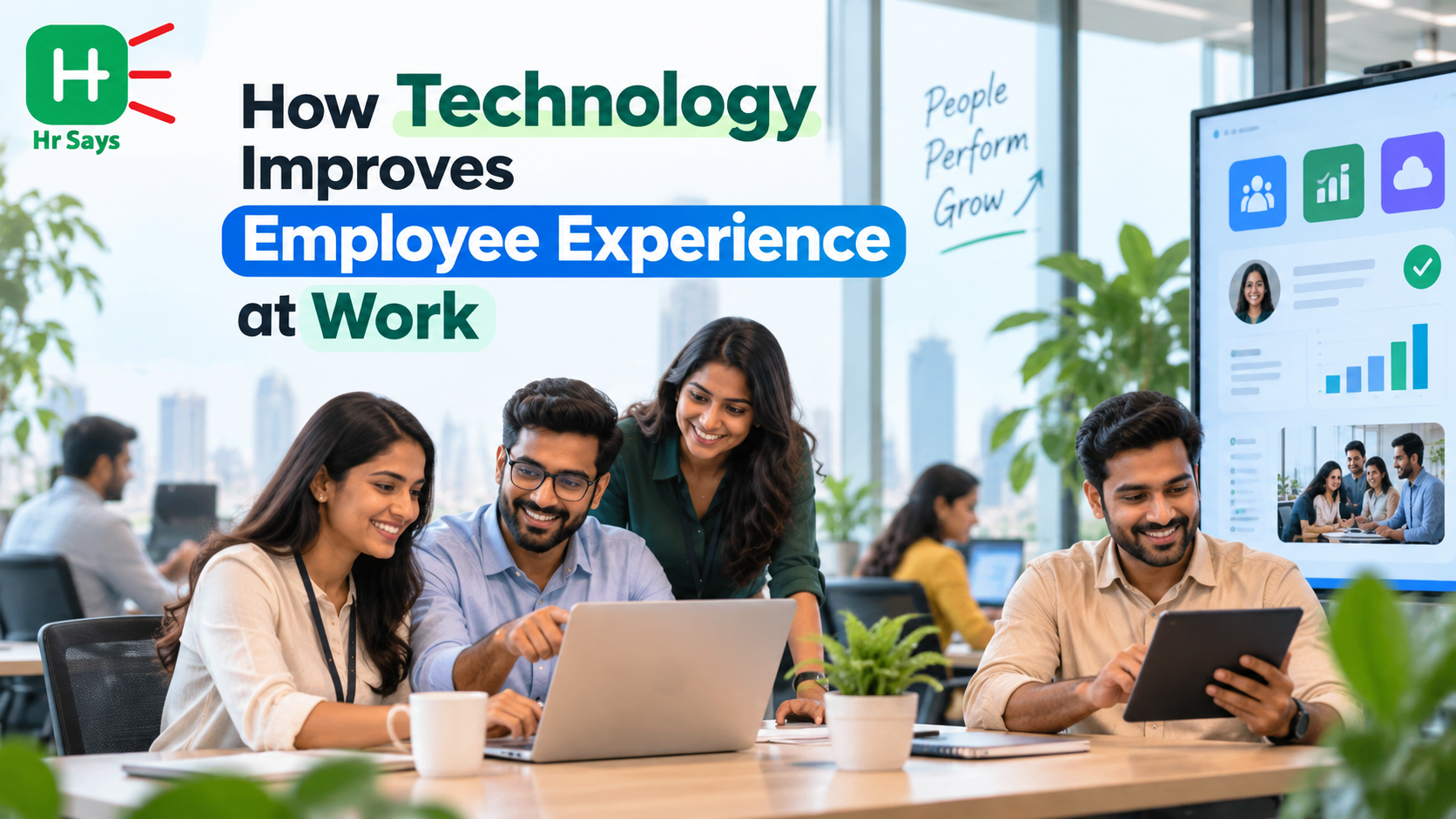
 Technology shapes employee experience through communication, workflows, and learning. When applied thoughtfully, it improves efficiency and clarity. When overused, it creates noise and pressure. The focus should remain on simplifying work, not complicating it.




Is it some easier work or merely more digital? The solution usually lies between the two. Adding tools, updating the systems does not always make the experience better. This blog examines the insidious nature of technology in changing the employee experience and, in some cases, benefiting it, and in others, crushing it underfoot.
Where Technology Steps In
Almost all tasks have been integrated with technology. Communication is faster. Processes are tracked. Work is visible. However, convenience is not necessarily comfortable. Once the tools are introduced unnecessarily, more confusion is created. With proper application of it, the amount of effort is minimized.
It is not regarding the possession of more tools. It is concerning having the right ones, the right way.
The Everyday Impact
The role of technology is often felt in routine moments rather than major changes.
Communication and CollaborationWork conversations have shifted to digital platforms. Messages are instant. Meetings are virtual. Everything is accessible. Yet, clarity can still be missed.
When communication tools are used thoughtfully, collaboration improves. Teams stay aligned. Work moves smoothly. But when overused, noise increases. Important messages get lost.
Task and Workflow ManagementTracking work has become easier. Tasks are assigned. Deadlines are visible. Progress is monitored.
This creates structure. But too much tracking can feel restrictive. Employees may feel watched rather than supported. Balance becomes important.
Learning and DevelopmentLearning has moved online. Courses are available anytime. Skills can be built continuously.
This flexibility helps. But without guidance, it can feel overwhelming. Too many options can slow decisions. Learning needs direction, not just access.
Where It Starts to Feel Heavy
Technology is meant to simplify. Yet, it can quietly add pressure.
Multiple platforms demand attention. Notifications keep coming. Switching between tools becomes constant. Focus begins to break.
The issue is rarely technology itself. It is how it is introduced and managed. When tools are added without removing older ones, workload increases instead of easing.
Making Technology Work Better
A balanced approach is needed to make technology truly supportive.
Fewer tools can often do more. Systems should be simplified where possible. Employees should be trained not just to use tools, but to use them well.
Feedback should be taken seriously. If something feels unnecessary, it probably is. Adjustments should be made based on real usage, not assumptions.
Technology should assist work, not define it.
Conclusion
Technology’s role in employee experience is growing steadily. It has the potential to improve clarity, speed, and flexibility. But when overused or poorly managed, it creates friction. The impact depends less on the tools and more on how they are used.