 Thursday, October 01, 2026
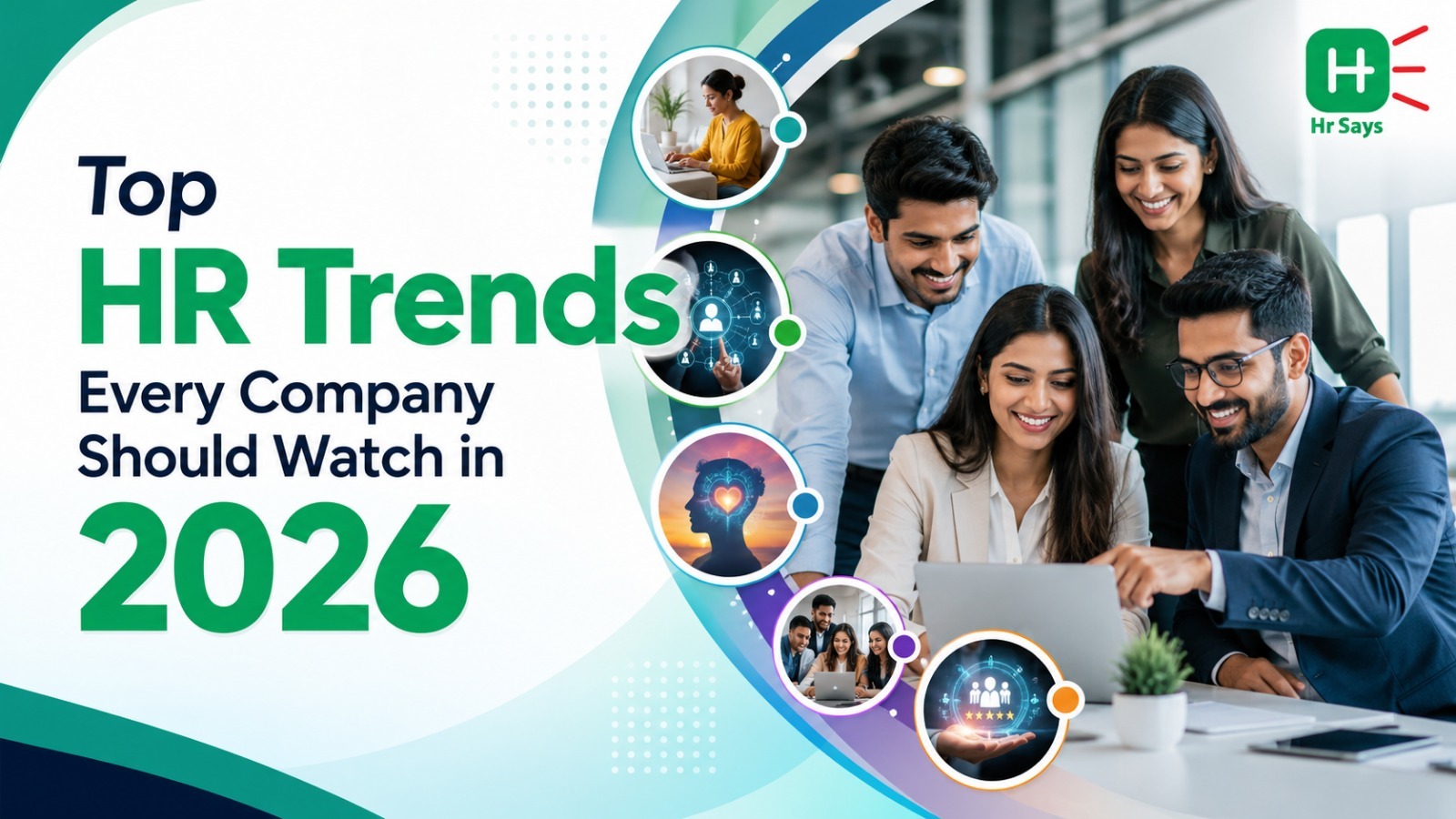
 Modern trends in human resource management are shifting toward digital transformation, employee experience, and smarter workforce planning. Understanding hr technology trends, talent acquisition changes, and human capital strategies helps organizations adapt to the future of work more effectively.




The workplace is changing faster than most organizations expected. New technologies, shifting employee expectations, remote work culture, and economic uncertainty are forcing companies to rethink how they manage people. These evolving hr trends are no longer limited to hiring or payroll systems. They now influence business growth, employee retention, productivity, and long-term organizational stability. Companies that adapt early to the latest hr trends are more likely to build resilient teams and sustainable workplace cultures, while those that delay may struggle with talent gaps, disengagement, and operational inefficiencies.
Why HR Is Becoming a Strategic Business Function Instead of a Support Department
For many years, HR was often viewed as an administrative function focused mainly on hiring, attendance, and compliance. That perception has changed significantly. One of the most important current hr trends is the shift toward strategic HR leadership, where human resource teams directly influence business decisions.
Organizations are realizing that employee performance, workplace culture, and talent retention are deeply connected to company growth. A business may invest heavily in marketing or product development, but if employees feel disconnected or unsupported, productivity eventually suffers. This is why many companies are restructuring HR departments to become more data-driven and business-oriented.
In real-world scenarios, this shift is visible in how HR leaders now participate in operational planning and workforce forecasting. For example, organizations expanding globally often rely on HR teams to understand regional work cultures, hiring challenges, and employee expectations before entering new markets. Similarly, businesses dealing with high turnover are using HR analytics to identify why employees leave and how workplace conditions can improve.
These evolving trends in human resource management also reflect a larger change in employee expectations. Workers increasingly value flexibility, transparency, and career growth. Companies that fail to recognize this often experience declining engagement and difficulty attracting skilled professionals.
HR Digitalization Is Reshaping Everyday Workflows
One of the strongest future hr trends involves the rapid growth of digital HR systems. Modern HR departments are no longer dependent on manual spreadsheets or fragmented processes. Instead, organizations are investing in integrated platforms that streamline hiring, onboarding, payroll, performance management, and employee communication.
This rise in hr digitalization is happening because businesses now manage hybrid teams across different time zones and work environments. Traditional systems are too slow for modern workforce expectations. Employees want faster approvals, digital access to HR support, and transparent communication.
How HR Digitalization Changes Daily Operations- Cloud-based HR systems improve accessibility and reduce delays
Employees can access attendance records, payroll details, and leave systems from anywhere. This becomes especially important for remote or hybrid workforces where teams operate across multiple locations and schedules. - Digital onboarding creates faster employee adaptation
Organizations are using automated onboarding systems that introduce policies, workflows, and team structures digitally. This reduces confusion and helps new employees become productive more quickly. - Integrated communication tools improve transparency
Many businesses now use centralized HR portals where employees can receive updates, access policies, and communicate directly with HR teams without relying on lengthy email chains.
These hr tech trends are not simply about convenience. They also reduce operational bottlenecks and improve employee trust by making workplace systems more transparent and efficient.
AI and Automation Are Redefining HR Decision-Making
The rise of AI-driven systems is one of the most discussed trending hr topics in global business conversations. Companies are increasingly adopting automation tools for recruitment, employee engagement analysis, scheduling, and workforce planning.
However, the impact of automation goes beyond replacing repetitive tasks. AI is changing how HR teams understand employee behavior and organizational performance.
For example, many businesses now use predictive analytics to identify employees at risk of burnout or resignation. Instead of reacting after turnover happens, companies can proactively improve workloads, communication, or growth opportunities.
This shift explains why hr automation trends are becoming central to workforce planning. HR professionals are no longer expected to only process information. They are now expected to interpret workforce patterns and make strategic recommendations.
At the same time, automation introduces challenges. Employees may feel uncomfortable with excessive monitoring or algorithm-based evaluations. Organizations must balance efficiency with transparency and fairness. Companies that rely too heavily on automation without human oversight risk damaging trust within teams.
The future of human resource management will likely depend on how organizations combine technology with emotional intelligence. Businesses that successfully integrate both are expected to create healthier and more productive work environments.
The Employee Experience Is Becoming a Competitive Advantage
One of the most influential human resources trends in 2026 is the growing focus on employee experience. Businesses are beginning to understand that workplace satisfaction directly affects retention, innovation, and productivity.
This shift became more noticeable after remote and hybrid work models changed how employees view work-life balance. Many professionals no longer prioritize salary alone. They also evaluate flexibility, mental well-being, leadership transparency, and growth opportunities.
Organizations responding to these changes are redesigning workplace policies to create more sustainable work environments. This includes flexible schedules, mental wellness support, learning programs, and personalized career paths.
Why Employee Experience Matters More Than Ever- Burnout affects productivity more than companies previously realized
Employees working under constant pressure often become disengaged even before resigning. Businesses that ignore workload balance may experience reduced creativity and higher turnover rates. - Recognition and growth opportunities improve retention
Employees are more likely to stay with organizations where their contributions are acknowledged and where future growth feels achievable. - Workplace culture influences employer reputation
Job seekers increasingly research company culture before applying. Negative employee experiences can spread quickly through online platforms and affect hiring success.
These current trends in human resource management highlight an important reality. Employee satisfaction is no longer just an HR concern. It has become a business performance issue.
Trends in Talent Acquisition Are Becoming More Skills-Focused
Recruitment strategies are also changing significantly. One of the major trends in talent acquisition is the shift away from traditional hiring criteria toward skills-based recruitment.
Many companies are discovering that degrees and years of experience do not always predict performance accurately. As industries evolve rapidly, practical skills and adaptability are becoming more valuable than static qualifications.
This change is especially visible in technology, marketing, design, and operational roles where tools and workflows evolve continuously. Employers increasingly prioritize candidates who can learn quickly and adapt to changing environments.
Businesses are also using AI-driven hiring platforms to improve recruitment efficiency. However, organizations must remain careful about algorithm bias and over-filtering candidates.
Another important trend involves employer branding. Candidates today evaluate organizations as much as organizations evaluate candidates. Transparent communication, workplace flexibility, and ethical leadership significantly influence hiring outcomes.
The latest hr trends in recruitment show that hiring is becoming more relationship-driven and less transactional. Companies that create positive candidate experiences are more likely to attract stronger talent pools.
Human Capital Management Is Expanding Beyond Performance Reviews
Traditional performance reviews are gradually becoming outdated. One of the evolving trends in human capital management involves continuous performance feedback instead of annual evaluations.
Employees increasingly expect regular communication, coaching, and skill development. Businesses are realizing that waiting an entire year to discuss performance creates disconnect and reduces improvement opportunities.
Modern human capital strategies now focus on long-term employee growth rather than short-term productivity metrics. This includes mentorship programs, personalized learning plans, and internal mobility opportunities.
Organizations are also recognizing that employee development improves retention. Workers who feel stagnant often seek opportunities elsewhere, even when salaries are competitive.
This shift reflects broader future hr trends where businesses invest in workforce sustainability rather than simply managing output.
HR Leadership Will Need Stronger Adaptability in 2026
Perhaps the most important reality behind all these hr trends is unpredictability. Economic conditions, technology, workforce expectations, and global business environments continue to evolve rapidly.
HR leaders are now expected to manage organizational change while maintaining stability and employee trust. This requires adaptability, communication skills, and strategic thinking.
Businesses that succeed in 2026 are unlikely to be those with the most aggressive policies. Instead, they will be organizations capable of balancing technology, employee well-being, and operational efficiency in a sustainable way.
Conclusion
The workplace is entering a period where adaptability matters more than rigid systems. The most important hr trends of 2026 reflect a broader transformation in how organizations manage people, culture, and technology. From AI-driven systems and hr digitalization to employee experience and skills-based hiring, these changes are shaping the future of human resource management in practical and lasting ways.
Companies that understand these latest hr trends early will be better prepared to build resilient teams, improve retention, and create healthier workplace environments. HR is no longer just about managing employees. It is becoming one of the most influential drivers of organizational growth and long-term stability.
Frequently Asked Questions (FAQs)
1. Why are HR trends changing so rapidly in 2026?Modern hr trends are changing quickly because workplaces are becoming more digital, global, and employee-focused. Businesses now rely heavily on technology, flexible work models, and workforce analytics to improve operations. These changes are also shaping the future of human resource management, where adaptability and employee experience are becoming central priorities.
2. How is HR digitalization improving workplace efficiency?Hr digitalization improves efficiency by reducing manual processes and centralizing employee operations through digital platforms. Tasks like onboarding, attendance, payroll, and communication become faster and more transparent. These evolving hr technology trends help organizations reduce delays and improve employee satisfaction.
3. What are the most important trends in talent acquisition today?The biggest trends in talent acquisition focus on skills-based hiring, employer branding, and candidate experience. Companies are moving beyond traditional qualifications and prioritizing adaptability and practical skills. This shift reflects broader human resources trends where organizations value long-term workforce potential over static credentials.
4. Why is employee experience becoming important in HR management?Employee experience directly affects productivity, retention, and workplace culture. One of the major current hr trends is creating environments where employees feel supported and valued. Businesses now understand that positive workplace experiences improve both performance and organizational stability.
5. How are AI and automation influencing HR operations?AI tools are transforming hiring, performance tracking, and workforce planning through predictive analytics and automation. These evolving hr automation trends help organizations process information more efficiently while improving decision-making. However, businesses must balance automation with human oversight to maintain trust and fairness.
6. What challenges come with implementing new HR technologies?Adopting modern HR systems often creates challenges such as employee resistance, training requirements, and data privacy concerns. Many organizations struggle to integrate new tools into existing workflows. These concerns are becoming a major discussion point within trending hr topics globally.
7. How do HR tech trends affect remote and hybrid workplaces?Modern hr tech trends support remote and hybrid teams by improving communication, digital onboarding, and performance management. Cloud-based systems allow employees to access HR services from different locations, helping organizations maintain consistency across distributed workforces.
8. Why is human capital management evolving beyond annual reviews?Organizations are moving toward continuous feedback because yearly evaluations often fail to support real-time improvement. Emerging trends in human capital management focus more on coaching, development, and employee growth rather than static yearly assessments. This creates more engaged and adaptable teams.
9. What skills will HR professionals need in the future?The future of human resource management will require HR professionals to combine technology understanding with communication and strategic thinking. Skills in workforce analytics, employee engagement, and change management are becoming increasingly important as organizations continue adapting to modern workforce expectations.
10. How can companies adapt to the latest HR trends successfully?Businesses can adapt to the latest hr trends by investing in employee development, adopting practical digital tools, and improving workplace flexibility. Organizations that focus on communication, workforce well-being, and long-term planning are more likely to build sustainable and resilient workplace cultures.