 Saturday, September 26, 2026
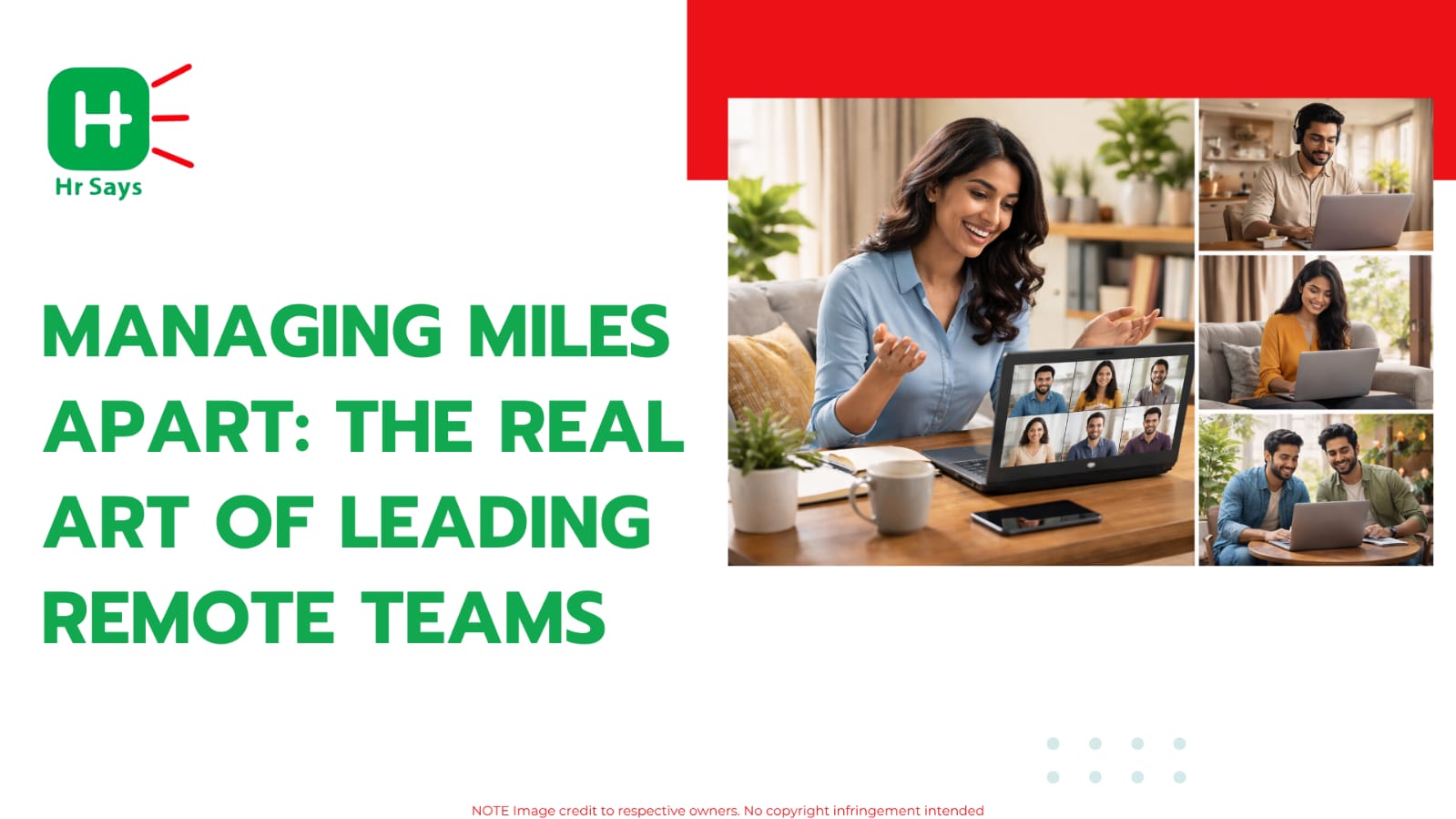
 Leading remote teams requires trust, clear communication, and balanced accountability. Success comes from focusing on outcomes, building connection intentionally, and creating structures that support both flexibility and consistent performance.




What do you do when your team is no longer in the same room, time zone, or even beat? Remote team leadership is not merely a tool matter or a meeting matter. It is concerning restoring confidence, transparency, and contact in a venue where calmness may be effortlessly misinterpreted.
Building Trust Without Physical Presence
Making the moves on the outside starts with a single fundamental change. Visibility is an inadvisable thing to be counted on, but trust is. This implies paying less attention to working hours and much attention to performance. Feeling trusted, people will become owning people. When they are watched they back out.
Consistency plays a quiet but powerful role here. Regular check-ins, clear expectations, and predictable communication patterns help reduce uncertainty. A remote employee often questions whether they are doing enough. Your role is to remove that doubt without micromanaging.
Communication That Actually Connects
Remote work often creates the illusion of communication. Messages are sent, meetings are scheduled, but clarity is still missing. Effective leaders learn to communicate with intention, not frequency.
Start by choosing the right medium for the right message. Not everything needs a meeting, and not everything should be a quick text. Balance becomes essential.
What strong communication looks like:- Clear goals stated upfront, not halfway through a task
- Feedback that is timely and specific, not delayed or vague
- Space for team members to speak, not just listen
- Written clarity that avoids confusion across time zones
When communication improves, alignment follows naturally. And with alignment, teams move faster without feeling rushed.
Keeping Engagement Alive From Afar
One of the biggest challenges in remote teams is emotional distance. Work gets done, but connection fades. Over time, this affects motivation and creativity.
Leaders need to create moments that are not purely transactional. This does not mean forced fun or constant calls. It means recognizing effort, celebrating small wins, and allowing informal conversations to exist.
A simple check-in that is not about deadlines can shift the tone of an entire week. When people feel seen, they contribute more than just their tasks.
Balancing Flexibility With Accountability
Remote work offers flexibility, but without structure, it can drift into chaos. The key is not to control time but to define outcomes clearly.
Set expectations around deliverables, timelines, and ownership. Then allow individuals to manage their schedules. This balance builds both independence and responsibility.
At the same time, accountability should feel fair, not rigid. If someone struggles, the response should be support first, not immediate judgment.
Conclusion
Leading distributed teams is less about control and more about clarity, trust, and presence in new forms. When done right, distance does not weaken teams. It reshapes them into more thoughtful, self-driven units that thrive beyond boundaries.