Thursday, September 24, 2026
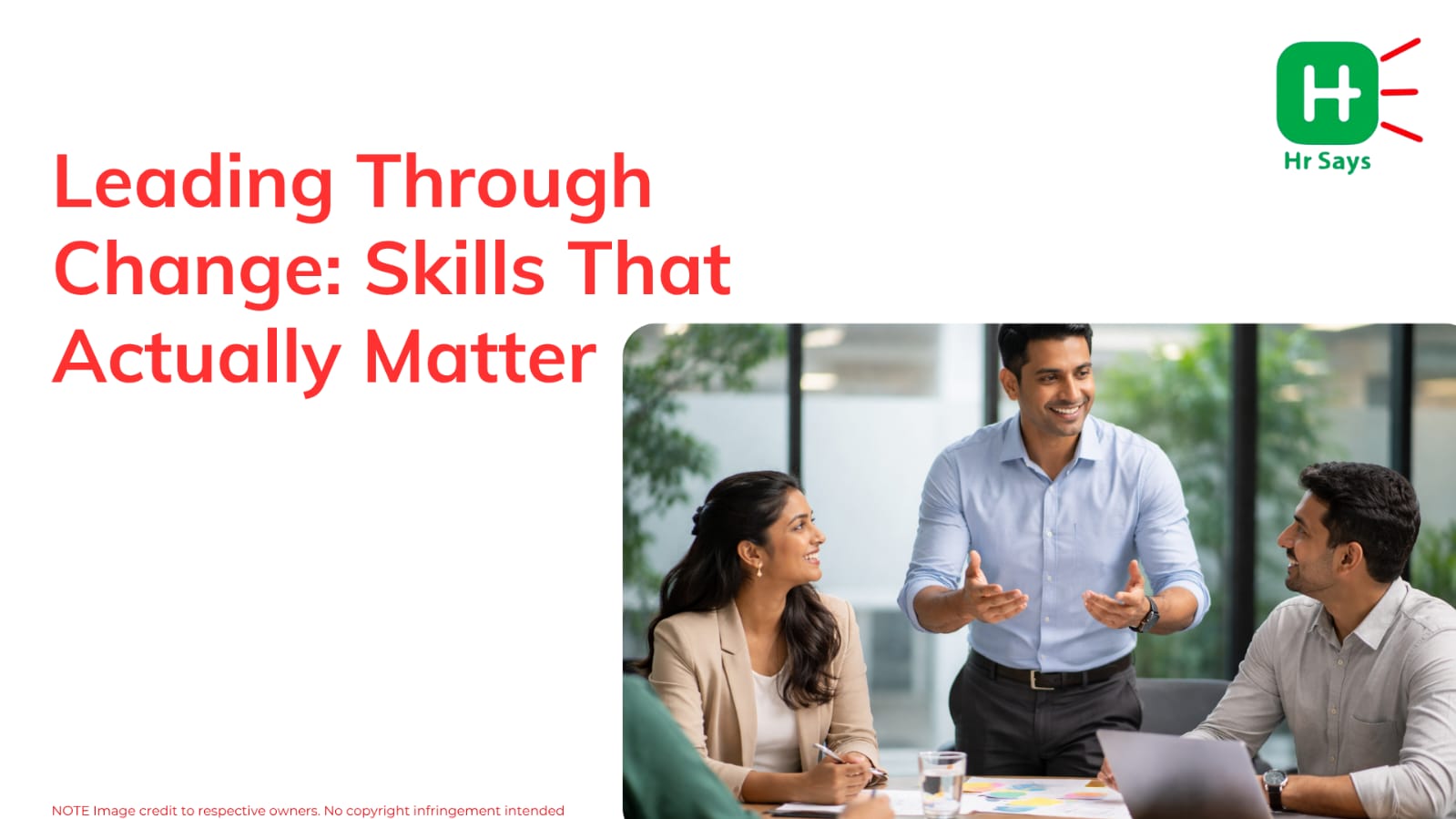
 Leadership in changing workplaces demands adaptability, emotional intelligence, and clear communication. By building supportive cultures and staying grounded, leaders can guide teams effectively through uncertainty while maintaining trust and direction.




Ever felt the place of work constantly changing at a time when you think you have it figured out? New tools, mixed teams, shifting demands cause leadership to lose its control but instead of control it becomes one of continual readjustment. Whether change will occur is not the question it is how effectively the leaders can act when change takes place.
Understanding Leadership in Today’s Workplace
The contemporary leadership is no longer an issue of authority. It is of consciousness, elastically, and how to make people find their way through uncertainty without getting lost. Current day leaders have a role that requires them to strike balance between performance and empathy, strategy and flexibility.
Employees desire some form of clarity in a changing workplace, but they also want to be assured. An excellent leader has an insight into the fact that uncertainty has the ability to silently impact motivation. They bring about stability by communicating and being consistent instead of enforcing it. This reversal of command to connection is what is characterizing good leadership today.
Core Skills That Make a Difference
To lead well in evolving environments, certain skills stand out. These are not just traits but practices that leaders build over time through awareness and effort.
Adaptability and Learning AgilityLeaders must stay open to change, even when it disrupts familiar systems. Adaptability is not about reacting quickly, but about thinking clearly in unfamiliar situations. Those who keep learning can guide others with more confidence and less resistance.
Emotional IntelligenceUnderstanding people has become just as important as understanding processes. Leaders who listen, observe, and respond thoughtfully build trust within their teams. This trust becomes essential during transitions when uncertainty is high.
Clear CommunicationClarity reduces confusion. In changing workplaces, even small gaps in communication can create larger problems. Leaders who explain decisions, set expectations, and invite feedback create a more stable work environment.
Building a Culture That Supports Change
Leadership is not limited to individual behavior. It shapes the environment people work in. A leader who encourages openness and accountability creates a space where change feels manageable rather than overwhelming.
Simple practices can help strengthen this culture:
- Encourage questions instead of avoiding them
- Recognize effort, not just results
- Allow room for mistakes without fear
These actions may seem small, but they influence how teams respond to challenges over time.
Staying Grounded While Moving Forward
It is easy to focus only on change and forget the importance of stability. Strong leaders know when to move fast and when to pause. They balance progress with reflection, ensuring that decisions are not rushed or disconnected from team needs.
Leadership in a changing workplace is not about having all the answers. It is about asking the right questions and staying present through the process. This grounded approach often creates more lasting impact than quick fixes.
Conclusion
Leadership today requires more than direction. It calls for awareness, patience, and the ability to adapt without losing focus. As workplaces continue to evolve, leaders who stay connected to their teams and open to learning will stand stronger. Change may be constant, but thoughtful leadership makes it manageable.