 Sunday, September 20, 2026
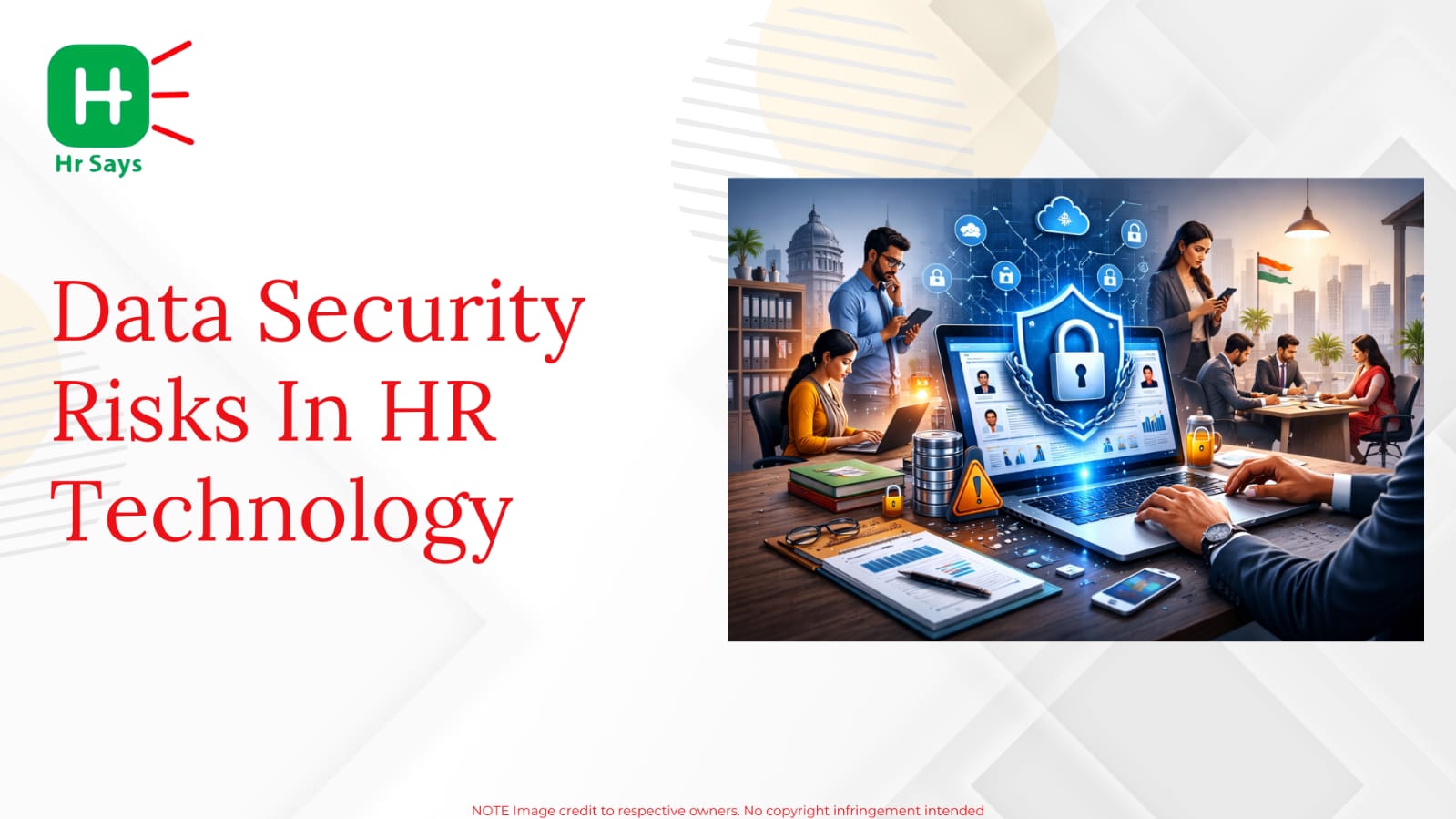
 HR technology improves efficiency but increases data exposure. Risks arise from internal errors and external threats. With better access control, training, and security practices, organizations can reduce vulnerabilities and protect sensitive employee information effectively.




Much of the HR today exists within software. The information on employees, salaries, and performance is stored, exchanged and analyzed using digital formats. This has enhanced efficiency but has at the same time, made it the silent one exposing them to risks that are usually underestimated until they get something wrong.
Why Data Security In HR Technology Feels More Critical Than Ever
Storing the names of the employees and their pay is no longer an issue. The HR tech platforms are being used daily to handle sensitive data like Aadhaar numbers, bank information, medical records and performance feedback, among others. The concentration of information has made the HR systems an easy target.
The situation is made more complicated by the fact that several tools are also used simultaneously. There is integration of payroll software, recruitment sites, attendance government systems and employee engagement programs. Any connection adds a possible vulnerability point of breaches.
The shift to remote and hybrid work has also played a role. Access is being granted from personal devices, unsecured networks, and different locations. While flexibility has improved, control has been diluted.
Common concerns that are often overlooked include:
- Weak password practices across teams
- Unsecured third party integrations
- Lack of regular system audits
- Limited awareness among HR professionals
It is often assumed that technology providers handle all security aspects. In reality, responsibility is shared. A small oversight can lead to serious consequences, including legal penalties and loss of employee trust.
Where Most Data Security Risks Actually Come From
Interestingly, not all threats are external. Many risks originate from within the organization itself. Human error continues to be one of the biggest vulnerabilities in HR technology systems.
Internal Risks That Are Frequently IgnoredEmployees with access to HR systems may unintentionally expose data. Files might be shared incorrectly, access permissions may not be updated, or sensitive documents may be downloaded onto personal devices.
Key internal risks include:
- Improper access control and role management
- Data being shared over unsecured channels
- Lack of employee training on cybersecurity practices
- Former employees retaining system access
These issues are not always visible immediately, which makes them more dangerous over time.
External Threats That Are Constantly EvolvingCyberattacks are becoming more targeted. HR databases are valuable because they contain identity and financial data in one place.
Common external risks include:
- Phishing attacks targeting HR teams
- Malware embedded in recruitment emails
- Data breaches through vulnerable cloud systems
- Ransomware attacks on HR software
It is often observed that attackers focus on the weakest link rather than the most secure system.
Practical Ways To Reduce HR Data Security Risks
While risks cannot be eliminated entirely, they can be managed with consistent effort and awareness. A proactive approach is usually more effective than a reactive one.
Simple Yet Effective Measures- Strong password policies should be enforced
- Multi factor authentication should be enabled
- Regular audits and security checks should be conducted
- Employee access should be reviewed periodically
Technology alone is not enough. People must be prepared to use it responsibly. Regular training sessions can help in identifying suspicious activities and avoiding common mistakes.
It is also useful to create clear protocols for data handling. When employees know what is expected, errors are reduced significantly.
Conclusion
Data security in HR technology is often treated as a technical issue, but it is equally a human one. Systems can be secured, but awareness must be built continuously. A balanced approach helps in protecting both data and trust.