 Thursday, October 01, 2026
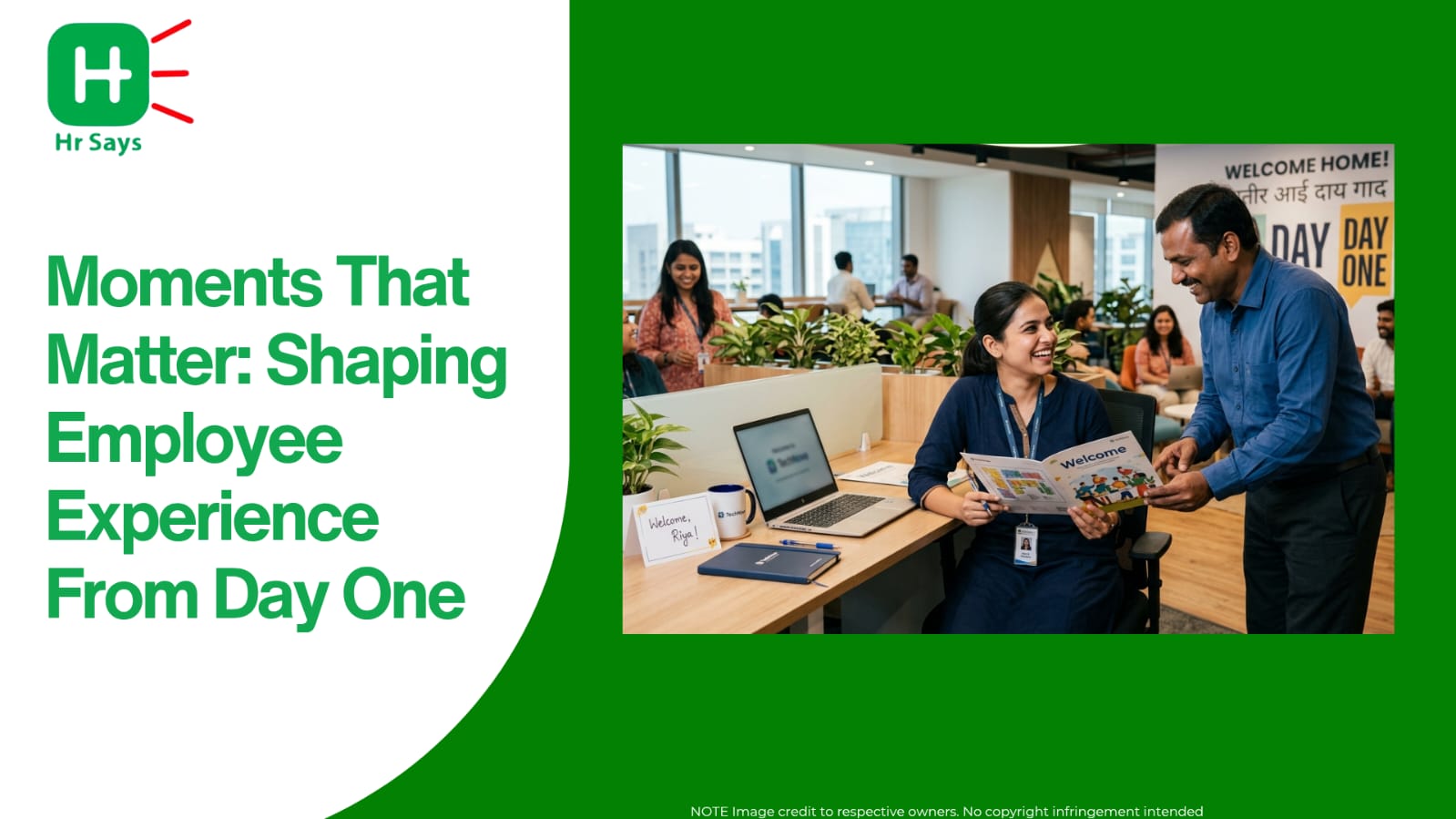
 Employee experience is shaped by key moments like onboarding, daily interactions, growth opportunities, challenges, and exits. Each stage influences perception, engagement, and retention through consistent, meaningful workplace experiences.




What actually constitutes the attitude of the employees in workplace? It is hardly the grand events or annual gatherings. Rather it is a sequence of tiny, repeated things which subtly establish perception, trust, and belonging in the long-run.
Where It All Begins
People get to remember the first impression longer than anticipated. Since the time of the initial email to the initial day, the employees start to develop their opinions of the culture, clarity and care. An onboarding process must be done in a hurry, which may lead to confusion, whereas a careful one creates the feeling of confidence at the very beginning.
This step does not only concern a formal aspect of paperwork or introduction. It sets the emotional tone. Employees fluoresce quicker when anticipations are evident and expectations are actual. There comes suspicion when the world is in a mess. The experience in this case forms the foundation to everything that will come.
Everyday Interactions That Build or Break
What happens in daily work matters more than occasional celebrations. Simple interactions with managers and peers shape how valued someone feels. Feedback, tone, and responsiveness slowly define the environment.
Employees notice patterns. A delayed response may seem small once, but repeated silence feels like indifference. On the other hand, consistent communication builds trust without effort.
Subtle Yet Powerful Moments- A manager acknowledging effort during a busy week
- A colleague offering help without being asked
- Clear communication during uncertainty
These moments may seem ordinary, but they carry emotional weight. Over time, they influence engagement more than formal initiatives.
Growth, Recognition, and Turning Points
There comes a point when employees start asking deeper questions. Am I growing? Does my work matter? These turning points often decide whether someone stays or begins to disconnect.
Recognition plays a key role here. Not just rewards, but genuine acknowledgment. Growth opportunities also matter, but only when they feel accessible and fair. When employees see a path forward, they invest more of themselves.
When these elements are missing, motivation slowly fades. It is rarely sudden. It happens in quiet phases, where effort no longer feels noticed or meaningful.
Challenging Phases and How They Are Handled
Every workplace faces pressure. Deadlines tighten, priorities shift, and uncertainty appears. What stands out is not the challenge itself, but how it is handled.
Leaders who communicate openly during difficult times build credibility. Employees do not expect perfection, but they do expect honesty. Silence during challenges often creates more anxiety than the situation itself.
Support during these phases leaves a lasting impression. It tells employees whether they are seen as contributors or just resources.
The Final Impression That Stays
The last phase of an employee’s journey is often overlooked. Yet, it reflects everything that came before. Exit experiences, conversations, and transitions reveal the true culture of an organization.
A respectful and thoughtful exit process leaves the door open. It also strengthens the employer brand quietly. Former employees carry stories, and those stories shape future perceptions.
Conclusion
Employee experience is not built in a single moment. It grows through a series of interactions, decisions, and emotions. Each phase adds a layer. When handled thoughtfully, these moments create connection, trust, and long-term engagement.