Monday, September 21, 2026
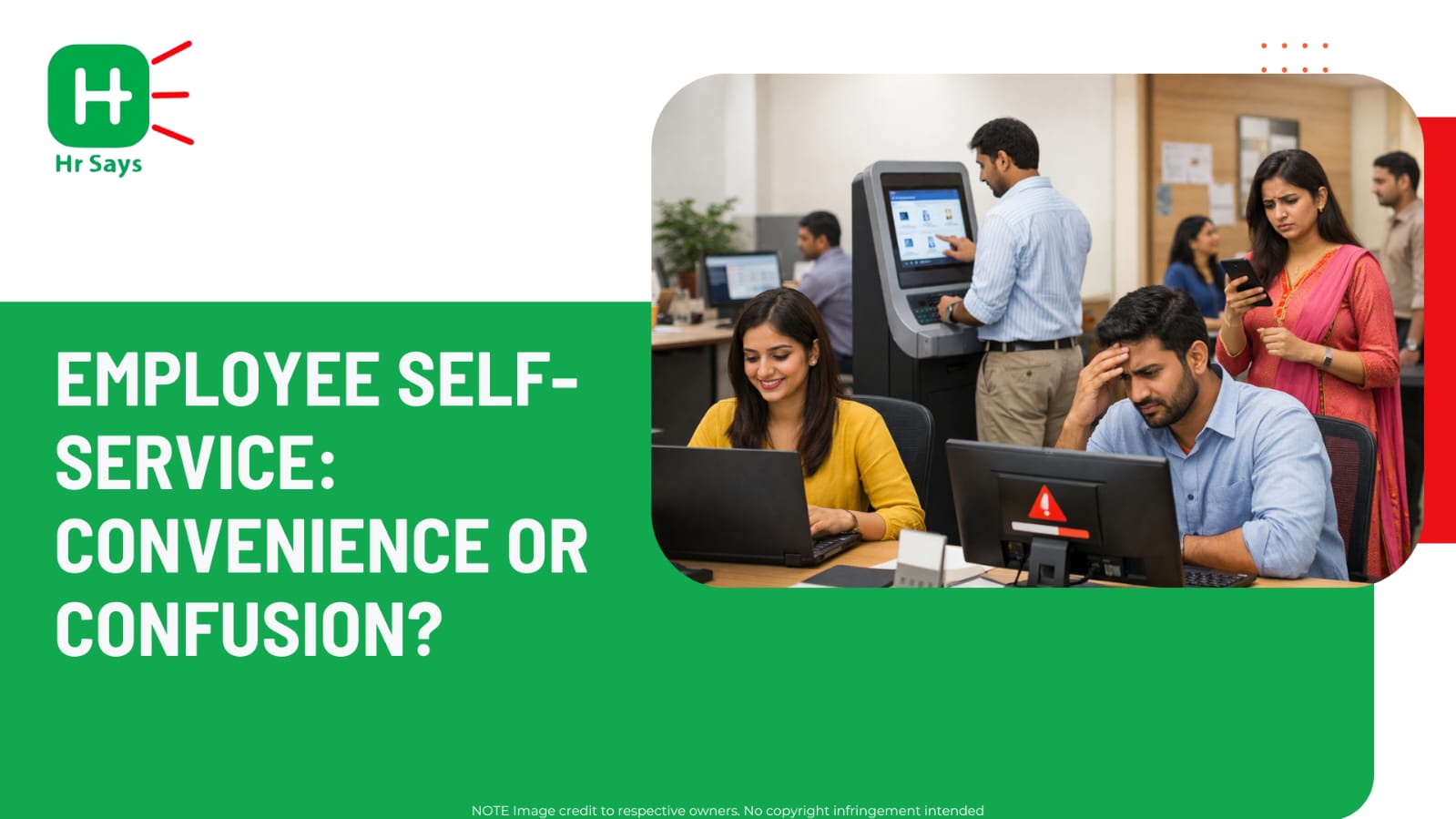
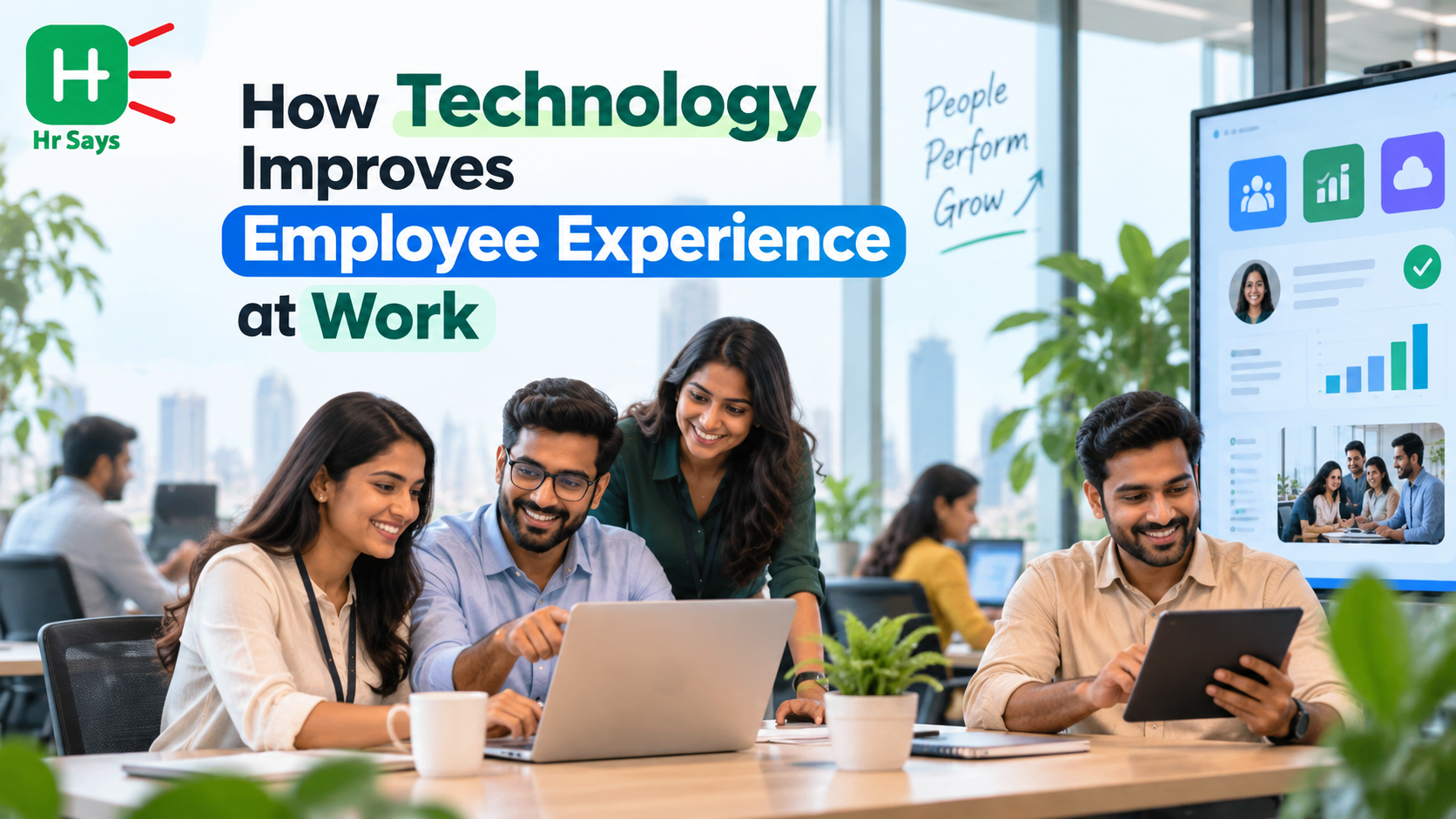
 Employee self-service systems offer efficiency and control but may introduce usability challenges. A balanced approach with proper support, training, and design is essential to ensure these tools enhance, rather than complicate, the employee experience.




This is a silent shift that has been occurring at workplaces. The HR desks are now being done by the employee self-service portals. Personal data updates and leave requests, as well as payslips are accessed within seconds. There is a question under this convenience, however. Is efficiency really on the rise or is a new form of complication being brought on board?
The Rise of Employee Self-Service in Modern Workplaces
Digital transformation in HR has seen the extensive adoption of the use of the employee self-service systems. Chores that HR teams used to do are being handed over to the employees. This transformation is commonly put in place as empowerment. Control is handed over. Time is saved. Processes are streamlined.
It is generally noted that companies stand to gain in terms of lower workload of manual nature. HR professionals can concentrate on the strategic related tasks instead of on the repetitive questions. On the other hand, employees are provided with real time access to their personal information.
Several features are typically included in these platforms:
- Payroll access and payslip downloads
- Leave management and approvals
- Personal data updates
- Attendance tracking
- Benefits enrollment
From a business perspective, cost efficiency is achieved. Fewer resources are required to manage high volumes of employee requests. In fast-growing companies, this becomes particularly valuable.
However, while convenience is being highlighted, the experience is not always seamless. For many employees, especially those unfamiliar with HR tech tools, the shift can feel overwhelming. What is designed to simplify can sometimes complicate.
Where Convenience Turns Into Confusion
The expectation is clear. Employees are supposed to navigate systems independently. Yet, not every user finds these platforms intuitive. Interfaces may appear simple, but processes can still feel unclear.
A few common friction points are often noticed:
- Multiple steps for simple actions
- Lack of proper onboarding or guidance
- Technical glitches or slow systems
- Difficulty in understanding HR policies within the platform
It is also seen that responsibility is quietly shifted. Earlier, HR teams ensured accuracy. Now, employees are expected to manage their own data carefully. Mistakes in entries can lead to payroll issues or compliance concerns.
There is also a human aspect that tends to be overlooked. Not every query is transactional. Some concerns require conversation, reassurance, or context. Self-service systems, while efficient, often lack this personal touch.
In some cases, employees may feel hesitant to ask for help, assuming they are expected to figure things out alone. This can lead to silent frustration, even if the tool itself is well-designed.
Striking the Right Balance
The effectiveness of employee self-service depends largely on how it is implemented. Technology alone does not guarantee a better experience. Support systems must be built around it.
A balanced approach is often recommended:
- Clear onboarding and training sessions should be provided
- Simple and intuitive user interfaces must be prioritized
- HR support should remain accessible for complex queries
- Regular feedback should be collected from employees
When these elements are combined, self-service can function as intended. It becomes a support tool rather than a replacement for human interaction.
Organizations that succeed in this balance are usually the ones that treat technology as an enabler, not a substitute.
Conclusion
Employee self-service is neither purely convenient nor entirely confusing. Its impact depends on execution. When supported properly, it reduces effort and improves access. When left unstructured, it creates gaps. The real value lies in how thoughtfully it is integrated into everyday work life.