Saturday, October 24, 2026
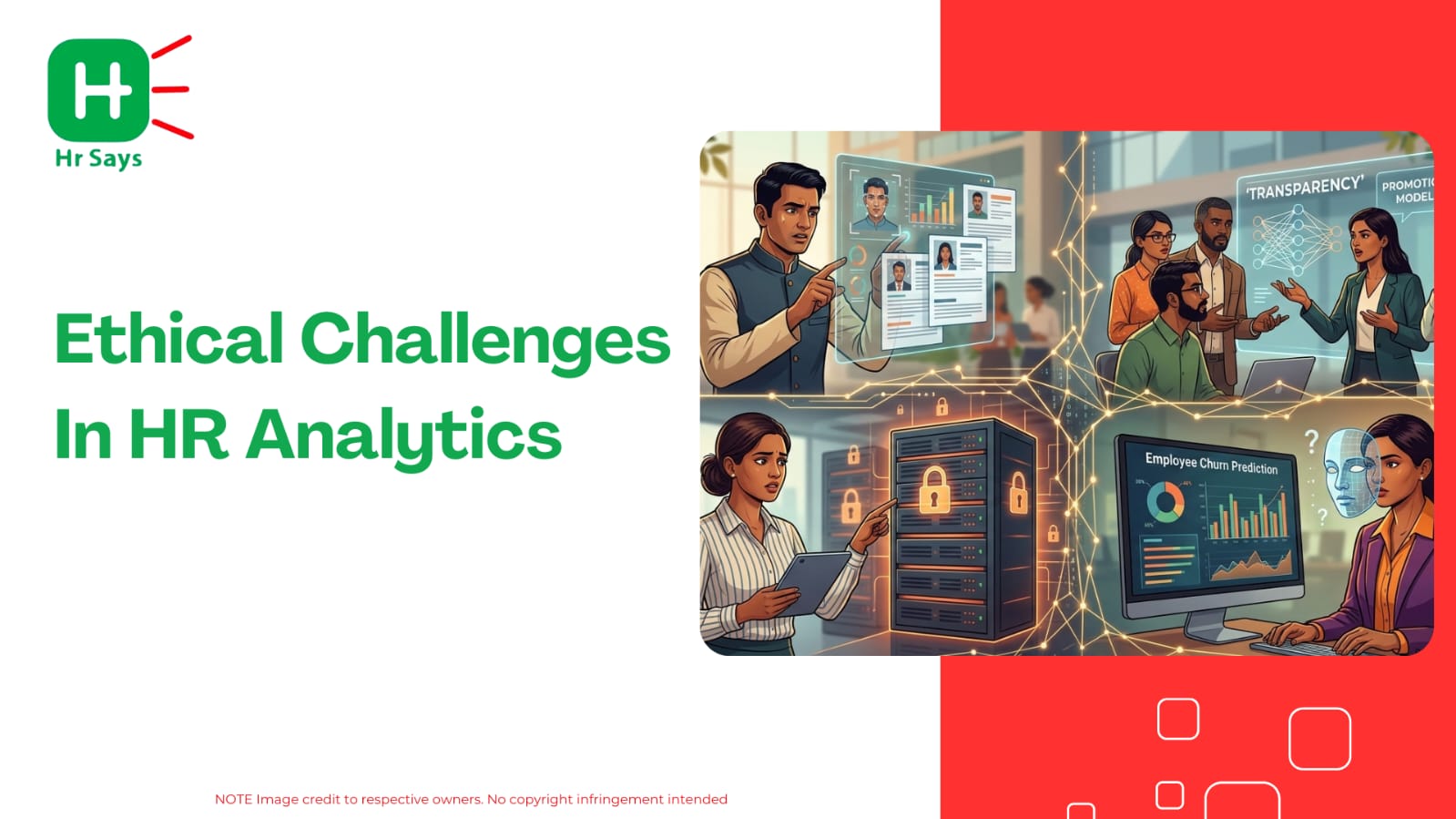
 HR analytics is transforming modern workforce management through data-driven insights. However, ethical concerns such as privacy, algorithmic bias, transparency, and overreliance on metrics require careful attention to ensure that technology strengthens fairness, trust, and responsible decision making in organizations.




An insidious change is occurring in the contemporary work places. Statistics have increasingly informed most of the human resource decision-making, such as recruitment and retention solutions. HR analytics tasks have quick payoffs and bring forth concerning inquiries. Having individuals turned into the data points, ethical responsibility is enhanced. Organisations are being ever more requested to strike a balance between analytics and fairness, privacy and transparency.
The Growing Role Of HR Analytics In Modern Workplaces
In any business, the HR analytics is being utilized to influence the workforce strategies. Employee performance, productivity, engagement, and turnover trends are reviewed and the decisions previously relied on intuition are now guided by evidence. HR management based on data has become a vital aspect of a strategic leadership.
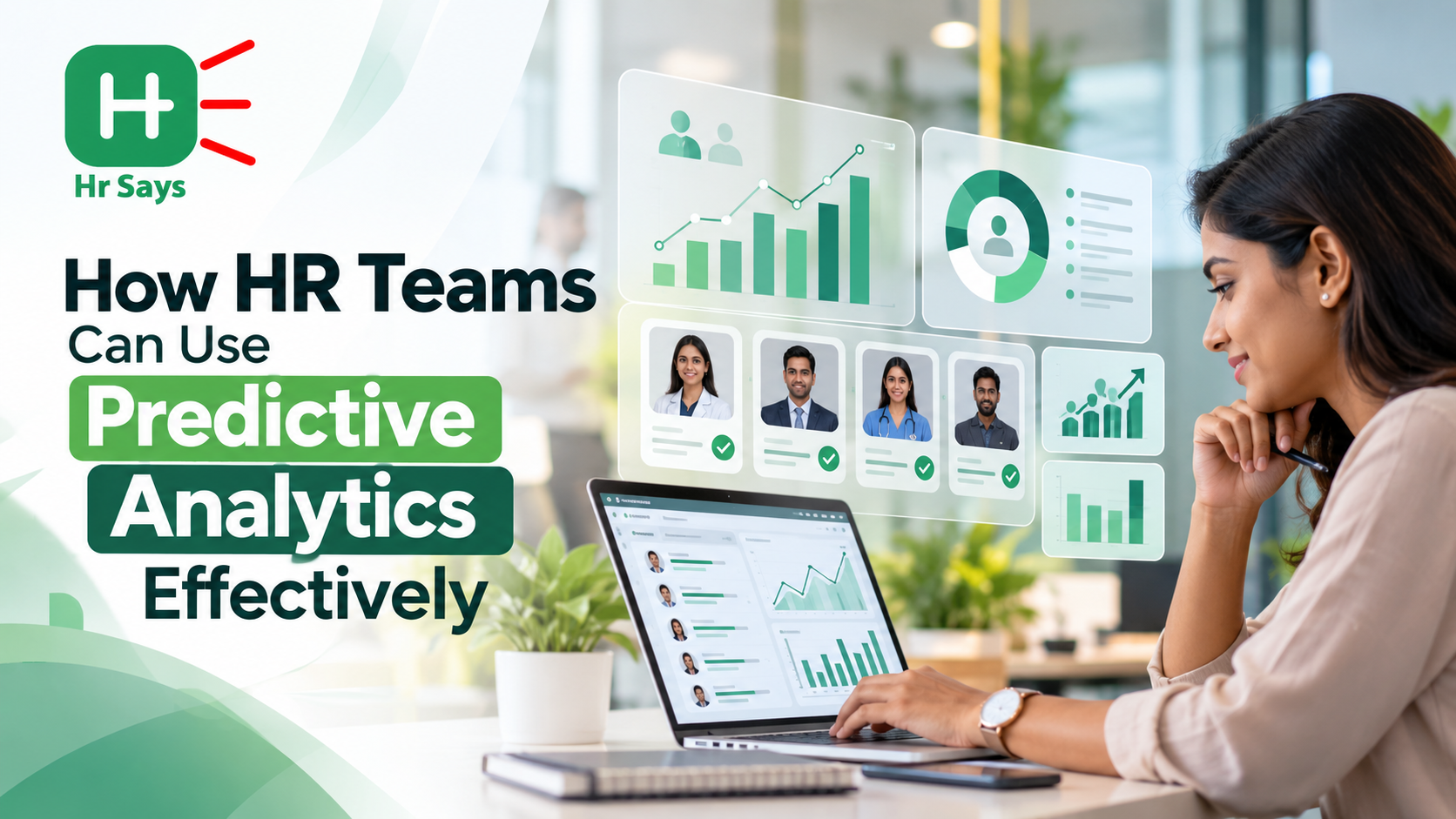
Large datasets are collected from recruitment platforms, employee surveys, productivity tools, and performance management systems. From these datasets, insights are generated about employee behavior and workplace trends. Workforce planning, talent management, and employee retention strategies are increasingly influenced by predictive analytics.
Several advantages are usually associated with this approach.
• Recruitment decisions can be supported by measurable patterns.
• Employee engagement levels can be tracked more accurately.
• Productivity trends can be analyzed across teams.
• Talent gaps can be identified before they become major issues.
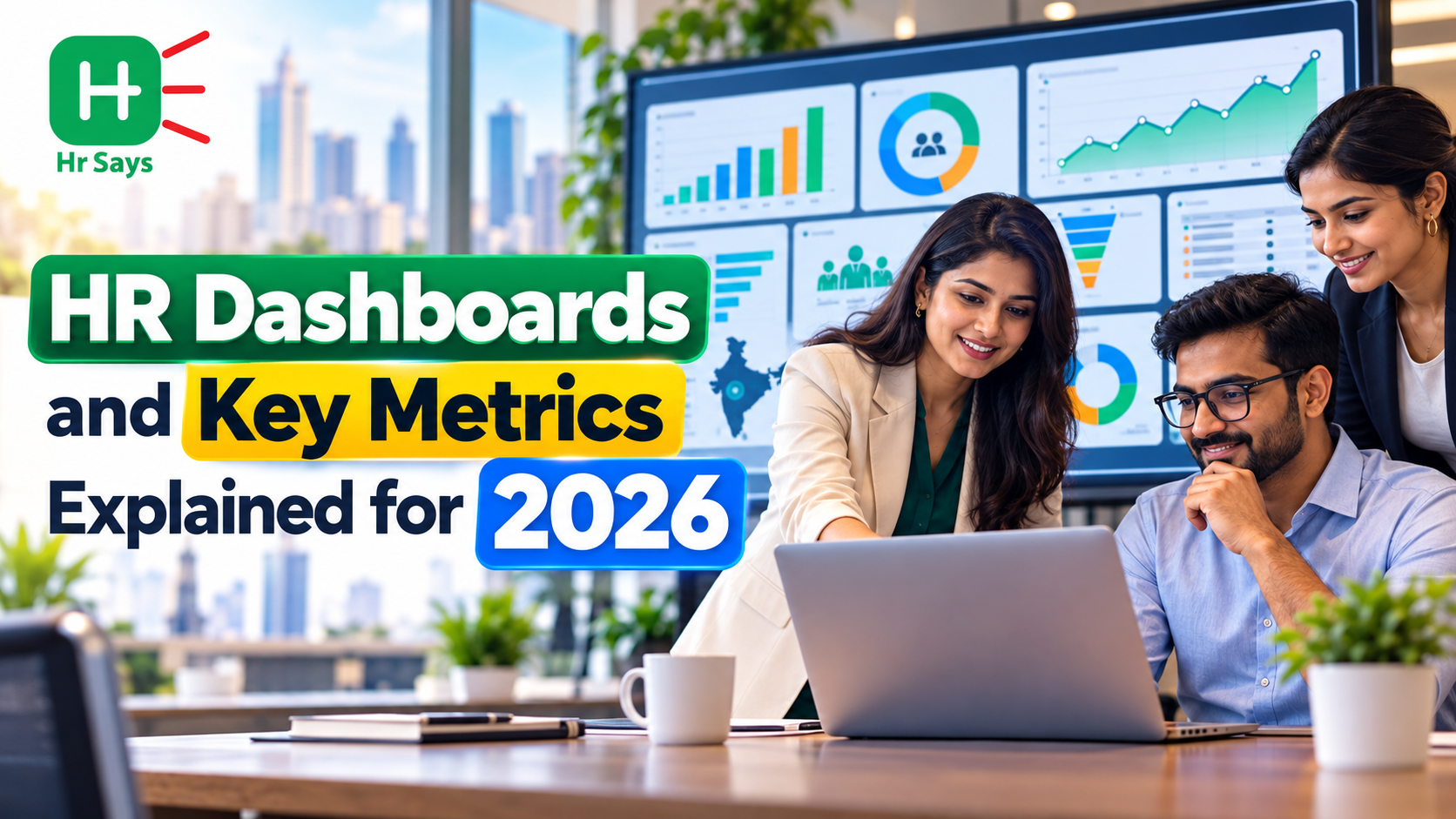
Because of these benefits, organizations are rapidly investing in people analytics software and AI-driven HR tools. HR professionals are being encouraged to rely on dashboards, predictive models, and workforce metrics to make decisions.
However, the rise of HR analytics has also created a delicate tension. While data improves efficiency, human experiences cannot always be reduced to numbers. Workplace culture, emotional wellbeing, and individual context often resist algorithmic interpretation.
For this reason, the ethical dimension of HR analytics is becoming impossible to ignore. Questions about data ownership, algorithmic fairness, and employee consent are now central to responsible HR management. The conversation is gradually shifting from what analytics can do to what it should do.
Key Ethical Challenges In HR Analytics
Although analytics offers powerful insights, several ethical concerns continue to surface as organizations expand their use of workforce data.
Employee Privacy And Data Protection
One of the most significant concerns is employee privacy. Vast amounts of personal information are often collected through HR systems, monitoring tools, and engagement platforms.
Employees may not always be aware of how much information is being analyzed. Communication logs, performance metrics, and behavioral data can all become part of workforce analytics systems.
This raises several concerns.
• Sensitive personal data may be stored for long periods.
• Employee consent may not always be clearly obtained.
• Monitoring tools may create a feeling of constant surveillance.
When transparency is limited, trust between employees and management can gradually weaken.
Algorithmic Bias In HR Decisions
Another major challenge lies in algorithmic bias. HR analytics tools often rely on machine learning models that are trained on historical data.
If past hiring or promotion decisions contained bias, those patterns can quietly be reproduced by predictive models. As a result, unfair patterns may continue without being immediately noticed.
Bias may appear in areas such as:
• Candidate screening algorithms
• Performance evaluation systems
• Promotion recommendation models
Without careful auditing, technology that is designed to improve fairness can unintentionally reinforce inequality.
Lack Of Transparency In Data-Driven Decisions
Employees increasingly want to understand how decisions about their careers are being made. However, analytics-driven systems often operate like black boxes.
When an algorithm recommends a promotion candidate or identifie employees at risk of leaving, the reasoning behind those predictions may not be clearly communicated.
This lack of transparency creates several risks.
• Employees may feel that decisions are impersonal.
• HR accountability may become unclear.
• Organizational trust may be weakened.
Ethical HR analytics requires that data-driven decisions remain explainable and understandable.
Overdependence On Quantitative Metrics
A final concern arises from the heavy reliance on measurable indicators. Productivity scores, engagement numbers, and performance metrics provide useful signals, but they do not capture the full complexity of human work.
Leadership potential, creativity, collaboration, and emotional intelligence are difficult to measure through analytics alone. When numbers dominate evaluation systems, meaningful contributions may sometimes be overlooked.
Because of this, many experts suggest that analytics should support human judgment rather than replace it.
Responsible Use Of HR Analytics
To address these challenges, ethical guidelines for HR analytics are gradually being developed. Responsible data practices are expected to protect employees while still allowing organizations to benefit from analytical insights.
Several approaches are commonly recommended.
• Transparent communication about what data is collected and why
• Clear employee consent policies
• Regular audits of AI-driven HR tools
• Balanced decision making that combines data with human judgment
When ethical safeguards are implemented, HR analytics can be used as a tool for fairness rather than control.
Conclusion
HR analytics has the potential to reshape workforce management through powerful data insights. Yet ethical responsibility must grow alongside technological capability. Privacy protection, transparency, and fairness should remain central principles so that data supports people rather than reducing them to numbers.