Sunday, September 20, 2026
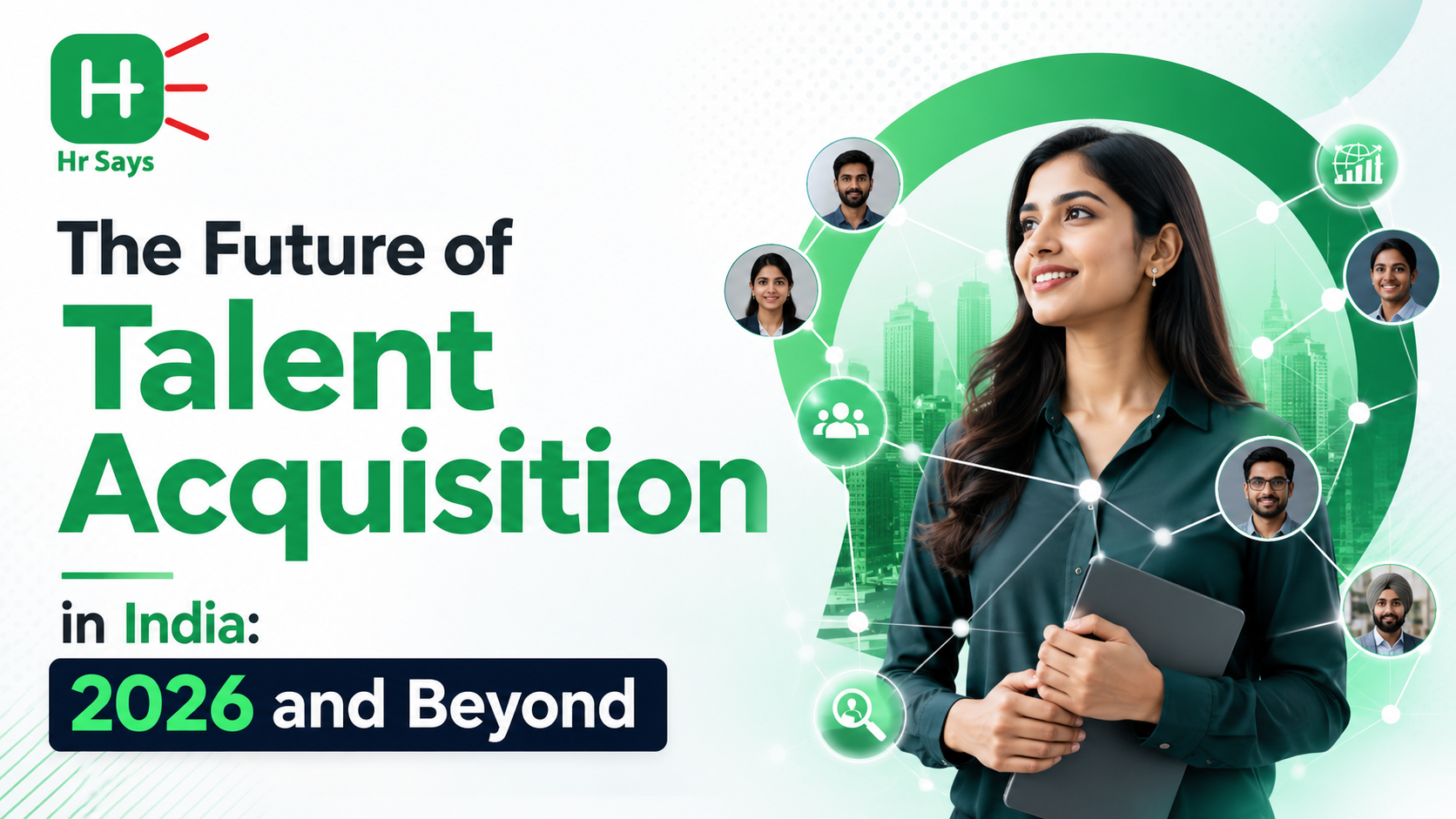
 Talent acquisition in India is evolving through AI adoption, skills-based hiring, employer branding, and distributed workforce models. HR leaders must build strategic, data-informed, and candidate-centric recruitment practices to stay competitive.





Add This Section Before the Introduction
Future of Talent Acquisition in India: AI, Skills-Based Hiring & HR Technology
Talent acquisition in India is rapidly evolving as artificial intelligence (AI), skills-based hiring, employer branding, HR analytics, and digital recruitment technologies reshape the hiring landscape. Organizations that embrace modern talent acquisition strategies are improving candidate experience, reducing hiring costs, increasing quality of hire, and building future-ready workforces.
Whether you're an HR leader, recruiter, CHRO, startup founder, or business owner, understanding the latest recruitment trends is essential for attracting and retaining top talent in today's competitive job market. This guide explores the future of talent acquisition in India, emerging HR trends, AI-powered recruitment, and practical strategies organizations can adopt to stay ahead.
What Is the Future of Talent Acquisition in India?
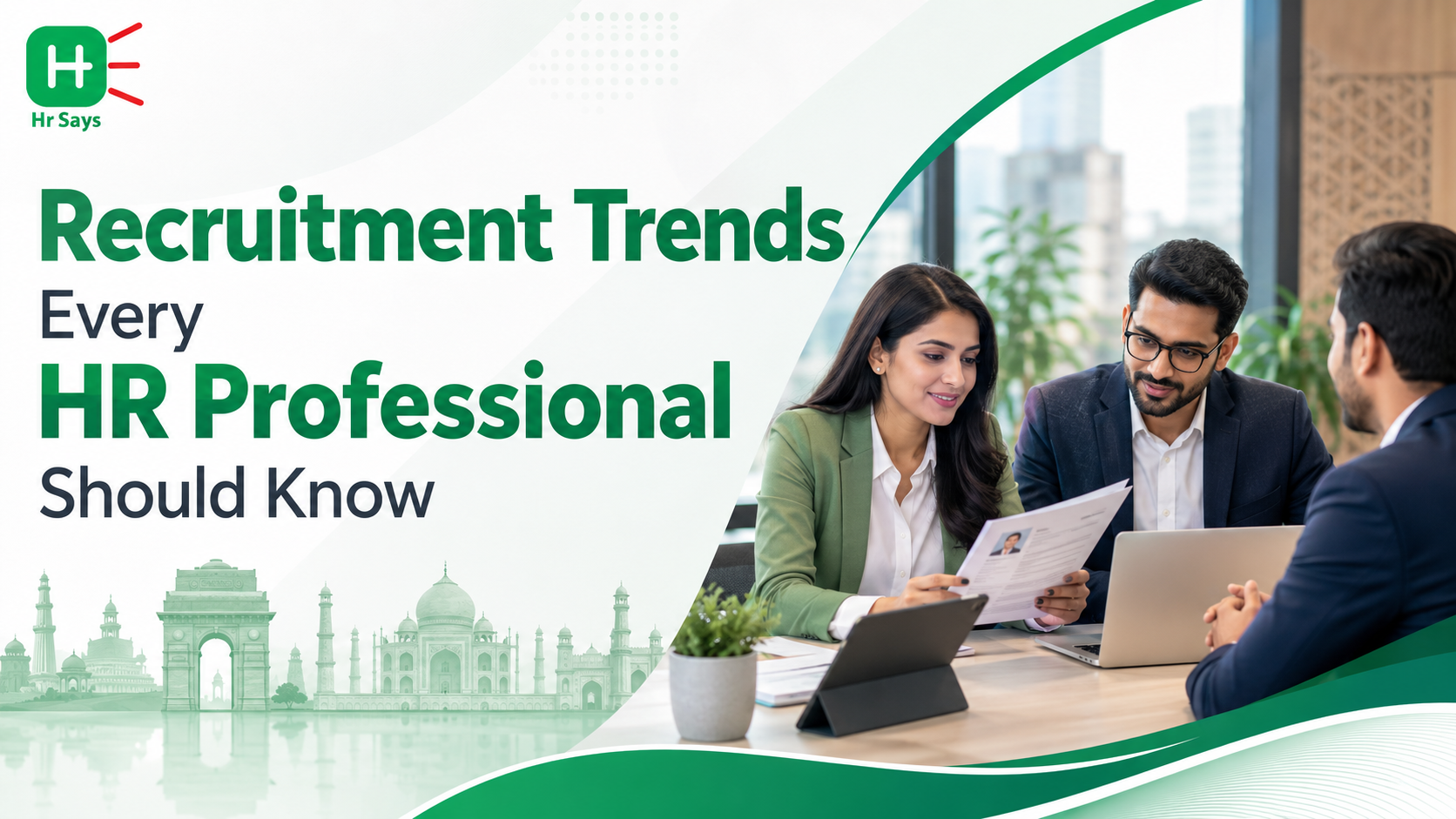
The future of talent acquisition in India is driven by artificial intelligence, skills-based hiring, predictive analytics, employer branding, hybrid work, and data-driven HR decision-making. Organizations are moving beyond traditional recruitment by adopting AI-powered hiring platforms, structured interviews, workforce planning, and candidate experience optimization to attract, assess, and retain the best talent.
Quick Highlights
-
AI is transforming recruitment through resume screening, interview scheduling, and hiring automation.
-
Skills-based hiring is replacing degree-first recruitment across many industries.
-
Employer branding has become a major factor influencing candidate attraction and offer acceptance.
-
Candidate experience directly impacts recruitment success and organizational reputation.
-
HR analytics helps organizations improve quality of hire and hiring ROI.
-
Hybrid and remote work models have expanded talent pools across India.
-
Diversity, equity, and inclusion (DEI) are becoming strategic business priorities.
-
Recruiters are evolving into strategic talent advisors rather than administrative coordinators.
Why AI Is Becoming Essential for Recruitment
Artificial intelligence enables HR teams to automate repetitive hiring tasks while improving recruitment efficiency. AI-powered recruitment platforms can screen resumes, rank candidates, schedule interviews, personalize candidate communication, identify internal talent, and provide predictive hiring insights. As AI technology continues to evolve, recruiters will spend less time on administrative work and more time building relationships with candidates and advising hiring managers.
According to LinkedIn's Future of Recruiting research, AI is expected to significantly improve recruiter productivity while allowing HR professionals to focus on strategic talent acquisition activities.
Why Skills-Based Hiring Matters in India
India produces millions of graduates every year, but educational qualifications alone no longer guarantee job readiness. Skills-based hiring evaluates candidates based on demonstrated competencies, practical abilities, certifications, project experience, and real-world performance rather than academic credentials alone.
This approach expands access to talent from Tier-2 and Tier-3 cities, career changers, women returning to work, self-taught professionals, and candidates from diverse educational backgrounds while improving workforce diversity and long-term employee performance.
Why Employer Branding Matters
Today's job seekers evaluate employers long before submitting an application. Candidates research company culture, employee reviews, leadership, growth opportunities, workplace flexibility, and organizational values before accepting interview invitations or job offers.
A strong employer brand helps organizations:
-
Attract higher-quality candidates
-
Reduce recruitment costs
-
Improve offer acceptance rates
-
Increase employee retention
-
Strengthen organizational reputation
-
Enhance candidate experience
Top Talent Acquisition Trends in India (2026)
The future of recruitment in India is being shaped by several emerging trends that HR leaders should monitor closely.
AI-Powered Recruitment
AI is automating resume screening, interview scheduling, candidate communication, and recruitment analytics.
Skills-Based Hiring
Organizations are prioritizing demonstrated competencies over educational qualifications.
Internal Talent Mobility
Companies are increasingly filling open roles by identifying existing employees with transferable skills.
Recruitment Marketing
Employer branding and recruitment marketing are becoming essential for attracting passive candidates.
HR Analytics
Organizations are using people analytics to improve hiring quality, predict workforce needs, and optimize recruitment strategies.
Recruitment Automation
Automation tools streamline repetitive hiring processes, reducing recruiter workload while improving candidate experience.
Hybrid Workforce Planning
Organizations are designing recruitment strategies that support full-time employees, contract professionals, freelancers, and gig workers.
Candidate Experience Optimization
Providing transparent communication, faster hiring processes, and personalized engagement has become a competitive advantage.
Traditional Recruitment vs Modern Talent Acquisition
| Traditional Recruitment | Modern Talent Acquisition |
|---|---|
| Degree-focused hiring | Skills-first hiring |
| Manual resume screening | AI-powered screening |
| Reactive recruitment | Strategic workforce planning |
| Local talent pool | Nationwide and remote hiring |
| Resume-based decisions | Competency-based assessments |
| Limited hiring analytics | Predictive recruitment analytics |
| HR-owned hiring | Business-aligned talent strategy |
| Transactional process | Long-term talent pipeline development |
Expert Insight
Organizations that combine AI-powered recruitment with structured interviews, skills-based hiring, employer branding, HR analytics, and an exceptional candidate experience consistently outperform organizations relying solely on traditional recruitment methods. Technology should enhance human decision-making—not replace it.
People Also Ask
Is AI replacing recruiters?
No. Artificial intelligence automates repetitive recruitment tasks such as resume screening, interview scheduling, and candidate communication. Recruiters remain essential for relationship-building, strategic hiring, workforce planning, and making final hiring decisions.
What is skills-based hiring?
Skills-based hiring evaluates candidates based on demonstrated competencies, technical abilities, certifications, and practical experience rather than degrees or previous job titles. This approach helps organizations identify high-potential candidates from diverse backgrounds.
Why is employer branding important for recruitment?
Employer branding influences how candidates perceive an organization. Companies with strong employer brands attract better-quality applicants, reduce hiring costs, improve offer acceptance rates, and strengthen employee retention.
How can organizations improve quality of hire?
Organizations can improve quality of hire by implementing structured interviews, competency-based assessments, AI-powered recruitment analytics, standardized evaluation criteria, and continuous post-hire performance measurement.
What HR technologies are transforming recruitment?
Modern recruitment increasingly relies on Applicant Tracking Systems (ATS), HRMS platforms, AI recruitment software, recruitment CRM systems, interview scheduling tools, video interviewing platforms, skills assessment software, and people analytics solutions.
Related Articles
-
AI in Recruitment: Benefits, Challenges and Best Practices
-
Skills-Based Hiring in India: A Complete Guide
-
Employer Branding Strategies for Modern Organizations
-
Candidate Experience Best Practices
-
HR Analytics for Better Hiring Decisions
-
Workforce Planning Strategies for HR Leaders
-
Digital HR Transformation in India
-
Recruitment Automation: Everything HR Professionals Should Know
Enhanced Conclusion
The future of talent acquisition in India is being shaped by artificial intelligence, skills-first hiring, employer branding, workforce analytics, hybrid work, and evolving candidate expectations. Organizations that combine technology with human-centered hiring practices will build stronger talent pipelines, improve hiring quality, and gain a sustainable competitive advantage.
Rather than viewing recruitment as simply filling vacancies, forward-thinking organizations are transforming talent acquisition into a strategic business function that drives long-term organizational growth. HR leaders who invest in AI-enabled recruitment, structured assessments, exceptional candidate experiences, and continuous workforce planning today will be better positioned to attract, engage, and retain the talent needed to succeed in India's rapidly evolving business landscape.
Platforms like HRSays continue to support HR professionals by providing practical insights, expert perspectives, and evidence-based guidance on the latest talent acquisition strategies, recruitment technologies, and workplace trends.
Additional SEO Keywords
Primary Keywords
Talent Acquisition in India, Future of Talent Acquisition, AI Recruitment, HR Technology India, Recruitment Trends India
Secondary Keywords
AI Hiring, Skills-Based Hiring, Employer Branding India, Candidate Experience, HR Analytics, Workforce Planning, Recruitment Automation, Digital HR Transformation, Talent Management, Hiring Technology, Recruitment Software India, People Analytics, Strategic Hiring, Quality of Hire, Future of HR
Long-Tail Keywords
Future of Talent Acquisition in India 2026, How AI is Changing Recruitment in India, Skills-Based Hiring Best Practices, HR Technology Trends in India, AI Recruitment Software India, Employer Branding Strategies for Indian Companies, Candidate Experience Best Practices, Workforce Planning Guide, Quality of Hire Metrics, Recruitment Automation Tools India
These sections are formatted so you can copy and paste them directly into your article at the suggested locations without additional editing.