Saturday, October 24, 2026
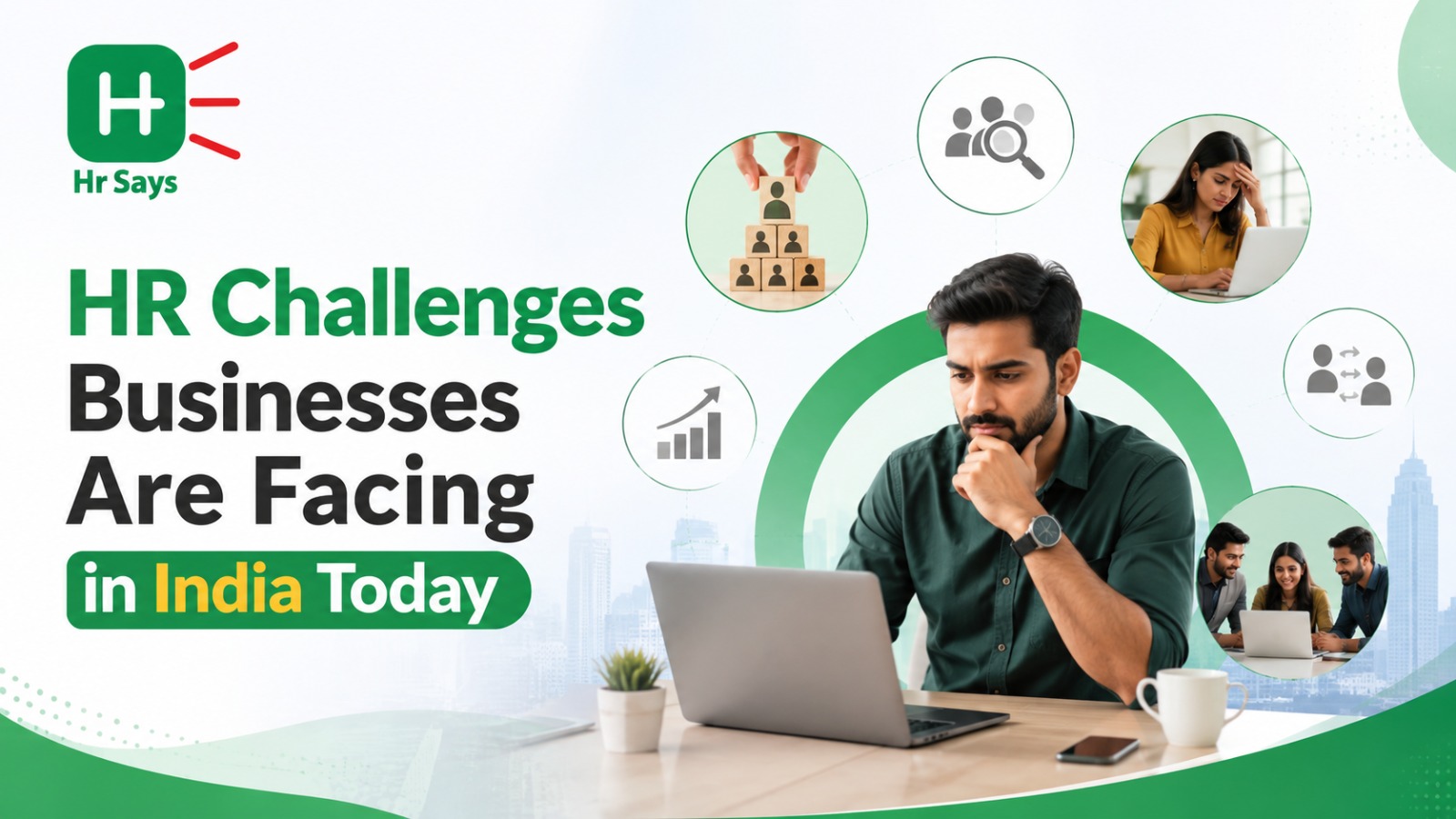
 This article explores the top HR challenges facing Indian businesses today, including talent retention, compliance, upskilling, AI adoption, and strategic workforce planning, with practical perspectives for HR leaders.





Introduction
The human resources function in India has undergone a quiet but significant transformation over the past few years. What was once considered an administrative department responsible for payroll and policy documentation is now expected to serve as a strategic engine for organizational growth. HR leaders today are required to anticipate workforce needs, design meaningful employee experiences, decode workforce data, manage regulatory compliance, and drive cultural transformation, all simultaneously.
This shift is not without its difficulties. Businesses across India, whether they are early-stage startups in Bengaluru, mid-sized manufacturing firms in Pune, or large conglomerates operating across multiple states, are confronting a new generation of HR challenges that require more than routine solutions. The competitive landscape for talent has intensified. Employee expectations have changed. Regulatory complexity has deepened. And technology, particularly artificial intelligence, is reshaping every corner of the HR function.
For HR professionals and business leaders who want to build workplaces that perform and endure, understanding these challenges clearly is the first step toward addressing them with intention and clarity.
Understanding the Evolving Role of HR in Indian Businesses
Before examining the specific challenges, it is important to understand why HR is under greater pressure than ever before. In most Indian organizations, HR has historically been measured by transactional output: how quickly positions are filled, whether payroll runs on time, and whether statutory filings are completed without error. These responsibilities have not disappeared. However, the expectations placed on HR have expanded considerably.
Modern HR leaders in India are now accountable for workforce strategy, employer branding, learning and development outcomes, diversity and inclusion progress, and real-time people analytics. They are expected to bring data to leadership conversations, align people practices with business objectives, and navigate an environment where the workforce itself is more diverse, more vocal, and more mobile than at any previous point.
This expansion of responsibility, without always a corresponding expansion of resources or team capacity, is itself one of the foundational HR challenges that organizations must acknowledge honestly.
The Core HR Challenges Businesses Are Facing Today
Attracting and Retaining the Right TalentTalent acquisition and retention remain the most persistent concerns for HR leaders across sectors in India. The Indian job market has grown more complex. Demand for skilled professionals in technology, data analytics, healthcare, finance, and e-commerce continues to outpace supply, creating fierce competition for the same talent pool.
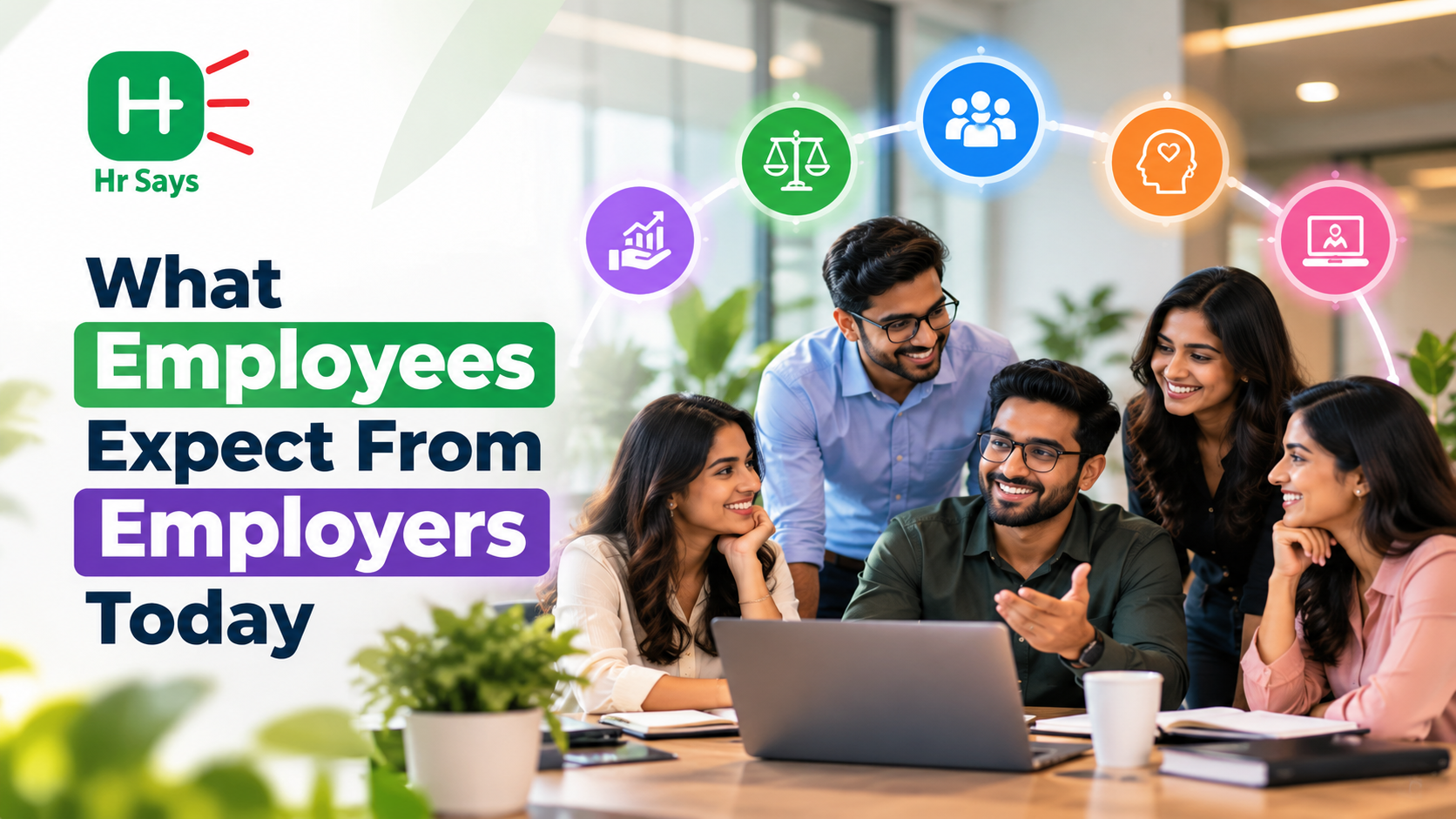
What makes this challenge particularly difficult is that the expectations of today's Indian workforce have shifted considerably. Competitive compensation is no longer the only driver of attraction or loyalty. Professionals, especially those in the 25 to 40 age group, are evaluating potential employers based on growth opportunities, work flexibility, organizational culture, psychological safety, and alignment with personal values.
High attrition rates in sectors such as IT services, retail banking, and quick-service restaurants are a well-documented reality in India. Organizations that have not invested in building a compelling employee value proposition are finding it increasingly difficult to hold on to their best performers. HR leaders must move beyond exit interviews and satisfaction surveys to build retention strategies that address the root causes of disengagement before employees begin looking elsewhere.
Retention efforts must begin at the point of recruitment, not after onboarding is complete. When employees feel connected to the purpose and values of an organization from their very first interaction, the foundation for a longer tenure is built much earlier.
Upskilling and Reskilling a Rapidly Changing WorkforceIndia's working population is large and young, which is one of the country's most cited demographic advantages. However, this advantage comes with a significant responsibility: the need to ensure that the workforce is continuously learning and developing new capabilities.
The skills that were valued three years ago are being rapidly replaced or supplemented by new demands. Automation is changing the nature of work in manufacturing, logistics, and back-office operations. Artificial intelligence is altering workflows in legal, finance, and HR functions themselves. Data literacy is becoming a baseline expectation rather than a specialized skill.
Many Indian organizations, particularly mid-sized businesses and those operating in traditional sectors, have not yet built systematic upskilling and reskilling infrastructure. Learning and development is often treated as a periodic event rather than an ongoing organizational capability. This creates a growing gap between what employees can currently do and what the business will need from them in the near future.
HR leaders must advocate for internal mobility as a solution to this challenge. Research consistently shows that employees who are given opportunities to grow within their organizations are more likely to stay and perform at higher levels. Building visible career pathways and investing in learning technology are no longer optional priorities for organizations that want to remain competitive.
Managing Compliance in a Complex Regulatory EnvironmentIndia's labor law landscape is among the most layered in the world. The consolidation of central labor laws into four broad Labor Codes, covering wages, industrial relations, social security, and occupational health, was intended to simplify compliance. However, the staggered implementation timeline across states has created a situation where HR teams must simultaneously manage legacy regulations and prepare for new frameworks.
Beyond labor laws, HR professionals must also navigate regulations related to employee data privacy under the Digital Personal Data Protection Act, POSH compliance requirements, provident fund and ESIC obligations, and industry-specific norms. Organizations with operations across multiple states face additional complexity, as state-level variations in rules around minimum wages, contract labor, and factories add another layer of requirements.
The consequences of non-compliance are not merely financial. They include reputational damage, employee trust erosion, and in some cases, serious legal exposure for leadership. HR teams that lack the right tools, processes, and expertise to track and respond to regulatory changes are at significant risk.
Investing in a robust HRMS platform that includes compliance monitoring and automated alert systems is increasingly essential. However, technology alone is not sufficient. HR leaders must also build internal compliance knowledge and create regular audit cycles to identify and address potential gaps proactively.
Navigating the Adoption of HR Technology and Artificial IntelligenceThe Indian HR technology market has seen considerable growth, with a wide range of tools now available for recruitment, onboarding, performance management, payroll, and employee engagement. Yet despite this availability, many organizations struggle with fragmented systems, low user adoption, and unclear return on investment from technology investments.
Artificial intelligence is the most significant technological development currently reshaping HR practices globally, and its influence in the Indian market is growing. AI is being applied to resume screening, candidate shortlisting, employee sentiment analysis, attrition prediction, and personalized learning recommendations. The potential to reduce administrative burden and generate meaningful workforce insights is real.
However, HR leaders in India face legitimate concerns around AI adoption. Questions about algorithmic bias, data accuracy, and the loss of human judgment in people decisions are important considerations. There is also the challenge of workforce readiness. For AI-powered tools to deliver value, HR teams themselves need to develop a degree of data literacy and comfort with technology-driven workflows.
The approach that works best is gradual and intentional. Organizations that begin with clearly defined use cases, invest in training their HR teams, and build confidence through small wins are far better positioned to scale AI adoption than those that implement tools without adequate change management.
Strategic Workforce Planning for Long-Term Business AlignmentOne of the most underinvested areas of HR in Indian organizations is strategic workforce planning. Many businesses still approach workforce decisions reactively, filling vacancies as they arise rather than anticipating talent needs in alignment with business strategy.
This reactive approach creates predictable problems. Critical roles remain unfilled for longer than necessary. Business expansion plans are delayed due to unavailability of the right skills. Succession pipelines are thin, leaving organizations vulnerable when senior leaders depart unexpectedly.
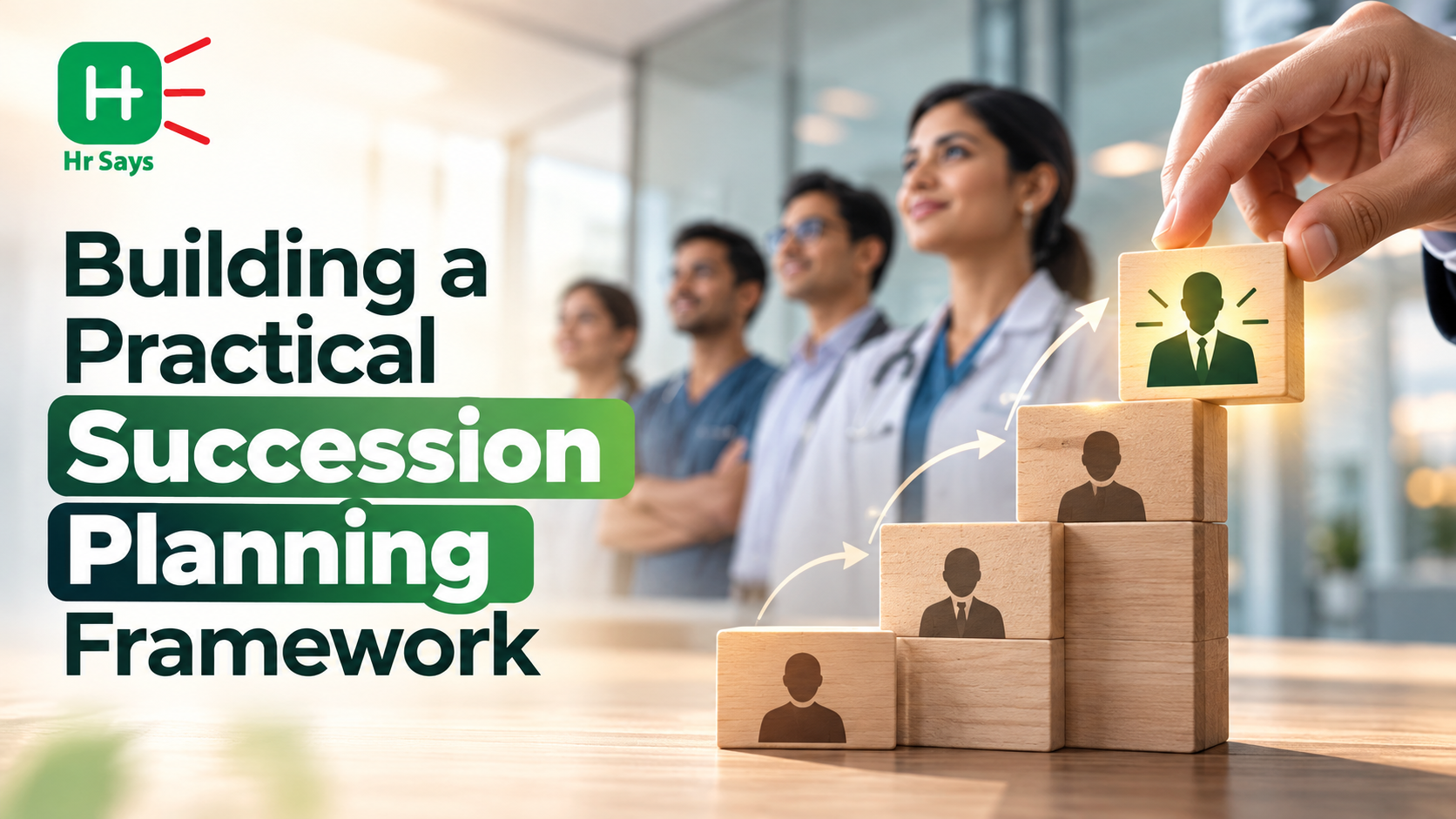
Strategic workforce planning requires HR to work closely with finance, operations, and business leadership to map out where the organization is headed and what human capital will be required to get there. It involves analyzing current workforce composition, identifying future skill requirements, assessing gaps, and developing hiring, development, and retention plans accordingly.
For Indian organizations navigating the complexities of post-pandemic recovery, global economic uncertainty, and rapid digital transformation, strategic workforce planning is not a luxury activity. It is a critical organizational capability that directly impacts competitive performance.
Building a Stronger HR Function: What Organizations Can Do
Addressing these challenges requires more than good intentions. It requires structured investment, leadership commitment, and a willingness to treat HR as a strategic function rather than a cost center.
Some of the most effective steps organizations can take include:
- Developing a clearly articulated employer brand that speaks honestly to what the organization offers its people and what it expects in return.
- Creating formalized learning and development programs with defined career pathways rather than treating training as an occasional activity.
- Conducting regular compliance audits and investing in technology that tracks regulatory changes across relevant jurisdictions.
- Building a phased HR technology roadmap that prioritizes integration, data quality, and user adoption over the number of tools deployed.
- Establishing a workforce planning cycle that is tied to the annual business planning process rather than treated as a separate HR exercise.
Platforms such as HRSays, which bring together HR knowledge, workplace insights, and professional conversations in one accessible space, play a useful role in helping HR leaders stay informed about emerging challenges, practical strategies, and the evolving expectations of the modern workforce.
Frequently Asked Questions
Q1: What are the biggest HR challenges facing Indian businesses in 2026?
The most significant HR challenges in India today include attracting and retaining skilled talent, managing a complex labor compliance environment, building upskilling and reskilling programs, adopting HR technology and AI responsibly, and developing strategic workforce planning capabilities.
Q2: How can Indian companies improve employee retention rates?
Improving retention in India requires building a strong employer brand, creating visible internal growth opportunities, addressing manager quality, offering flexibility where possible, and ensuring that the employee experience is meaningful and consistent from the point of recruitment onward.
Q3: What is strategic workforce planning and why does it matter for Indian organizations?
Strategic workforce planning is the process of aligning an organization's talent strategy with its long-term business objectives. It involves forecasting future skill needs, analyzing current workforce gaps, and building plans to address those gaps through hiring, development, and retention. For Indian businesses operating in fast-changing markets, it provides a significant competitive advantage.
Q4: How should HR leaders in India approach AI adoption?
HR leaders should approach AI adoption gradually and with a clear purpose. Starting with specific, well-defined use cases, building data literacy within the HR team, and establishing transparent policies around AI use in people decisions are all important steps. The goal should be to use AI to reduce administrative burden and surface better insights, not to replace human judgment in critical decisions.
Q5: What steps can small and mid-sized Indian businesses take to manage HR compliance effectively?
Smaller organizations can manage compliance more effectively by investing in a reliable HRMS with built-in compliance tracking, designating a compliance owner within the HR or legal function, conducting quarterly regulatory reviews, and working with specialized HR consultants who have expertise in Indian labor law across relevant states.
Resources
- Ministry of Labour and Employment, Government of India: Official source for Labor Code updates, notifications, and compliance guidelines relevant to Indian employers.
- Society for Human Resource Management (SHRM India): Research, toolkits, and professional guidance on workforce management, talent strategy, and HR best practices.
- National Human Resource Development Network (NHRDN): India-focused HR leadership body offering research, events, and professional development resources for HR practitioners.
- World Economic Forum: Future of Jobs Report: Global research on workforce transformation, skills gaps, and the impact of technology on employment, with relevance to Indian market trends.
- Nasscom: Industry body providing data and insights on talent, skilling, and digital workforce trends within India's technology sector.
Interlinking Keywords:
HR challenges in India, employee retention strategies, strategic workforce planning, HR compliance India, upskilling and reskilling, HR technology adoption, employer branding, employee engagement, labor law compliance India, workforce planning tools
Last Reviewed By:
Hr Says Advisory Panel on 29 August, 2026
Disclaimer:
The information presented in this article is intended for general professional awareness and informational purposes only. It does not constitute legal, regulatory, or professional HR advice. Organizations should consult qualified HR consultants and legal advisors for guidance specific to their business context, industry, and applicable jurisdiction before making decisions related to compliance, workforce planning, or HR practices.