Wednesday, October 07, 2026
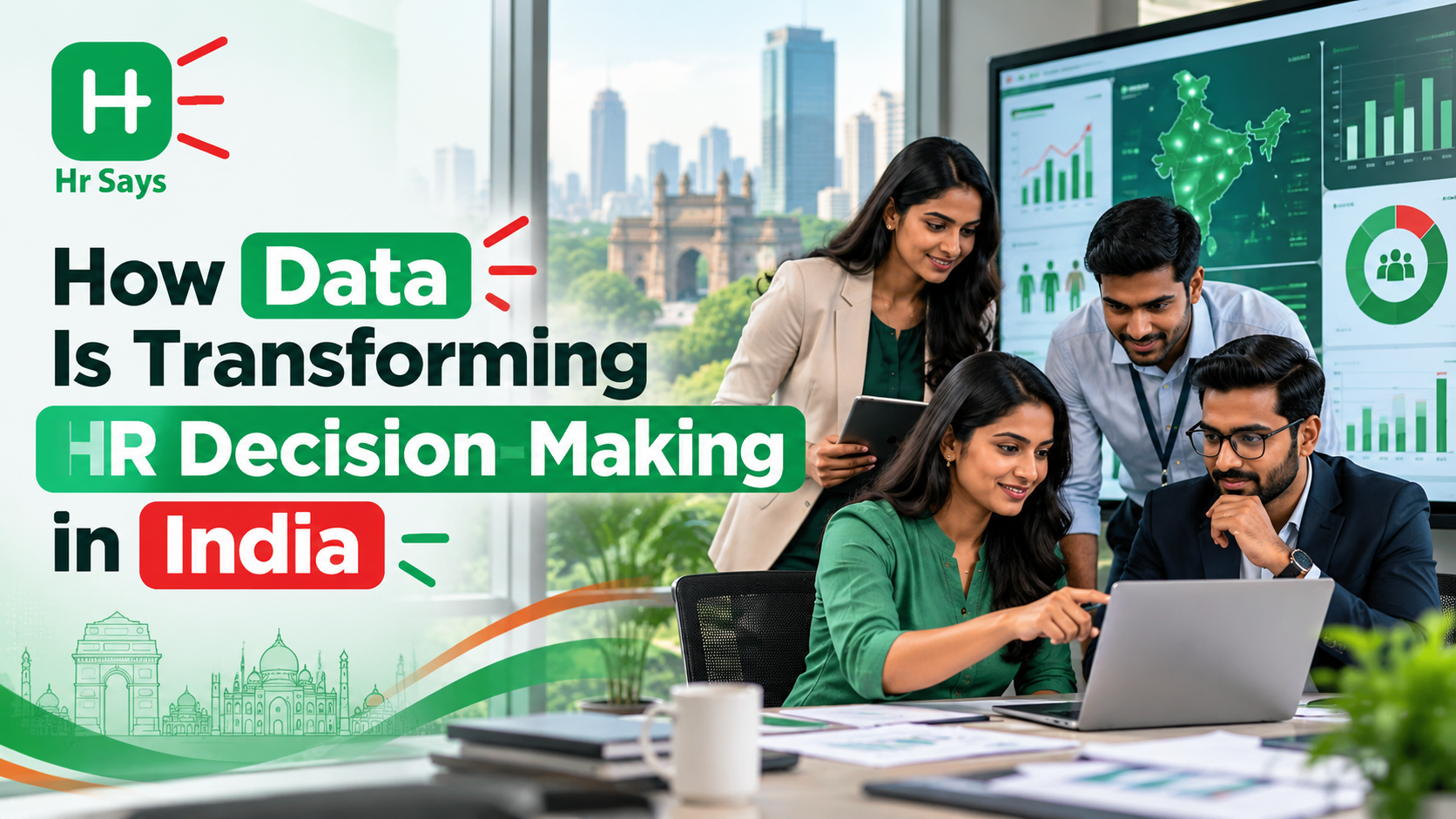
 Data is transforming HR decision-making in India by enabling smarter hiring, retention, performance management, and learning investments through analytics, helping organizations build stronger and more equitable workplaces.





Introduction
For decades, human resources in India operated largely on instinct, experience, and informal observation. Hiring decisions were guided by gut feelings, performance reviews depended on subjective impressions, and attrition was often treated as an unavoidable reality rather than a preventable problem. That era is rapidly coming to an end.
Across Indian organizations, from Bengaluru-based technology firms to Mumbai's financial institutions to manufacturing companies in Pune and Chennai, HR professionals are increasingly turning to data to guide their most important decisions. The shift is not simply a technology trend. It represents a fundamental change in how people are valued, understood, and managed within organizations.
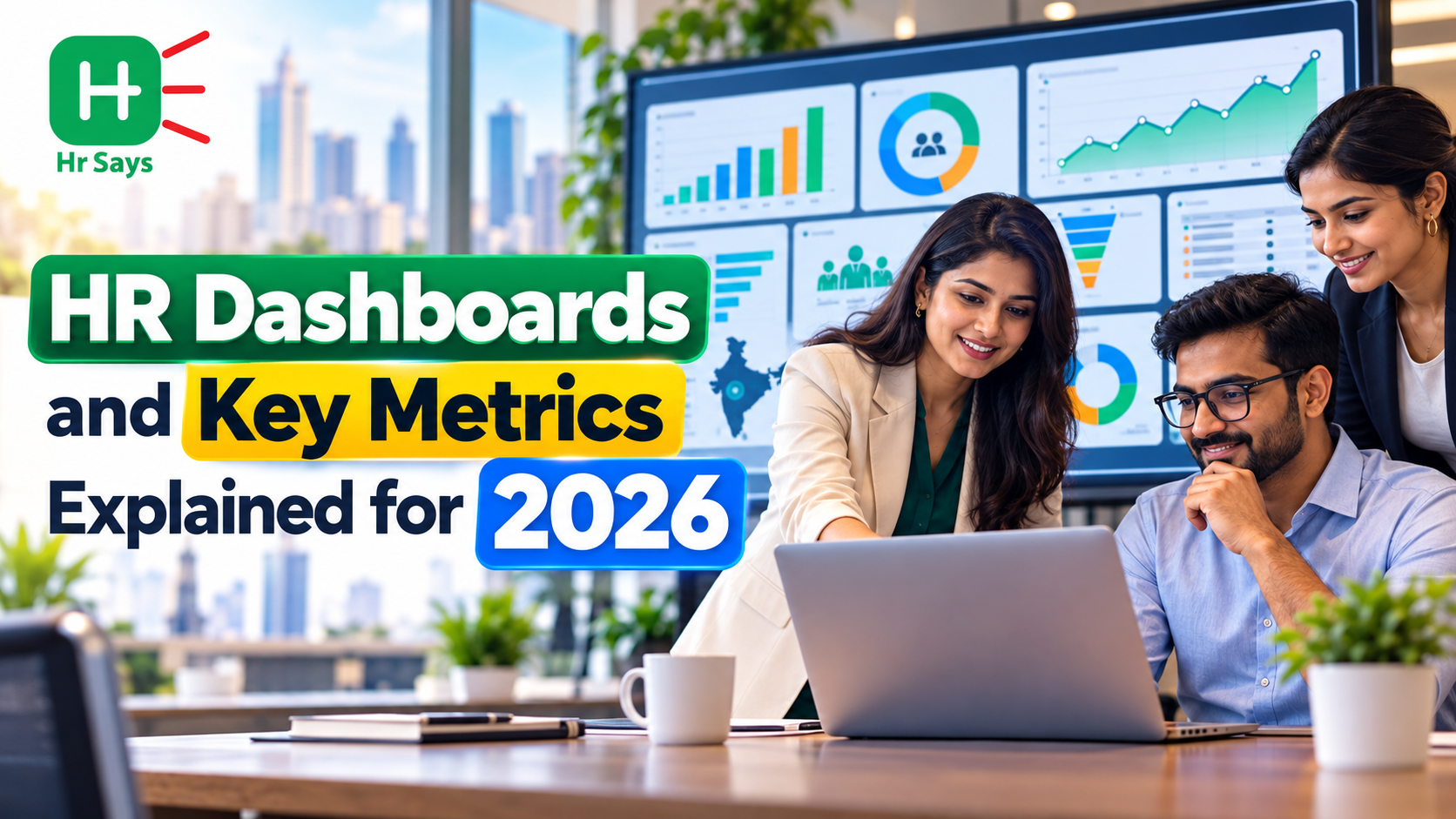
According to a 2024 report by Deloitte, nearly 71 percent of organizations globally now consider people analytics a high priority. In India, the adoption curve has accelerated sharply, particularly following the workforce disruptions caused by the pandemic and the rapid normalization of hybrid work models. HR leaders who once relied on annual engagement surveys and spreadsheets are now working with dashboards, predictive tools, and real-time workforce intelligence.
This article explores how data is reshaping every major area of HR decision-making in India, what challenges organizations face in making this transition, and why building a data-informed HR culture is no longer optional for competitive businesses.
Understanding People Analytics and What It Actually Means
People analytics, often referred to as HR analytics or workforce analytics, is the practice of collecting, analyzing, and interpreting data related to employees to make better organizational decisions. It goes well beyond counting headcount or tracking leave balances. Modern people analytics draws from multiple data sources:
- Recruitment platforms and applicant tracking systems
- Employee engagement and pulse survey tools
- Performance management software
- Learning and development platforms
- Payroll and benefits data
- Exit interview records and attrition logs
When these data streams are integrated and analyzed together, they give HR leaders a multidimensional view of the workforce. Instead of reacting to problems after they occur, HR teams can identify patterns, anticipate challenges, and take proactive steps.
In India, platforms such as Darwinbox, Keka, GreytHR, and ZingHR have made workforce data more accessible to mid-sized and large organizations. These tools are designed with Indian compliance requirements, regional language support, and local payroll structures in mind, making data-driven HR more practical for Indian businesses than ever before.
How Data Is Transforming Hiring and Talent Acquisition
Hiring remains one of the most consequential and resource-intensive functions in HR. The cost of a bad hire, when calculated across onboarding, training, lost productivity, and eventual replacement, can run into several lakhs of rupees for senior roles. Data is helping organizations reduce that risk in meaningful ways.
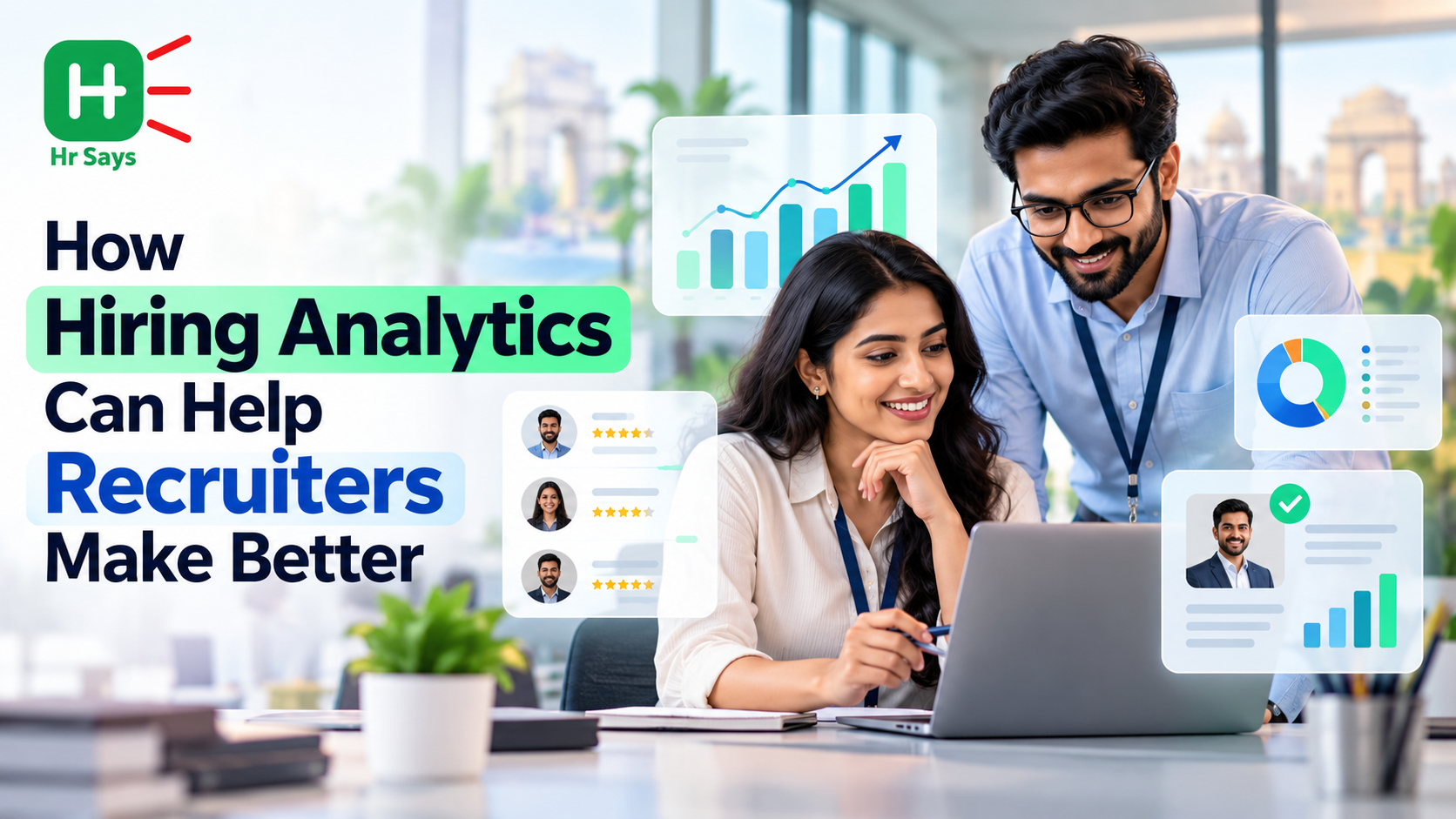
Predictive hiring analytics allows recruiters to evaluate candidates not just on their qualifications but on indicators that correlate with long-term success in a specific role or team. By analyzing the profiles of high-performing existing employees, HR teams can identify what combinations of skills, experience patterns, and behavioral attributes tend to lead to strong outcomes. This moves the conversation from "this candidate looks good" to "this candidate fits the profile of our most successful hires."
Structured data collection during the interview and assessment process also reduces unconscious bias. When every candidate is evaluated against the same data points, it becomes harder for individual preferences or irrelevant factors to influence outcomes. Several Indian companies, particularly those with diversity hiring goals, are using structured scoring tools to track and improve representation across gender, geography, and socioeconomic background.
Time-to-hire, cost-per-hire, offer acceptance rates, and source-of-hire data are also giving talent acquisition teams in India a clearer picture of where their recruitment efforts generate the best return. Instead of spending equally across job boards, referral programs, campus drives, and social platforms, companies can focus their budgets on channels that consistently deliver quality candidates.
Data-Driven Approaches to Employee Retention
Attrition is one of the most pressing challenges facing Indian HR teams, particularly in sectors such as information technology, business process management, banking, and retail. The economic cost of high turnover is well documented. What is less widely practiced is using data to predict and prevent it before it happens.
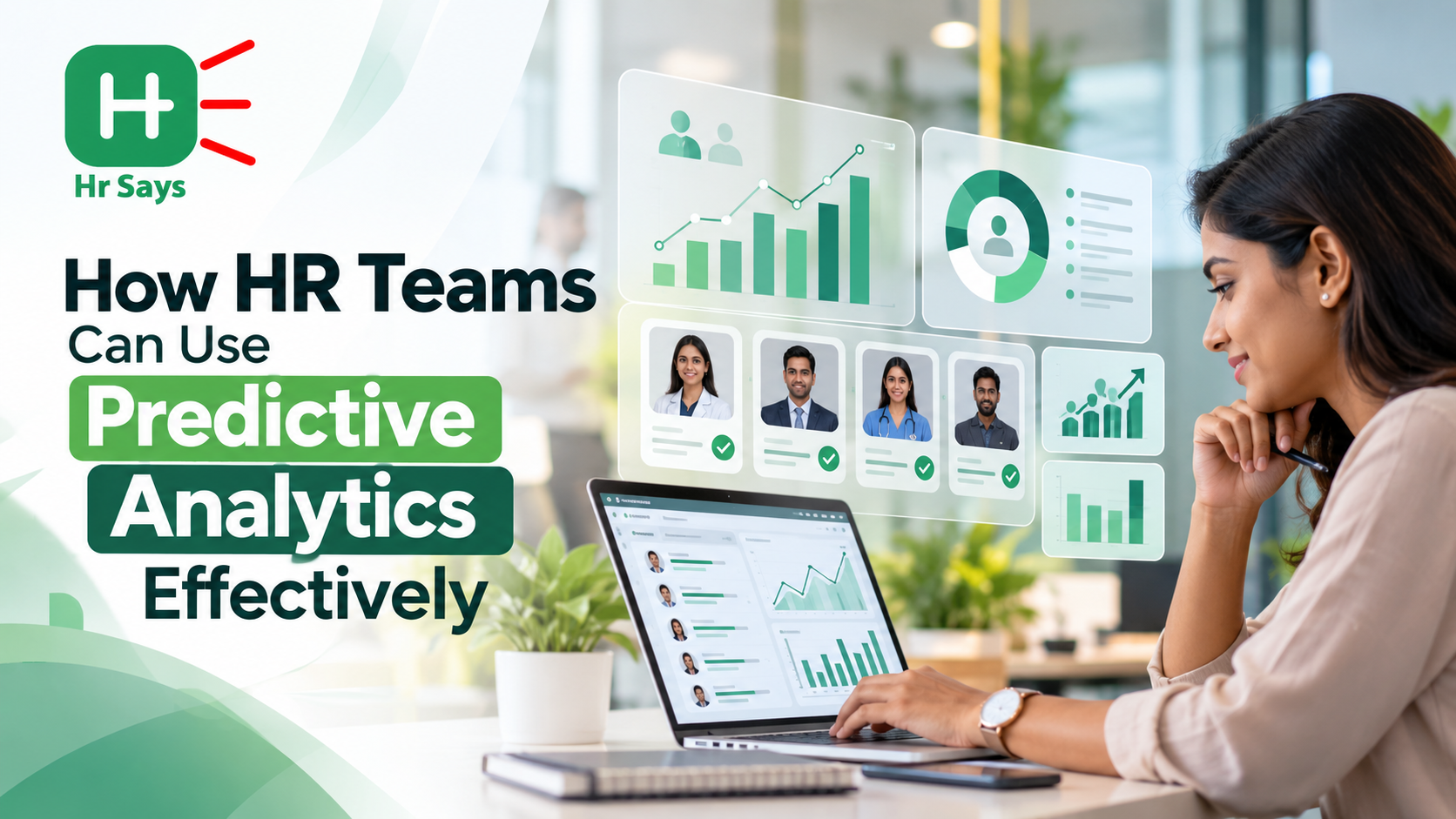
Predictive attrition models analyze a combination of factors that have historically preceded resignations in an organization. These may include tenure at the current level, frequency of internal application activity, engagement survey scores, absence patterns, performance review outcomes, and manager feedback trends. When these signals cluster in a particular pattern, the model generates an early warning that a specific employee or team may be at elevated risk of leaving.
This kind of intelligence allows HR leaders and line managers to intervene meaningfully, whether through a career conversation, a learning opportunity, a role adjustment, or simply a recognition touchpoint. In India, where relationship-based management cultures remain strong, data does not replace human connection but it makes those human conversations better timed and more targeted.
Organizations that have implemented retention analytics report measurable improvements. According to IBM's Smarter Workforce Institute, companies using predictive attrition tools reduced voluntary turnover by up to 25 percent in some cases. For Indian IT companies, where replacing a mid-level professional can cost 30 to 50 percent of their annual salary, those savings are substantial.
Performance Management in the Age of Workforce Data
Traditional annual performance reviews have long been criticized for being retrospective, subjective, and disconnected from actual day-to-day work. Data is enabling a shift toward continuous, evidence-based performance management.
Rather than relying on a single yearly conversation between a manager and an employee, data-driven performance systems capture information throughout the year. Goal completion rates, project milestones, peer feedback, learning course completions, collaboration patterns, and customer satisfaction scores all contribute to a richer and more accurate picture of an individual's contribution.
For Indian organizations managing large teams across multiple geographies and time zones, this kind of distributed performance visibility is particularly valuable. A sales leader in Delhi can review real-time pipeline data alongside qualitative input from regional managers in Hyderabad and Kolkata without waiting for quarterly review cycles.
Importantly, data-driven performance management also creates a more defensible and transparent basis for decisions related to promotions, increments, and performance improvement plans. When employees understand that decisions are backed by clear, consistently applied data rather than manager preference alone, trust in the process tends to increase.
Learning, Development, and Skills Gap Analysis
One of the most underutilized applications of HR data in India is in the area of learning and development. Many organizations invest significantly in training programs but have limited insight into whether those programs are actually building the capabilities the business needs.
Analytics is changing this. By mapping current employee skills against future role requirements or strategic business priorities, HR teams can identify specific gaps at the individual, team, and organizational level. This allows learning and development investments to be directed where they will have the greatest impact rather than distributed uniformly across the organization.
Data from learning management systems also reveals which training formats, instructors, or content types generate the best engagement and knowledge retention. For HR teams in India managing a workforce that spans multiple generations, educational backgrounds, and regional contexts, this granularity is genuinely useful.
The Challenges Indian Organizations Face in Becoming Data-Driven
The benefits of data-driven HR are well established, but the path to adoption is not without obstacles, particularly in the Indian context.
Data quality remains a foundational challenge. Many Indian organizations, especially those in the small and medium enterprise segment, still maintain employee records in fragmented systems or even physical files. Before analytics can add value, there must be consistent, accurate, and centralized data. Building that foundation takes time and organizational commitment.
Privacy and consent frameworks are also evolving. India's Digital Personal Data Protection Act, passed in 2023 and progressively coming into force, sets new obligations around how employee data can be collected, stored, and used. HR leaders need to ensure that data practices are compliant and that employees understand how their information is being used.
Cultural resistance is a third factor. In organizations where senior leaders have long relied on experience and intuition, there can be skepticism about what data can actually tell them about people. Building trust in analytics requires demonstrating clear, tangible outcomes, not just presenting dashboards.
Finally, there is the question of capability. Effective people analytics requires HR professionals who can not only access data but interpret it, contextualize it, and communicate it to business leaders in a way that drives decisions. This skillset is still developing across the Indian HR community, and investment in HR capability building is essential.
What the Future Looks Like for Data-Driven HR in India
The trajectory is clear. As artificial intelligence and machine learning capabilities become more embedded in HR software, the volume and sophistication of workforce insights available to Indian organizations will continue to grow. Generative AI tools are already beginning to assist HR teams with tasks ranging from job description writing to candidate screening to learning content creation.
However, the organizations that will benefit most are not necessarily those with the most advanced technology. They are the ones that build a genuine culture of evidence-based decision-making, where HR leaders are comfortable asking what the data says and where business leaders trust HR to bring workforce intelligence to strategic conversations.
HRSays believes that the future of HR leadership in India is not just about managing people but about understanding them. Data is not a replacement for human judgment. It is what makes human judgment sharper, faster, and more equitable.
Conclusion
Data is not making HR less human. It is making it more intentional. By replacing guesswork with evidence, Indian organizations can hire more effectively, retain their best people, develop talent with precision, and build workplaces where performance is recognized fairly. The HR professionals who embrace this shift will not only improve organizational outcomes but will also raise the strategic credibility of the HR function itself. For Indian businesses navigating a complex, competitive, and rapidly changing talent landscape, data-driven HR is no longer a forward-thinking concept. It is a present-day necessity.
Frequently Asked Questions
Q1: What is data-driven HR decision-making?
Data-driven HR decision-making refers to the practice of using workforce data, analytics tools, and evidence-based insights to guide decisions related to hiring, retention, performance, learning, and employee engagement, rather than relying solely on intuition or informal observation.
Q2: How are Indian companies using HR analytics?
Indian companies across sectors including IT, banking, retail, and manufacturing are using HR analytics to track attrition risk, improve hiring quality, measure training effectiveness, monitor engagement trends, and align workforce planning with business strategy.
Q3: What tools support data-driven HR in India?
Several HR technology platforms built specifically for the Indian market support data-driven HR practices. These include Darwinbox, Keka, GreytHR, and ZingHR, all of which offer analytics features alongside core HR functions such as payroll, attendance, and performance management.
Q4: Is employee data privacy protected when HR uses analytics?
Yes. India's Digital Personal Data Protection Act of 2023 establishes clear obligations for how organizations must collect, store, and use employee data. HR teams are required to ensure transparency, obtain appropriate consent, and maintain data security in all people analytics practices.
Q5: Can small and mid-sized businesses in India use HR analytics?
Absolutely. Many HR technology platforms in India are designed to be accessible to small and mid-sized businesses, with scalable pricing and simplified dashboards. Even basic analytics such as attrition tracking, leave pattern analysis, and training completion monitoring can deliver meaningful insights without enterprise-level investment.
Resources
- Society for Human Resource Management (SHRM): Research and frameworks on people analytics and HR transformation
- Deloitte Insights: Annual Global Human Capital Trends report covering workforce analytics adoption
- Ministry of Labour and Employment, Government of India: Policy updates and workforce data relevant to Indian HR compliance
- IBM Smarter Workforce Institute: Research studies on predictive HR analytics and attrition reduction outcomes
Interlinking Keywords
people analytics India, HR technology platforms, employee retention strategies, workforce data tools, HR decision-making framework, talent acquisition analytics, learning and development planning, HR compliance India, employee engagement measurement, attrition prediction
Last Reviewed By
Dr. Manthan Tripathi and Hr Says Advisory Panel on 3 October 2026.
Disclaimer
The content published in this article is intended for informational and professional development purposes only. The views, insights, and frameworks presented are based on general leadership research and observed organizational practices. They do not constitute specific business, legal, or professional consulting advice. Readers are encouraged to assess the relevance of any strategy or approach in the context of their own organization before implementation. HRSays does not claim responsibility for outcomes resulting from the application of any ideas presented in this article.