 Thursday, October 01, 2026
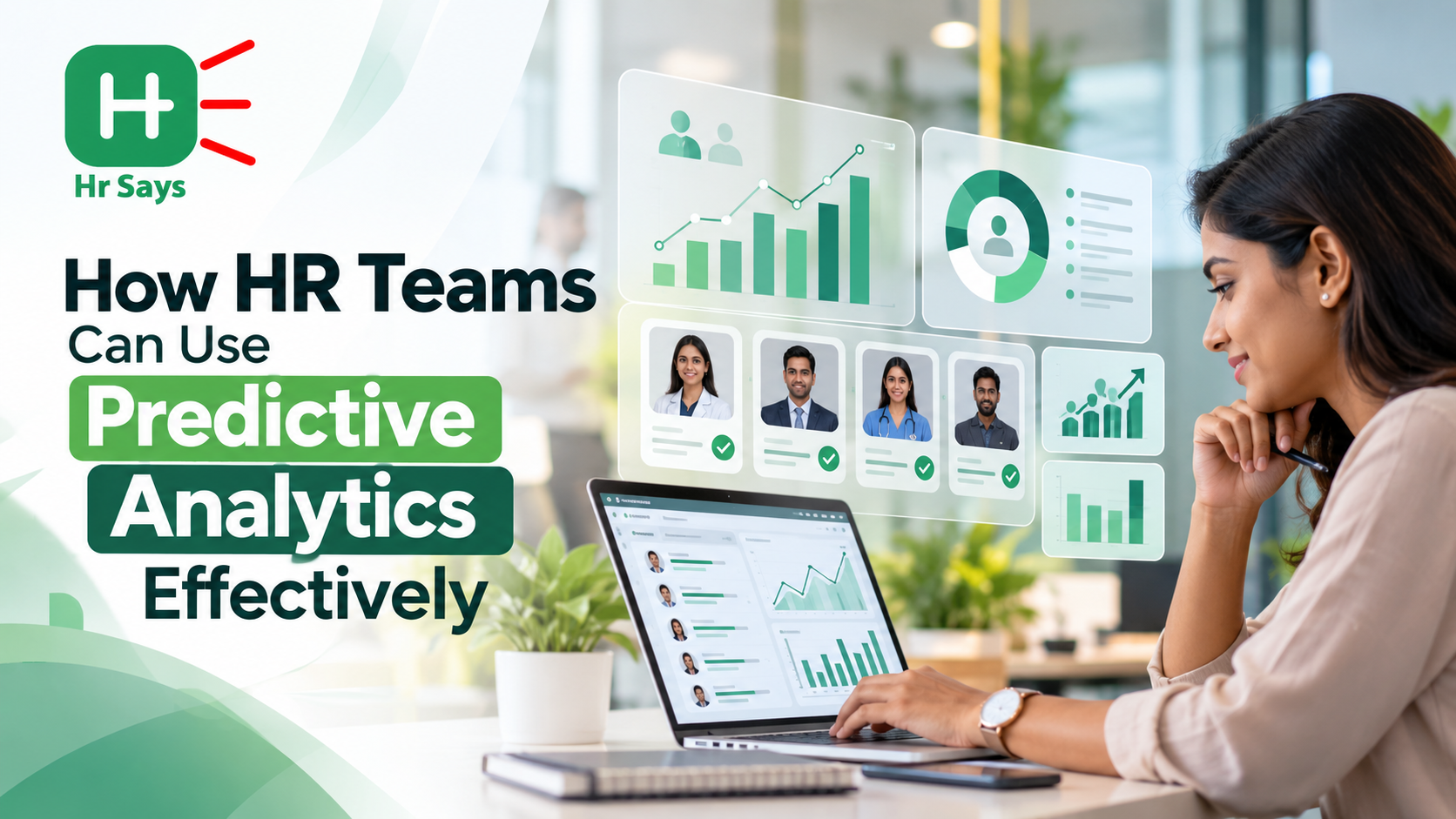
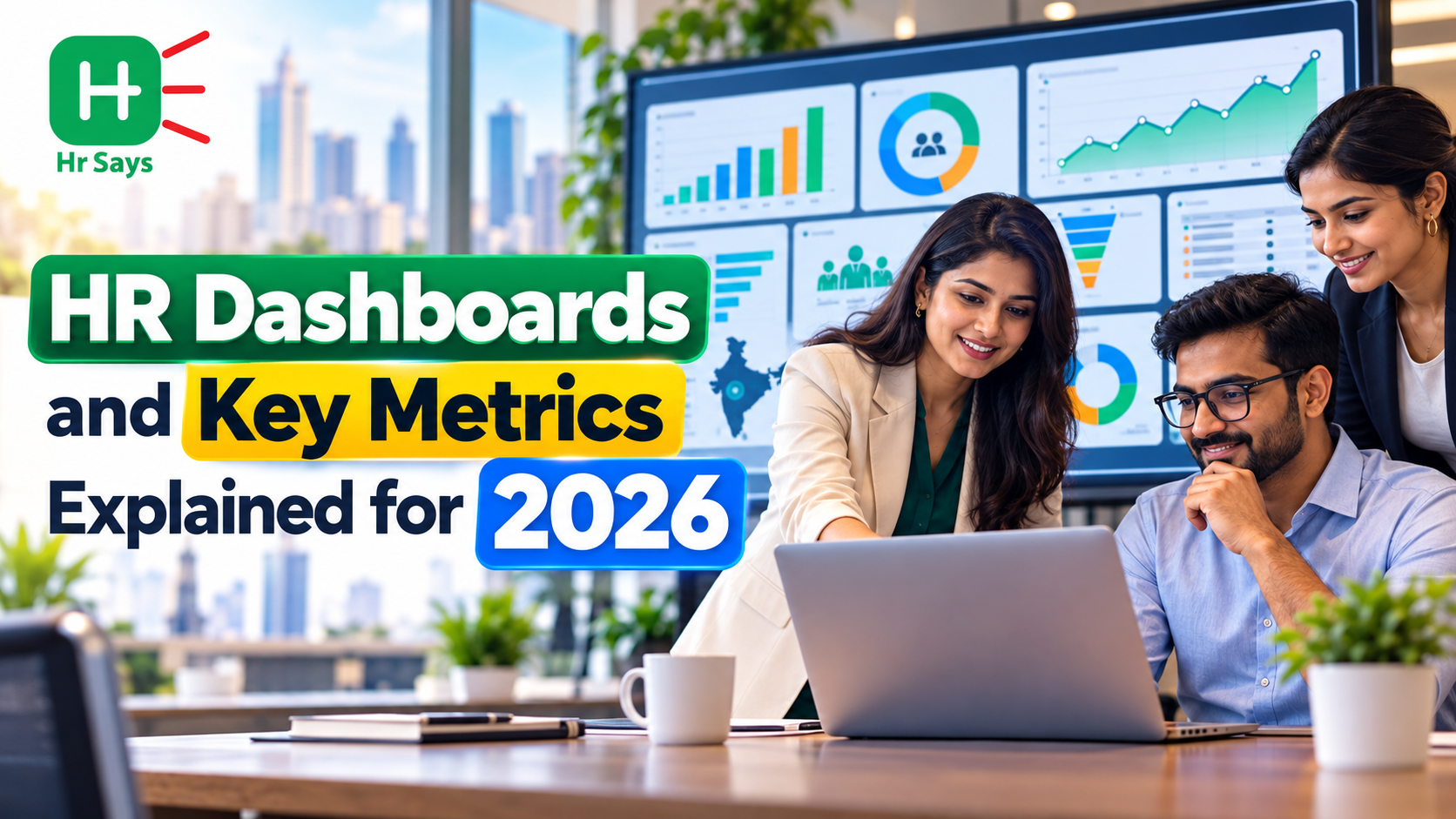
 Predictive analytics empowers HR teams to move from reactive problem-solving to proactive workforce management, improving hiring, retention, engagement, and planning through data-driven decisions that build stronger Indian workplaces.





Introduction
The way organizations manage their people has changed significantly over the past decade. HR teams are no longer limited to spreadsheets, gut feelings, and annual appraisal cycles. Today, forward-thinking HR professionals have access to something far more powerful: the ability to look at historical data and predict what is likely to happen next. That capability is called predictive analytics, and it is rapidly becoming one of the most important tools in the modern HR toolkit.
In India, where the workforce is large, diverse, and rapidly evolving, the ability to make data-informed people decisions is not just a competitive advantage. It is becoming a business necessity. Organizations operating across cities like Bengaluru, Hyderabad, Pune, Mumbai, and Delhi are dealing with high attrition, fierce talent competition, and growing pressure to demonstrate that people investments are delivering measurable returns. Predictive analytics offers HR leaders a structured way to address these challenges with clarity and confidence.
HRSays has consistently highlighted how data literacy and HR technology adoption are reshaping the future of work in India. This article explores what predictive analytics means for HR teams, how it can be applied across key HR functions, and what Indian organizations need to keep in mind as they move toward more data-driven people practices.
Understanding Predictive Analytics in the HR Context
Predictive analytics, at its core, is the practice of using historical data and statistical models to forecast future outcomes. In the HR context, it means applying data collected from recruitment processes, employee records, performance reviews, engagement surveys, and exit interviews to anticipate what might happen next within the workforce.
The distinction between descriptive and predictive analytics is important. Descriptive analytics tells HR teams what has already happened, for example, how many employees left in the last quarter or what the average time-to-hire was last year. Predictive analytics, by contrast, attempts to answer a more forward-looking question: which employees are likely to resign in the next six months, or which candidates are most likely to succeed in a given role?
This shift from reactive to proactive people management is what makes predictive analytics so valuable. Rather than addressing problems after they have already caused damage, HR teams can identify warning signs early and take action before situations escalate.
Modern HRMS platforms, applicant tracking systems, and specialized people analytics tools now make it possible for organizations of varying sizes to build predictive models without necessarily having large internal data science teams. In India, platforms such as Darwinbox, Keka, and greytHR have started incorporating analytics features that give HR professionals meaningful visibility into workforce trends.
Key Areas Where Predictive Analytics Makes a Real Difference
Predicting and Reducing Employee AttritionEmployee attrition is one of the most significant challenges facing Indian organizations today. Research consistently shows that replacing an employee can cost anywhere between six months to two years of their salary, accounting for recruitment costs, training time, and lost productivity. In high-growth sectors such as information technology, e-commerce, and financial services, attrition rates can be particularly damaging.
Predictive analytics allows HR teams to build attrition risk models that factor in variables such as tenure, recent performance ratings, promotion history, salary benchmarking data, absenteeism patterns, and even engagement survey scores. When these variables are analyzed together, the model can assign a risk score to individual employees, helping HR and business leaders identify who may be considering leaving before they actually do.
This kind of early visibility enables targeted interventions. HR teams can have meaningful conversations with at-risk employees, explore what is driving dissatisfaction, offer development opportunities, or reconsider compensation structures. The goal is not surveillance but rather genuine care for employee wellbeing backed by data.
Improving Recruitment and Hiring QualityRecruitment is one of the most resource-intensive functions in HR, and it is also one where poor decisions carry long-term consequences. Hiring someone who turns out to be a poor cultural or skills fit does not just cost money. It also affects team dynamics, manager bandwidth, and business outcomes.
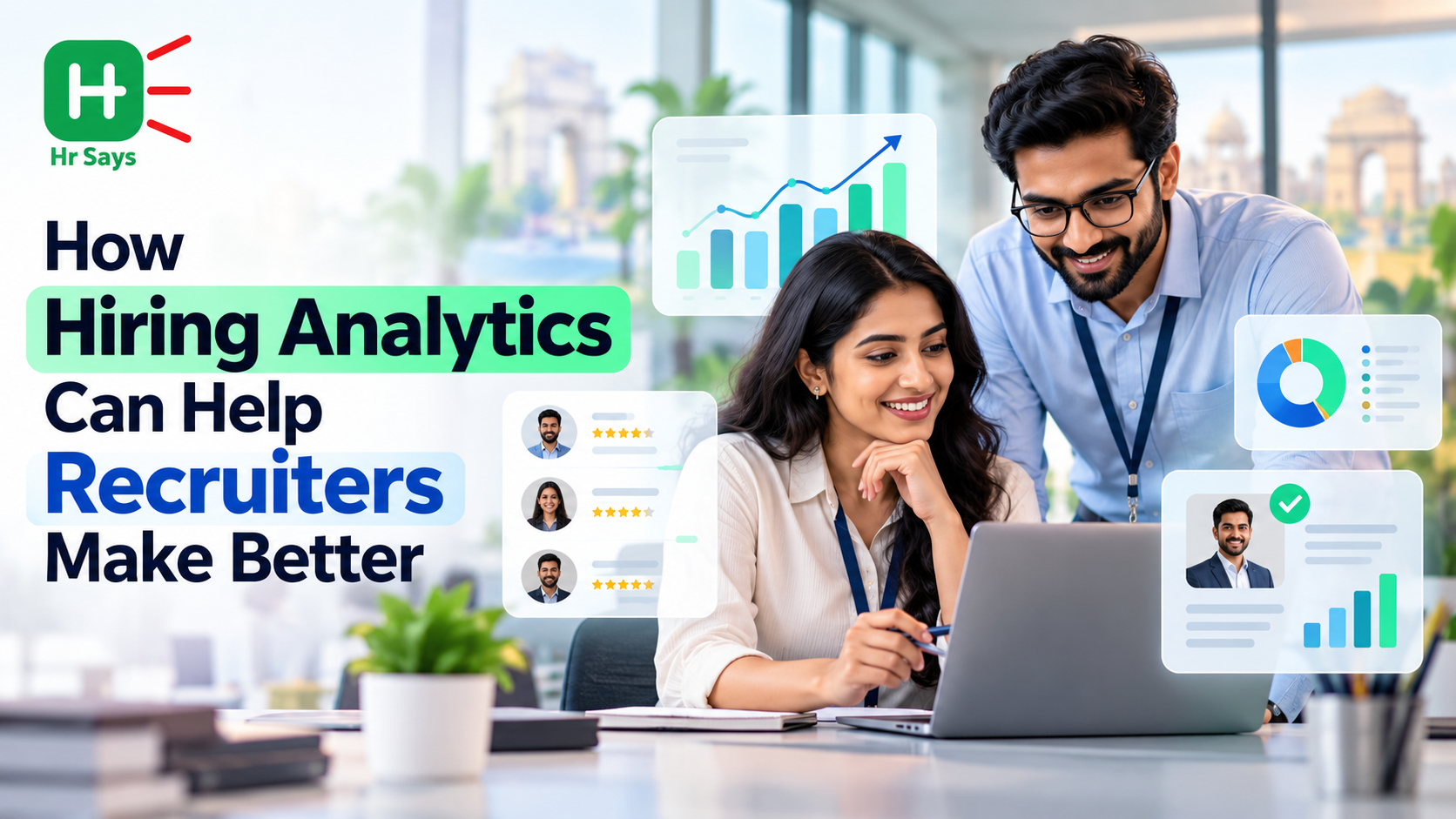
Predictive analytics can support better hiring decisions by identifying the traits, qualifications, and background patterns that correlate most strongly with success in specific roles within the organization. By analyzing data from past hires, including which candidates went on to become high performers and which did not, HR teams can build candidate scoring models that bring more objectivity to the shortlisting process.
For Indian organizations dealing with high volumes of applications, especially in sectors like banking, retail, and manufacturing, this kind of data-led filtering can significantly reduce time-to-hire while also improving the quality of candidates who make it through to the interview stage.
Workforce Planning and Skill Gap AnalysisOne of the most strategic applications of predictive analytics in HR is workforce planning. As businesses grow, restructure, or respond to market changes, the ability to forecast future talent needs becomes critical. Predictive models can help HR teams anticipate which roles will be in high demand six to twelve months from now, where current skill gaps exist, and whether internal talent development or external hiring is the more efficient path forward.
In the Indian context, where digital transformation is accelerating across sectors including banking, healthcare, and manufacturing, workforce planning informed by data is particularly valuable. Organizations that can identify emerging skill requirements early and invest in upskilling their existing workforce are better positioned to stay competitive.
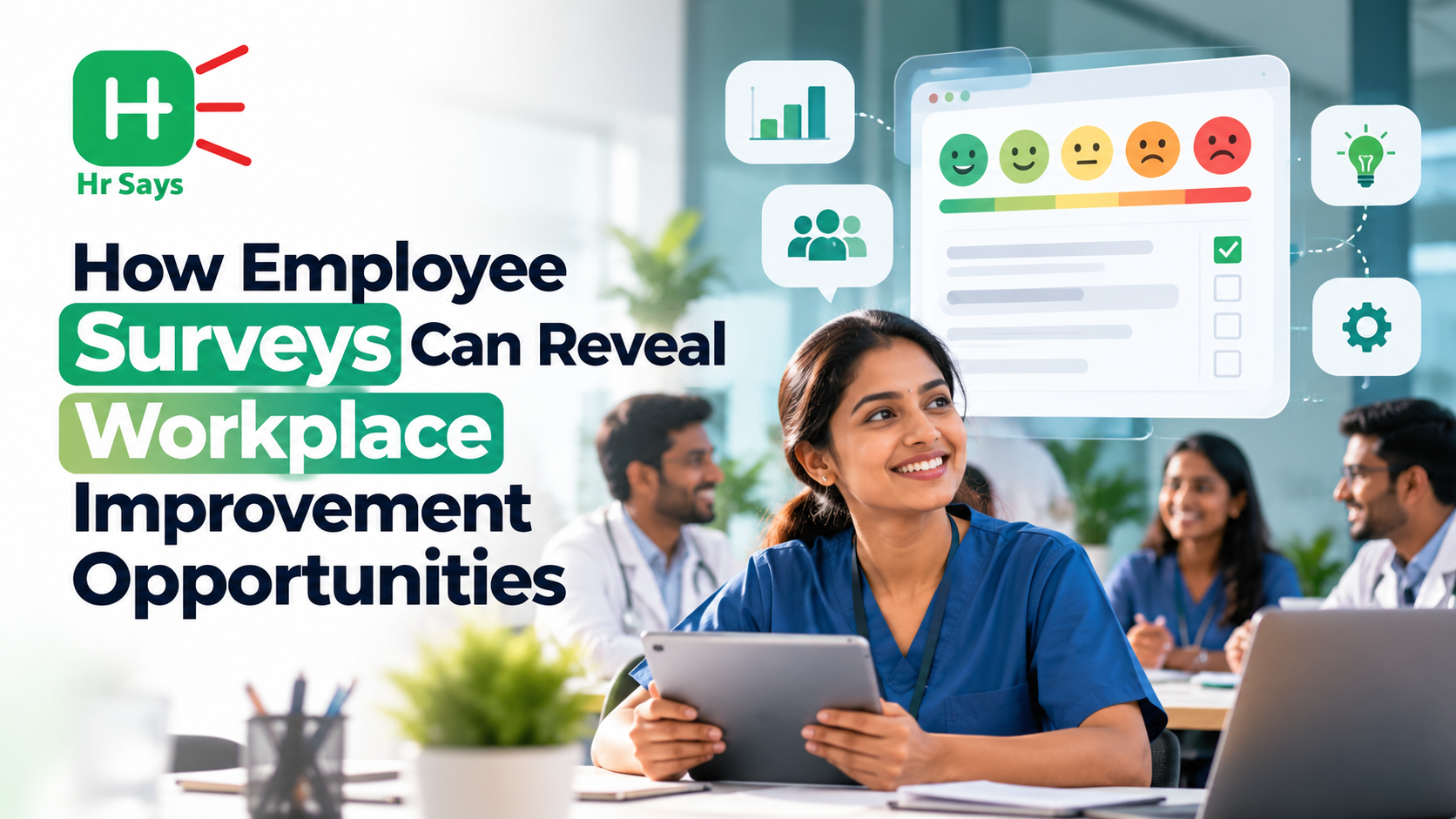
Enhancing Employee Engagement and PerformanceEngagement surveys have long been a standard HR tool, but their value is often limited by the time it takes to collect, analyze, and act on the data. Predictive analytics changes this by enabling HR teams to track engagement-related signals in real time and build models that can forecast which teams or departments are likely to see declining engagement before it becomes visible in formal survey results.
Indicators such as declining participation in internal initiatives, reduced feedback scores, changes in performance review ratings, or patterns in leave utilization can all serve as data inputs for engagement prediction models. When HR teams are armed with this kind of intelligence, they can take proactive steps to address potential issues at the team or individual level.
Building the Right Foundation for Predictive Analytics
Data Quality Is Non-NegotiablePredictive analytics is only as reliable as the data that feeds it. For Indian HR teams looking to adopt this approach, investing in clean, consistent, and comprehensive data management is the essential first step. This means ensuring that employee records are complete, performance data is captured systematically, and engagement survey participation is high enough to be statistically meaningful.
Many organizations in India still rely on fragmented systems where HR data sits across multiple platforms that do not communicate with each other. Consolidating this data onto an integrated HRMS platform is a critical enabler of meaningful analytics.
HR Teams Need Basic Data LiteracyThe success of predictive analytics in any organization depends significantly on whether the HR team is comfortable interpreting and acting on data. HR leaders do not need to become data scientists, but they do need to understand the basics of how models work, what the outputs mean, and how to translate insights into practical action.
Platforms like HRSays play an important role here by making HR knowledge more accessible and helping professionals stay current with how technology is reshaping the field. Investing in data literacy training for HR teams is not optional. It is the foundation on which smarter people decisions are built.
Ethical Use of Data and Employee PrivacyAs organizations collect and analyze more employee data, ethical considerations become increasingly important. In India, while a comprehensive personal data protection framework is still evolving, organizations have a responsibility to be transparent with employees about what data is being collected, how it is being used, and what decisions it might inform.
Predictive models can sometimes reflect historical biases present in the data they are trained on. For example, if past hiring decisions favored candidates from certain institutions or demographics, a model trained on that data may perpetuate those biases. HR teams must actively monitor for this and ensure that analytics tools support human judgment rather than replace it.
Common Challenges Indian HR Teams Face in Adopting Predictive Analytics
The path to data-driven HR is not without obstacles, particularly in the Indian organizational context. Several challenges tend to come up repeatedly:
- Many small and mid-sized enterprises lack the structured data infrastructure needed to run meaningful predictive models.
- Leadership teams outside of HR are not always convinced of the value of people analytics, making it difficult to secure investment in the necessary tools and training.
- HR professionals who have built their careers on experience and intuition sometimes find it difficult to trust or champion a data-led approach.
- Data silos across departments such as finance, operations, and HR make it hard to build a complete picture of the employee experience.
Addressing these challenges requires both internal advocacy and a willingness to start small. Organizations do not need to build complex predictive systems overnight. Starting with a single use case, such as attrition prediction or recruitment scoring, and demonstrating measurable impact is an effective way to build organizational confidence and momentum.
The Road Ahead for Predictive Analytics in Indian HR
India's HR technology landscape is evolving at a pace that few could have anticipated even five years ago. The convergence of artificial intelligence, machine learning, and people analytics is creating new possibilities for how organizations understand and manage their workforce.
Progressive HR leaders in India are already recognizing that the organizations that will win the talent war in the years ahead are not necessarily those with the biggest recruitment budgets or the most attractive office spaces. They are the organizations that understand their people deeply, anticipate their needs, and create conditions where talented professionals choose to stay and grow.
Predictive analytics is not a silver bullet. It works best when it is embedded within a broader culture of evidence-based decision-making, continuous learning, and genuine investment in employee experience. For HR teams that are ready to move in that direction, the tools and knowledge needed to get started have never been more accessible.
Conclusion
Predictive analytics represents a meaningful shift in how HR teams can contribute to organizational success. By moving from reactive problem-solving to proactive people management, HR professionals can help their organizations make smarter decisions about hiring, retention, engagement, and workforce planning. For Indian organizations navigating a competitive and complex talent environment, this capability is increasingly relevant.
The journey toward data-driven HR does not require perfection from day one. It requires curiosity, commitment to data quality, a willingness to invest in HR capability, and a clear ethical framework for how people data is used. HR teams that embrace this direction are not just building better workplaces for today. They are shaping organizations that are genuinely prepared for the future of work.
Frequently Asked Questions
Q1: What is predictive analytics in HR?
Predictive analytics in HR refers to the use of historical employee data, statistical models, and machine learning tools to forecast future workforce outcomes such as attrition, hiring success, engagement levels, and performance trends. It helps HR teams move from reactive to proactive decision-making.
Q2: How does predictive analytics help in reducing employee attrition?
By analyzing patterns in employee data such as tenure, performance scores, engagement survey results, and absenteeism, predictive models can identify employees who are at a higher risk of leaving. This gives HR teams the opportunity to intervene early with targeted retention strategies before the situation escalates.
Q3: Is predictive analytics suitable for small and mid-sized companies in India?
Yes. Many modern HRMS platforms available in India now offer built-in analytics features that make predictive capabilities accessible even to small and mid-sized organizations. These tools do not require large data science teams and are increasingly user-friendly for HR professionals.
Q4: What data does HR need to run predictive analytics?
HR teams typically need employee demographic data, performance review records, attendance and leave data, compensation history, engagement survey responses, and exit interview insights to build effective predictive models. Data quality and completeness are essential for reliable outputs.
Q5: What are the ethical concerns around using predictive analytics in HR?
Key ethical concerns include data privacy, algorithmic bias, transparency in decision-making, and employee consent. HR teams must ensure that predictive tools are used to support human judgment rather than replace it, and that all data handling complies with applicable laws and organizational policies.
Resources
- Society for Human Resource Management (SHRM): Research and insights on HR analytics adoption and workforce planning best practices.
- LinkedIn Talent Solutions Global Talent Trends Report: Annual report covering data-driven HR trends, including predictive analytics applications in talent acquisition and retention.
- NASSCOM Future of Work Reports: India-focused research on HR technology adoption, workforce transformation, and digital HR capabilities across Indian industries.
- Josh Bersin Academy: Research and frameworks on people analytics maturity models and how organizations build data-driven HR functions.
- National HRD Network India (NHRDN): Resources for HR professionals in India on leadership, technology adoption, and workforce strategy.
Interlinking Keywords
predictive analytics in HR, HR data analytics India, employee attrition prediction, workforce planning tools, HR technology platforms India, people analytics strategy, data-driven hiring, employee engagement analytics, HR digital transformation, HRMS platforms India
Last Reviewed By
Dr. Manthan Tripathi and Hr Says Advisory Panel on 29 September 2026.
Disclaimer
The information provided in this article is intended for general educational and informational purposes only. It does not constitute professional HR, legal, or data compliance advice. Organizations should consult qualified HR technology experts and legal advisors before implementing predictive analytics systems, particularly with respect to employee data privacy and applicable regulations in India.