 Sunday, September 20, 2026
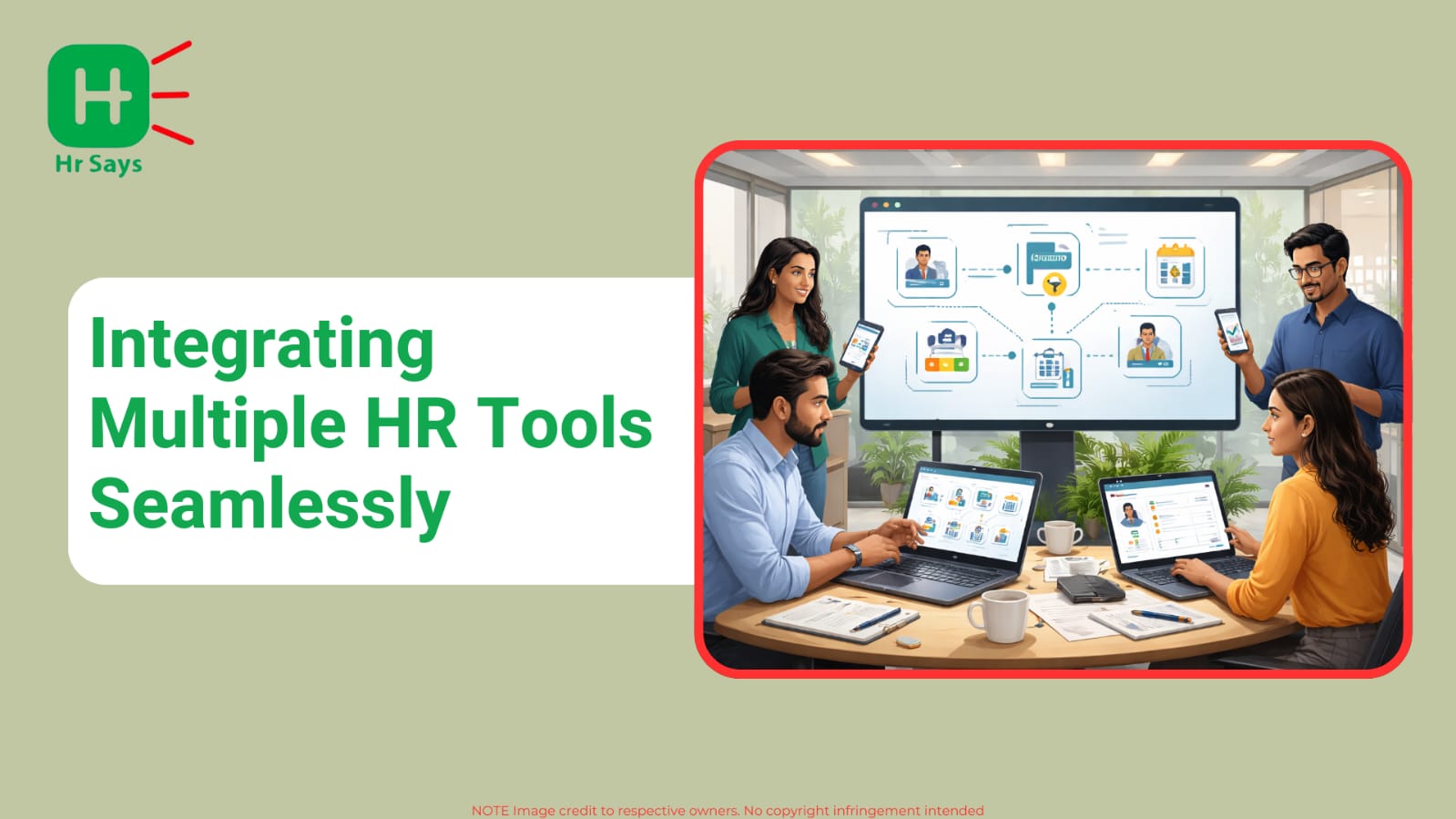
 Modern HR departments rely on multiple digital tools, but disconnected systems often create inefficiencies. Seamless integration connects recruitment, payroll, analytics, and employee management platforms, allowing HR teams to improve data accuracy, streamline workflows, and strengthen workforce decision making.




There are hardly instances when human resource teams are dependent on a single platform. Recruitment, payroll, employee engagement, performance management and analytics are usually executed using disparate tools. Although both systems have their advantages on their own merit, the true difficulty is to ensure that both systems work in harmony. Smooth integration has the ability of turning disjointed processes into a seamless workflow.
Why HR Teams Use Multiple Tools Today
The contemporary working processes are in a very digitalized setting. HR departments rely on various dedicated tools to deal with various elements of the employee lifecycle. One of these systems may be used to track candidates who have applied and another system is used to process payroll or engage the employees.
This disintegration is common since the adoption of tools is slow in the organizations. A firm can start by having a payroll platform, implement performance management, and then HR analytics, and employee engagement software.
While each solution improves efficiency in its own area, disconnected systems can create operational gaps. Data might need to be manually transferred between platforms. Reports may not reflect real time information. HR professionals can spend valuable hours moving between dashboards instead of focusing on people.
Common HR technologies used together include:
- Applicant Tracking Systems (ATS)
- HRIS platforms for employee data management
- Payroll and benefits software
- Employee engagement platforms
- Performance management tools
- HR analytics dashboards
When these systems operate independently, the employee data ecosystem becomes fragmented. The same information may exist in multiple places, increasing the risk of inconsistencies.
A well integrated HR technology stack helps resolve this issue. Information flows between systems automatically, allowing HR teams to maintain accurate employee records, streamline recruitment pipelines, and generate reliable workforce insights.
In a time when data driven decision making is becoming essential, integration is no longer optional. It is becoming a foundational requirement for modern HR management.
Challenges That Appear Without Integration
Disconnected HR tools often create silent inefficiencies. These problems are rarely visible at first but gradually affect productivity and decision making.
Several common challenges tend to appear:
- Duplicate employee data across multiple systems
- Manual data entry between platforms
- Delays in payroll or onboarding processes
- Difficulty generating consolidated HR reports
- Increased risk of compliance errors
For example, when recruitment software does not sync with the HRIS platform, new employee data must be manually entered again after hiring. Small errors can easily occur during this transfer.
Similarly, performance data may sit in one system while employee profiles exist in another. Without integration, leadership teams may struggle to access a full picture of workforce performance.
These issues may appear operational, but they ultimately affect strategic planning. HR leaders depend on accurate workforce analytics to guide hiring decisions, retention strategies, and organizational growth.
Strategies For Seamless HR Tool Integration
Effective integration begins with a clear technology strategy. Instead of adopting tools randomly, HR teams benefit from selecting systems designed to connect easily.
Several practical approaches can support smoother integration.
Choose Platforms With Open APIsModern HR software platforms often offer open API frameworks. APIs allow different systems to exchange information automatically, making it easier to sync employee data, payroll records, and recruitment updates.
Centralize Employee Data Through HRISAn HRIS platform can act as the central source of truth. Other tools connect to this core system, ensuring that employee information remains consistent across platforms.
Automate Data FlowAutomation reduces manual intervention. When a candidate is hired, their data can automatically move from the applicant tracking system into the HRIS and payroll system.
Prioritize Data SecurityIntegration should never compromise employee data security. Secure authentication, controlled access, and encrypted data transfers are essential when multiple platforms interact.
When these strategies are implemented carefully, HR teams gain a connected ecosystem rather than a collection of isolated tools.
Long Term Benefits For HR Operations
When HR systems communicate effectively, daily operations become significantly smoother.
Several advantages are often observed:
- Faster employee onboarding
- More accurate workforce analytics
- Reduced administrative workload
- Improved compliance tracking
- Better employee experience
Instead of managing scattered information, HR professionals can focus on strategic initiatives such as talent development and employee engagement.
Integration also strengthens decision making. When recruitment metrics, employee performance data, and engagement insights are connected, leadership gains a clearer understanding of workforce trends.
Over time, a well integrated HR technology stack becomes a powerful foundation for organizational growth.
Conclusion
Integrating multiple HR tools is not simply a technical improvement. It is a shift toward smarter workforce management. When systems connect seamlessly, HR teams spend less time managing platforms and more time supporting people and organizational development.