 Sunday, October 25, 2026
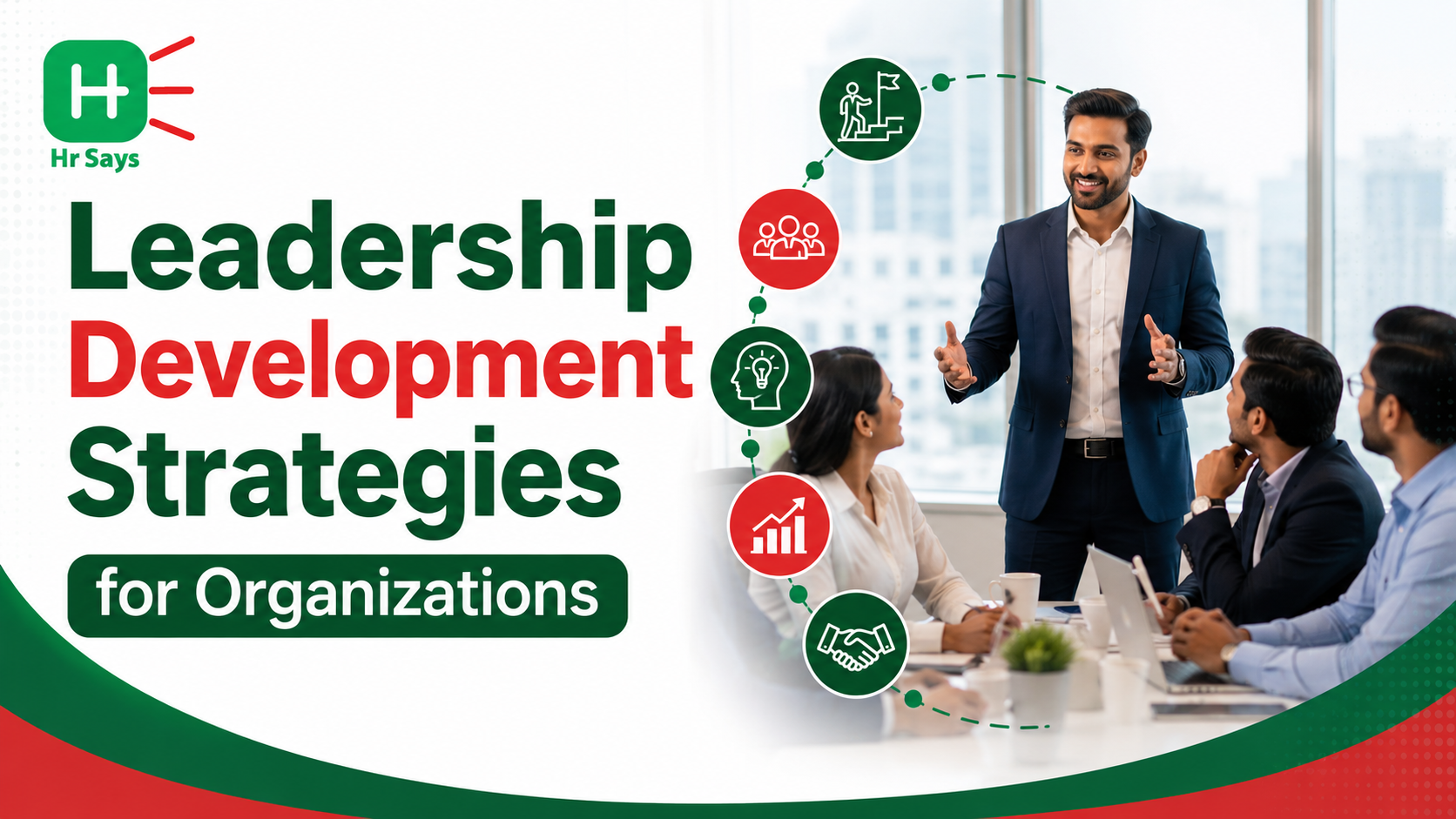
 Effective leadership development strategies help Indian organizations build capable leaders through structured programs, mentoring, blended learning, succession planning, and measurable outcomes for sustained growth.





Introduction
Every organization in India today faces the same silent pressure: the people in leadership roles will not always be there, and the people waiting to step up are often underprepared. Whether it is a fast-growing startup in Bengaluru, a mid-sized manufacturing company in Pune, or a large enterprise operating across Tier 1 and Tier 2 cities, the question of who will lead the next phase of growth is one that very few companies have a credible answer to.
Leadership development is no longer a luxury reserved for large corporations with generous L&D budgets. It is a core business function, one that directly determines whether an organization can sustain its momentum, handle disruption, and build a workplace that attracts and retains good people. The challenge, however, is that most organizations either treat leadership development as an annual training event or delegate it entirely to HR without connecting it to actual business strategy.
This guide explores what meaningful leadership development looks like in practice, why organizations in India need to approach it differently, and what concrete strategies actually produce leaders who are ready to perform.
Understanding Leadership Development and Why It Matters Now
Leadership development refers to the deliberate, structured effort an organization makes to identify potential leaders, strengthen their capabilities, and prepare them for greater responsibility over time. It goes well beyond sending managers to a two-day workshop. Done well, it is an ongoing process that integrates learning into how work actually gets done every day.
The urgency of this work has grown significantly in India's current business environment. According to research from global leadership institutions, a majority of senior executives identify leadership development as one of their most pressing challenges, yet a large proportion of organizations do not have a formal pipeline in place. In the Indian context, this gap is especially visible in sectors undergoing rapid change, including technology, healthcare, financial services, and manufacturing.
The consequences of neglecting leadership development are tangible. Organizations that do not invest in building leaders internally tend to over-rely on external hiring for senior roles, which increases costs, disrupts culture, and slows down decision-making. They also struggle with higher attrition, because employees who see no growth path within their current organization will simply find one elsewhere.
At its core, leadership development is an investment in organizational continuity. It ensures that when a department head leaves, a regional director is promoted, or a new business unit is launched, there are people who are already equipped to take on those responsibilities with confidence.
Key Leadership Competencies That Organizations Must Build
Before designing any leadership development program, organizations need clarity on what kind of leadership they are trying to build. This is not a generic question. The answer depends on the organization's size, its industry, its stage of growth, and the specific challenges it faces.
That said, certain core competencies are consistently relevant across organizations, regardless of sector:
- Strategic thinking: The ability to connect day-to-day decisions to long-term organizational goals. Leaders who think strategically help their teams understand not just what they are doing but why it matters.
- Communication and influence: Effective leaders communicate clearly, listen actively, and know how to bring people along on decisions. In large Indian organizations where hierarchy is deeply embedded, this skill is particularly critical.
- Emotional intelligence: The capacity to understand and manage one's own emotions while also reading and responding to the emotions of others. This directly affects team morale, conflict resolution, and employee trust.
- Decision-making under uncertainty: Leaders are constantly required to make judgment calls without complete information. Training people to do this with confidence and a sound process is one of the most valuable things an organization can do.
- Change management: As Indian businesses undergo digital transformation, process restructuring, and workforce redesign, leaders who can guide their teams through change without losing productivity are invaluable.
Building these competencies does not happen through classroom instruction alone. It requires a combination of formal learning, structured feedback, mentoring, and real-world experience with increasing levels of responsibility.
Designing an Effective Leadership Development Program
Start With a Needs AssessmentThe most common reason leadership development programs fail is that they are designed without a clear understanding of what the organization actually needs. Before investing in any program, HR leaders and senior management should conduct a structured assessment that asks: where are the leadership gaps today, where do we expect them to emerge in the next two to three years, and what capabilities are currently missing from our leadership bench?
This assessment should look at current performance data, succession planning gaps, employee feedback, and strategic business priorities. In organizations that operate across multiple cities or states in India, this assessment should also account for regional leadership needs, because the challenges a manager faces while leading a team in Mumbai may differ significantly from those faced by a counterpart managing operations in a smaller city.
Define Leadership Levels and Tailor Development AccordinglyOne of the most important structural decisions in leadership development is recognizing that different levels of leadership require different kinds of development. An emerging team leader needs very different support than a senior vice president preparing for an executive role.
For first-time managers and emerging leaders, the priority is building self-awareness, foundational communication skills, and the ability to manage team dynamics. Mentoring, peer learning groups, and structured feedback through tools like 360-degree assessments are particularly effective at this stage.
For mid-level managers, the focus shifts to strategic thinking, cross-functional collaboration, and leading through complexity. Stretch assignments, project-based learning, and exposure to senior leadership discussions are more useful here than formal coursework alone.
For senior leaders and those being prepared for executive roles, the emphasis moves to business acumen, stakeholder management, organizational culture, and long-term vision. Executive coaching, board exposure, and participation in strategic planning processes all play a meaningful role at this level.
Use a Blended Learning ApproachResearch consistently shows that blended learning, which combines in-person instruction with digital learning, coaching, on-the-job experiences, and peer interaction, produces the most lasting outcomes. The Center for Creative Leadership's body of research suggests that leadership development that happens primarily in a classroom setting without real-world application tends to fade quickly.
In the Indian context, blended learning also makes practical sense because organizations often have leadership talent spread across geographies. Digital learning platforms allow employees in Tier 2 cities such as Nagpur, Coimbatore, or Bhubaneswar to access the same quality of development that their counterparts in metropolitan offices receive. This equity in access is not just a matter of fairness; it is a business imperative.
Integrate Coaching and MentoringFormal coaching and mentoring are among the most powerful accelerators of leadership growth, yet they remain underutilized in many Indian organizations. A structured mentoring program pairs emerging leaders with experienced senior professionals who can offer perspective, guidance, and candid feedback that is difficult to get through formal training alone.
Coaching, which is more focused and often facilitated by trained external coaches, helps leaders work through specific behavioral or strategic challenges in real time. Organizations that invest in executive coaching for their high-potential talent consistently report faster development, higher retention of those individuals, and better business outcomes in the roles they move into.
Succession Planning as a Strategic Pillar
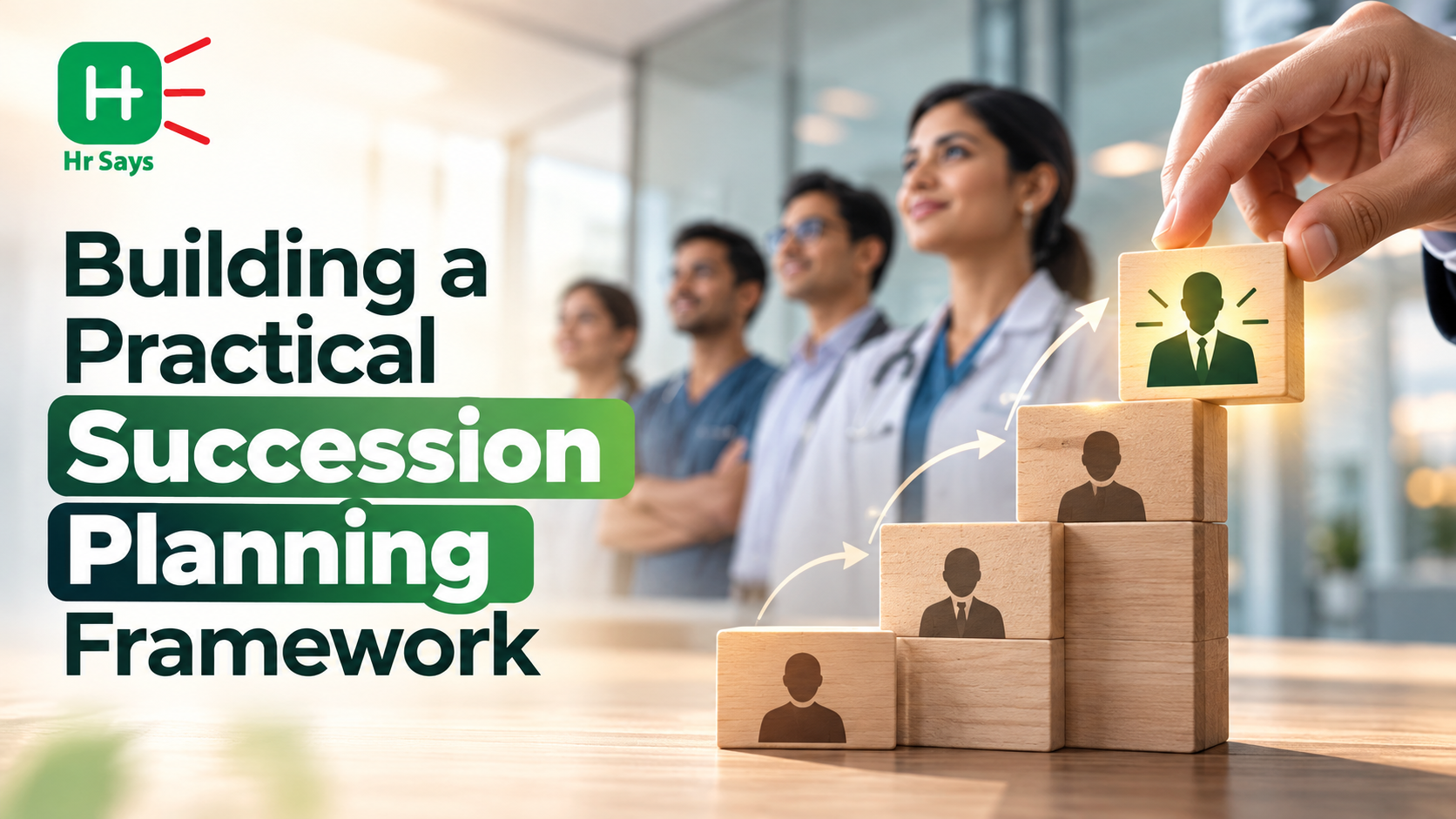
Leadership development and succession planning are two sides of the same coin. A leadership development program that does not connect to a clear succession pipeline is incomplete. Succession planning ensures that the investment made in developing leaders actually translates into organizational readiness.
Effective succession planning involves identifying two or three internal candidates who could potentially fill each critical role, assessing their current readiness, and building structured development plans to close the gap between where they are and where they need to be. It is not about creating a fixed list of names; it is about building a dynamic talent pool that is continuously updated as people grow and circumstances change.
For Indian organizations that have traditionally relied on either promoting on the basis of tenure or hiring externally for senior roles, this represents a significant cultural shift. HR leaders play a central role in driving this shift by building the tools, conversations, and accountability structures that make succession planning a living practice rather than an annual exercise on paper.
Measuring the Impact of Leadership Development
Any serious investment in leadership development must come with a framework for measuring outcomes. Without measurement, it is impossible to know whether the program is working, where it needs to be adjusted, or how to make the case for continued investment to senior leadership.
The most commonly used metrics include the rate of internal promotions from within the development program, improvement in employee engagement scores in teams led by program participants, reduction in attrition among high-potential talent, and the degree to which participants demonstrate measurable improvement in specific leadership competencies over time.
Organizations can also measure the business impact of leadership development through improvements in team productivity, project completion rates, and revenue generated by functions led by developed leaders. While isolating the contribution of leadership development specifically can be methodologically challenging, a consistent pattern of improved outcomes in developed leaders versus those who did not receive development is itself a meaningful signal.
Platforms and HR tools that support ongoing performance tracking, 360-degree feedback, and learning analytics make this measurement considerably easier. For HR professionals and organizations exploring modern approaches to leadership capability building, platforms like HRSays offer access to insights, frameworks, and conversations that help practitioners design programs grounded in evidence and workplace reality.
Common Mistakes Organizations Make in Leadership Development
Even organizations that invest meaningfully in leadership development often make avoidable mistakes that reduce the impact of their programs:
- Treating leadership development as a one-time event rather than a continuous journey
- Failing to secure visible commitment from the CEO and senior leadership team, which signals to the rest of the organization that development is genuinely valued
- Designing programs without involving the business units that will be affected, leading to initiatives that feel disconnected from real work
- Focusing exclusively on top talent while neglecting the broader middle-management layer, which is often where organizational culture is actually shaped
- Not building in accountability mechanisms that hold both participants and their managers responsible for applying what has been learned
Avoiding these mistakes requires both design discipline and organizational will. The HR function plays a critical role in both.
Conclusion
Building strong leaders is one of the most consequential investments an organization can make, and it is also one of the most complex. It requires a clear understanding of what the business needs, a thoughtful program design that matches development to leadership level, sustained organizational commitment from the top, and a genuine culture of learning that supports leaders at every stage of their career.
For Indian organizations navigating rapid growth, talent shortages, digital transformation, and an increasingly competitive war for talent, leadership development is not optional. The organizations that will thrive over the next decade are those that are building their leadership bench today, with intention, structure, and a long-term view.
HR professionals, business leaders, and founders who are serious about building better workplaces must treat leadership development not as a program to run once a year but as an ongoing organizational discipline. That is the mindset shift that separates organizations that produce leaders from those that simply produce managers.
Frequently Asked Questions
Q1: What is the difference between leadership training and leadership development?
Leadership training typically refers to specific skill-building sessions, such as a communication workshop or a course on delegation. Leadership development is a broader, longer-term process that includes training but also encompasses mentoring, coaching, stretch assignments, feedback, and deliberate career progression. Training is a component of development, not a substitute for it.
Q2: How do Indian organizations identify high-potential employees for leadership development?
Most organizations use a combination of performance appraisal data, manager nominations, 360-degree feedback, and psychometric or leadership assessments to identify high-potential talent. Some also use assessment centers, where employees work through simulated leadership challenges that reveal their current capabilities and growth potential. The key is to look beyond current performance and assess future potential and learning agility.
Q3: How long does it take to see results from a leadership development program?
This depends on the depth of the program and the starting point of participants. Organizations typically begin to see behavioral changes within three to six months of a structured program, and measurable business outcomes within twelve to eighteen months. Programs that combine formal learning with real-world application and ongoing coaching tend to produce results faster than those that rely on classroom instruction alone.
Q4: What role does organizational culture play in leadership development?
Culture is both the context in which leadership development happens and one of the outcomes it seeks to shape. Organizations that have a culture of learning, where curiosity is rewarded, feedback is welcomed, and mistakes are treated as learning opportunities, tend to produce better leaders. Conversely, organizations with rigid hierarchies or cultures of blame often undermine the development of the very leaders they claim to be building.
Q5: Can small and mid-sized Indian companies build effective leadership development programs without large budgets?
Absolutely. Many of the most effective leadership development practices, including mentoring, structured feedback conversations, peer learning groups, and stretch assignments, cost very little. What they require is intentionality and consistent follow-through. Smaller organizations often have an advantage because their leaders are closer to the business and can offer more direct, context-rich guidance to those they are developing.
Resources
- Center for Creative Leadership (CCL): Research and frameworks on effective leadership development strategies and program design for organizations of all sizes
- LinkedIn Workplace Learning Report: Annual insights on how organizations worldwide are approaching leadership and talent development, including data on program adoption and effectiveness
- SHRM India: Guidance on HR best practices, leadership competency frameworks, and people development strategies relevant to the Indian organizational context
- Ministry of Skill Development and Entrepreneurship, Government of India (msde.gov.in): National frameworks for skill development and workforce capability building in India
- NASSCOM: Research on leadership and talent trends in India's technology sector, with relevance to digital and knowledge-economy organizations
Interlinking Keywords
leadership development program, succession planning, employee engagement, high-potential employees, HR best practices, learning and development, performance management, talent retention, blended learning, workplace culture
Disclaimer:
The information provided in this article is intended for general informational and educational purposes only. It does not constitute professional HR, legal, or organizational consulting advice. Organizations are encouraged to evaluate their specific context and consult qualified professionals before implementing leadership development programs or making talent decisions.