 Saturday, October 24, 2026
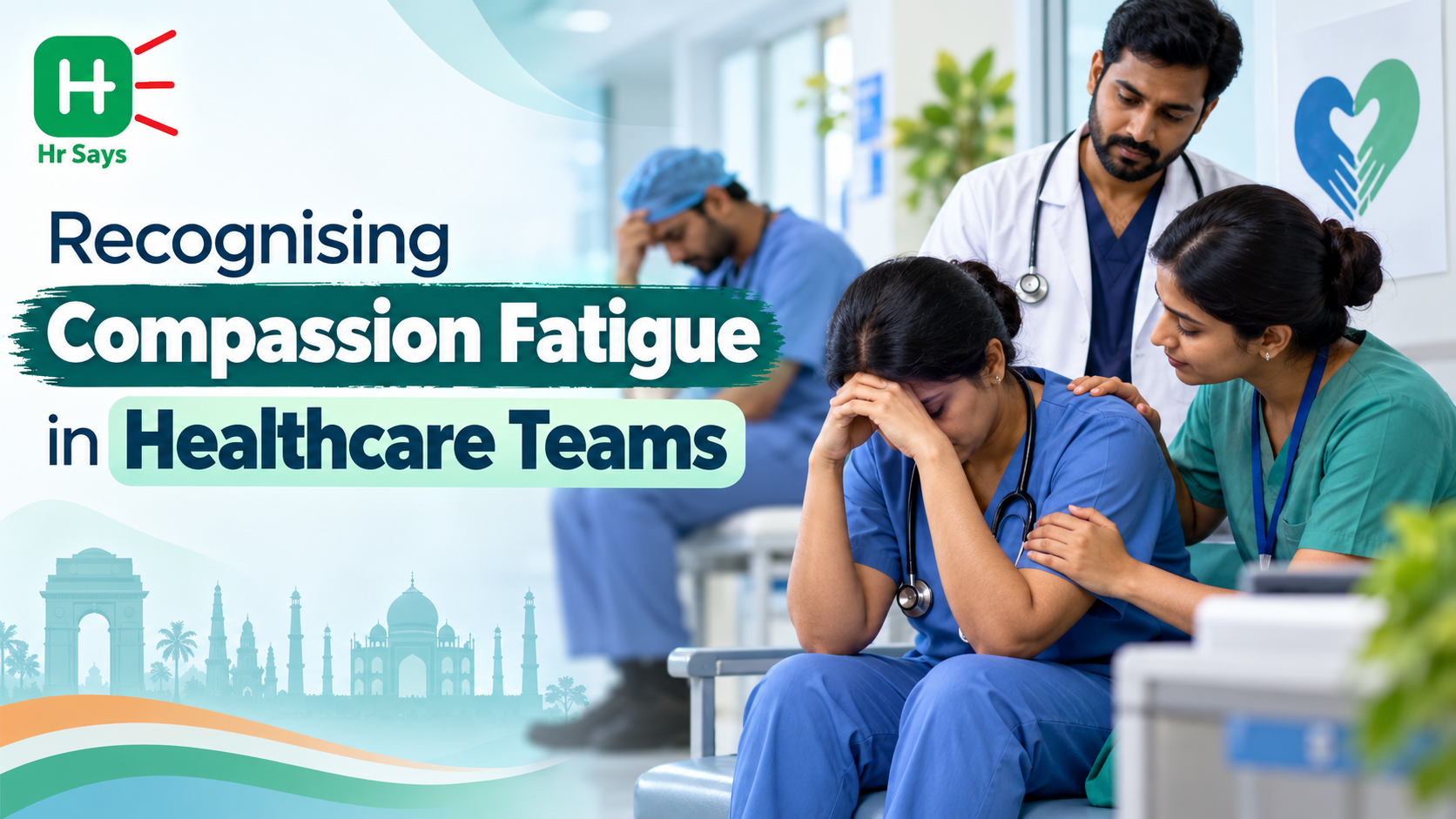
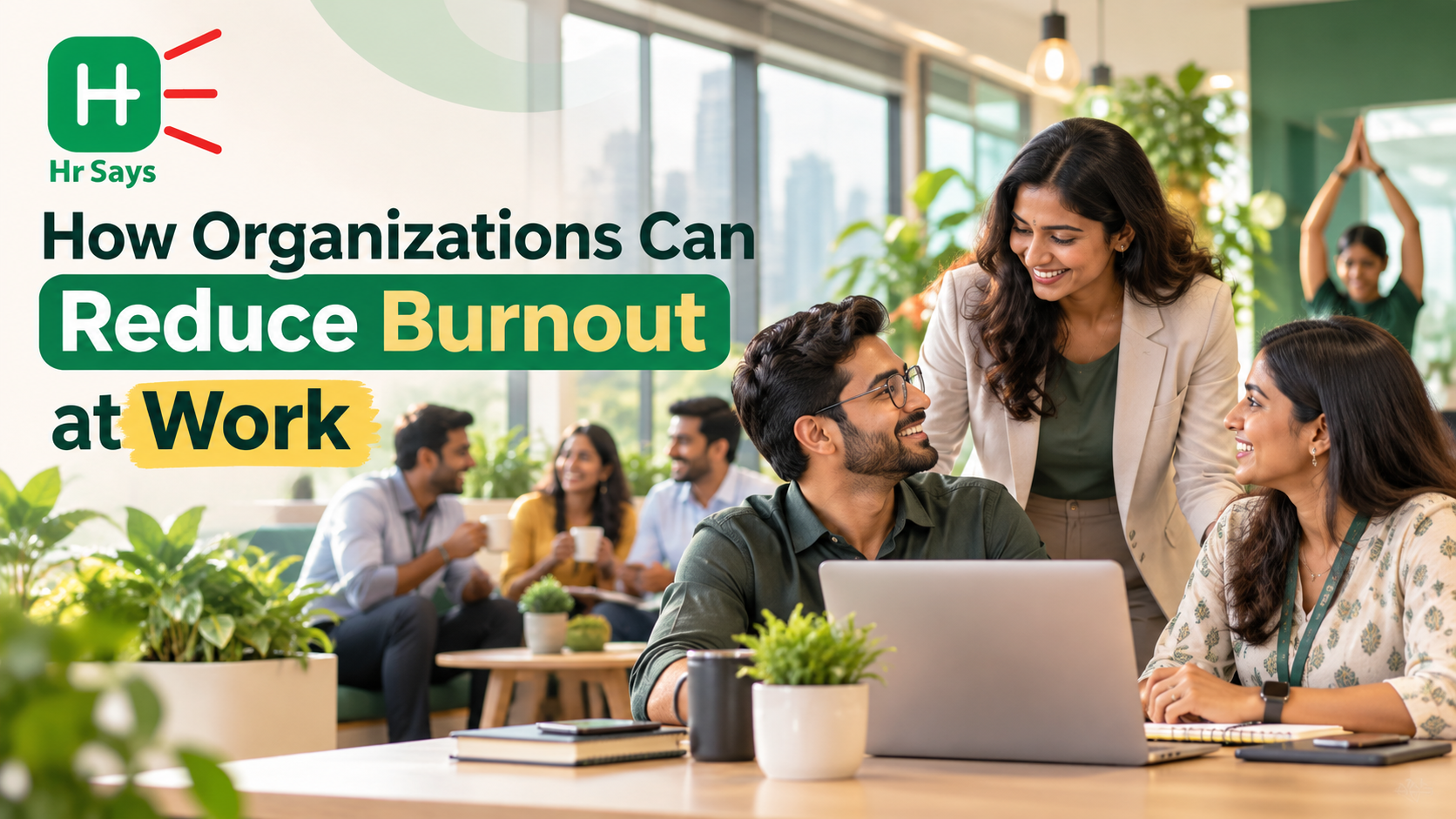
 Compassion fatigue can affect healthcare workers through emotional exhaustion, reduced empathy, stress, and declining performance. Early HR support, better rostering, peer programmes, confidential counselling, and timely referrals can protect wellbeing.




You’re an HR leader in an urban tertiary hospital or managing staff in a busy district clinic in India. You’ve seen the tired eyes at the nurses’ station, the clinician who used to smile now keeping to themselves, the junior doctor who’s missing shifts but refusing leave. These are not always performance problems — sometimes they are signs of compassion fatigue.
This guide is written for HR professionals in Indian healthcare settings: public hospitals, private hospitals, community health centres and non-profit clinics. It explains what compassion fatigue looks like, why it matters for healthcare employee wellbeing and staff retention, and practical steps you can take to support teams early and ethically.
What it meansCompassion fatigue is the emotional and physical exhaustion that comes from caring repeatedly for people in distress. It shares features with burnout but is often linked specifically to exposure to patient suffering and secondary trauma — the emotional residue of hearing about or witnessing traumatic experiences.
In practice, compassion fatigue can show as:
- Emotional exhaustion: a drained, numb feeling after shifts.
- Reduced empathy or a sense of detachment from patients and colleagues.
- Increased irritability, cynicism or negative thinking about work.
- Sleep problems, headaches, or somatic complaints without clear medical causes.
- Decline in concentration, mistakes, or slower decision-making.
Explain jargon: secondary trauma refers to symptoms that mirror post-traumatic stress in people who have not been directly harmed but who have been repeatedly exposed to others’ trauma. It is not a psychiatric diagnosis on its own; rather, it is a risk factor for more serious distress if left unaddressed.
Why it mattersCompassion fatigue affects people and systems. For employees, unresolved emotional exhaustion can lead to anxiety, depression, substance misuse, or physical illness. For teams, it erodes communication, undermines patient safety and increases turnover — a major issue in India where both public and private sectors struggle to retain skilled clinicians and nurses.
From an HR perspective, the cost is both human and operational. High turnover increases recruitment costs, disrupts continuity of care, and reduces institutional knowledge. At the same time, failing to address psychological wellbeing can affect employee engagement scores, accreditation outcomes and workplace morale.
Practical example: a district hospital in a flood-prone region runs continuous emergency responses during monsoon season. Nurses there report cumulative distress: long hours, frequent child injury cases, and little time to process events. Without early support, the hospital sees higher resignation rates in the month after the peak crisis.
Practical guidanceThe following steps are actionable, realistic and mindful of resource constraints common in Indian healthcare organisations.
1. Build basic awareness and remove stigma
Train managers and supervisors to recognise signs of compassion fatigue. Use short, scenario-based workshops rather than long lectures — frontline staff appreciate practical, time-efficient learning. Highlight real examples: a junior nurse who avoids eye contact after a neonatal loss, or a community health worker reluctant to visit households after repeated bereavements.
Create normalising communications: posters in staff rooms, short recorded talks, and small-group conversations. Emphasise confidentiality and that seeking help is a strength, not a career risk.
2. Make early, low-barrier support available
Offer quick, confidential options: a drop-in wellbeing corner, scheduled debriefs after traumatic events, and phone lines to an Employee Assistance Program (EAP) or counselling partner. Even a 20-minute debrief after a difficult shift can reduce the emotional load.
For many Indian hospitals, free or low-cost partnerships with local psychologists, psychiatric departments of medical colleges, or NGOs can scale support without large budgets.
3. Equip managers with trauma-informed communication skills
Managers do not need to be therapists, but they should be able to start supportive conversations. Teach simple approaches: ask open questions, listen without judgement, acknowledge feelings, and offer practical help (temporary shift changes, peer support, or referral). Document conversations confidentially and follow up.
4. Create structured peer-support and reflective spaces
Peer support leverages shared experience to reduce isolation. Structured programmes — where volunteers receive basic training and supervision — are more sustainable than ad-hoc support. Protected time for short peer-check-ins (10–15 minutes at shift handover) helps normalise emotional care.
Reflective practice groups for clinicians (facilitated by a trained moderator) can encourage psychological processing and reduce secondary trauma. In busy settings, rotate membership so coverage remains intact.
5. Review workload, rostering and leave policies
Compassion fatigue often correlates with chronic overwork. Audit shift patterns and workloads for warning signs: repeated overtime, blocked leave requests, and staff float between high-acuity departments without breaks.
Consider practical steps: mandatory short rest periods after critical incidents, flexible rostering for high-burden roles, and ensuring leave is actually taken. Small policy changes, like limiting consecutive night shifts, can have measurable effects on emotional exhaustion and patient safety.
6. Strengthen referral pathways and access to clinical care
Make it easy to get to a mental health professional. Maintain an up-to-date list of private and public mental health services, crisis numbers, and how to access inpatient care when needed. If your organisation has an EAP, ensure employees understand confidentiality safeguards and how to use the service.
Be transparent about limits: HR can support access but is not a substitute for clinical assessment. Use the phrase how HR can support healthcare workers with compassion fatigue when describing your internal role: HR’s role is to remove barriers, connect staff with care, and adapt the workplace while clinical professionals provide diagnosis and treatment.
7. Use data to spot trends (not to penalise)
Routine wellbeing surveys, absenteeism audits, exit interview themes and incident reports can signal areas of concentrated risk. Analyse trends across departments rather than weaponising individual data. Share aggregated findings with leadership and frontline staff and create collaborative action plans.
8. Invest in training and resilience-building, with humility
Resilience training and mindfulness can help, but they are not a substitute for systemic fixes like reasonable staffing and safe working hours. Frame individual-level training as one part of a broader organisational strategy to protect psychological wellbeing.
9. Protect confidentiality and avoid re-traumatisation
Sensitive conversations should be private. Avoid mandatory public debriefs that force staff to relive events. When sharing learning from incidents, focus on systems improvement rather than personal failings.
10. Plan for crises and provide targeted post-incident care
During public health emergencies or mass casualty events, set predetermined supports: rapid debrief teams, rota relief, and expedited referrals. Post-incident follow-up is critical — check in at one week, three weeks and three months after major events to catch delayed distress.
Limitations and risksBe honest about what HR can and cannot do. HR can create safer workplace conditions, enable access to care, and foster supportive cultures — but diagnosing mental disorders or providing clinical treatment must be left to qualified professionals.
Risks also include breaching confidentiality, offering one-size-fits-all solutions, and layering training on top of unconscionable workloads. Interventions that feel performative — such as an optional yoga workshop without addressing staffing shortages — can backfire and increase cynicism.
Cultural factors matter: stigma around mental health is still strong in many parts of India. Some staff may fear career consequences. Tackle this by clarifying confidentiality procedures, using anonymous channels for initial contact, and modelling supportive behaviour from senior leadership.
Common questionsHow soon should HR act when compassion fatigue is suspected?
Act early. Prompt, low-cost measures like a confidential conversation or a short shift adjustment can prevent escalation. The earlier a staff member is supported, the fewer days of lost productivity and sick leave typically follow.
Are employee assistance programmes effective here?
EAPs are effective when they truly offer confidential, timely counselling and when staff trust them. For organisations without an EAP budget, linking with mental health departments of medical colleges or NGOs can be a pragmatic alternative.
Will addressing compassion fatigue improve staff retention?
Yes, when interventions are meaningful and sustained. Listening to staff, fixing rotas, offering real support and reducing stigma all contribute to higher morale and lower turnover.
Can training alone prevent compassion fatigue?
No. Training helps but cannot replace structural fixes like staffing ratios and fair rostering. Treat training as an adjunct to organisation-level changes.
What privacy safeguards should HR enforce?
Keep wellbeing conversations documented separately from routine HR files, limit access to notes, and explain who will see what information. Use consent before sharing any details with clinical teams or supervisors.
How to support community health workers and ASHA staff who face repeated grief?
Adapt interventions to context: shorter peer check-ins after home visits, mobile-based counselling options, and local-language materials. Provide travel or telephonic alternatives to on-site sessions when geography is a barrier.
When should HR escalate to clinical services?
Escalate when symptoms persist despite workplace changes, when functional impairment is evident (e.g., inability to perform duties safely), or if there are signs of severe mental illness or suicidal ideation. Facilitate rapid referral and provide time-off for assessment.
FAQs- What is the difference between burnout and compassion fatigue?
- Burnout is a broader response to chronic workplace stress (overwork, lack of control, poor support). Compassion fatigue stems specifically from continuous exposure to patient suffering and secondary trauma. They overlap but have different drivers and interventions.
- Can frontline staff access confidential counselling without managerial knowledge?
- Good workplace programmes allow confidential access. HR should outline processes that minimise mandatory disclosures unless there is a risk to safety.
- How can small clinics implement support with limited funds?
- Use low-cost strategies: peer-support groups, rotating rest schedules, brief debriefs, partnerships with local mental health professionals, and mobile counselling options.
- Should leave be mandatory after traumatic events?
- Consider offering optional rest and recovery time rather than mandatory leave. Some staff may prefer immediate return; others need time away. Offer options with a non-punitive approach.
- Are there cultural adaptations needed for counselling in India?
- Yes. Offer services in local languages, be sensitive to family and social contexts, and consider telephonic or WhatsApp-based support where appropriate, while safeguarding confidentiality.
- How can leadership model healthy behaviour?
- Leaders should take leave, show vulnerability appropriately, check in with teams, and allocate resources for wellbeing initiatives. Visible commitment reduces stigma.
Compassion fatigue is a predictable occupational risk in healthcare, not a personal failing. For HR teams in India, the most effective response blends early recognition, low-barrier supports, sensible rostering, peer programmes and clear referral pathways. Measured, culturally sensitive interventions protect staff, strengthen teams and improve patient care.
Use the approaches in this guide as building blocks: start with manageable steps (manager training, confidential check-ins, small peer groups) and scale up interventions as your organisation’s capacity grows. Protecting healthcare worker psychological wellbeing is an investment in people and in the resilience of health services across India.
Medical/Professional/Technology disclaimer
This article offers general information about occupational stress, secondary trauma and compassion fatigue. It does not provide medical or psychological diagnoses or treatments. When symptoms are severe, persistent, or include suicidal thoughts, immediate professional help should be sought from qualified mental health providers. HR guidance in this article is educational and should not replace legal, clinical or institutional policy advice tailored to your organisation. If in doubt, consult a licensed mental health professional or legal advisor for specific cases.
Resources
- World Health Organization – Mental health in the workplace: https://www.who.int/teams/mental-health-and-substance-use/mental-health-in-the-workplace
- Centers for Disease Control and Prevention – NIOSH: Stress at Work: https://www.cdc.gov/niosh/topics/stress/
- NHS – Stress, anxiety and depression: https://www.nhs.uk/conditions/stress-anxiety-depression/
- Ministry of Health and Family Welfare, Government of India: https://main.mohfw.gov.in/
- Indian Council of Medical Research (ICMR): https://www.icmr.gov.in/
- PubMed Central: https://www.ncbi.nlm.nih.gov/pmc/
Interlinking Keywords
staff retention, employee assistance programme, workplace mental health, peer support, psychological wellbeing, secondary trauma, emotional exhaustion, healthcare employee wellbeing