Saturday, October 24, 2026
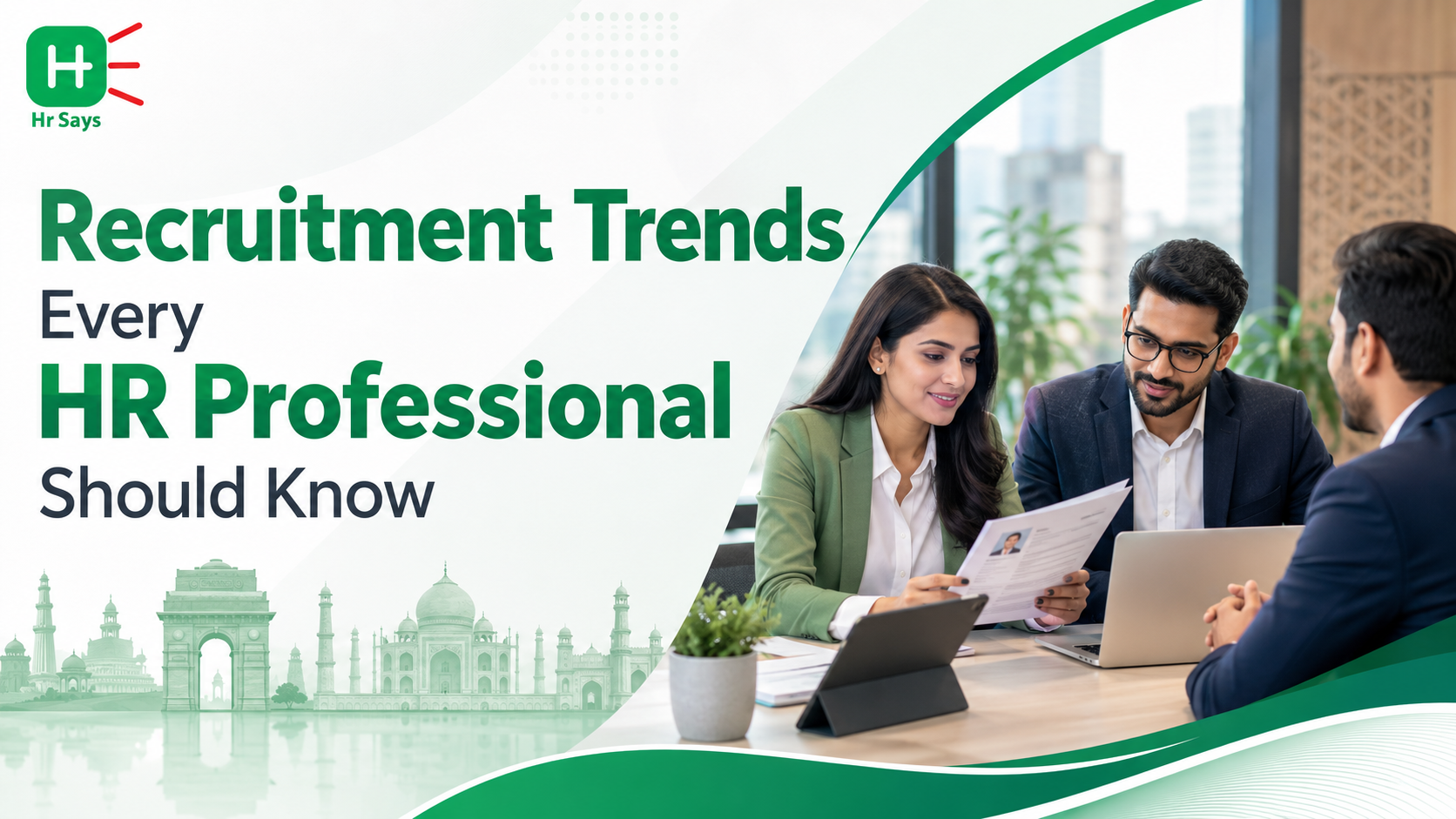
 This article explores key recruitment trends reshaping talent acquisition in India, including skill-based hiring, AI tools, employer branding, candidate experience, and data-driven decision-making for HR professionals.





Introduction
The hiring landscape in India is changing faster than most organizations are prepared for. Across industries, from fast-growing startups in Bengaluru to large enterprises in Mumbai and Delhi NCR, HR professionals are navigating a labor market that looks nothing like it did even three years ago. Candidates are more selective, skill demands are evolving rapidly, and the tools available to recruiters have become significantly more sophisticated.
For HR leaders, staying ahead of these recruitment trends is not just a professional advantage. It is a strategic necessity. Organizations that understand how talent acquisition is shifting are the ones building stronger, more resilient teams. Those that continue relying on outdated hiring approaches are finding it harder to fill critical roles, retain good employees, and compete effectively.
This article breaks down the most important recruitment trends that every HR professional in India needs to understand right now, and what they mean for the way organizations find, attract, and hire talent.
The Shift Toward Skill-Based Hiring
One of the most significant changes happening in recruitment today is the move away from degree-centric hiring toward skill-based hiring. Major companies globally and in India are beginning to remove mandatory degree requirements for a wide range of roles, particularly in technology, operations, and digital marketing.
The logic is straightforward. What a candidate can do matters more than where they studied. In India, where there is a large and growing pool of self-taught developers, certified digital marketers, and professionally upskilled individuals, this shift creates enormous opportunity. Platforms like NSDC (National Skill Development Corporation) and the Skill India mission have contributed to a workforce that holds recognized credentials outside of traditional university systems.
For HR professionals, skill-based hiring means rethinking job descriptions, assessments, and screening processes. It means investing in structured competency evaluations rather than relying on educational pedigree as a proxy for ability. Organizations that adapt to this trend are accessing a wider and often more motivated talent pool.
Artificial Intelligence in Talent Acquisition
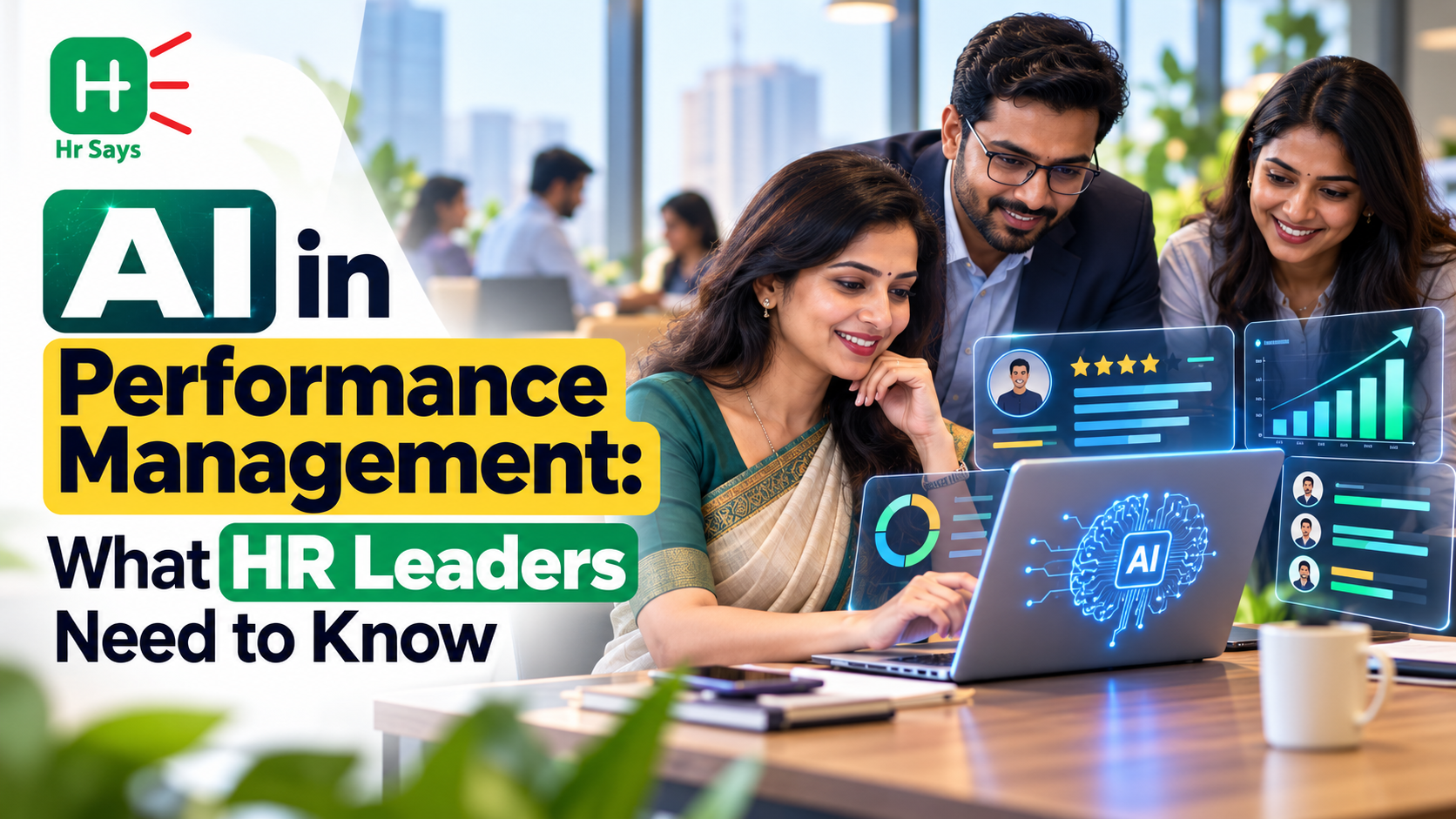
Artificial intelligence is no longer an emerging tool in recruitment. It is already embedded into the hiring workflows of a growing number of Indian organizations. AI-powered applicant tracking systems, resume screening tools, and chatbots for candidate communication have become increasingly mainstream.
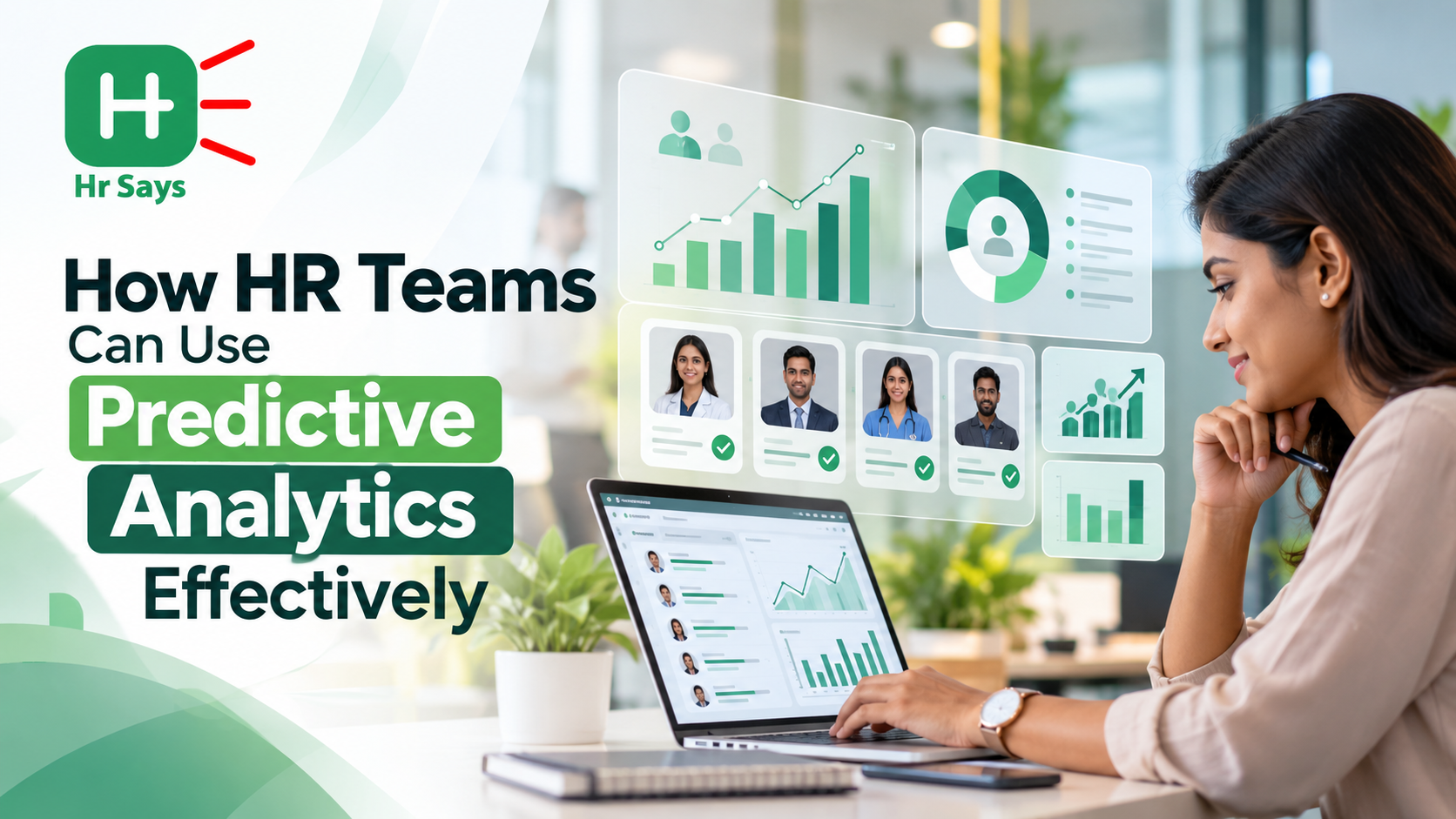
What is changing now is the sophistication of how AI is being applied. Predictive analytics tools help recruiters identify which candidates are most likely to succeed in a given role based on historical data. Natural language processing helps match job descriptions to candidate profiles with greater accuracy. Video interview analysis platforms assess responses, communication clarity, and engagement levels.
However, HR professionals must also understand the limitations and risks. AI tools can carry biases if they are trained on historically skewed datasets. In the Indian context, where workforce diversity across region, language, gender, and educational background is vast, organizations need to audit their AI tools regularly to ensure fair and inclusive screening.
The role of AI in recruitment is not to replace human judgment. It is to support recruiters in making faster, more informed, and less biased decisions.
Employer Branding as a Core Recruitment Strategy
Candidates today research employers before they apply. They read company reviews on platforms like Glassdoor and AmbitionBox, they look at LinkedIn pages, they pay attention to how companies behave publicly during moments of organizational stress. In this environment, employer branding has become one of the most powerful recruitment tools available.
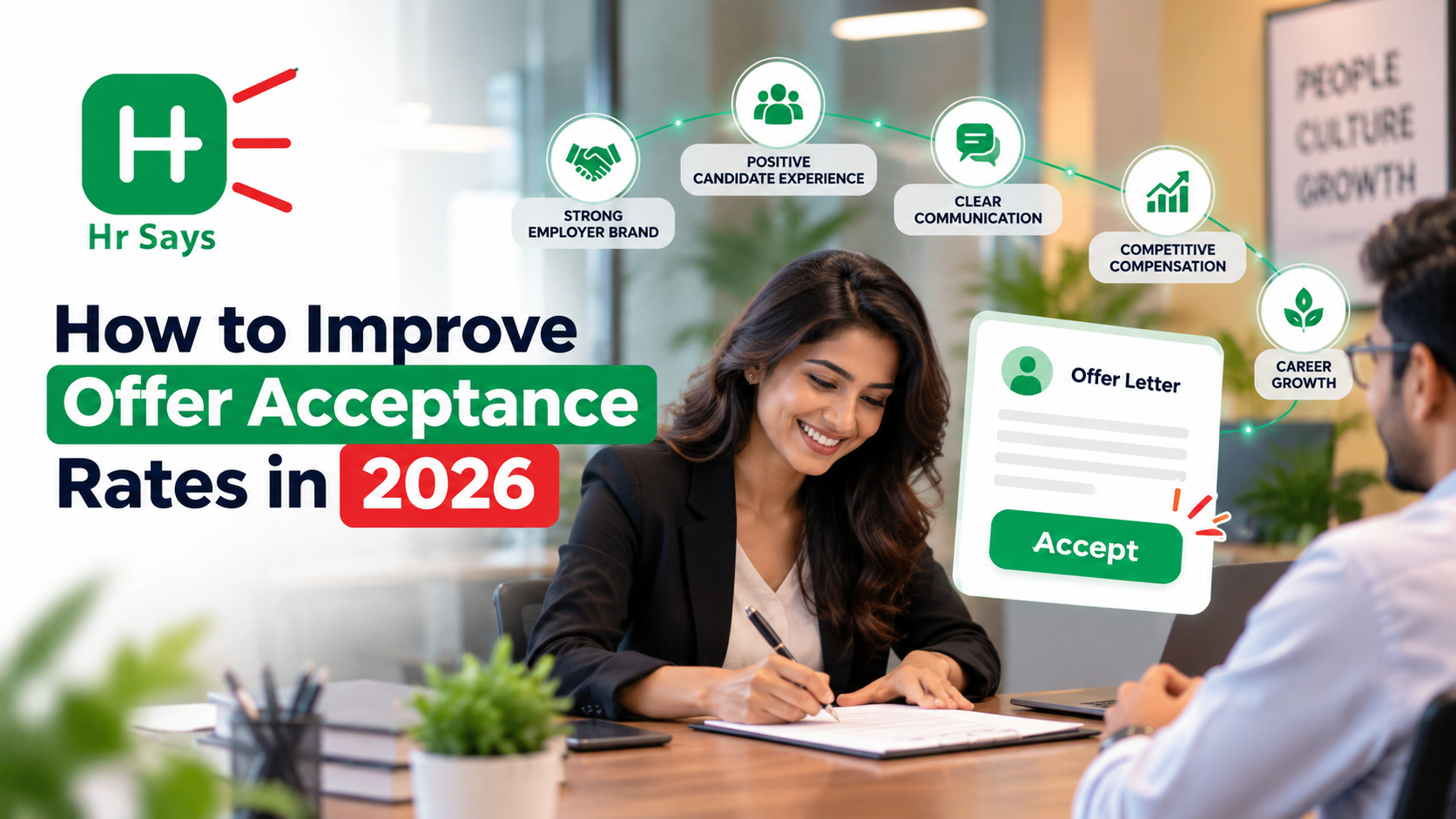
Indian companies, particularly those hiring for competitive roles in technology, finance, and product management, are recognizing that a strong employer brand reduces cost per hire, shortens hiring timelines, and improves offer acceptance rates.
Employer branding is not about creating polished marketing content. It is about authentic storytelling. It involves sharing real employee experiences, showcasing workplace culture, being transparent about career growth opportunities, and communicating organizational values clearly. HR teams are increasingly taking ownership of this narrative, working in close collaboration with marketing and communications functions.
For HR professionals, building and protecting the employer brand means being intentional about every candidate interaction, from the first job posting to the final feedback after an interview.
The Growing Importance of Candidate Experience
Recruitment is no longer a one-sided process where employers hold all the power. Skilled candidates, especially those in high demand, are evaluating the hiring process itself as an indicator of how an organization treats its people.
A slow, disorganized, or uncommunicative hiring process sends a clear signal to candidates. It suggests that the organization may have similar issues in how it manages employees once they are on board. On the other hand, a well-structured, respectful, and transparent recruitment experience creates a strong first impression and increases the likelihood that candidates will accept offers and speak positively about the company.
Key elements of a strong candidate experience include:
- Clear and honest job descriptions that set accurate expectations
- Timely communication at every stage of the process
- Structured interviews that respect the candidate's time
- Prompt feedback after evaluations, even when the outcome is negative
In India's competitive talent market, especially in sectors like IT, e-commerce, and financial services, candidate experience is a differentiator that HR leaders cannot afford to overlook.
Remote and Hybrid Hiring Models
The acceptance of remote and hybrid work has permanently altered what recruitment looks like for many organizations. Hiring is no longer limited by geography. An organization based in Hyderabad can recruit a product designer from Jaipur without asking them to relocate. A startup in Pune can build an engineering team with members across three states.
This geographic flexibility has expanded the available talent pool significantly. It has also introduced new challenges around onboarding, cultural integration, performance tracking, and team cohesion.
For HR professionals, remote and hybrid hiring requires updated policies, new onboarding frameworks, and a deliberate approach to building connection within distributed teams. It also requires clarity in job postings about what is expected, whether a role is fully remote, hybrid, or requires occasional travel.
Indian organizations are still calibrating the right balance. Many large enterprises have moved toward structured hybrid models, while smaller companies and startups have leaned further into remote-first approaches. Regardless of the model, HR teams need clear frameworks to manage the full lifecycle of remote talent.
Diversity, Equity, and Inclusion in Hiring
Diversity in hiring has moved beyond being a compliance checkbox for progressive Indian organizations. There is growing recognition that diverse teams produce better business outcomes, bring different problem-solving perspectives, and reflect the communities that companies serve.
Practical diversity hiring in India includes building pipelines for women returning to the workforce after a career break, creating inclusive hiring processes for persons with disabilities, ensuring representation across regional and linguistic backgrounds, and addressing unconscious bias in interview panels.
Several Indian companies are now setting measurable diversity hiring goals, including representation targets by gender and inclusion commitments in annual reporting. For HR professionals, this means going beyond intent and building structured processes that produce consistent, measurable outcomes.
Data-Driven Recruitment and HR Analytics
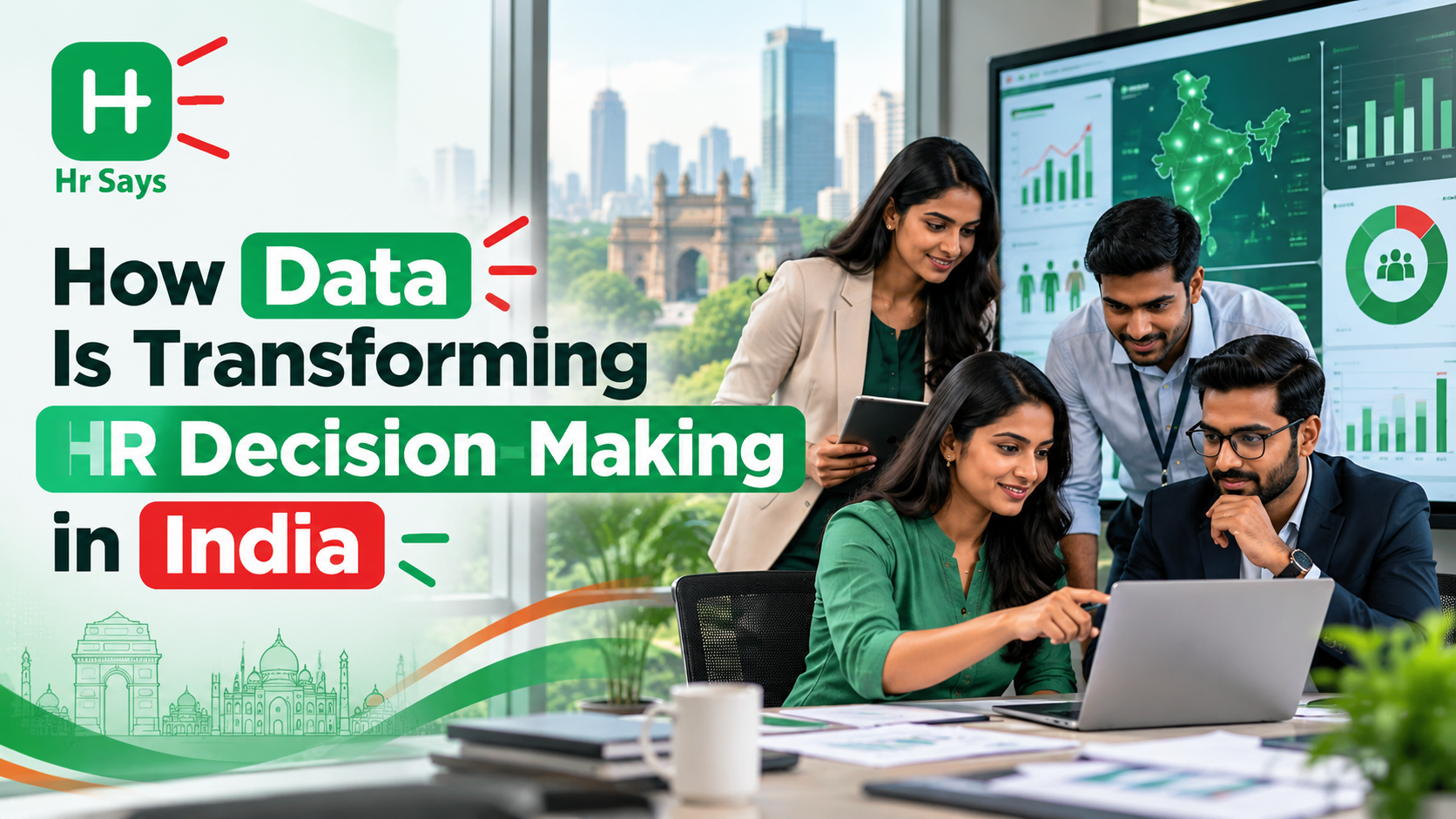
Hiring decisions driven by gut feeling are giving way to decisions supported by data. HR analytics platforms are helping organizations track key recruitment metrics such as time-to-fill, cost-per-hire, source-of-hire effectiveness, and offer-to-acceptance ratios.
Data-driven recruitment helps HR teams identify where their hiring process is losing good candidates, which sourcing channels deliver the best quality hires, and how recruitment performance compares across business units or geographies.
In India, where many mid-sized organizations are still building their HR technology stack, this represents a significant growth area. HR professionals who develop comfort with recruitment analytics are better positioned to make the business case for resources, demonstrate the ROI of talent acquisition investments, and guide hiring decisions with greater confidence.
Internal Mobility and Talent Retention as Recruitment Strategy
One often overlooked dimension of modern recruitment is internal mobility. Organizations that build structured pathways for employees to move across roles, departments, and locations reduce their dependence on external hiring for every open position.
Internal hiring reduces time-to-productivity, lowers recruitment costs, and signals to employees that career growth is possible within the organization. In a market where attrition remains a challenge for many Indian companies, particularly in sectors like IT services and retail, building a culture of internal mobility is both a retention strategy and a recruitment efficiency measure.
HR professionals can support this by maintaining updated internal talent profiles, creating transparent internal job posting processes, and ensuring that managers support rather than block internal transfers.
Conclusion
Recruitment in India is evolving at a pace that demands constant learning and adaptation from HR professionals. The trends reshaping talent acquisition, from skill-based hiring and AI tools to employer branding and data analytics, are not isolated developments. They are interconnected forces that together define what effective, modern hiring looks like.
HR professionals who stay informed, build better processes, and lead their organizations through these shifts are not just filling positions. They are shaping the kind of workplaces that attract and retain the people who will drive future growth. Platforms like HRSays exist precisely to support this kind of ongoing professional learning and workplace conversation, giving HR leaders access to practical insights and perspectives that translate directly into stronger hiring outcomes.
The future of recruitment belongs to those who are willing to think differently about talent, invest in candidate relationships, and build hiring processes that are fair, efficient, and genuinely human.
Frequently Asked Questions
Q1: What is skill-based hiring and why is it growing in India?
Skill-based hiring is the practice of evaluating candidates on demonstrated abilities rather than educational qualifications alone. It is growing in India because the workforce now includes a large number of professionally certified and self-skilled individuals whose capabilities may not be reflected by their academic background.
Q2: How is artificial intelligence changing recruitment for Indian HR teams?
AI is being used to automate resume screening, improve candidate matching, and speed up communication. However, HR teams must audit these tools for bias to ensure fair and inclusive hiring across India's diverse workforce.
Q3: Why does candidate experience matter in recruitment?
Candidate experience reflects how an organization treats people. A respectful and well-structured hiring process increases offer acceptance rates and builds a positive employer reputation, which directly influences an organization's ability to attract future talent.
Q4: What role does employer branding play in modern recruitment?
Employer branding helps organizations attract candidates proactively by building a credible reputation as a great place to work. It reduces hiring costs, shortens recruitment timelines, and improves the quality of applicants.
Q5: How can HR professionals use data to improve hiring outcomes?
By tracking metrics such as time-to-fill, cost-per-hire, and source effectiveness, HR professionals can identify inefficiencies, demonstrate recruitment ROI, and make more informed decisions about sourcing channels and process improvements.
Resources
- National Skill Development Corporation (NSDC): Information on skill certification programs and workforce development initiatives in India
- Ministry of Labour and Employment, Government of India: Policy updates, labor statistics, and recruitment-related regulatory guidance
- LinkedIn Talent Solutions: Annual Global Talent Trends reports with India-specific hiring data and insights
- Society for Human Resource Management (SHRM) India: Research, tools, and best practices for HR professionals across talent acquisition and workforce planning
Interlinking Keywords:
skill-based hiring, employer branding, candidate experience, HR analytics, internal mobility, AI in recruitment, talent acquisition trends, diversity hiring India, remote hiring, recruitment process
Last Reviewed By:
Hr Says Advisory Panel on 3 September, 2026
Disclaimer:
The information provided in this article is intended for general professional awareness and educational purposes only. Recruitment practices, labor regulations, and hiring norms may vary by industry, organization size, and applicable law. HR professionals are advised to consult qualified legal and HR advisors before implementing significant changes to hiring policies or processes.