Saturday, October 24, 2026
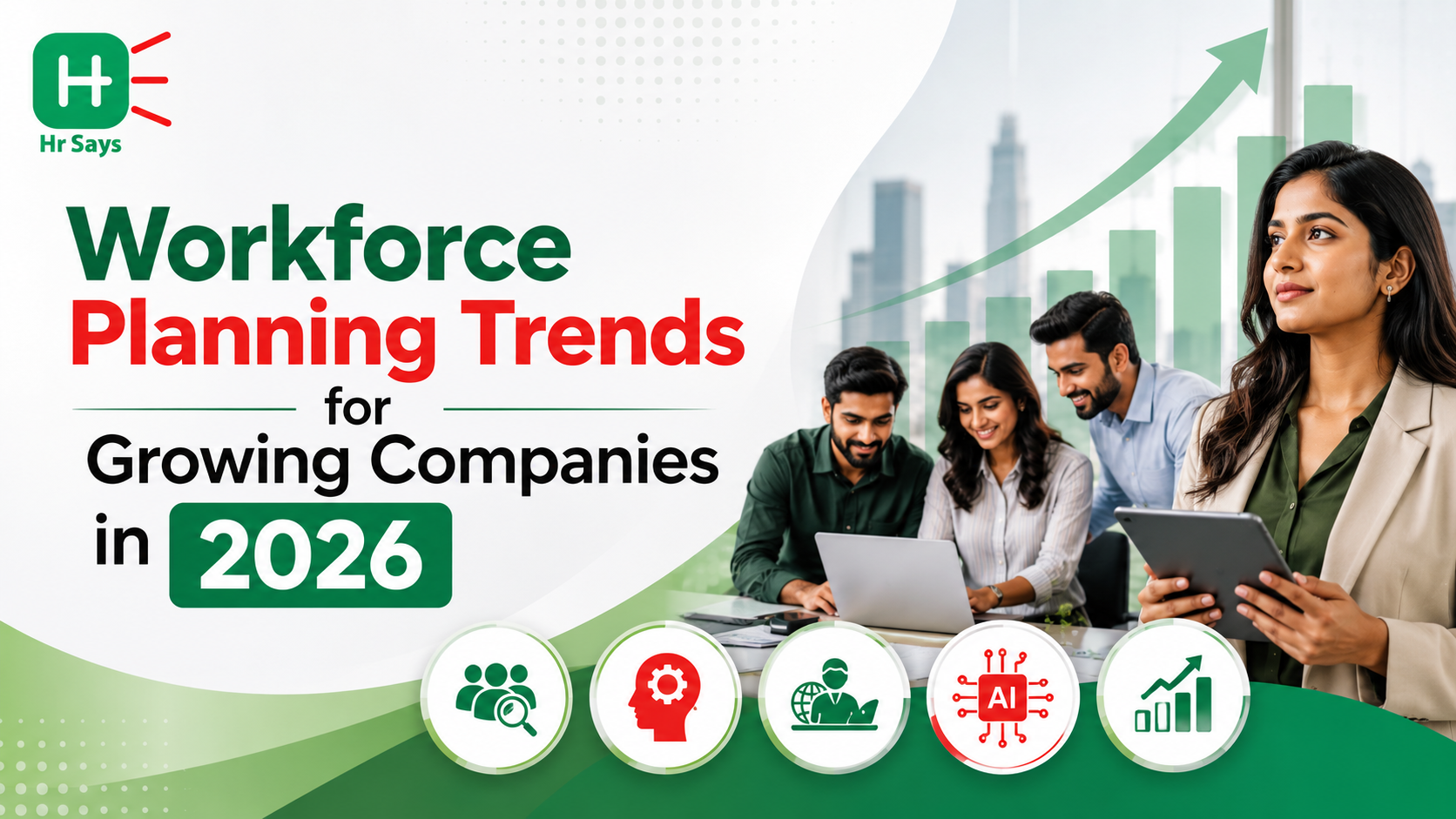
 This article explores key workforce planning trends for growing Indian companies in 2026, covering skills-based planning, AI integration, internal mobility, and data-driven HR strategy.





Introduction
The way Indian companies think about their workforce has changed significantly over the past few years. What was once considered a back-office HR exercise has now become a boardroom conversation. In 2026, workforce planning is no longer a luxury reserved for large enterprises. It is a practical necessity for every growing company that wants to scale with intention, retain good talent, and stay competitive in a rapidly shifting market.
Across India, from technology-driven startups in Bengaluru and Pune to manufacturing firms in Ahmedabad and Coimbatore, business leaders are realising that informal hiring and reactive staffing decisions are no longer sufficient. When a company grows beyond a certain size, gaps in talent strategy become visible and costly. Roles go unfilled for too long. High performers burn out from carrying excess workload. And critical skills that the business actually needs are either absent or underdeveloped.
This article explores the most important workforce planning trends shaping Indian companies in 2026, why these trends matter, and what HR leaders and founders can practically do to stay ahead.
Understanding Workforce Planning in the Current Context
Workforce planning, at its core, is the process of ensuring that a company has the right people, with the right skills, in the right roles, at the right time. It connects business goals to talent decisions and helps organisations move from reactive hiring to proactive people strategy.
For growing Indian companies, this process carries unique importance. India's workforce is young, aspirational, and increasingly mobile. Employees in their twenties and early thirties are no longer simply looking for stable jobs. They are seeking meaningful roles, clear career progression, flexible work arrangements, and employers who invest in their development. At the same time, many sectors, including technology, healthcare, logistics, financial services, and manufacturing, are experiencing significant talent shortages in specialised areas.
In this environment, workforce planning provides the structure that allows organisations to anticipate change rather than simply respond to it. It creates a foundation for smarter hiring decisions, more meaningful employee development, and better alignment between what the business needs today and what it will need over the next two to five years.
Key Workforce Planning Trends in 2026
Skills-Based Planning Is Replacing Role-Based ThinkingOne of the most significant shifts happening in workforce planning right now is the move away from defining talent needs through job titles alone. Instead of simply hiring for a "Marketing Manager" or a "Data Analyst," forward-thinking companies are identifying the specific skills those roles require and planning their talent pipeline around those competencies.
This shift matters because job roles are evolving faster than job descriptions can keep pace. A digital marketing function today requires skills in data analytics, automation tools, content strategy, and performance marketing that may not have been standard even three years ago. Skills-based workforce planning allows organisations to assess what capabilities they currently have, identify where the gaps are, and decide whether to hire, reskill, or restructure.
For Indian companies with high employee turnover rates, particularly in the IT and services sectors, skills-based planning also reduces dependency on specific individuals and builds organisational resilience.
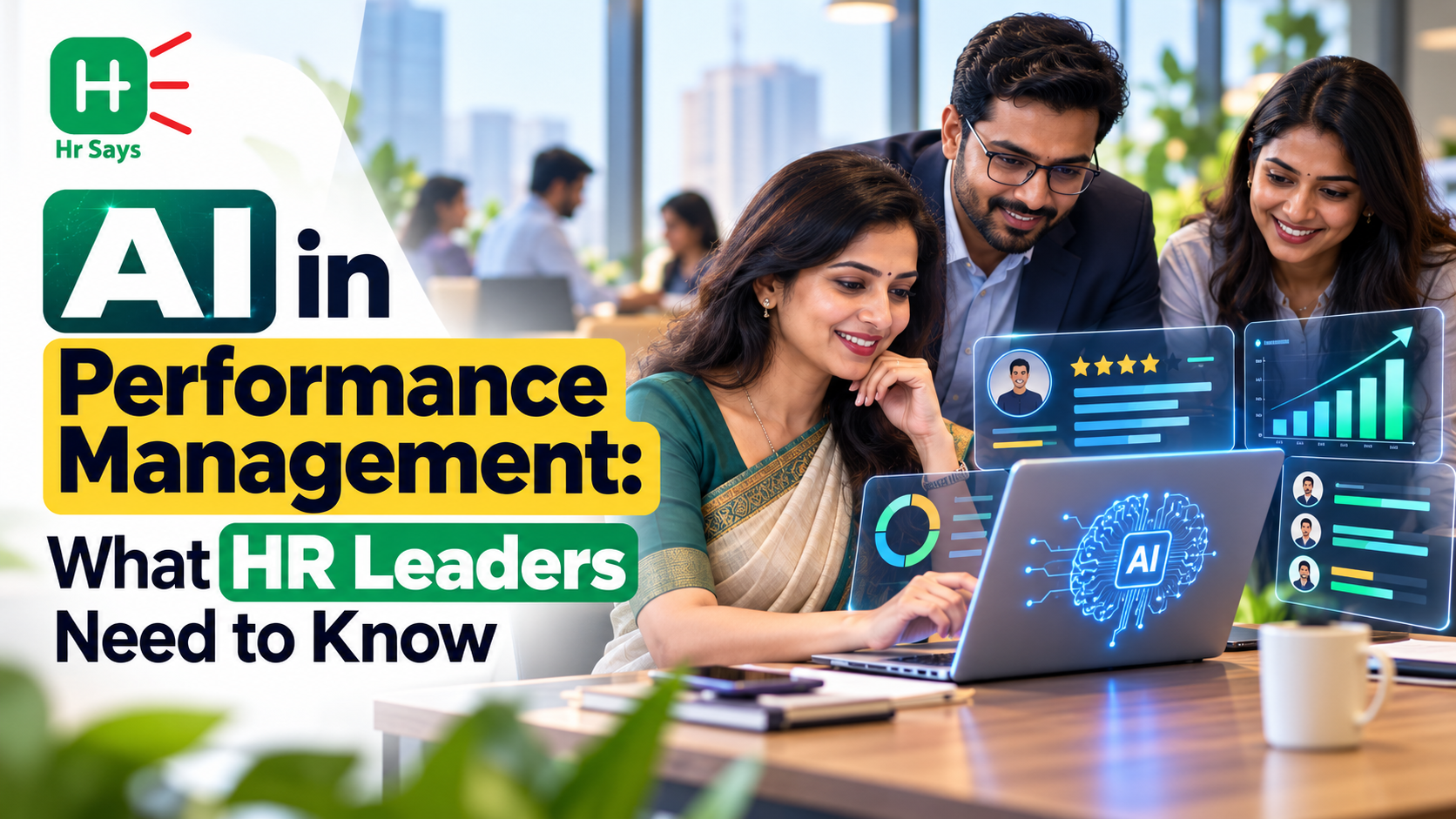
AI and Automation Are Redefining Workforce CompositionArtificial intelligence is no longer a future concern. It is an active force reshaping the composition of workforces across industries. In India, the adoption of AI tools in functions such as finance, customer service, recruitment, operations, and content production is accelerating. This is creating a dual challenge for HR leaders: understanding which tasks and roles are being automated, and planning for what human skills need to be developed or recruited to complement those tools.
The important distinction that experienced HR professionals are making is that automation is transforming work, not simply eliminating it. Roles are being redesigned. Tasks that were manual are being handled by systems, freeing up people to focus on higher-order thinking, creativity, judgment, and relationship management. Workforce planning in 2026 requires leaders to take a clear-eyed view of how AI adoption will affect their specific functions and build talent strategies that are aligned with that reality.
Companies that plan for this transition proactively will find themselves with more capable, future-ready teams. Those that do not will find themselves caught in a cycle of mismatched hiring and reactive reskilling.
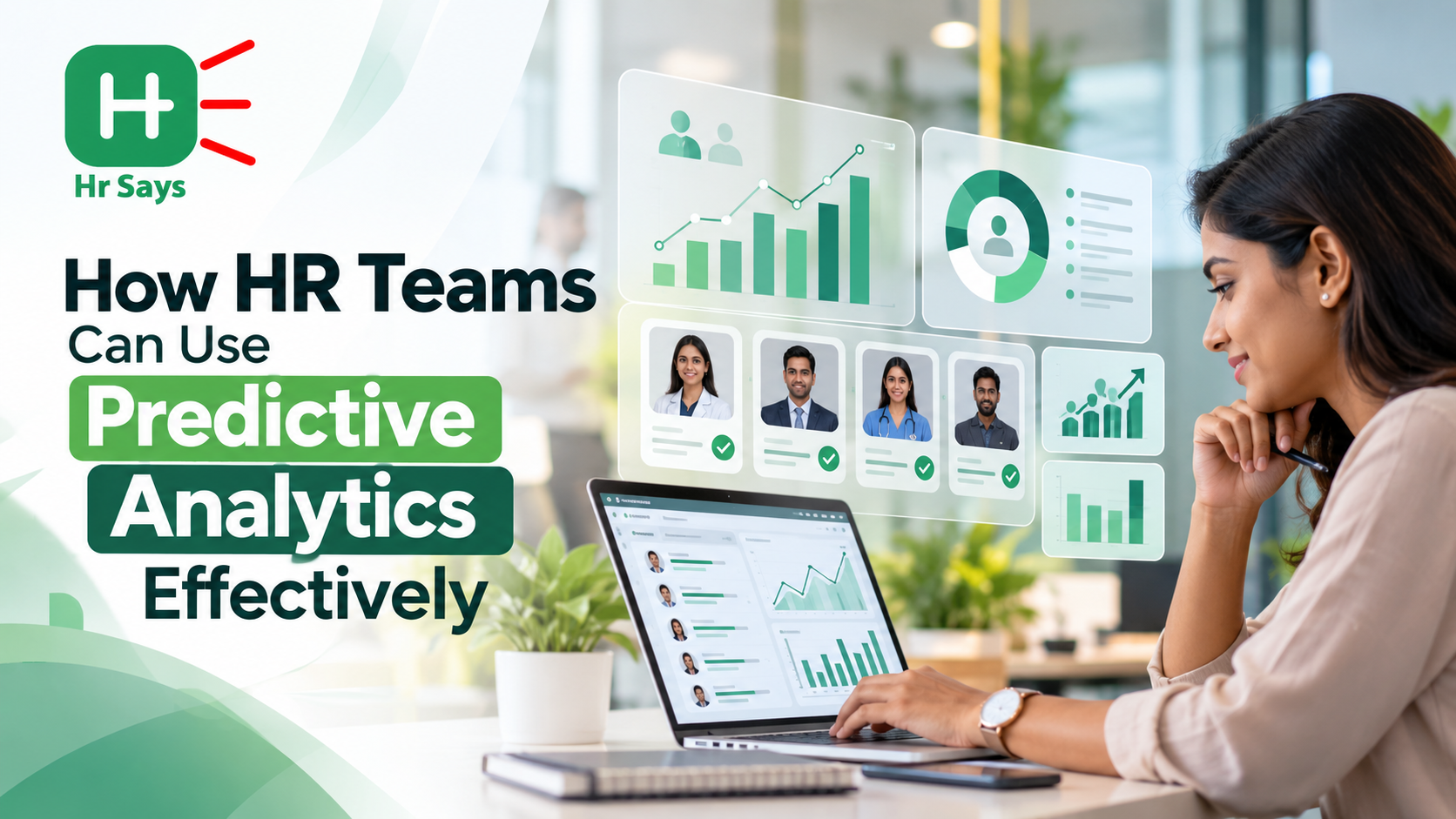
Data-Driven Decision Making Is Becoming Standard PracticeWorkforce decisions have historically been driven by intuition, past experience, and informal assessments. While these have their place, growing companies in India are increasingly turning to workforce analytics to guide their talent planning. This includes data on attrition rates, time-to-hire, employee engagement scores, productivity patterns, compensation benchmarks, and skills assessments.
The advantage of data-driven workforce planning is precision. When HR leaders and business heads can see clear patterns in their workforce data, they can make faster, more confident decisions about where to hire, which teams need development investment, and where operational strain is building before it becomes a crisis.
Several Indian companies are now implementing HR technology platforms that aggregate this data in real time, making workforce planning an ongoing activity rather than an annual exercise. Platforms built for Indian compliance requirements, such as those that integrate with PF, ESI, and TDS systems, are gaining adoption among mid-market organisations looking to build planning capabilities without heavy infrastructure investment.
Internal Mobility and Talent Development Are Taking PriorityIn many Indian organisations, the instinct when a skill gap is identified has traditionally been to hire externally. That approach is becoming increasingly expensive and time-consuming, particularly in competitive talent markets where experienced professionals command premium salaries.
A growing number of HR leaders are recognising the untapped potential within their existing workforce. Internal mobility, which refers to moving employees across roles, functions, or geographies within the same organisation, is emerging as a powerful workforce planning tool. It reduces recruitment costs, improves retention by giving employees visible growth opportunities, and builds institutional knowledge that an external hire would take months to develop.
This trend is closely tied to structured learning and development investments. Companies that maintain clear individual development plans, offer access to upskilling programmes, and create internal talent marketplaces are finding that they can fill a greater proportion of open roles from within, while simultaneously improving employee engagement.
Workforce Planning Is Becoming a CEO and CFO PriorityPerhaps the most meaningful shift in workforce planning trends is where the conversation is happening. Until recently, workforce planning was primarily owned by the HR function and rarely discussed at the senior leadership level. In 2026, that has changed decisively.
CEOs and CFOs of growing Indian companies are increasingly aware that people costs represent a significant portion of total operational expenditure, and that poor talent planning directly affects business performance, customer satisfaction, and revenue growth. When workforce planning is disconnected from business strategy, the results show up in missed targets, delayed projects, high attrition, and poor team performance.
The companies that are doing this well have brought HR leaders into strategic planning conversations, ensured that workforce decisions are tied to financial and growth projections, and built a culture of accountability around people metrics alongside business metrics.
Flexible Workforce Models Are ExpandingThe composition of the Indian workforce has diversified significantly. Beyond permanent employees, organisations are now working with contract professionals, freelancers, gig workers, and hybrid teams that span multiple locations. Managing this mix requires a more sophisticated approach to workforce planning.
Growing companies are building strategies that account for the full spectrum of talent they rely on, not just full-time employees. This means planning for when to use project-based contractors, how to integrate remote workers effectively, and how to manage compliance requirements across different employment arrangements.
India's regulatory landscape around gig and contract workers is also evolving, with greater emphasis on social security coverage and defined terms of engagement. Workforce planning now needs to account for compliance obligations as part of the broader talent strategy.
What Growing Indian Companies Should Do Right Now
Understanding trends is only useful when it leads to action. For HR leaders and business founders in India who are serious about building a strong workforce planning practice, a few steps matter most.
The first is to conduct an honest assessment of the current workforce. This means understanding not just headcount, but skills coverage, attrition risk, role clarity, workload distribution, and succession readiness across critical functions.
The second is to align workforce planning with business planning. Workforce decisions should not happen in isolation from revenue projections, product roadmaps, or market expansion plans. When HR sits at the same table as finance and operations during strategic planning, workforce decisions become sharper and more impactful.
The third is to invest in the right HR technology. Indian companies no longer need to rely on spreadsheets or manual tracking for workforce planning. There are accessible, affordable platforms that offer analytics, succession planning, skills mapping, and learning management capabilities suited to mid-market organisations.
Key actions that HR leaders should prioritise include:
- Conducting a skills gap analysis across all major functions
- Reviewing attrition data to identify which roles and teams are most at risk
- Building a basic succession plan for all critical leadership and technical roles
- Creating visible internal mobility pathways for high-potential employees
- Integrating workforce planning into the annual business planning cycle
The Role of HR Platforms and Communities in Supporting Workforce Planning
Building a robust workforce planning capability does not happen in isolation. HR leaders need access to current research, peer benchmarks, real-world case studies, and a community of professionals who are navigating similar challenges.
Platforms like HRSays serve a meaningful role in this ecosystem. By bringing together HR professionals, business leaders, and workplace thinkers, HRSays creates a space where workforce challenges are discussed honestly and practical insights are shared. For an HR head at a growing company trying to build a skills framework or redesign a career development structure, access to that kind of community and knowledge is genuinely valuable.
Conclusion
Workforce planning in 2026 is not a theoretical exercise. It is a practical discipline that growing Indian companies need to take seriously if they want to scale sustainably, attract quality talent, and build organisations that are resilient in the face of ongoing disruption. The trends shaping this space, including skills-based planning, AI integration, data-driven decision-making, internal mobility, and C-suite involvement, all point toward the same underlying reality: the companies that plan their people strategy with the same rigour they apply to their financial and product strategy will consistently outperform those that do not.
For HR leaders, founders, and business heads reading this, the opportunity is clear. Workforce planning is not just an HR function. It is a business capability. And building it well, starting now, is one of the most important investments a growing company can make in its own future.
Frequently Asked Questions
Q1: What is workforce planning and why is it important for growing companies in India?
Workforce planning is the process of aligning talent strategy with business objectives to ensure an organisation has the right people and skills at the right time. For growing Indian companies, it is important because it prevents reactive hiring, reduces attrition risk, controls labour costs, and ensures the business has the capability to execute on its growth plans effectively.
Q2: How is AI affecting workforce planning in Indian organisations?
AI is reshaping workforce composition by automating routine tasks and transforming how roles are designed. Indian companies are increasingly using AI tools in functions like recruitment, finance, and customer service. Workforce planning now requires HR leaders to understand which tasks are being automated, redesign affected roles, and build reskilling strategies that keep employees relevant and productive.
Q3: What is skills-based workforce planning and how does it differ from traditional planning?
Traditional workforce planning focuses on filling defined job roles. Skills-based workforce planning focuses on identifying the specific competencies the business needs and building a talent pipeline around those capabilities. This approach is more flexible, reduces dependence on specific individuals, and allows organisations to respond faster to changing business needs without always resorting to external hiring.
Q4: How can small and mid-sized Indian companies begin workforce planning without large HR teams?
Small and mid-sized companies can start with a basic skills audit of their existing workforce, align hiring decisions with a six to twelve month business projection, and use affordable HR technology platforms to track key workforce metrics. Starting with critical roles and high-risk attrition areas delivers immediate value without requiring a large team or complex systems.
Q5: What role does internal mobility play in modern workforce planning?
Internal mobility allows organisations to fill skill gaps and open roles by developing and moving existing employees rather than always hiring externally. It improves retention by creating visible growth opportunities, reduces recruitment costs, and builds institutional knowledge. For growing Indian companies with competitive talent markets, internal mobility is becoming an essential component of a balanced workforce strategy.
Resources
- Society for Human Resource Management (SHRM) India: Research, toolkits, and thought leadership on workforce planning and HR strategy for Indian professionals and organisations.
- National Human Resource Development Network (NHRDN): India's premier HR professional body offering knowledge resources, research, and community support for HR practitioners.
- Ministry of Labour and Employment, Government of India: Official source for labour regulations, employment data, and policy updates relevant to workforce planning and compliance in India.
- NASSCOM: Research and insights on technology workforce trends, skills development, and talent planning specific to India's IT and technology sectors.
- World Economic Forum Future of Jobs Report: Global research on automation, skills disruption, and emerging workforce trends with implications for HR leaders in India.
Interlinking Keywords
workforce planning strategy, skills gap analysis India, HR trends 2026, internal talent mobility, employee retention strategy, AI in HR India, talent development framework, succession planning for companies, HR technology platforms India, people analytics tools
Last Reviewed By:
Hr Says Advisory Panel on 19 August, 2026
Disclaimer:
The information provided in this article is intended for general informational and educational purposes only. It does not constitute professional HR, legal, or financial advice. Organisations should consult qualified HR professionals or legal advisors before making workforce planning or employment-related decisions specific to their business context and applicable regulations.