Saturday, October 24, 2026
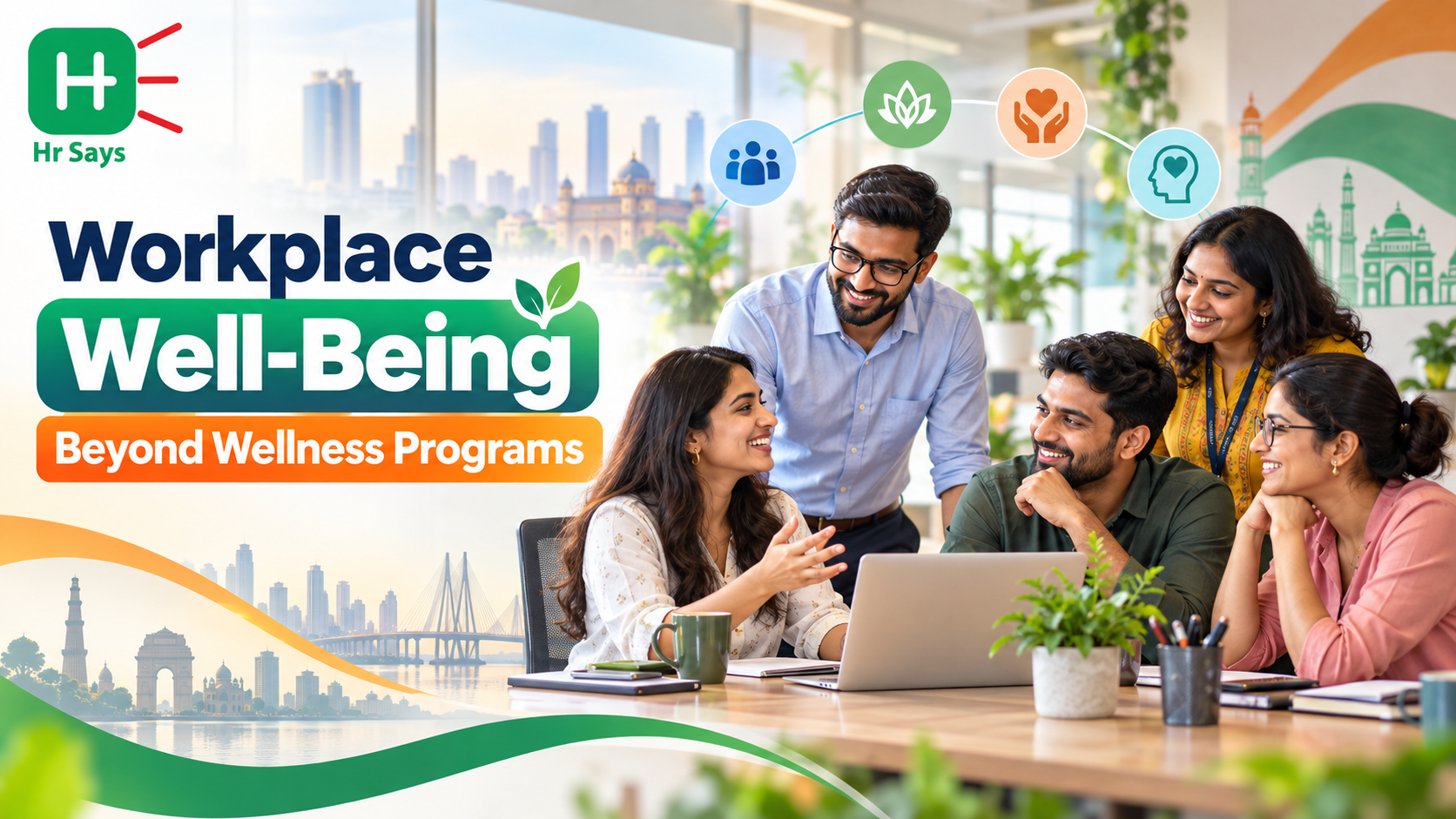
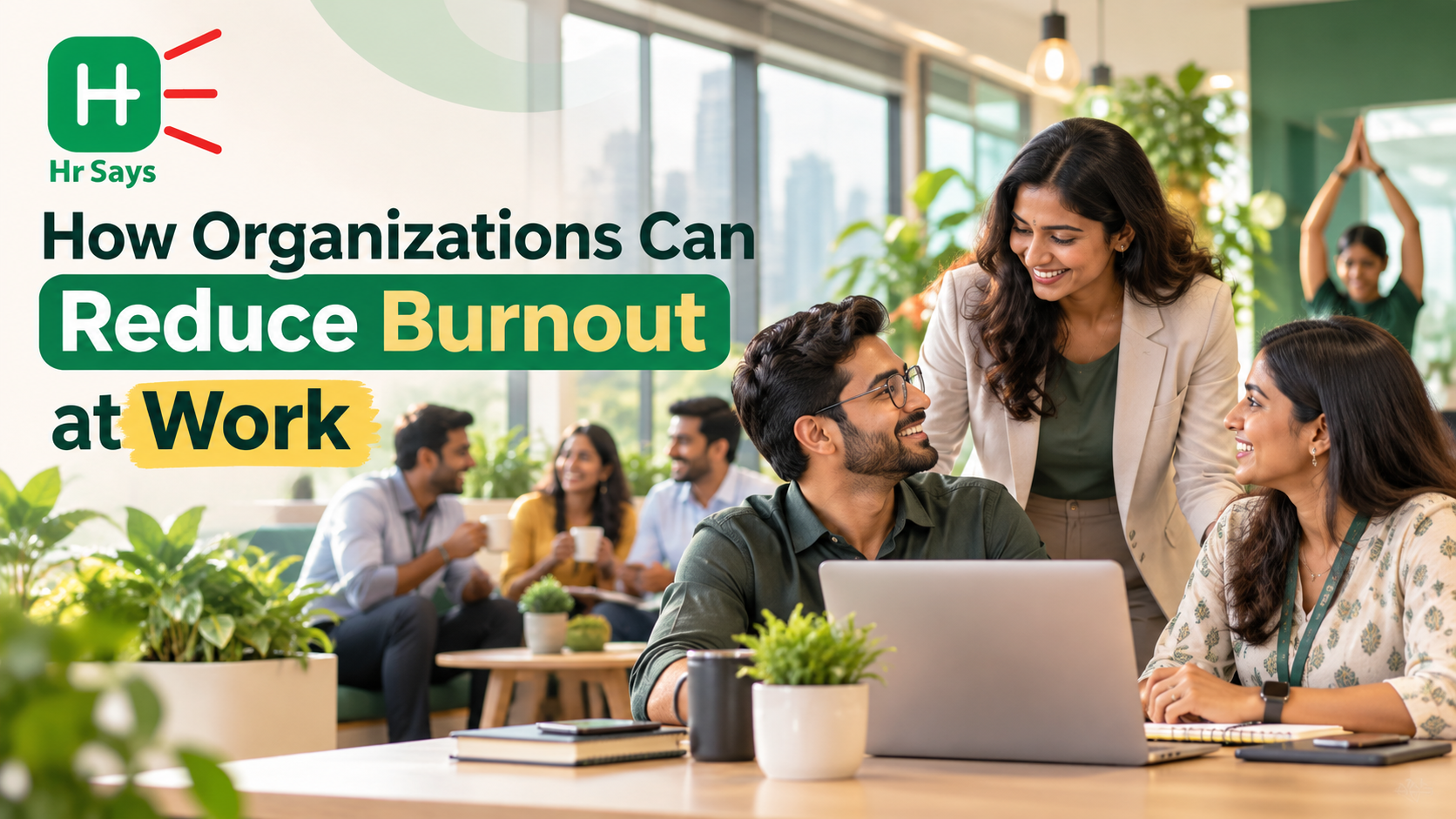
 Workplace well-being extends far beyond wellness programs. Indian organizations must prioritize psychological safety, managerial quality, workload fairness, and belonging to build cultures where employees genuinely thrive.





Introduction
Across Indian workplaces, there is a growing pattern that HR leaders and business owners recognize but rarely address head-on. Organizations invest in wellness programs, subscribe to mental health apps, organize step challenges, and arrange periodic health checkups. These efforts are visible, measurable, and easy to communicate in annual reports. Yet employee burnout continues to rise, attrition numbers remain stubbornly high, and engagement scores tell a story of quiet dissatisfaction underneath the surface.
The gap between wellness investment and well-being outcomes is not a mystery. It points to a fundamental misunderstanding of what well-being at work actually means. Wellness programs are interventions. Well-being is a state of being. Organizations that confuse the two end up solving for optics rather than outcomes.
Workplace well-being, in its truest sense, refers to how employees experience their work on a daily basis. It includes how safe they feel to speak their minds, how fairly they are treated, whether they see a future in the organization, how much autonomy they carry in their roles, and whether the people around them contribute positively to their sense of purpose and dignity. None of these outcomes can be delivered through a subscription to a wellness platform.
For Indian organizations navigating rapid workforce changes, a maturing gig economy, the rise of hybrid work models, and multi-generational teams, the conversation around well-being must evolve significantly. This article examines what genuine workplace well-being looks like, why surface-level programs fall short, and what HR leaders and founders must do differently to build organizations where people truly thrive.
Why Wellness Programs Alone Are Not Enough
India has seen a notable increase in corporate wellness spending over the past five years. According to industry estimates, the Indian corporate wellness market has grown at a significant pace, driven by post-pandemic awareness and ESG reporting requirements. Organizations across sectors, from IT and banking to manufacturing and retail, now list wellness initiatives prominently in their employer branding communication.
The intention behind these programs is sound. The problem lies in the assumption that well-being can be delivered as a benefit package rather than built as a cultural commitment.
When an employee is dealing with a manager who micromanages every task, operates under targets that reset without acknowledgment of past performance, and works in a team where speaking up about a problem is considered career risk, no amount of mindfulness sessions will address the core issue. The stressor is structural. The solution must be structural too.
Research consistently shows that the primary drivers of employee burnout are workload, lack of control, insufficient recognition, poor community or team dynamics, unfairness, and values mismatch. These are organizational design and leadership problems, not lifestyle problems. Addressing them requires HR strategy, not wellness strategy.
Indian workplaces also carry specific cultural dynamics that amplify these pressures. Hierarchy is deeply embedded in many organizational cultures, making it difficult for employees to raise concerns or push back on unreasonable demands. The fear of being perceived as insufficiently committed or as a troublemaker creates environments where distress is concealed rather than addressed. This is particularly pronounced in sectors like IT services, banking, and large family-owned enterprises where authority structures are rigid.
The Real Drivers of Workplace Well-Being
Understanding what genuinely drives well-being at work requires moving beyond a benefits lens and looking at the everyday experience of being an employee. Several interconnected factors consistently emerge as the true foundations of workplace well-being.
Psychological Safety and Managerial QualityThe quality of the relationship between an employee and their direct manager is perhaps the single most important determinant of their experience at work. A manager who communicates clearly, provides genuine feedback, advocates for their team, and creates space for mistakes and growth is one of the most powerful well-being assets an organization can offer. Conversely, a poor manager creates conditions that no wellness benefit can compensate for.
Psychological safety, a concept extensively researched by Amy Edmondson at Harvard Business School, refers to the shared belief that a team is safe for interpersonal risk-taking. In the Indian workplace context, building psychological safety requires deliberate effort because it works against deeply ingrained patterns of deference to authority. Organizations that invest in training managers to create psychologically safe teams see measurable improvements in innovation, engagement, and retention.
Workload Fairness and Role ClarityChronic overload is a widespread concern in Indian knowledge-work environments, particularly in sectors like consulting, financial services, and technology. Employees are frequently expected to absorb additional responsibilities without corresponding support, recognition, or compensation. Over time, this erodes motivation and contributes directly to burnout.
Role clarity is equally important. When employees are uncertain about their responsibilities, decision-making authority, or success metrics, they experience ongoing ambiguity stress. HR leaders must work with line managers to ensure that roles are clearly defined, performance expectations are realistic, and workload distribution is regularly reviewed.
Meaning, Growth, and RecognitionEmployees who find their work meaningful and who see a clear trajectory for their own growth are significantly more resilient to workplace pressures. Organizations that invest in learning and development, create visible career pathways, and connect individual contributions to organizational purpose build a form of well-being capital that far outlasts any single wellness initiative.
Recognition also plays a critical role. In Indian organizational culture, appreciation is often private or sporadic. Building consistent, genuine recognition practices, both peer-to-peer and managerial, creates an environment where employees feel seen and valued. This directly influences psychological well-being and organizational commitment.
Belonging and InclusionA sense of belonging refers to the experience of being included, respected, and valued as an individual within a team and organization. For employees from diverse backgrounds, those returning from career breaks, those with visible or invisible disabilities, or those from smaller cities joining large metropolitan organizations, the journey to belonging is not automatic. It requires intentional inclusion practices.
Indian organizations that are expanding their diversity, equity, and inclusion commitments must ensure that inclusion is experienced at the team and day-to-day interaction level, not just at the policy level. Diversity on paper without inclusive behaviors in practice creates a particularly acute form of belonging deprivation.
What Organizations Must Do Differently
Building genuine workplace well-being requires HR leaders and organizational decision-makers to make commitments that go beyond program design. It requires rethinking how the organization is led, structured, and measured.
The first shift is to treat manager capability as a well-being investment. Organizations must select, develop, and evaluate managers not only on their technical or business outcomes but on their people leadership capabilities. Regular 360-degree feedback, manager effectiveness scores, and team-level engagement data should inform decisions about promotions, coaching needs, and leadership investments. In many Indian organizations, managerial roles are assigned based on technical seniority rather than demonstrated ability to lead people. This structural error has significant well-being consequences.
The second shift is to make workload and sustainability a standing agenda item in HR and business conversations. This means tracking and acting on early indicators of overload, such as rising overtime patterns, declining utilization satisfaction, and increasing absenteeism. It also means creating space for employees to flag unsustainable work conditions without fear of being labeled as low performers. Platforms like HRSays, which champion practical HR thinking and workplace conversations, consistently highlight the importance of building workplaces that treat human sustainability as a business priority.
The third shift is to redesign listening mechanisms. Annual engagement surveys are not sufficient. Organizations need real-time or near-real-time pulse mechanisms, stay conversations conducted by managers or HR business partners, and structured channels for employees to raise concerns about their work environment. Listening that leads to visible action is what builds trust. Listening without action erodes it.
The fourth shift is to integrate well-being thinking into business decisions, not just HR programs. When leaders are deciding whether to expand a team, restructure a business unit, or launch a new product, the human impact of those decisions must be part of the conversation from the start. Well-being cannot be an afterthought addressed by a counseling hotline after a difficult restructuring.
The Indian Workplace Context: Specific Challenges to Address
Indian organizations face a set of challenges that require well-being strategies tailored to the local context. The sharp cultural divide between Tier 1 and Tier 2 city employees is one such dimension. Employees in cities like Mumbai, Bengaluru, and Gurugram often face extreme commute pressures, high cost of living, and competitive work cultures that drive long working hours. Well-being strategies in these contexts must address recovery time, flexibility, and sustainable performance norms.
In Tier 2 and Tier 3 cities, the challenges differ. Employees may have fewer lateral career opportunities, which increases their dependence on a single employer and makes it harder to raise concerns or consider exits. Mental health stigma is also more pronounced in smaller communities. Organizations expanding into these geographies must invest in building psychologically safe environments and destigmatizing conversations about stress and mental health at the team level.
Generational diversity is another significant factor. Indian workplaces are navigating the coexistence of Baby Boomers, Generation X, Millennials, and Generation Z employees within the same teams. Each group carries different expectations around work flexibility, feedback frequency, purpose alignment, and managerial relationships. HR leaders who design one-size-fits-all well-being strategies will miss the mark for significant portions of their workforce.
Finally, the rise of hybrid and remote work models in India has created a new category of well-being risk: isolation and disconnection. Employees who work primarily from home, particularly those in smaller cities or those who are newer to an organization, report higher levels of loneliness and lower sense of belonging. Organizations must invest in creating connection infrastructure, not just digital productivity infrastructure.
Conclusion
The organizations that will define the future of work in India are not those with the most impressive wellness program portfolios. They are those that build cultures where people feel safe, valued, fairly treated, and genuinely supported in their growth. Workplace well-being is not a program. It is the cumulative experience of thousands of daily interactions, decisions, and signals that tell employees whether they truly matter to the organization they work for.
HR leaders and founders who are willing to look beyond the comfort of wellness metrics and examine the deeper levers of organizational health will be the ones who build workplaces worth staying in. That shift in perspective, from wellness investment to well-being culture, is the most meaningful contribution HR can make to sustainable organizational performance.
Frequently Asked Questions
Q1: What is the difference between employee wellness and workplace well-being?
Employee wellness typically refers to structured programs such as health checkups, fitness benefits, or meditation apps. Workplace well-being is broader and encompasses psychological safety, fair workload distribution, meaningful work, career growth, managerial quality, and organizational culture.
Q2: Why do wellness programs fail to improve employee well-being in India?
Wellness programs often fail because they address symptoms rather than root causes. When employees face toxic managers, unrealistic targets, or job insecurity, a yoga session or a mental health app does not resolve the underlying problem. Systemic workplace changes are necessary.
Q3: How can Indian companies measure workplace well-being effectively?
Organizations can measure well-being through regular pulse surveys, eNPS scores, absenteeism and attrition data, manager feedback scores, and qualitative listening sessions. Measurement must go beyond program participation rates to capture how employees genuinely feel at work.
Q4: What role does psychological safety play in workplace well-being?
Psychological safety allows employees to speak up, share concerns, make mistakes, and offer ideas without fear of judgment or retaliation. It is one of the strongest predictors of team performance and employee well-being, directly influencing engagement and retention.
Q5: How should HR leaders in India approach well-being differently for Tier 1 and Tier 2 city employees?
Tier 1 city employees often face commute stress, high cost of living pressures, and intense work cultures. Tier 2 city employees may deal with limited growth opportunities and social stigma around mental health. HR leaders must customize well-being interventions based on the specific pressures employees face in their context.
Resources
- Society for Human Resource Management (SHRM): Research and frameworks on employee well-being, psychological safety, and HR best practices for global and Indian contexts.
- World Health Organization (WHO) Mental Health at Work: WHO guidelines and data on mental health in workplace settings, including recommendations for organizational interventions.
- NASSCOM Foundation: Reports and insights on workforce trends, mental health, and employee experience in India's technology and services sectors.
- People Matters: India-focused HR media platform with research, surveys, and thought leadership on employee experience, engagement, and workplace culture.
- McKinsey Health Institute: Global and India-specific research on workforce well-being, burnout drivers, and organizational health metrics.
Interlinking Keywords
employee experience India, psychological safety at work, manager effectiveness HR, employee engagement strategies, workplace mental health India, HR best practices India, organizational culture transformation, employee burnout prevention, hybrid work India, people-first leadership
Last Reviewed By:
Dr. Manthan Tripathi and Hr Says Advisory Panel on 8 September, 2026
Disclaimer
The content published in this article is intended for informational and educational purposes only. It reflects general principles and best practices in HR and workplace management and does not constitute professional HR, legal, or psychological advice. Organizations are encouraged to consult qualified HR professionals, organizational psychologists, and legal advisors before implementing any workplace policies or well-being strategies. HRSays does not accept responsibility for decisions made based solely on the content of this article.