Thursday, October 01, 2026
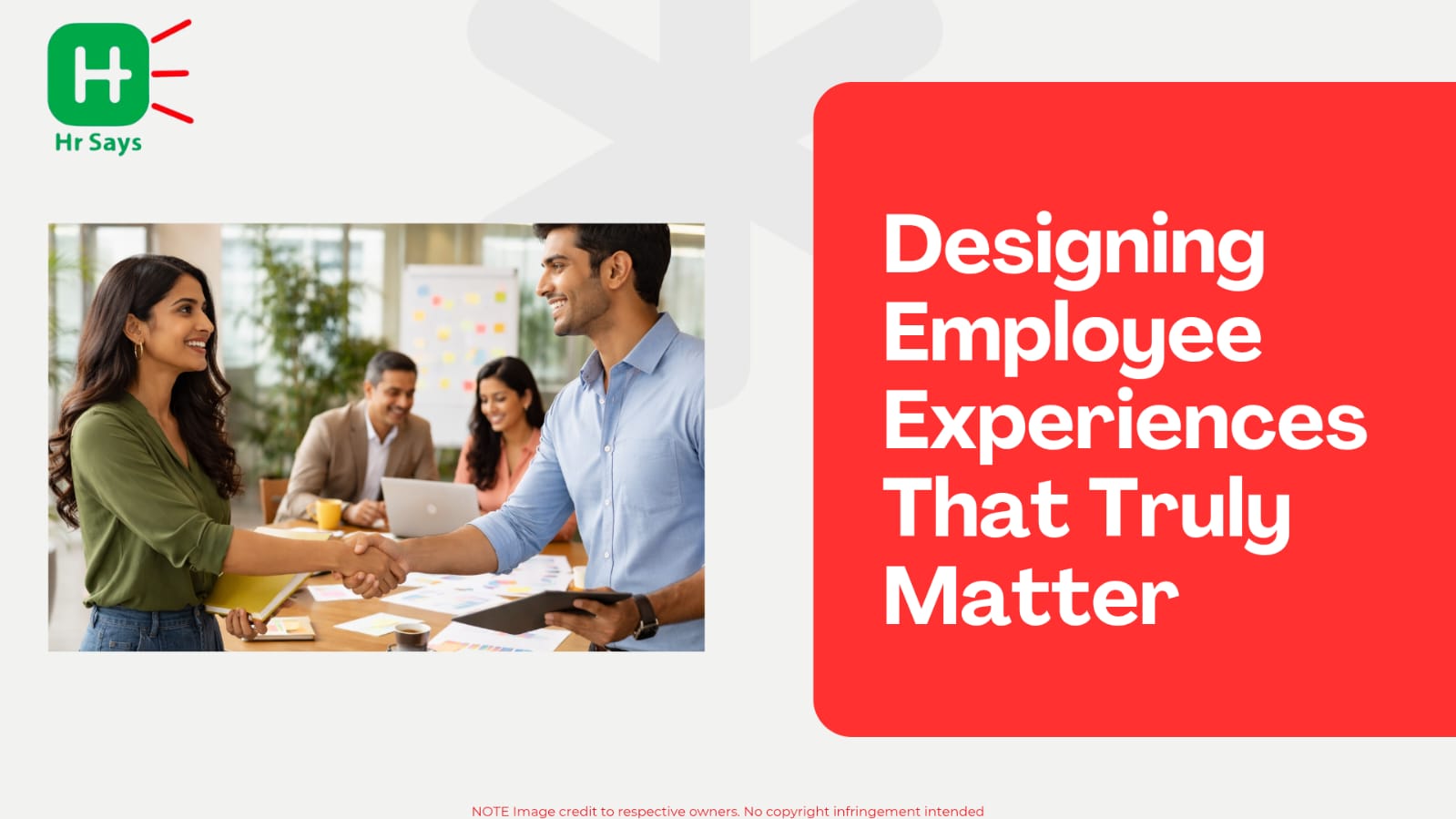
 Employee experience depends on everyday interactions, not perks. By mapping journeys, balancing structure with flexibility, and strengthening leadership behavior, organizations can create consistent, meaningful workplaces that support engagement, trust, and long-term retention.




Ever asked yourself why certain places of work make one feel energized, whilst others make one feel dead? It is seldom the perks or the pay. The actual distinction is in daily interactions, expectations and support systems that determine how employees think, feel, perform and decide whether or not to stay or gradually begin to check out as time goes by.
Understanding What Employees Actually Experience
It is good to stop and look at the subject before taking out the designing. In this section, the authors examine how employee experience is not a policy or office design. It is the amount of little repeated contacts that characterize a working day.
The life of employees is momentary. It is reflected in the nature of feedback provided, the manner in which meetings are handled and reaction of the leaders to pressure. An experience that has been carefully designed is not imposing. It is natural and has a consistency. Employees will be engaged silently when they feel that they are heard and respected. As they are ignored, they develop disengagement in a silent manner.
Mapping the Journey, Not Just the Job
To design meaningful experiences, organizations must look beyond job roles. This section focuses on the full employee journey and why each stage matters.
From hiring to exit, every touchpoint leaves an impression. A confusing onboarding process creates doubt early. Lack of growth conversations builds frustration over time. Instead of fixing isolated issues, mapping the journey helps identify patterns.
Key moments that shape perception- First week onboarding and clarity of role
- Feedback conversations and recognition
- Opportunities for learning and growth
- Manager support during challenges
These moments do not require grand changes. They require attention and intent.
Balancing Structure with Flexibility
Designing experience is not about control. This section explores how structure and flexibility must work together.
Employees need clear systems, but they also need room to adapt. Rigid processes often create friction. Too much freedom creates confusion. The balance lies in giving guidance without restricting individuality.
A simple example is hybrid work. Some teams thrive with fixed schedules, while others perform better with flexible hours. Listening becomes more important than enforcing.
The Role of Leadership in Everyday Experience
Leaders shape experience more than policies do. This section explains how everyday leadership behavior influences workplace culture.
A manager who listens builds trust faster than any HR initiative. A leader who communicates clearly reduces anxiety across teams. These actions may seem small, but they carry weight.
Consistency matters more than intensity. Occasional motivation cannot replace daily clarity and respect. Employees notice patterns, not promises.
Measuring What Truly Matters
Designing experience without measuring it leads to assumptions. This section highlights practical ways to understand what is working.
Surveys help, but conversations reveal more. Feedback should not feel like a formality. It should feel safe and ongoing.
What to track regularly- Employee sentiment and engagement levels
- Retention and exit feedback
- Internal mobility and growth patterns
These insights help refine experiences instead of guessing them.
Conclusion
Employee experience is not built in workshops or documents. It grows through daily interactions, decisions, and leadership behavior. When designed with intent, it strengthens trust and performance. When ignored, it creates silent disengagement. The difference often lies in small, consistent actions that shape how employees feel every single day at work.