 Sunday, September 20, 2026
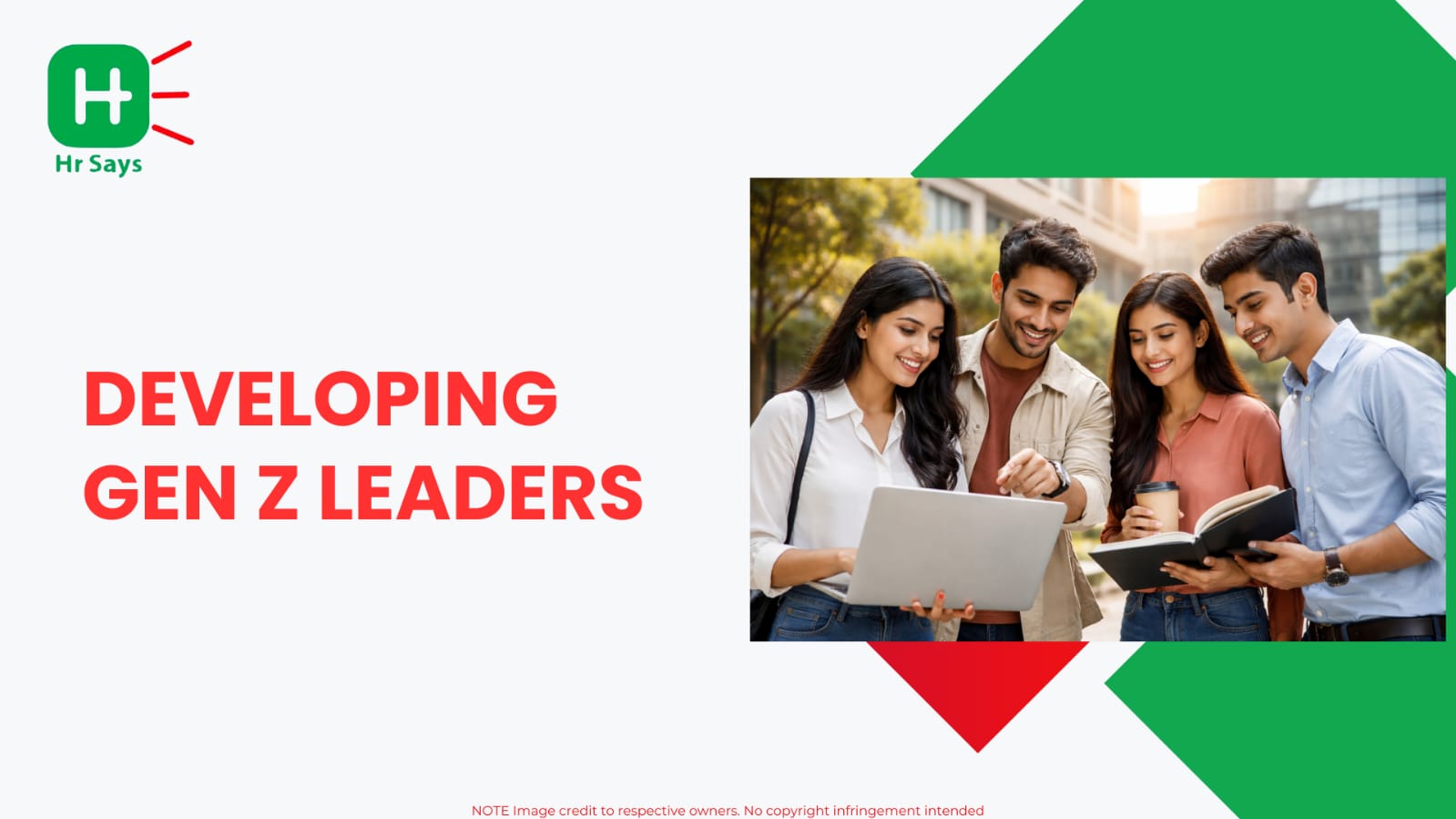
 Gen Z leadership development focuses on adaptability, emotional intelligence, and digital fluency. Organizations that encourage mentorship, continuous learning, and inclusive work cultures are more likely to nurture confident young leaders capable of guiding modern workplaces.




The new generation of workers has been seen to enter the working environment with such expectations, digital savvy, and a yearning that is driven by purpose. Gen Z new workers are seeking employment as well as chances to bring change. The development of leadership in this generation is thus being reinvented in organizations the world over.
Understanding How Gen Z Views LeadershipPreviously leadership was related to hierarchy and years of experience. It is a perception that is being slowly overtaken. To Gen Z, leadership has become viewed as influence, flexibility and meaningful contribution as opposed to authority per se.
Gen z professionals have been brought brought up in a hyper-connected digital space. They have always had access to information. Due to this fact, the old procession method of command-and-control of leadership is doubted. Openness, coordination, and sincerity tend to be better appreciated than inflexible bureaucracies.
Workplaces are also being evaluated differently. Salary and stability still matter, but purpose, flexibility, and personal growth are often given equal importance. A leader who communicates openly and creates space for ideas is usually respected more than one who simply directs tasks.
Several workplace trends are shaping Gen Z leadership development:
- Remote and hybrid work environments
- Increased focus on mental well-being at work
- Rapid adoption of digital collaboration tools
- Demand for inclusive leadership cultures
As a result, leadership development programs are slowly shifting. Instead of focusing only on managerial authority, organizations are placing greater emphasis on emotional intelligence, communication skills, and adaptability.
Another interesting shift can be observed in how learning happens. Gen Z professionals often prefer continuous learning through digital platforms, microlearning modules, and real-time feedback. Leadership development, therefore, is no longer limited to formal training sessions. It is increasingly embedded into everyday work experiences.
Skills That Shape Effective Gen Z LeadersLeadership potential among Gen Z employees is often expressed through creativity, technological comfort, and social awareness. However, these strengths need to be supported with structured development to transform potential into real leadership capability.
Several key competencies are commonly emphasized when Gen Z leadership is developed.
Digital and Technological FluencyTechnology has been a constant presence in Gen Z’s lives. As a result, many young professionals are comfortable navigating digital tools, data platforms, and collaborative software.
In modern organizations, this digital fluency can become a leadership advantage. Decision-making is often supported by data insights, digital communication, and fast information sharing. Leaders who understand these tools are able to guide teams more efficiently.
Emotional Intelligence and EmpathyTechnical ability alone does not create strong leaders. Emotional intelligence is increasingly recognized as a critical leadership trait.
Gen Z leaders are often expected to demonstrate:
- Active listening
- Empathy toward team members
- Awareness of mental health challenges
- Respect for diverse perspectives
When emotional intelligence is developed early, team trust tends to improve and workplace communication becomes more open.
Adaptability and Continuous LearningThe modern workplace evolves quickly. New technologies, changing market demands, and shifting work models require leaders who can adapt without hesitation.
For Gen Z professionals, adaptability is often strengthened through:
- Continuous skill development
- Learning from feedback
- Exposure to cross-functional projects
- Participation in innovation-driven teams
These experiences gradually build confidence and problem-solving ability.
How Organizations Can Support Gen Z Leadership GrowthLeadership development does not happen automatically. Structured guidance, mentorship, and supportive cultures are usually required.
Organizations are increasingly adopting several strategies to nurture young leaders:
- Mentorship programs where experienced leaders guide emerging talent
- Leadership workshops focusing on communication and decision-making
- Project-based leadership opportunities for practical learning
- Regular feedback systems that encourage improvement
A supportive environment allows young professionals to experiment, make mistakes, and refine their leadership style.
At the same time, organizations benefit from the fresh perspectives Gen Z leaders bring. Their familiarity with digital culture, social responsibility, and innovation can influence workplace transformation.
ConclusionDeveloping Gen Z leaders requires a thoughtful balance between guidance and autonomy. Their digital strengths, creativity, and purpose-driven mindset already offer strong foundations. When supported with mentorship, emotional intelligence training, and continuous learning opportunities, their leadership potential can be steadily shaped.