 Thursday, October 01, 2026
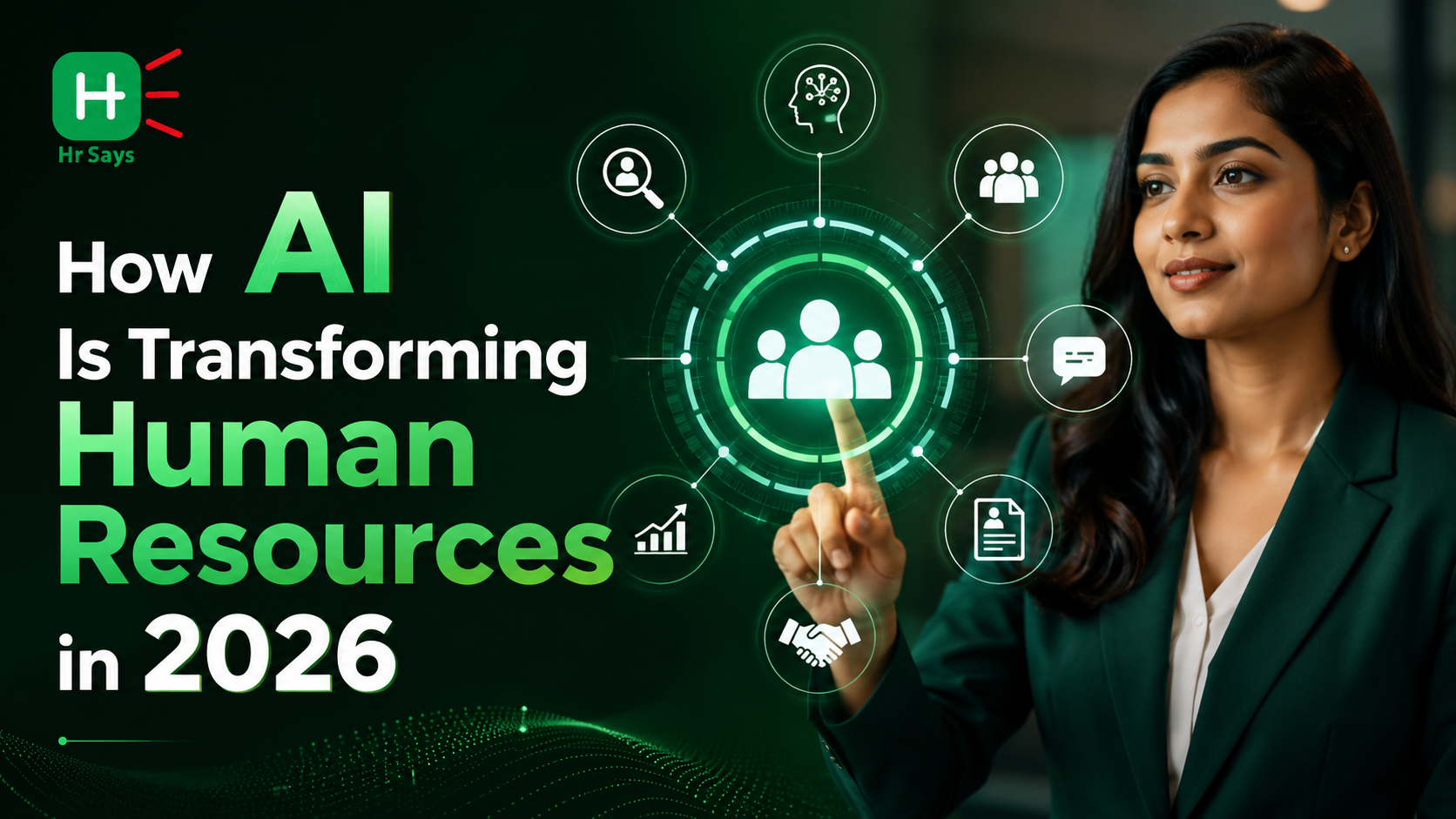
 Artificial intelligence is reshaping human resources across recruitment, performance management, payroll, and employee engagement, offering Indian HR leaders transformative tools to build smarter, more equitable, and more strategic workplaces.





How Artificial Intelligence Is Transforming Human Resources: What Indian HR Leaders Need to Know
The Shift That Is Rewriting the HR Playbook
Human resources has always been a function built on human judgment. For decades, HR professionals in India and around the world relied on intuition, experience, and manual processes to hire talent, manage performance, run payroll, and keep employees engaged. That approach served organizations well for a long time. However, the landscape has changed significantly, and artificial intelligence is at the center of that change.
In 2026, AI is no longer a technology reserved for large technology companies or global multinationals. It has entered the everyday reality of HR departments across industries, company sizes, and cities. From startups in Bengaluru to manufacturing units in Pune and retail chains in Tier 2 cities, organizations are beginning to experience firsthand what AI can do for their people operations.
According to SHRM's State of AI in HR 2026 report, 92 percent of Chief Human Resources Officers anticipate that AI will be further integrated into the workforce this year, with 87 percent forecasting greater adoption within HR processes specifically. This is not a trend that is arriving in the future. It is already here, and it is accelerating. For Indian HR leaders, understanding this transformation, not just what AI does but how it changes the role of HR itself, is no longer optional.
AI in Recruitment: Moving Beyond Resume Screening
Talent acquisition has historically been one of the most time-consuming functions in HR. Reviewing hundreds of resumes for a single role, scheduling interviews across multiple rounds, coordinating with hiring managers, and maintaining candidate communication, each of these tasks demanded significant time and human attention. AI is changing all of this in meaningful ways.
Today, AI-powered applicant tracking systems can screen thousands of resumes in minutes, rank candidates based on job relevance, identify patterns that predict cultural fit, and even conduct initial assessments through automated conversation interfaces. In India, where the scale of hiring is unlike almost anywhere else in the world, this capability is particularly significant. The country has over 400 million frontline workers, the largest such workforce globally and traditional recruitment models have long struggled to keep pace with the volume, geography, and linguistic diversity of this talent pool.
According to data from NASSCOM, Indian organizations have increased their HR technology budgets year-over-year by an average of 34 percent, with AI implementations in recruitment projected to reach 84 percent among IT and ITES sector companies in India's major technology corridors by the end of 2026. AI-enabled HR systems have also helped reduce average time-to-hire by 23 percent, a gain that directly translates to cost savings and competitive advantage in talent-tight markets.
However, responsible adoption matters here. A Stanford study from 2025 found that some AI-driven resume screening tools consistently rated older male candidates higher than equally qualified female and younger applicants. For Indian organizations navigating diversity mandates and building more inclusive workplaces, the lesson is clear: AI should assist hiring decisions, not automate them without oversight. HR leaders must audit and review the systems they deploy to ensure fairness remains central to the process.
Performance Management in the Age of Predictive Analytics
Traditional performance reviews have been criticized for years. They tend to be annual, backward-looking, often influenced by proximity bias, and rarely connected in real time to business outcomes. AI is helping organizations reimagine this process from the ground up.
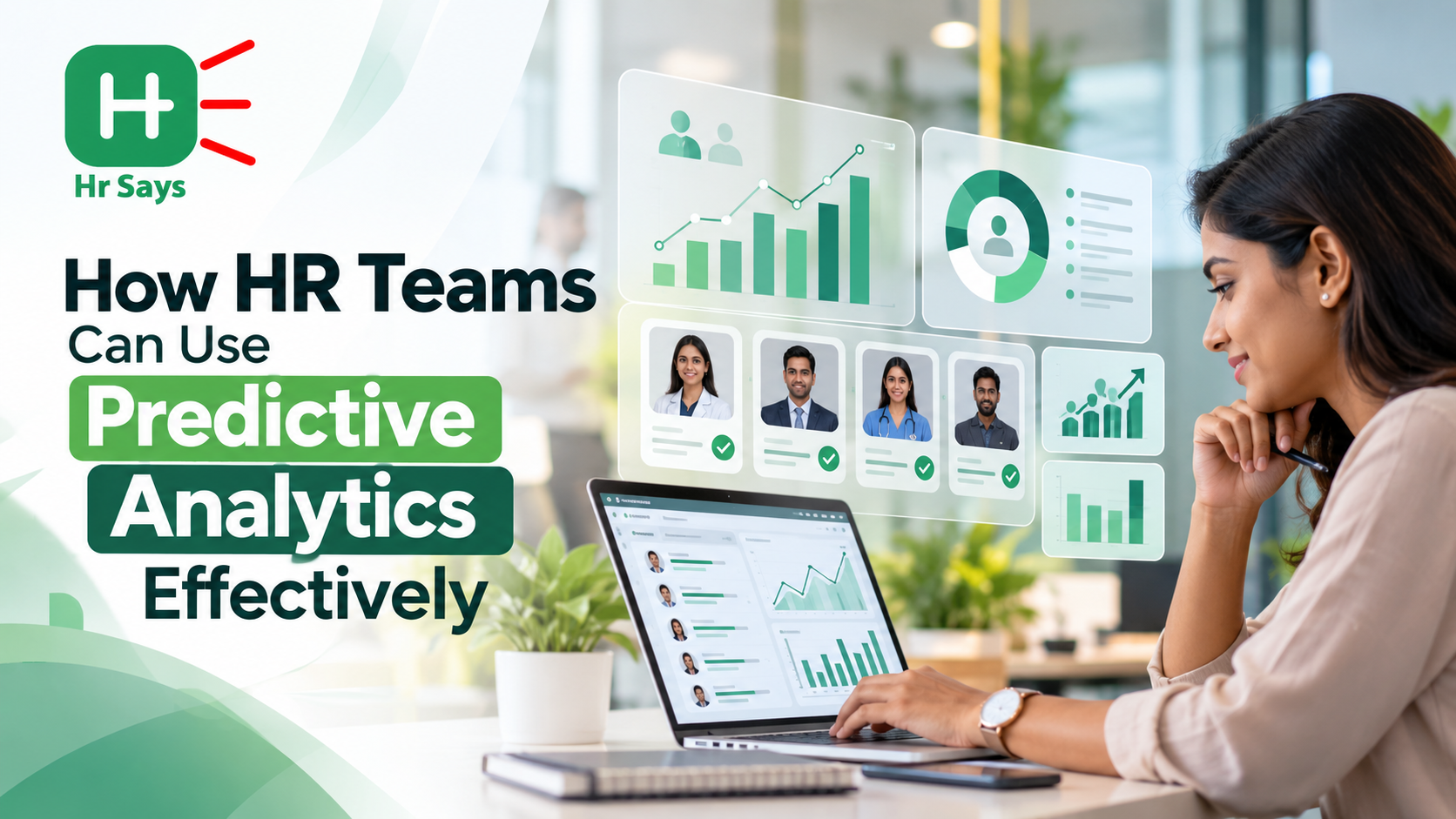
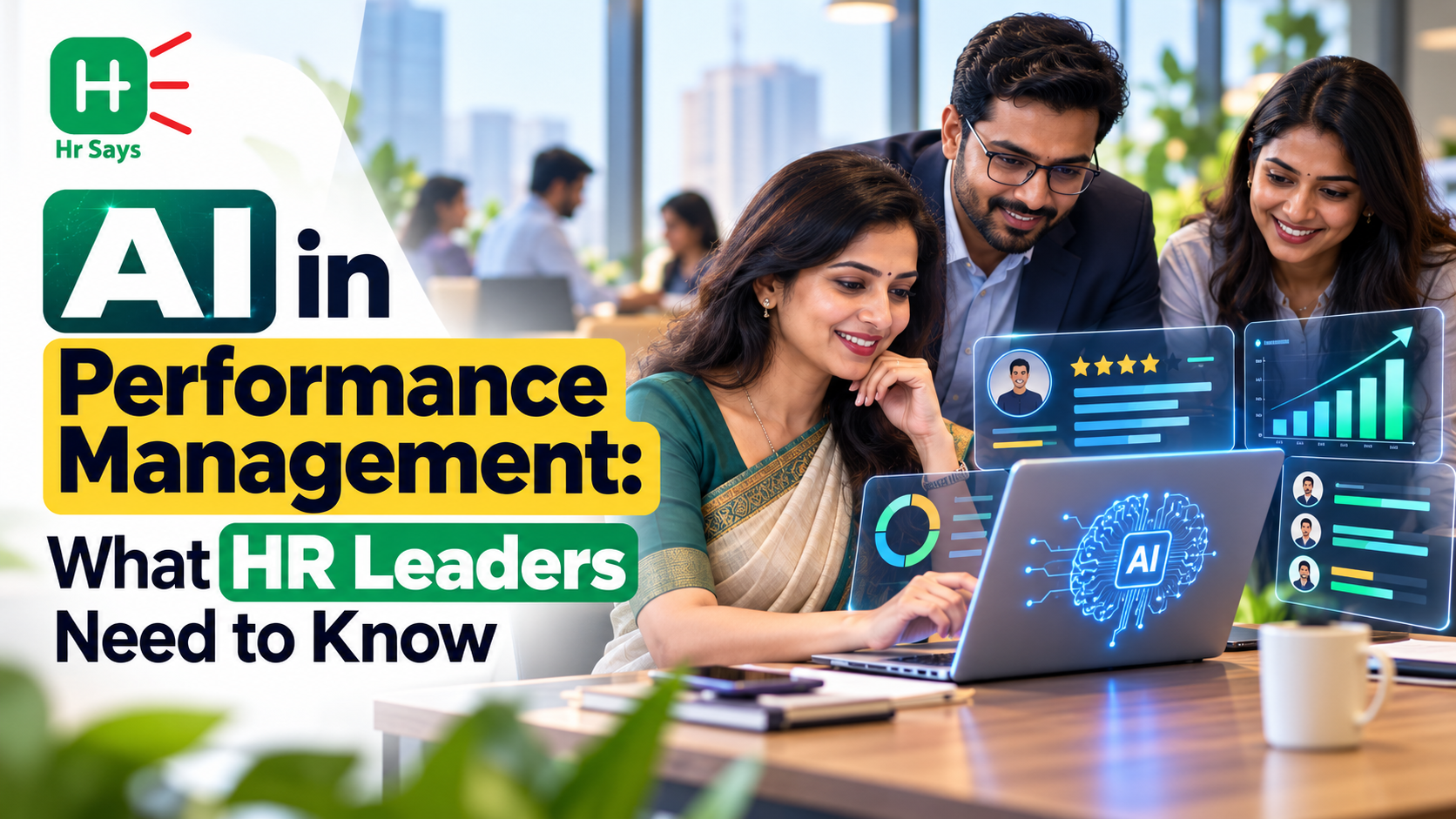
Modern AI-powered performance management platforms continuously analyze data points such as output quality, collaboration patterns, project completion rates, and peer feedback. Rather than waiting for the year-end review cycle, managers receive ongoing insights about team performance, individual progress, and early warning signals about disengagement or burnout. This shift from periodic reporting to continuous intelligence is one of the most practically impactful changes AI brings to people management.
Workforce intelligence platforms can now evaluate a combination of factors simultaneously, including employee engagement trends, promotion history, compensation competitiveness, manager effectiveness, and career progression opportunities. When these signals are evaluated collectively, organizations can identify retention risks months before employees begin actively seeking new opportunities. AI-assisted interventions can then be recommended to address those risks proactively.
For Indian companies facing high attrition rates, particularly in sectors like IT services, e-commerce, banking, and retail, this predictive capability has real financial value. Replacing an employee typically costs between 50 and 200 percent of that employee's annual salary when factoring in recruitment, onboarding, and productivity loss. Any technology that can meaningfully reduce attrition deserves serious attention from HR leadership.
Learning and Development: Personalized at Scale
One of the persistent challenges in Indian organizations, particularly mid-sized companies and those in Tier 2 cities, has been the gap between training programs and individual employee needs. Learning and development budgets are often limited, and organizations have traditionally relied on uniform training content that may not match the specific skill gaps of individual employees.
AI is solving this problem through personalized learning pathways. By analyzing an employee's role, current skill level, past learning history, and future career aspirations, AI-driven learning management systems can recommend targeted content, suggest relevant certifications, and sequence modules in ways that maximize knowledge retention and application. According to recent data, 31 percent of organizations now use AI to personalize internal learning journeys and growth paths, and 29 percent of firms globally rely on generative AI for employee learning content creation.
In India, where the skills gap in AI and emerging technologies is growing rapidly, this personalized approach is especially important. The country recorded 290,000 AI-linked job roles in 2025, with demand expected to grow by over 30 percent in 2026, and skills in generative AI and large language models surged by nearly 60 percent year-on-year. Organizations that invest in AI-powered learning infrastructure today are building the workforce resilience they will need tomorrow.
Payroll, Compliance, and Administrative Efficiency
HR operations in India carry a significant administrative load. Managing payroll across diverse employee categories, staying current with Provident Fund regulations, professional tax variations across states, Gratuity Act compliance, and increasingly, the requirements under India's Digital Personal Data Protection Act of 2023, all of this demands precision, consistency, and considerable time.
AI simplifies payroll by automating salary calculations, tax deductions, and compliance requirements. It adapts to regulatory changes in real time and detects inconsistencies before they become errors, ensuring accurate payroll processing while minimizing compliance risk. Companies using AI in payroll and compliance processes have reported a 19 percent reduction in administrative costs, freeing HR teams from transactional work and enabling them to focus on higher-value activities.
India's DPDP Rules of 2025 have introduced an important new dimension to HR compliance. Employee data, from recruitment records and payroll files to performance data and biometric attendance logs is now regulated personal data. AI-powered HR platforms that include data mapping, purpose limitation controls, and consent management capabilities help organizations navigate this regulatory landscape more effectively. For HR leaders, understanding where employee data is stored, how it is used, and when it is deleted is no longer just a best practice. It is a legal requirement.
Employee Engagement and Workforce Sentiment
One of the more nuanced applications of AI in HR is in the area of employee engagement. Understanding how employees feel, whether they are motivated, whether they feel heard, and whether they are likely to stay, has always been challenging because the signals are often invisible until it is too late.
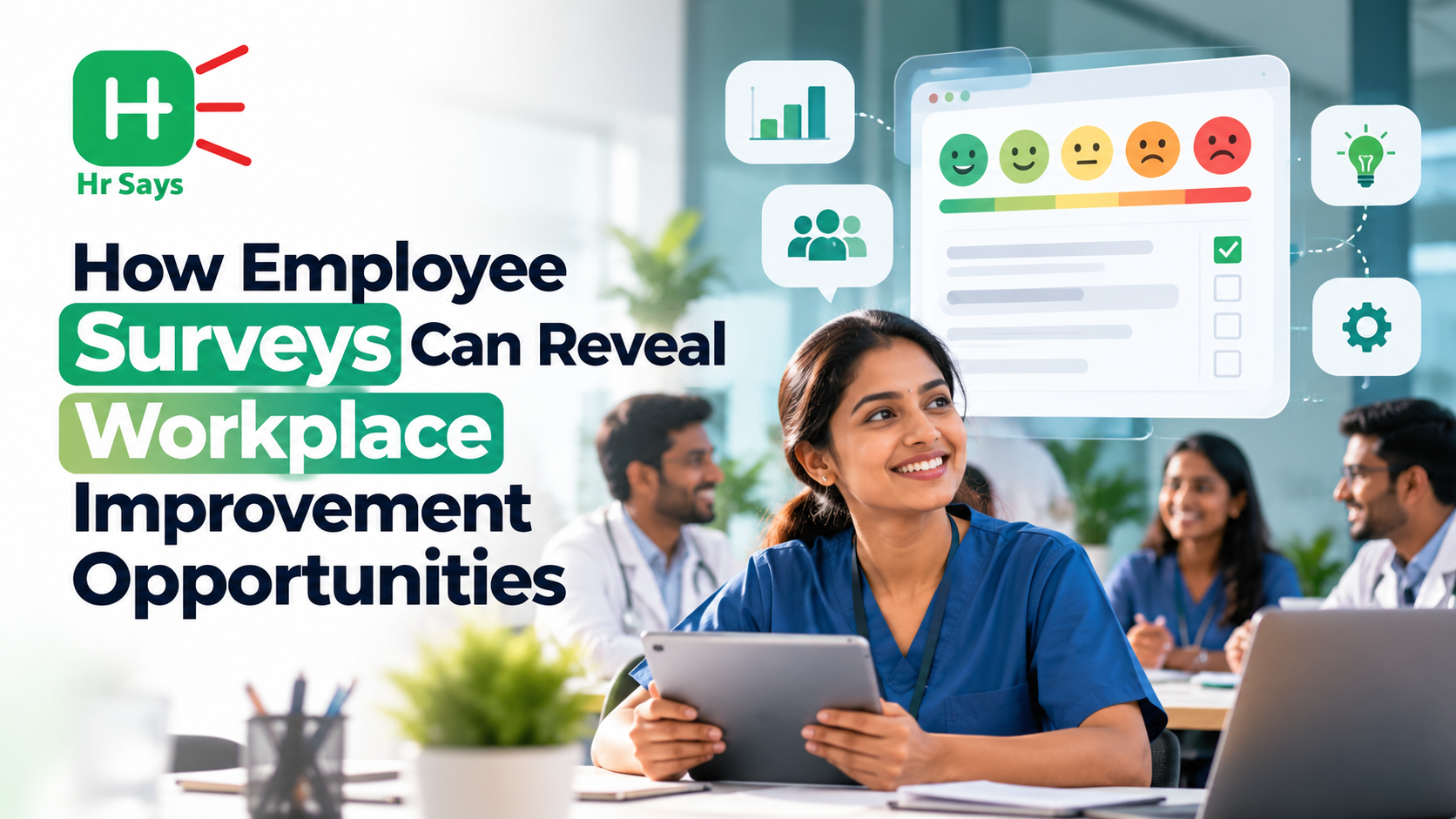
AI tools can now analyze a range of inputs, including engagement survey responses, internal communication patterns, digital behavior on HR platforms, and even patterns in feedback shared with managers, to generate workforce sentiment insights. These tools do not replace the human judgment of a skilled HR business partner. They complement it by surfacing data that would otherwise remain invisible.
According to recent research, 48 percent of HR teams report improved employee engagement after integrating AI into internal communication systems, and AI-assisted onboarding workflows have been found to improve new hire satisfaction scores by 24 percent. These are not marginal improvements. They represent a genuine shift in how organizations can build connection, belonging, and productivity from day one of the employee journey.
For Indian workplaces, where workforce diversity, across language, culture, geography, and generation, creates genuine communication complexity, AI-powered engagement tools that can surface concerns early and enable managers to respond with empathy represent a meaningful capability upgrade.
The Role of the HR Professional in an AI-Enabled Workplace
A question that surfaces repeatedly in conversations about AI in HR is whether these technologies will replace HR professionals. The honest answer, supported by research and real-world experience, is that they will not replace good HR professionals. What they will do is fundamentally change what good HR work looks like.
Gartner's 2026 CHRO Priorities research, based on insights from 426 CHROs across 23 industries, identifies the evolving HR operating model as having the highest predicted impact on AI productivity gains at 29 percent. As AI takes on more transactional tasks, HR professionals are freed to focus on strategic talent leadership, custom employee experiences, workforce planning, and organizational culture areas where human empathy, judgment, and relationship skills remain irreplaceable.
However, this transition requires intentional capability building. A NASSCOM report from early 2026 noted that approximately 40 percent of organizations cite a lack of workforce preparedness on AI-related skills as a significant challenge. HR leaders themselves must become AI-literate, not to build models, but to evaluate tools critically, ask the right questions of vendors, and make responsible adoption decisions on behalf of their organizations.
The most effective HR functions in 2026 are those where HR professionals combine their understanding of people and culture with the analytical power of AI, using both together to create workplaces that are more productive, more equitable, and more human.
What Indian HR Leaders Should Prioritize Right Now
The urgency of AI adoption in HR does not mean organizations should rush in without a clear strategy. The organizations that are generating real value from AI in HR are those that have been deliberate about which problems they are solving, which tools they are choosing, and how they are preparing their people for the change.
A few priorities stand out for Indian HR leaders in this moment. First, it is important to audit existing HR processes to identify where AI can genuinely reduce friction, improve accuracy, or surface better insights. Not every HR process benefits equally from AI, and starting with a specific problem, whether that is reducing time-to-hire, improving onboarding satisfaction, or predicting attrition, is more effective than trying to automate everything at once.
Second, data governance deserves serious attention. AI is only as good as the data it learns from, and Indian organizations must ensure that employee data being fed into AI systems is accurate, representative, and managed in compliance with DPDP regulations. Third, change management is non-negotiable. Employees and managers need to understand why AI tools are being introduced, how they will affect their work, and what safeguards are in place to ensure fairness. Without this communication, even well-designed AI implementations face resistance.
Finally, HR leaders should position themselves as active participants in their organization's broader AI strategy. According to AIHR, while 92 percent of HR leaders report at least some level of participation in AI implementation, only 21 percent are closely involved in AI strategy decisions. Closing that gap is one of the most important professional steps an HR leader can take today.
Conclusion
Artificial intelligence is not a disruption happening to human resources from the outside. It is a transformation being shaped by HR leaders who recognize that the function has an opportunity to become more strategic, more data-informed, and more impactful than it has ever been before.
For Indian organizations, navigating rapid growth, talent scarcity, regulatory complexity, and workforce diversity, AI brings tools that can genuinely improve the quality of HR decisions and the quality of employee experiences. The technology is ready. The data is available. The competitive pressure is real.
The question now is not whether AI will transform human resources, but how well HR leaders will guide that transformation. Those who approach it with curiosity, rigor, and a genuine commitment to people will find that AI amplifies everything that makes great HR great. Platforms like HRSays exist precisely to support these conversations, helping HR professionals, business leaders, and workplace decision-makers stay informed, stay connected, and build better workplaces together.
Frequently Asked Questions
How is AI being used in HR recruitment in India?
AI is being used in Indian HR recruitment to automate resume screening, rank candidates based on role relevance, conduct initial assessments, schedule interviews, and reduce time-to-hire. AI-enabled HR systems have reduced average time-to-hire by 23 percent, making the hiring process faster and more consistent. Indian organizations, particularly in IT, ITES, and large-scale frontline hiring, have seen significant operational improvements through AI-powered talent acquisition tools.
Will AI replace HR professionals in Indian companies?
AI is not expected to replace HR professionals in Indian companies. Instead, it is reshaping the nature of HR work by automating transactional and repetitive tasks such as payroll processing, resume screening, and compliance tracking, while freeing HR professionals to focus on strategic functions, including workforce planning, employee experience, culture building, and organizational development. The HR professionals most in demand in 2026 are those who combine strong people skills with AI literacy.
What are the key challenges of adopting AI in HR for Indian organizations?
The key challenges of AI adoption in HR for Indian organizations include a lack of workforce preparedness for AI-related skills, the need for strong data governance under India's DPDP Act of 2023, potential bias in AI-driven hiring tools if not audited carefully, and the change management required to help employees and managers trust and effectively use AI systems. Organizations that address these challenges with a clear strategy, strong communication, and ongoing oversight tend to get the best outcomes from their AI investments.