Saturday, October 24, 2026
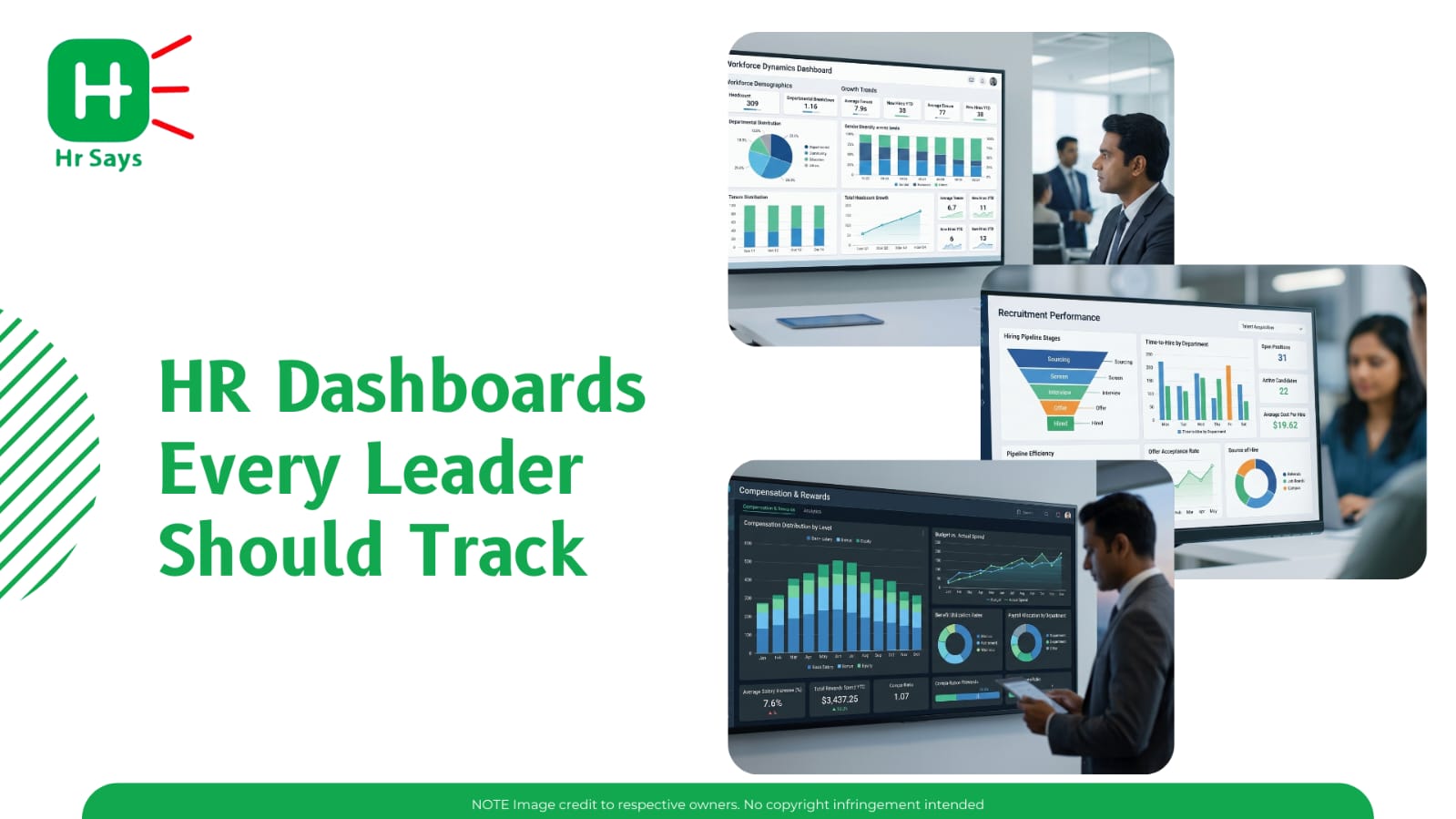
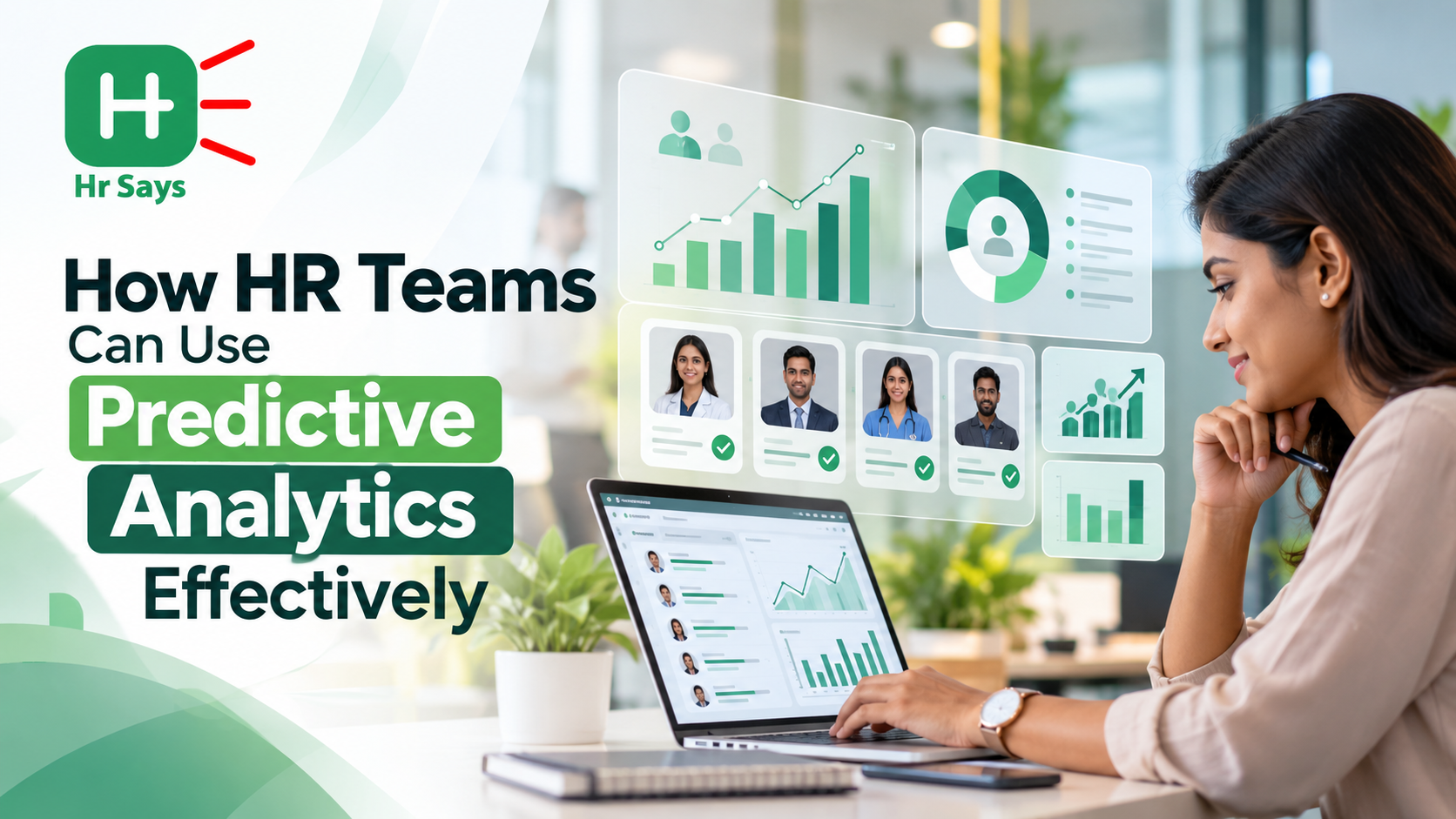
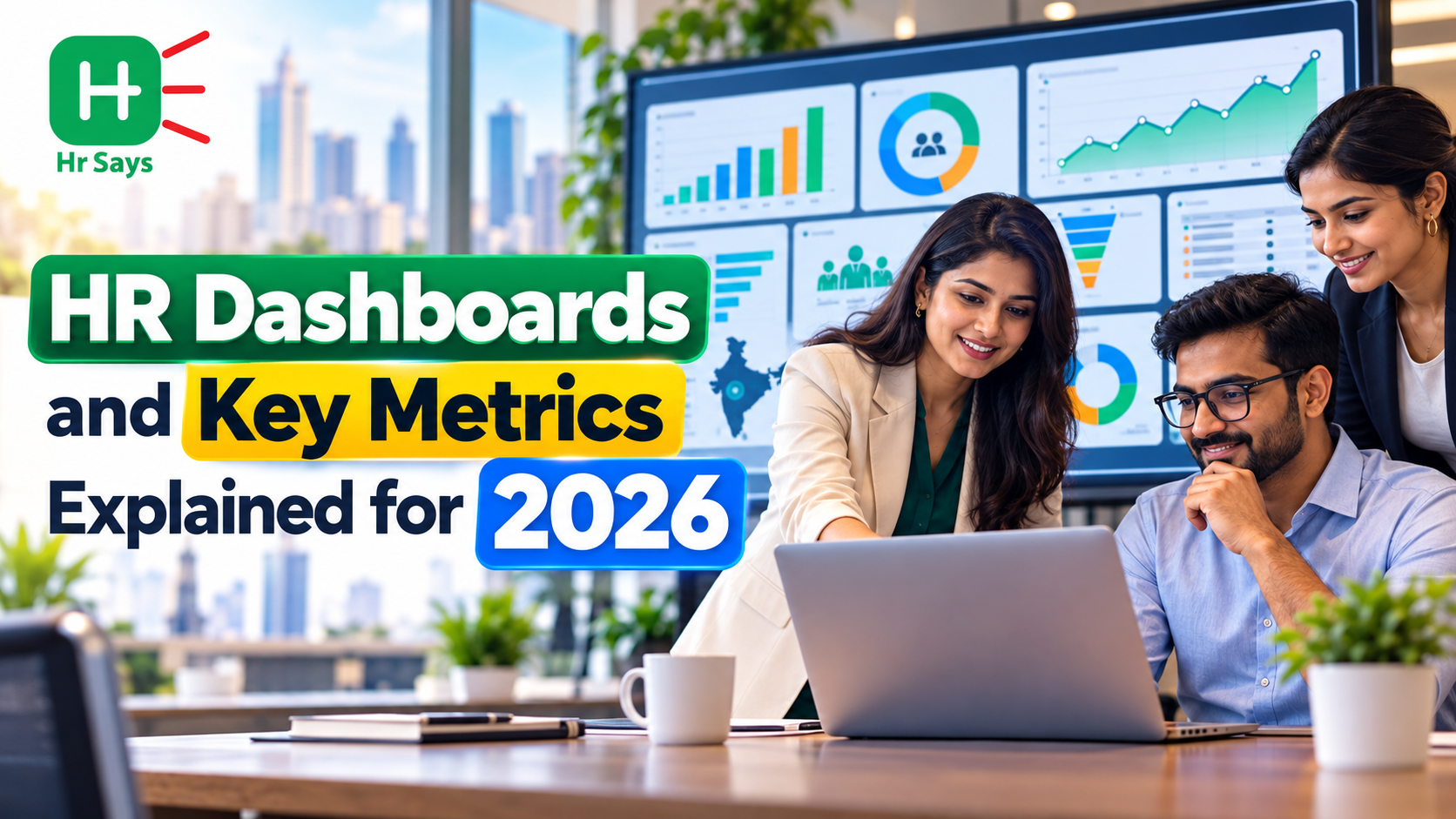
 HR dashboards help leaders monitor workforce trends, recruitment efficiency, engagement levels, and productivity. When the right HR metrics are tracked consistently, organisations gain clearer insights into employee performance, retention risks, and strategic workforce planning.




Data has become the defining aspect of work places today. When it concerns the issues leaders can detect them long before their numbers would testify. With an HR dashboard that is properly made, one can easily transform the disjointed workforce data to data points. As soon as the appropriate metrics are being followed on a regular basis, decisions related to hiring, retention, and culture become much more grounded.
Why HR Dashboards Matter For Modern Leadership
In most organisations, HR information is gathered but not often converted into strategic direction. Dashboards change that. Once the workforce data is displayed in a graphical manner and the data is updated on a regular basis, trends are identified sooner and the decisions of the leadership are made more accurate.
An HR dashboard acts as a control panel for organisational health. Instead of relying on assumptions or delayed reports, leaders are able to observe trends in real time. Workforce planning, employee engagement, and productivity indicators can all be monitored together.
Several benefits are usually observed when HR dashboards are implemented properly.
• Workforce performance trends are identified faster
• Employee retention risks are noticed earlier
• Recruitment effectiveness becomes measurable
• HR strategy aligns better with business outcomes
Data-driven HR leadership has become a growing priority in modern workplaces. Companies using analytics in HR management often find that decisions are made with greater clarity. Rather than reacting to issues late, organisations can respond while problems are still manageable.
Another important advantage lies in transparency. When leaders consistently review HR dashboards, accountability within teams increases. Performance gaps, hiring bottlenecks, and engagement challenges are brought into view. Over time, this creates a culture where decisions are supported by evidence rather than instinct alone.
For organisations experiencing growth or workforce expansion, HR dashboards also simplify complexity. Instead of reviewing dozens of reports, leaders are given a central view of workforce health. Strategic planning becomes easier when reliable HR analytics are available.
Key HR Metrics Every Leader Should Monitor
Not every metric deserves equal attention. The most valuable dashboards focus on indicators that reveal workforce stability, productivity, and employee satisfaction.
Employee Turnover Rate
Employee turnover remains one of the most critical HR metrics. High turnover often signals deeper issues related to culture, management practices, or career development.
Important indicators often tracked include:
• Voluntary resignation trends
• Department-level attrition
• Average tenure of employees
When these numbers begin shifting, leadership attention is usually required.
Recruitment Efficiency
Hiring speed and quality have a direct impact on organisational growth. Recruitment metrics help leaders understand whether hiring processes are working effectively.
Common recruitment indicators include:
• Time to fill open positions
• Cost per hire
• Candidate conversion rates
Recruitment dashboards often highlight where delays occur within the hiring pipeline.
Employee Engagement Score
Engagement levels strongly influence productivity and retention. Surveys, feedback platforms, and HR analytics tools are often used to track employee sentiment.
Indicators usually reviewed include:
• Engagement survey results
• Participation rates in feedback programs
• Workplace satisfaction scores
Consistently low engagement scores can signal leadership communication gaps or workload concerns.
Workforce Productivity Metrics
Productivity indicators provide insight into how efficiently teams are performing. While productivity varies across industries, several measurements are commonly used.
These include:
• Output per employee
• Absenteeism rates
• Overtime patterns
When productivity declines unexpectedly, HR dashboards help leaders identify underlying causes quickly.
Learning and Development Progress
Workforce capability grows when employees are given opportunities to develop new skills. Learning dashboards track whether training programs are actually improving performance.
Typical development indicators include:
• Training completion rates
• Skill development progress
• Internal promotion rates
These metrics reveal whether talent pipelines are being strengthened.
Conclusion
HR dashboards help leaders see what is often invisible in everyday operations. When workforce data is monitored consistently, organisations respond earlier, plan smarter, and support employees more effectively. Over time, the dashboard becomes less of a tool and more of a leadership habit.