Search Results

You searched for : EmployeeRetention  

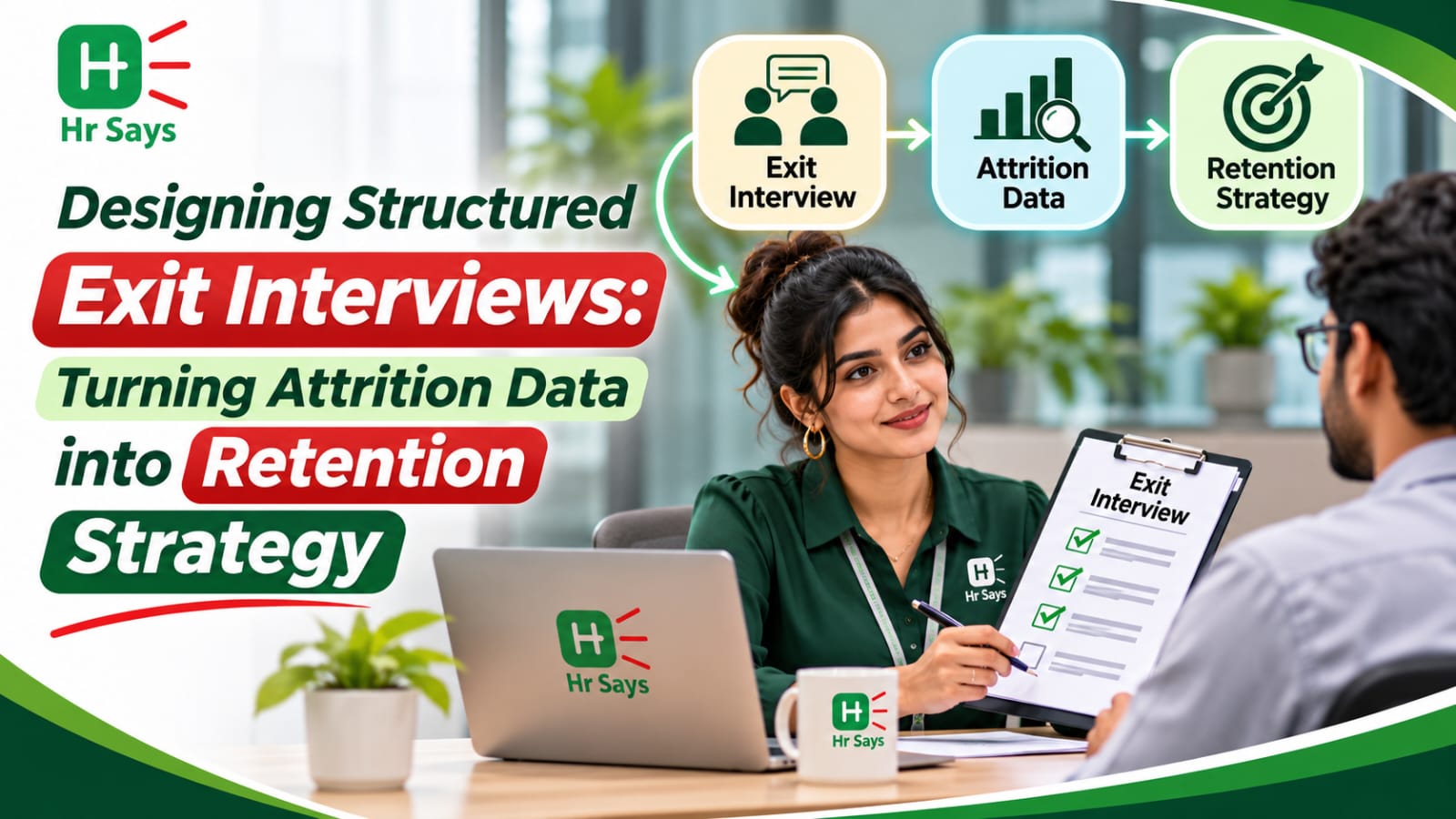
Designing Structured Exit Interviews: Turning Attrition Data into Retention Strategy

Structured exit interviews help HR teams uncover the reasons behind employee attrition and turn feedback into actionable retention strategies. Understanding why employees leave can improve ...
Nov 17

How Structured Stay Interviews Help HR Understand Why Employees Remain

This article examines stay interviews from a practical HRSays perspective, covering the key considerations, implementation or decision points, and ways the topic can support clearer ...
Sep 30

Building Better Exit Interviews in Hospitals: Turning Departures into Workforce Insight

Exit interviews help Indian hospitals uncover why employees leave, identify recurring workforce issues, and improve retention by combining confidential feedback with HR analytics, targeted interventions, ...
Sep 09

Why Employees Leave Organizations: The Real Reasons Behind Attrition in India

...
Aug 05

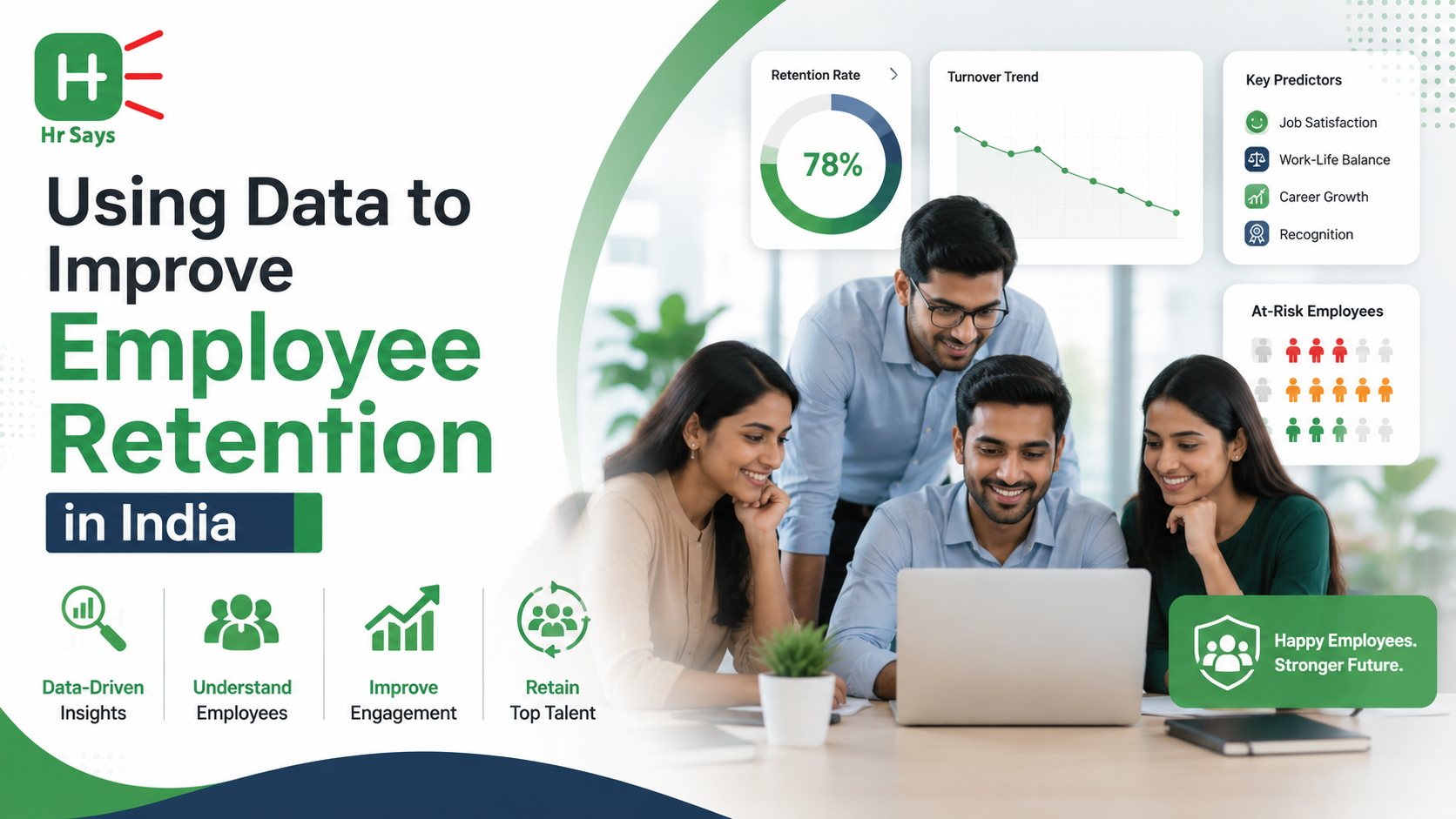
Using Data to Improve Employee Retention: A Strategic Guide for Indian HR Leaders

Data-driven retention strategies help Indian HR leaders predict attrition, understand root causes, and take targeted action to keep top talent engaged and committed. ...
Jul 29

Retention Strategies for Tier-2 & Tier-3 City Workforces

Retaining talent in Tier-2 and Tier-3 cities requires HR strategies that go beyond conventional corporate benefits. By focusing on localized motivators such as ...
Jul 04

Retention Strategies for Tier-2 & Tier-3 City Workforces

Retaining talent in regional markets requires HR strategies that address local workforce priorities rather than relying on generic corporate benefits. By focusing on four localized ...
Jul 03

How to Improve Employee Retention: 2026 India Guide

Employee retention in India requires more than competitive pay. This guide covers why employees leave, key risk factors, and practical strategies, from manager training to ...
Jul 02

Managing the Notice Period: Mitigate Attrition & Knowledge Loss

A well-managed notice period ensures smooth employee transitions by protecting business continuity, client relationships, and team productivity. With structured knowledge transfer and proactive HR ...
Jun 22

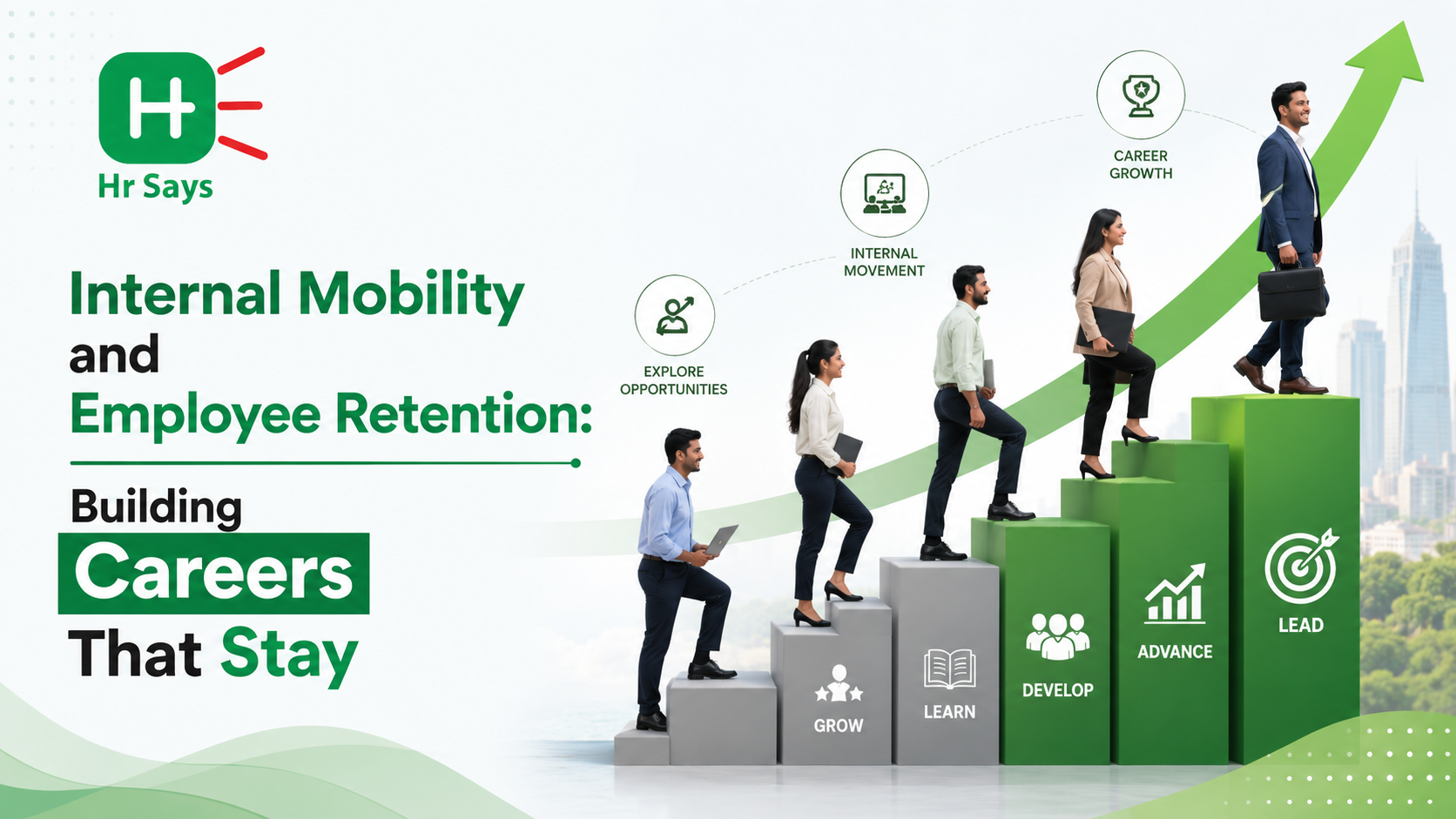
Internal Mobility and Employee Retention: Building Careers That Stay

Internal mobility strengthens employee retention by creating visible career pathways, supporting workforce development, and improving talent engagement. Organizations that prioritize career growth, skill mobility, and ...
Jun 18

Employee Retention Strategies That Actually Work

Strong employee retention strategies improve workplace stability by combining leadership support, flexibility, employee engagement, and career development. Modern staff retention strategies focus on emotional sustainability, ...
May 11

Retaining Gen Z Talent Long-Term

Retaining Gen Z talent requires organizations to adapt workplace culture, leadership style, and growth opportunities. Flexible work, meaningful engagement, continuous learning, and transparent communication collectively ...
Mar 16

Protecting Employer Brand During Crisis

Employer branding is most vulnerable during crisis situations. Transparent communication, responsible leadership behavior, and employee focused decisions help organizations maintain credibility. A thoughtful response not ...
Mar 12

What Makes a Strong Employer Value Proposition?

A strong Employer Value Proposition defines the real value employees receive from an organization. When culture, growth opportunities, benefits, and workplace flexibility align with...
Mar 10

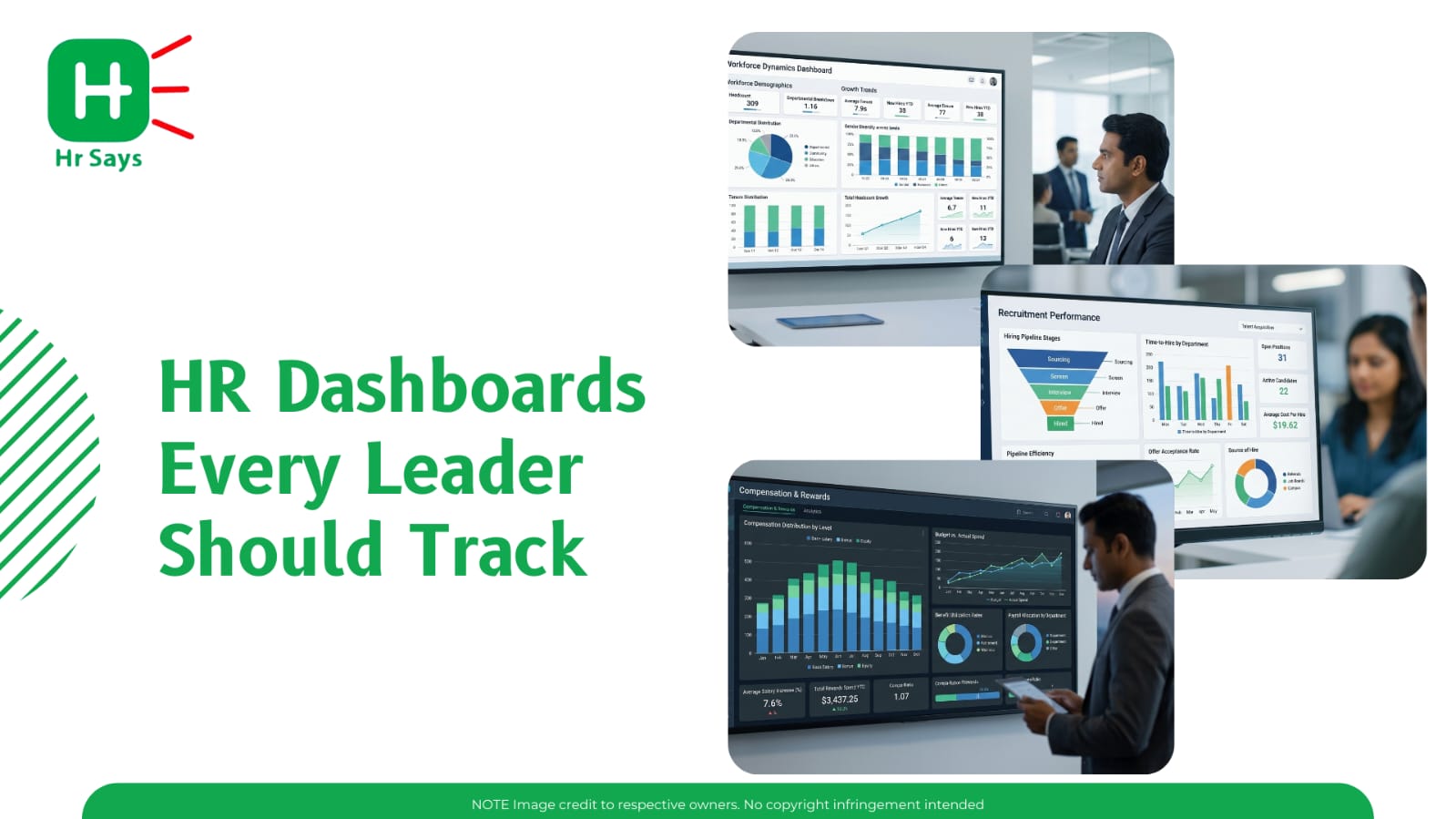
HR Dashboards Every Leader Should Track

HR dashboards help leaders monitor workforce trends, recruitment efficiency, engagement levels, and productivity. When the right HR metrics are tracked consistently, organisations gain clearer insights ...
Mar 07

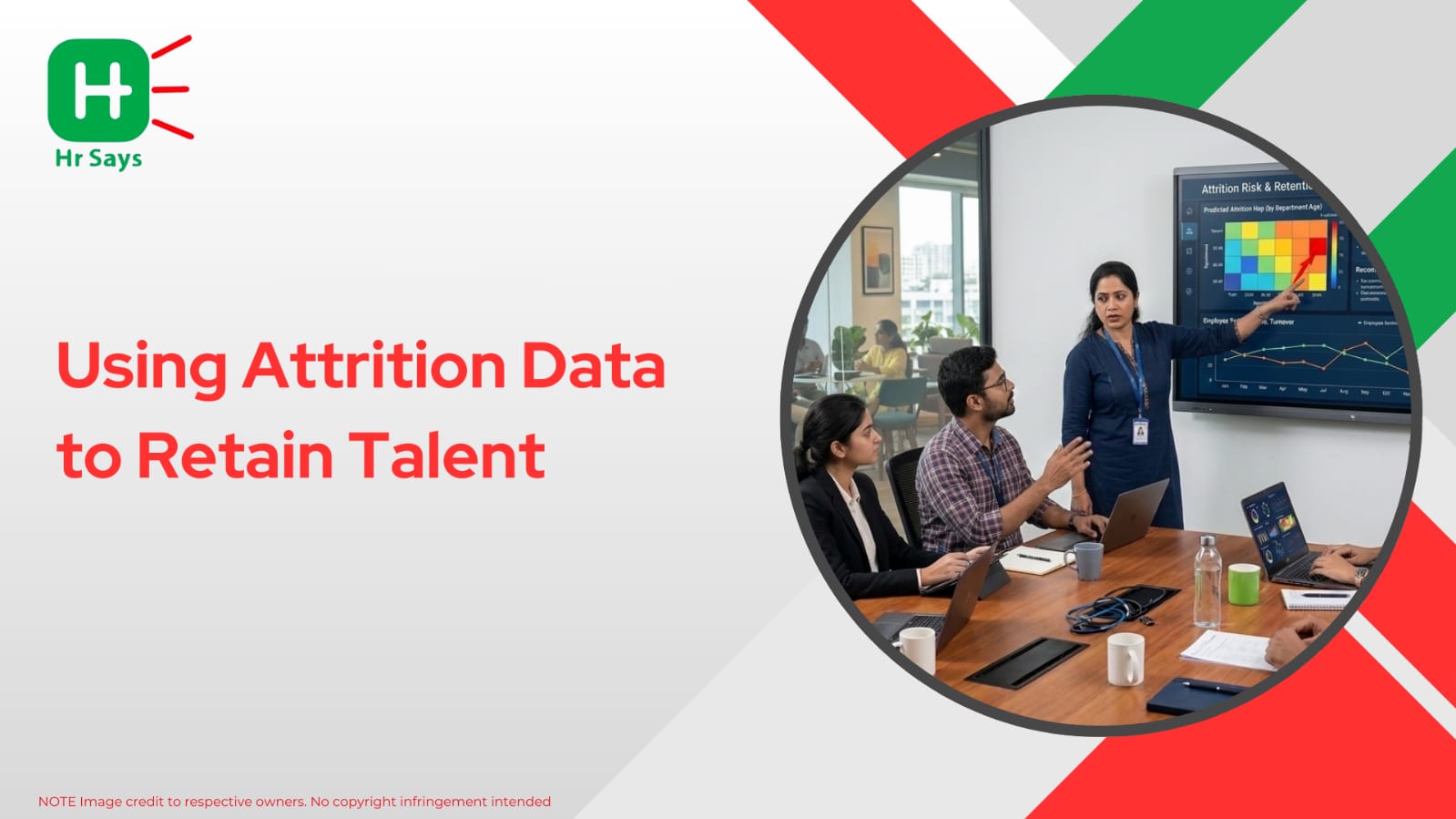
Using Attrition Data to Retain Talent

...
Mar 06

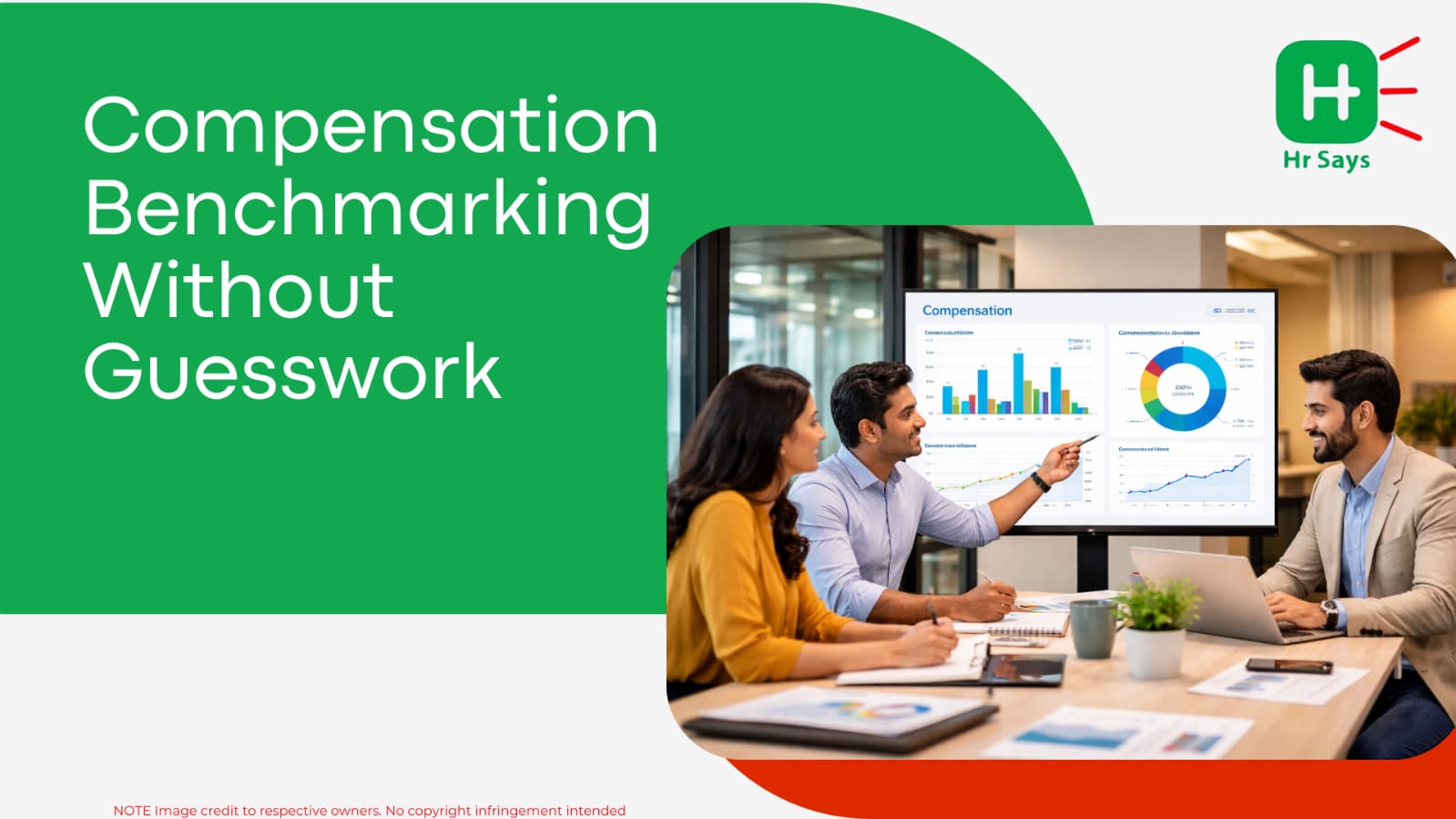
Compensation Benchmarking Without Guesswork

...
Mar 06

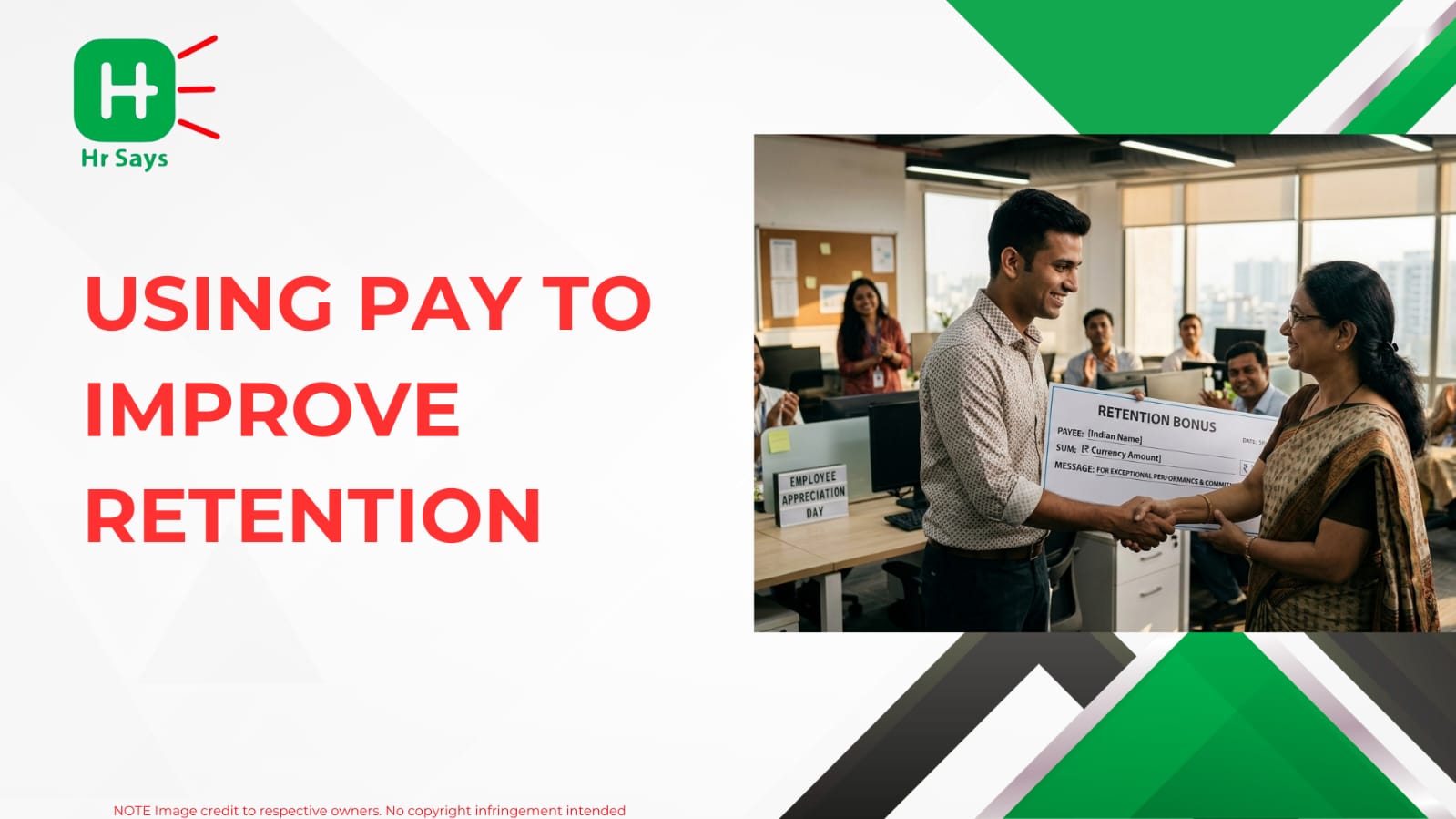
Using Pay to Improve Retention

Employee retention is strongly influenced by compensation strategies. Fair pay structures, performance incentives, and long-term financial benefits can strengthen loyalty and reduce turnover. When ...
Mar 06

Why Flexible Benefits Matter More Than Ever

Flexible benefits are reshaping employee experience by supporting autonomy, well being, and retention. As workforce expectations evolve, personalised benefit structures are being prioritised to attract ...
Mar 02

Designing A Winning Total Rewards Strategy

A total rewards strategy combines compensation, benefits, recognition, and growth to support retention and engagement. When aligned with business goals and modern workforce expectations, it ...
Mar 02

Measuring The Impact Of Wellbeing Programs

Workplace wellbeing programs require structured measurement to demonstrate value. By combining quantitative metrics, qualitative feedback, and business performance indicators, organizations can evaluate real impact and ...
Feb 28

Workplace Stress: The Silent Productivity Killer

...
Feb 26

Measuring The Real ROI Of L&D Programs

Measuring L&D ROI requires alignment with business goals, performance tracking, and behavioral impact assessment. True value is reflected not in training completion, but in ...
Feb 20

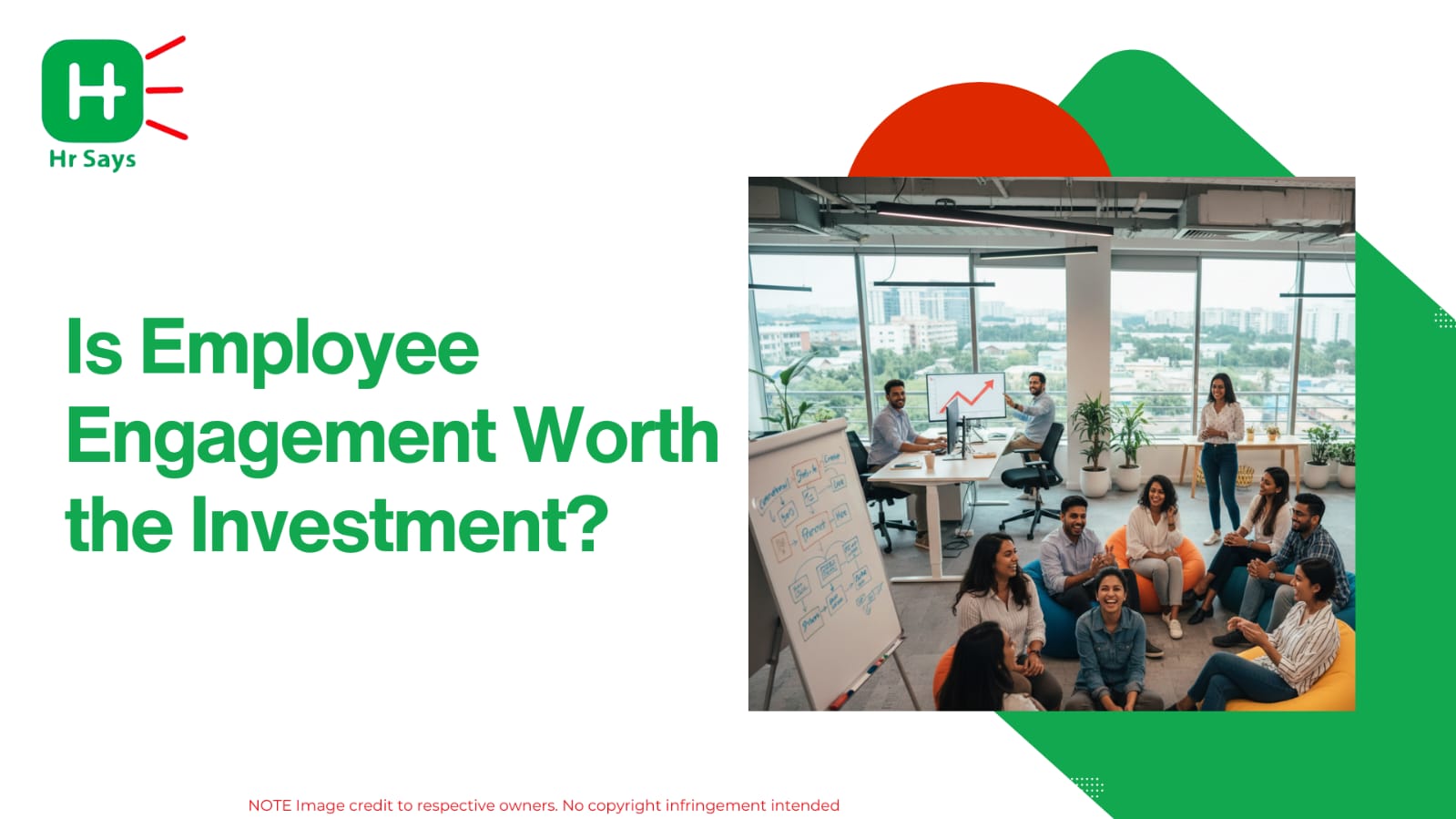
Is Employee Engagement Worth the Investment?

Employee engagement is explored as a long-term investment rather than a short-term expense. Its impact on productivity, retention, and workplace stability is examined, ...
Feb 12

HR Strategies That Improve Long-Term Retention

Long-term employee retention is shaped by culture, leadership, growth opportunities, flexibility, and fairness. This blog explores practical HR strategies that quietly strengthen loyalty and ...
Jan 19

25 Matching result(s) found!

-Advertisements-

Trending Now

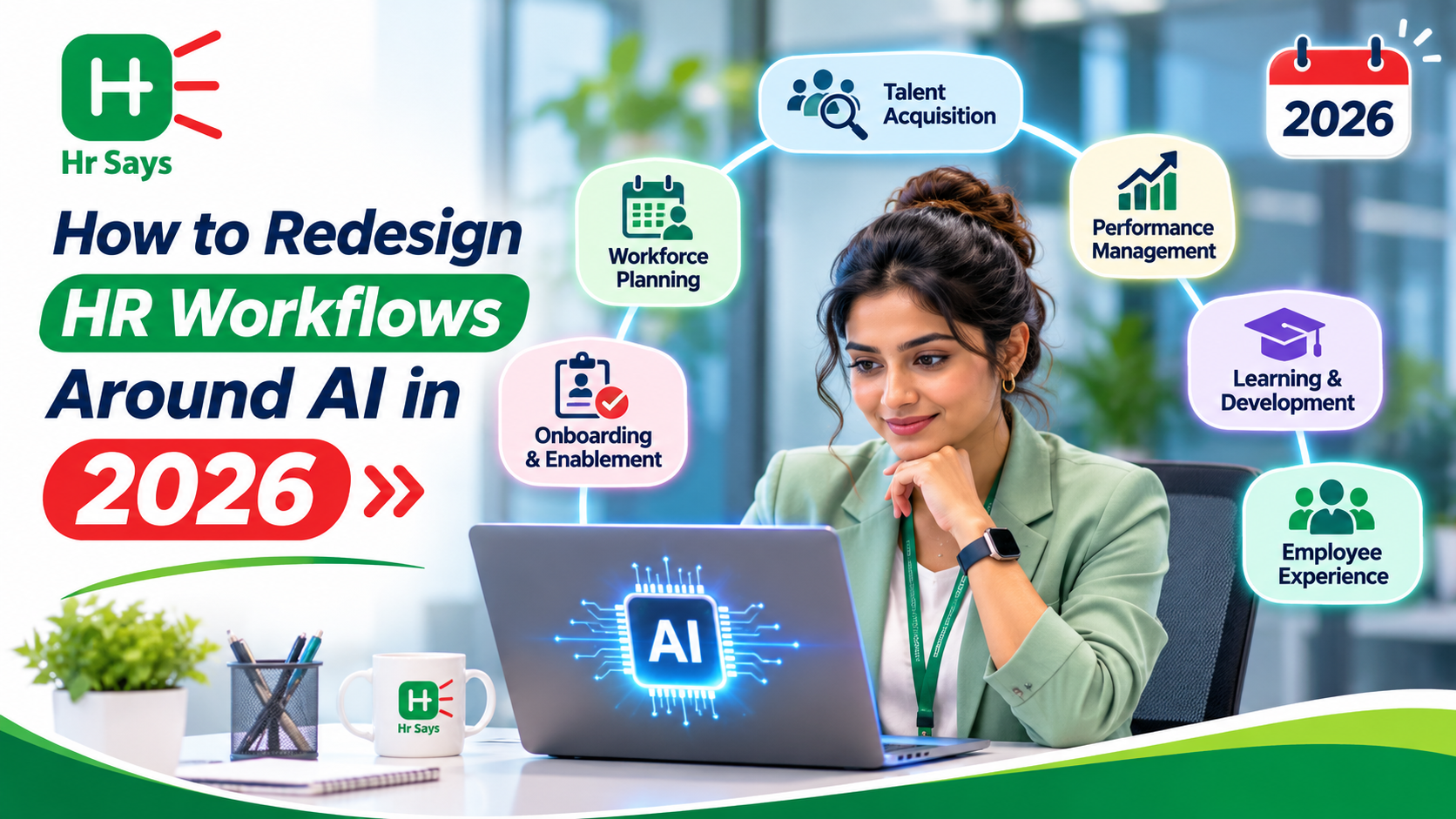
How to Redesign HR Workflows Around AI in 2026November 23, 2026
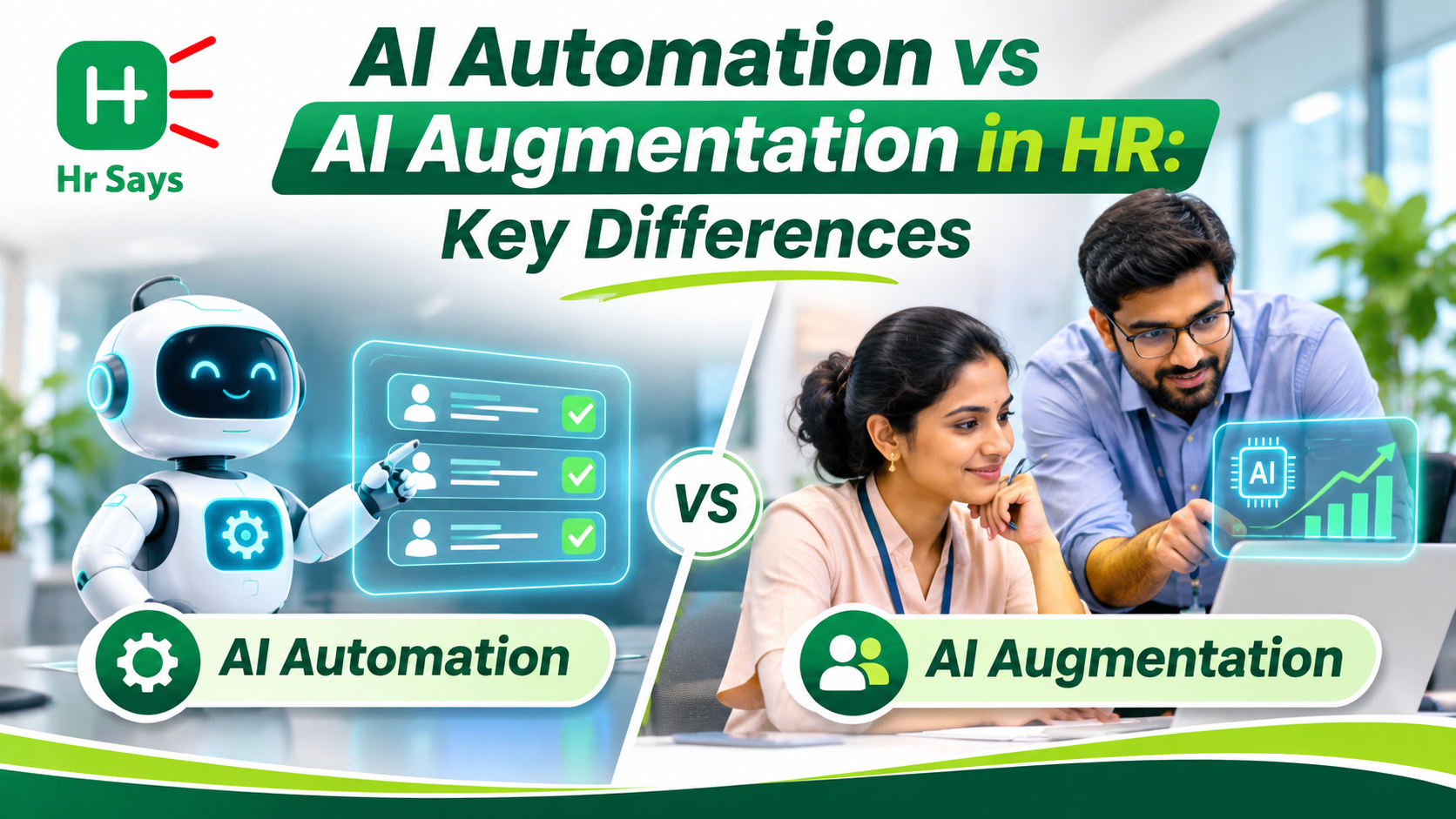
AI Automation vs AI Augmentation in HR: Key DifferencesNovember 21, 2026
How to Redesign Reporting Structures Without ConfusionNovember 20, 2026
How AI Is Changing the Role of HR Business PartnersNovember 18, 2026
How to Redesign Reporting Structures Without ConfusionNovember 18, 2026
Organisational Design vs Organisational Development ExplainedNovember 18, 2026
Managing Employee Data Privacy: HR Compliance with the DPDP ActNovember 17, 2026
Implementing Peer-to-Peer Micro-Recognition: Measuring Morale & CultureNovember 17, 2026
Handling Promotion Grievances: Dispute Resolution & Objective ScoringNovember 17, 2026
Designing Structured Exit Interviews: Turning Attrition Data into Retention StrategyNovember 17, 2026
AI Usage Policy for Employees: A Complete HR GuideNovember 17, 2026
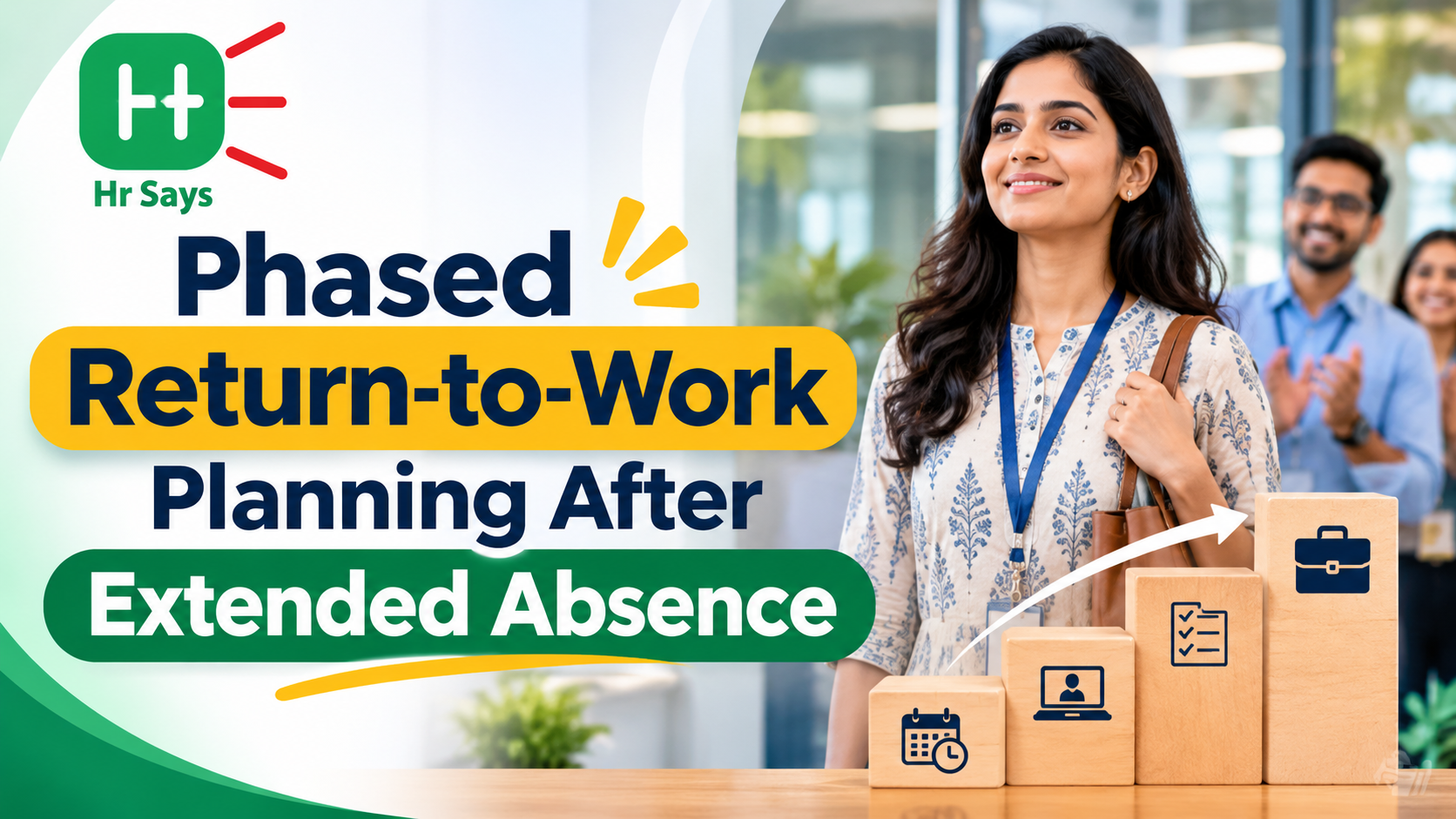
Phased Return-to-Work Planning After Extended AbsenceNovember 16, 2026
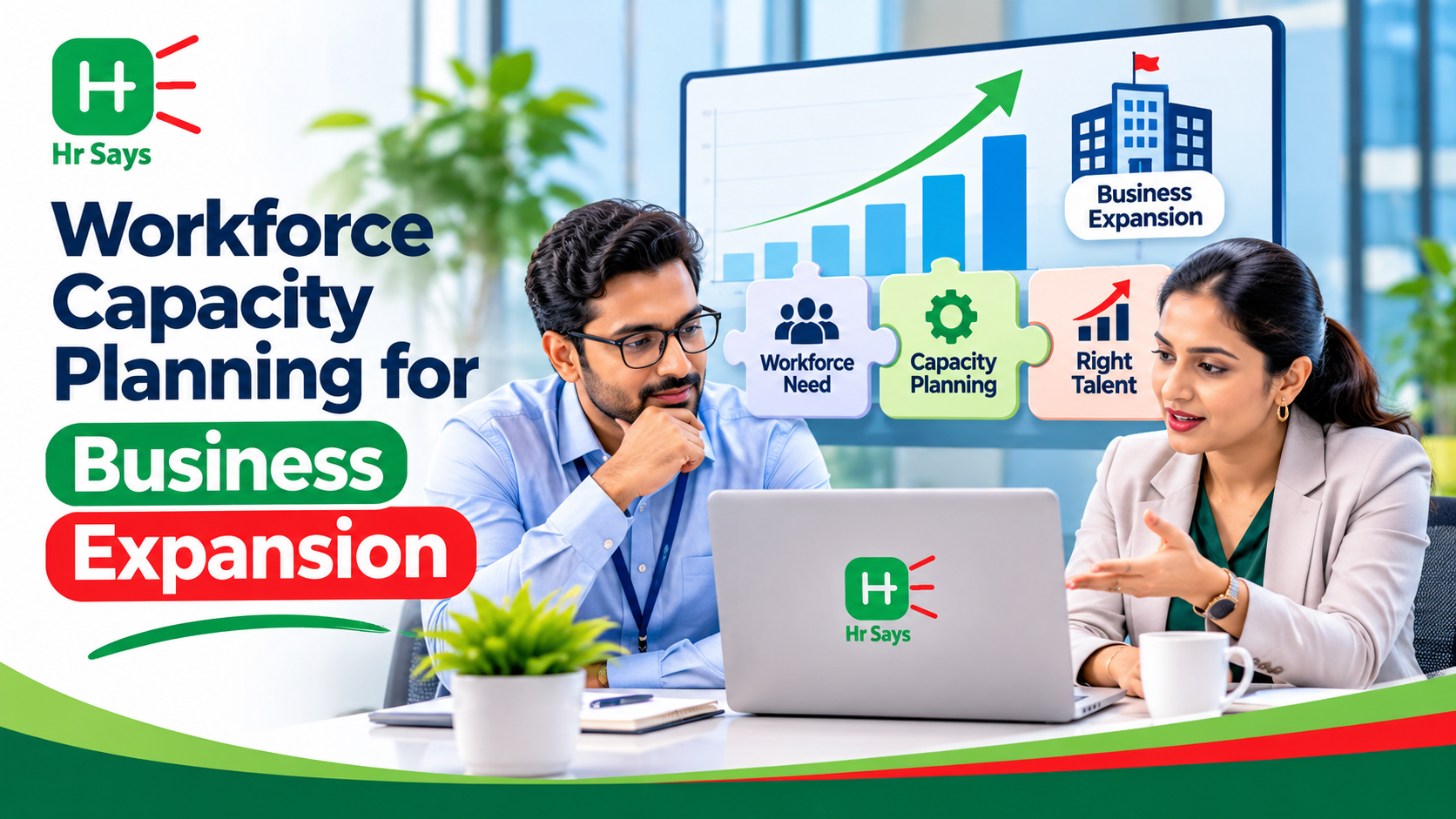
Workforce Capacity Planning for Business ExpansionNovember 16, 2026
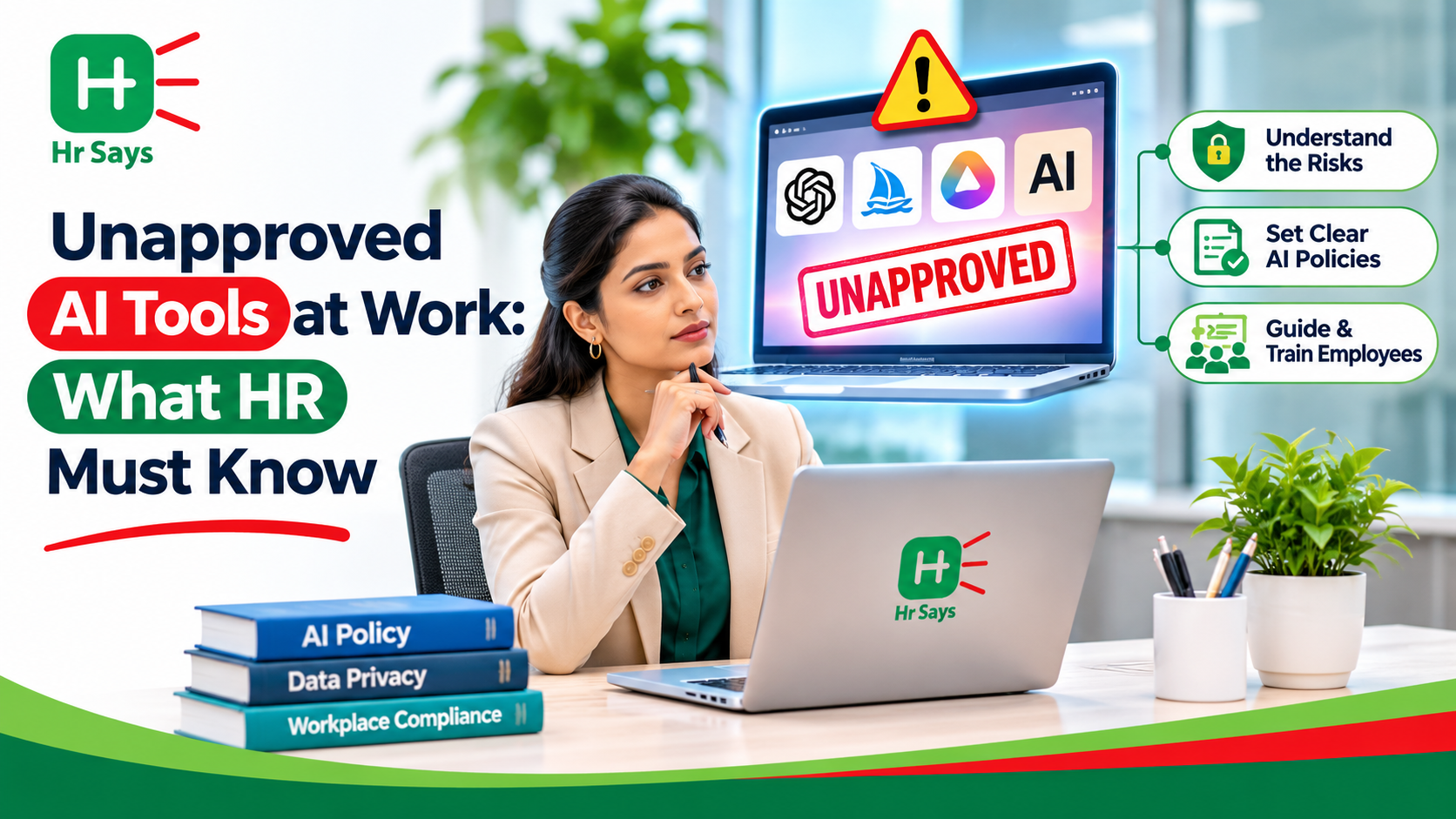
Unapproved AI Tools at Work: What HR Must KnowNovember 14, 2026
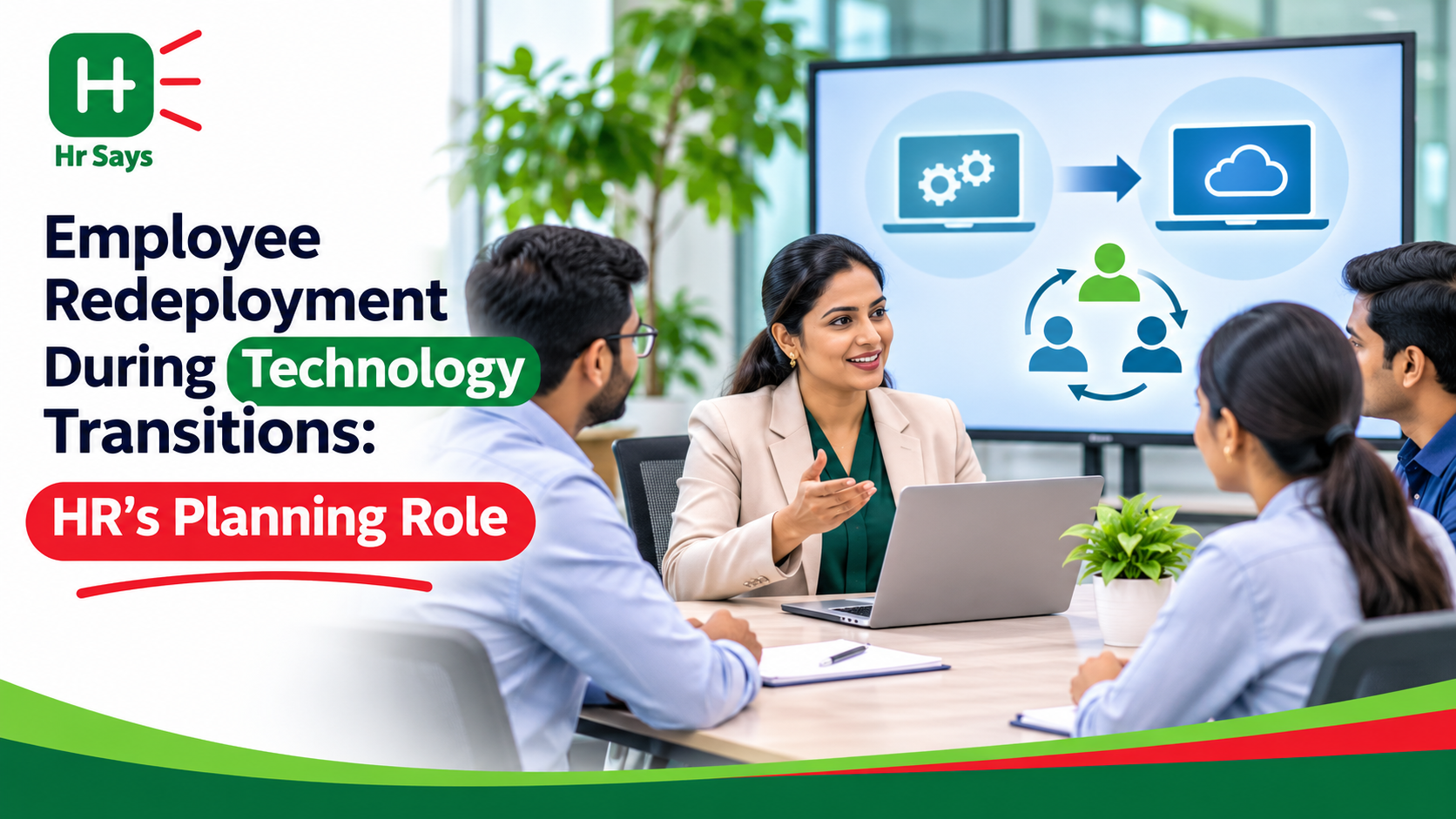
Employee Redeployment During Technology Transitions: HR's Planning RoleNovember 14, 2026
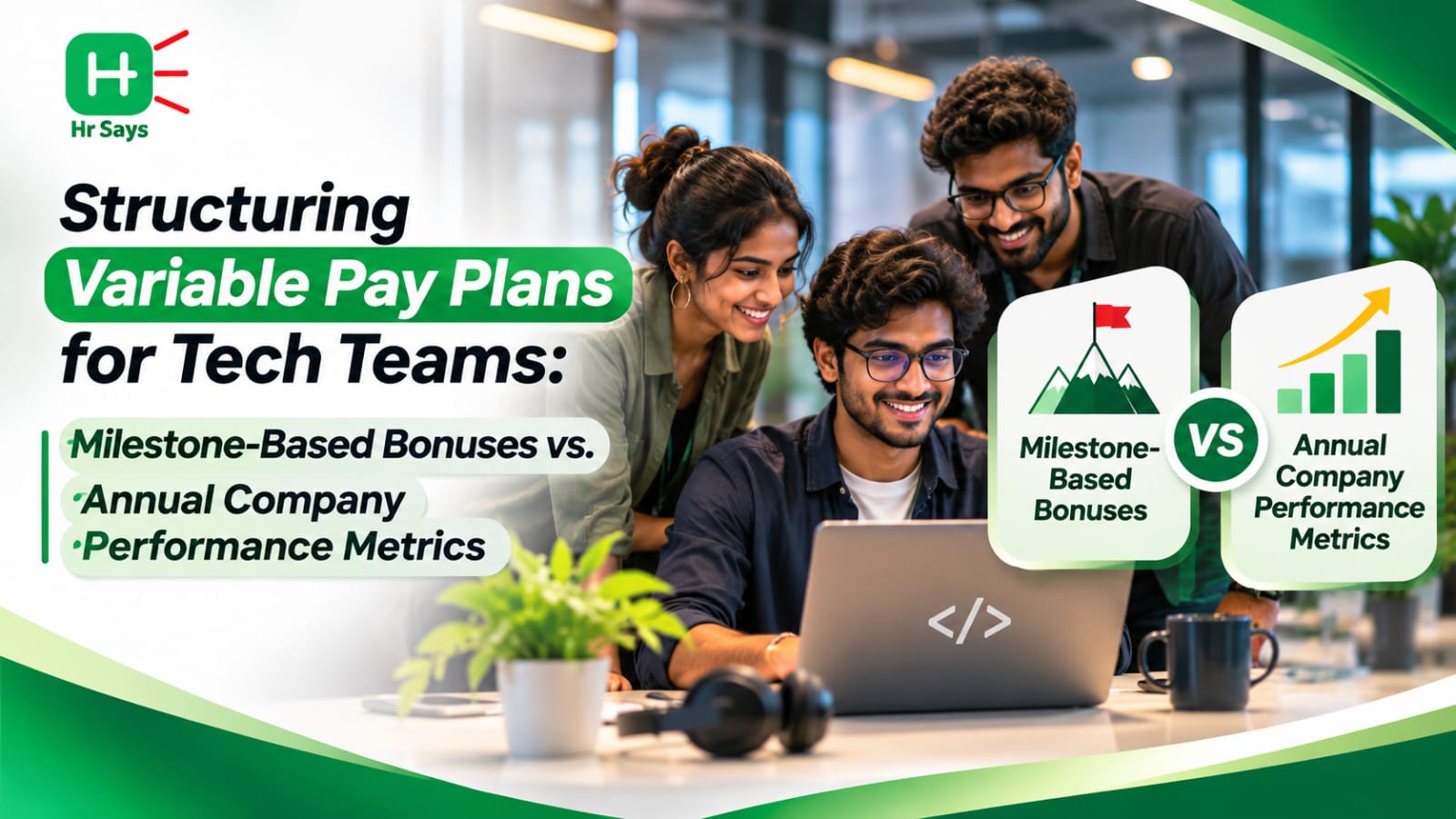
Structuring Variable Pay Plans for Tech Teams: Milestones vs Annual MetricsNovember 14, 2026
Constructive Dismissal Legal Protocols: Employer Defense & Risk GuideNovember 14, 2026
Managing Toxic High Performers: Separation, Risk & CultureNovember 14, 2026
Designing Inclusive DEI Policies: Sensitization, Pronouns & BenefitsNovember 14, 2026
Auditing Employee BGV: Discrepancies, Ghost Experience & Fake CredentialsNovember 14, 2026