 Saturday, October 10, 2026
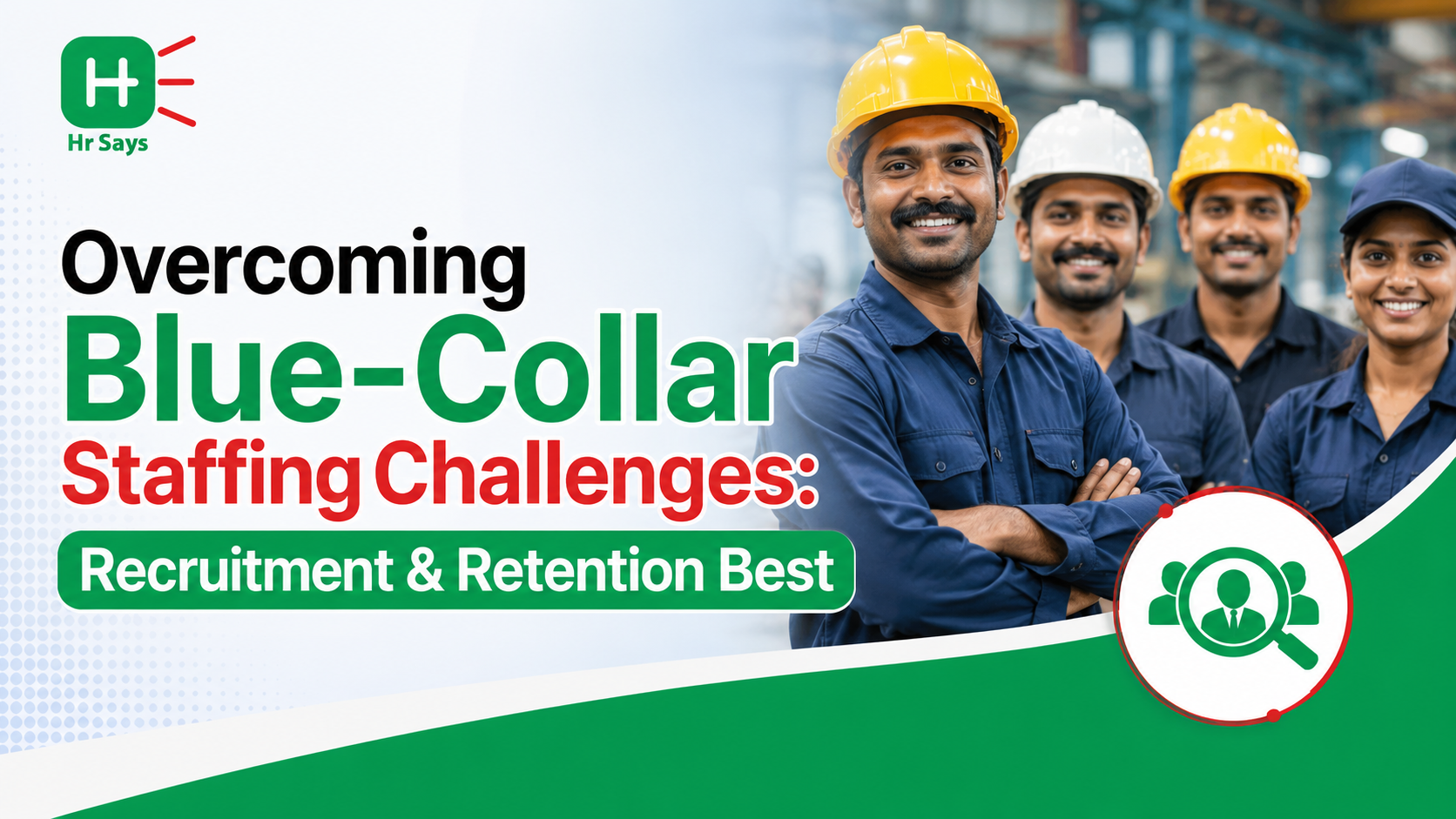
 The industrial and logistics sectors are experiencing a period of intense capital deployment. Driven by regional infrastructure expansion, deep logistics penetration, and the rapid construction of decentralized manufacturing blocks, the demand for essential blue-collar and frontline workers has scaled exponentially.




The industrial and logistics sectors are experiencing a period of intense capital deployment. Driven by regional infrastructure expansion, deep logistics penetration, and the rapid construction of decentralized manufacturing blocks, the demand for essential blue-collar and frontline workers has scaled exponentially.
However, operations directors and human resource specialists face a systemic bottleneck. While corporate talent acquisition models are highly optimized for white-collar personnel using multi-stage resume screenings, deploying these exact same frameworks to a high-turnover blue-collar workforce routinely results in severe operational gridlock.
[ THE FRONT-LINE RECRUITMENT ATTRITION GAP ]
│
┌──────────────────────────┴──────────────────────────┐
▼ ▼
[ METROPOLITAN DESK BIAS ] [ AGILE FIELD OPERATIONS ]
• Lengthy multi-day application forms • High-velocity local workforce moves
• Complex text-heavy online portals • Text-free voice/video application nodes
• Delayed background check protocols • Immediate micro-wage stability checks
• Outcome: 70% applicant drop out within 48 hours • Outcome: High-throughput talent capture
The blue-collar labor pool operates under a fundamentally unique set of economic and structural rules. For a delivery rider, warehouse operator, or floor technician, the primary career decision drivers are immediate wage predictability, zero commute friction, local safety guarantees, and the speed of the onboarding loop.
Plugging your talent drain requires shifting past outdated administrative steps. True workforce stability is achieved by engineering high-velocity, localized recruitment models and combining them with robust workplace safety frameworks that transform frontline operations into highly productive, loyal talent engines.
1. The High-Velocity Recruitment Architecture
To capture frontline talent before regional competitors, human resource teams must replace text-heavy corporate application forms with a streamlined Mobile-First Conversational intake pipeline.
[ THE FRONT-LINE TALENT ONBOARDING LOOP ]
│
[ STEP 4: INSTANT DEPLOY ] ──► Natively linked digital health scans and on-site zone assignment.
[ STEP 3: SCREEN-ON-MEET ] ──► Rapid practical skill verification labs and local safety briefings.
[ STEP 2: WHATSAPP ASSIST ] ──► Automated AI conversational voice check-in and document uploads.
[ STEP 1: GEO-TARGET AD ] ──► Hyper-localized micro-targeted social media banners in native languages.
By removing traditional typing requirements and using everyday messaging platforms, enterprises can reduce their frontline application drop-out rates significantly.
2. Three Primary Frontline Staffing Bottlenecks and Operational Fixes
A detailed diagnostic audit of regional industrial expansions highlights three primary pain points where talent acquisition and retention frameworks routinely break down:
Bottleneck A: The Friction of Broken Communication and Lengthy Processing- The Vulnerability: Blue-collar job seekers rarely maintain digital resumes or check static job boards. Forcing candidates to navigate multi-page applicant tracking portals or wait a full week for background check verifications results in an immediate loss of talent to parallel local opportunities.
- The Operational Fix: Move your front-end intake pipeline entirely to automated WhatsApp business accounts or interactive voice response (IVR) platforms. Allow candidates to submit identity proofs and verify operational locations using simple camera captures and voice prompts, compressing your time-to-hire window from days down to hours.
- The Vulnerability: High voluntary turnover frequently spikes within the first 30 days of employment. Frontline laborers often operate with highly fragile household cash reserves. If compensation schedules feature confusing deductions, opaque incentive targets, or delayed payment frequencies, workers will quickly migrate to adjacent platforms offering immediate stability.
- The Operational Fix: Establish a highly predictable, multi-tier compensation grid. Provide workers with clear visual documentation of their daily production bonus milestones right at the start of their shift. Wherever possible, integrate structured micro-payment access frameworks that enable employees to pull a portion of their earned daily wages early during emergency situations.
- The Vulnerability: Operating across high-volume sorting centers or heavy manufacturing units carries real physical risks. If a regional plant treats personal protective equipment (PPE) as an afterthought or lacks clean hydration and cooling spaces during high-heat seasons, workers experience immediate burnout, driving high absenteeism.
- The Operational Fix: Implement strict, unalterable floor safety protocols. Conduct mandatory 15-minute tool-kit safety huddles at the beginning of every shift rotation. Invest in setting up comfortable, localized "Rest and Refresh" break hubs equipped with air cooling units and clean water distribution zones to protect your human assets from physical fatigue.
Comparative Blueprint: Traditional HR Habits vs. High-Velocity Frontline Systems
The matrix below contrasts the limits of treating blue-collar workforces with white-collar biases against the performance advantages of localized operational design.
|
Frontline Management Axis |
Traditional Corporate Playbook Bias |
High-Velocity Frontline System Design |
Long-Term Operational Edge |
|---|---|---|---|
|
Application Interface |
Lengthy text-based application fields. |
Conversational voice-led WhatsApp nodes. |
Lowers barrier to entry; stops applicant drop-out loops. |
|
Onboarding Velocity |
Structural delay across long background reviews. |
Same-day digital identity check integrations. |
Captures high-availability personnel within hours. |
|
Wage Architecture |
Monthly payout cycles with hidden target caps. |
Predictable milestones with early wage access. |
Sustains early-stage retention across vulnerable homes. |
|
Safety Integration |
Passive signature collection on liability slips. |
Mandated tool-kit safety huddles & high-grade PPE. |
Lowers on-site accident indices and cuts absenteeism. |
|
Sourcing Grid |
Relying heavily on centralized third-party middle-men. |
Deep direct talent loops with local polytechnics. |
Seals the talent pipeline early, driving down hiring costs. |
3. High-Performance Action Plan for Operations Directors
To build a highly resilient, stable frontline workforce across regional logistics and industrial spaces, operations managers must execute a multi-phase implementation roadmap:
- Deploy the Conversational Mobile Sourcing Interface
Phase 1
Dismantle administrative application barriers. Configure your front-end talent pipeline to accept geo-location tags, voice-note references, and mobile photo uploads, enabling candidates to complete initial profiling entirely from their smartphones. - Structure Clear 30-Day Compensation and Support Shields
Phase 2
Combat early-stage attrition with absolute structural clarity. Provide all new hires with a simple visual breakdown of their wage parameters, remove confusing penalty codes during their initial 4-week ramp-up phase, and assign them an experienced floor buddy to guide their transition. - Incorporate Live Digital Retention and Hotspot Scorecards
Phase 3
Build a real-time view of workforce stability. Program your warehouse command center dashboard to track rolling attendance drops, monitor average shift durations, and identify physical hotspot locations experiencing unexpected attrition to allow for early supervisor support.
Actionable Strategy: Your Regional Governance Roadmap
- Link Frontline Health Metrics with the Universal ABHA Network Natively: Ensure your on-site medical check counters and industrial safety rooms leverage unified health platforms. Linking your worker validation charts natively using their digital health ID via the Ayushman Bharat Digital Mission (ABDM) interface preserves their historical tracking logs and ensures immediate medical coordination during unexpected industrial emergencies.
- Incorporate Structured Industrial Skill-Development (CPD) Bridges: Protect your workforce from feeling locked into monotonous labor routines. Partner with technical training institutes adjacent to your facility to offer funded, stackable professional certifications in advanced machine operation, equipment maintenance, or digital logistics handling, scaling up your internal promotion capabilities.
- Conduct Semi-Annual Localized Compensation Calibration Audits: Keep a continuous, objective finger on the pulse of regional talent markets. Retain an independent review team to evaluate competing local infrastructure nodes, logistics corridors, and agricultural processing hubs twice a year, ensuring your baseline compensation structures remain highly competitive.
Frequently Asked Questions (FAQs)
Q1. Why do conventional digital job boards fail when recruiting blue-collar workers?Traditional recruiting portals are optimized for desk professionals who maintain formal written resumes and check email systems regularly. The blue-collar labor pool moves within highly local networks, relying heavily on immediate messaging platforms, peer referrals, and conversational mobile interfaces.
Q2. How does an "earned wage access" program improve early frontline retention?Frontline workers often support extended multi-generational families on limited fluid cash reserves. Providing employees with a secure digital mechanism to access a small portion of their already earned salary before the official monthly payday prevents reliance on predatory local loan options, building deep institutional trust.
Q3. What is a tool-kit safety huddle, and why is it critical for industrial plants?A tool-kit huddle is a high-impact, 15-minute interactive safety brief conducted right on the operational floor at the start of every shift change. Led by local supervisors, it reviews active machinery conditions, reinforces strict PPE compliance, and aligns teams on potential hazards before work begins.
Q4. Can a large enterprise comfortably scale direct hiring without relying on middle-tier contractors?Yes, exceptionally well. By building automated, localized conversational WhatsApp recruitment interfaces and forming direct training partnerships with technical polytechnics situated right inside your target labor hubs, companies can build independent pipelines that reduce contractor premium costs.
Q5. What parameters should be continuously tracked on a 360-degree frontline retention scorecard?A holistic frontline scorecard tracks indicators beyond basic payroll rosters. It cross-references daily unplanned absenteeism frequencies, early-stage (under 30 days) attrition velocities, average safety incident markers across individual floors, shift rotation completion rates, and exit interview reasons.
Q6. How do localized rest and refresh hubs impact shift productivity scores?Operating inside uninsulated warehouse setups or next to heavy manufacturing components during peak summer seasons exposes laborers to extreme physiological strain. Providing air-cooled spaces stocked with clean water reduces the risk of dehydration, prevents mid-shift fatigue drops, and keeps production lines running smoothly.
Q7. Why should operations managers avoid complex penalty metrics during a worker's initial month?Introducing strict, automated financial deductions for minor performance variations during a new hire's initial training phase creates high workplace anxiety. Giving workers a supportive 30-day learning curve allows them to build operational confidence, dropping your early-stage attrition numbers.
Q8. How long does it typically take to stabilize retention rates using these strategies?When an operational unit updates its strategy to deploy automated mobile application portals, implement clear wage milestones, and mandate daily floor safety briefs, the shift in workforce stability is rapid. You can observe a distinct stabilization in daily attendance patterns and improved retention within 4 to 6 weeks of active execution.
Q9. What actions should a plant manager take if a specific shift flags for extreme attrition?The response must be prompt and data-driven: immediately initiate a confidential review of supervisor communication behaviors within that specific block, audit the local machinery for underlying noise or safety issues, evaluate recent shift rotation frequencies against baseline standards, and rebalance the team's load.
Q10. How does matching native language preferences optimize conversational recruitment portals?Frontline labor pools possess diverse linguistic backgrounds and may reject complex English interfaces. Launching hyper-localized conversational ads and automated IVR loops designed in regional languages allows candidates to understand the role, input accurate profiles, and navigate onboarding materials confidently.