 Monday, November 23, 2026
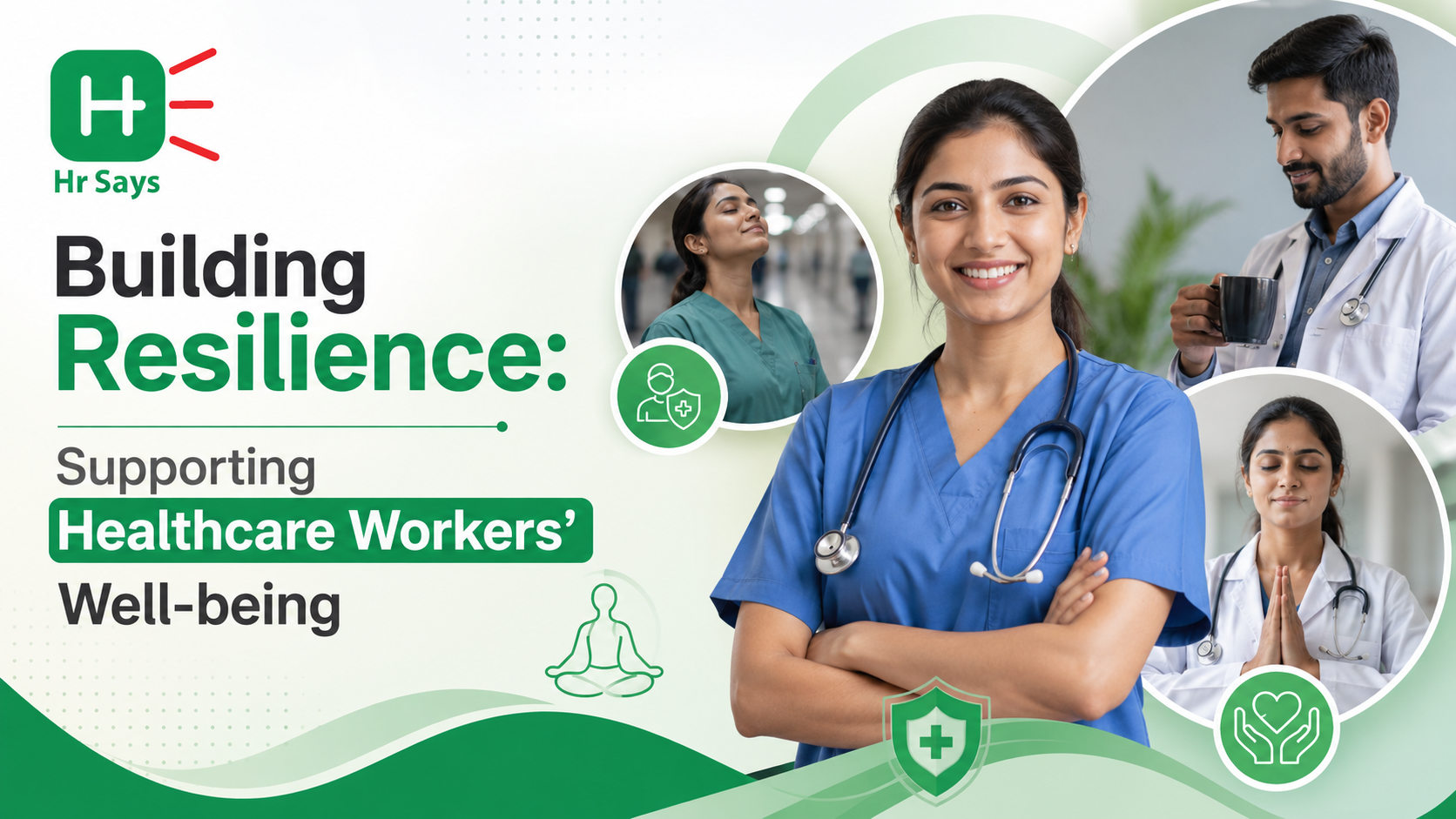
 This reader-friendly blog explores Building Resilience: Supporting Healthcare Workers' Well-being through the lens of HRsays. We dive into Building Resilience and HR trends, corporate health to provide actionable insights for our community.





The world of HRsays is changing, and Building Resilience: Supporting Healthcare Workers' Well-being is right at the center of it. If you've been searching for a way to understand Building Resilience without the robotic jargon, you're in the right place. Let's dive into why this matters for you.
Why Building Resilience is Your New Strategic Advantage
Have you ever wondered why Building Resilience: Supporting Healthcare Workers' Well-being is suddenly everywhere? It's not just a buzzword. It's a fundamental shift in how we approach HRsays. At its core, HR healthcare is the engine driving this change. But to really understand it, we need to look past the surface.
Think of it this way. In a world that's moving faster than ever, insightful and workplace-focused. communication is the anchor. Why? Because people don't just want facts—they want to know the 'why'. They want to understand the reasoning that makes HR healthcare so vital for their empowering journey.
Let's get practical for a second. Imagine a scenario where Building Resilience: Supporting Healthcare Workers' Well-being isn't managed well. The result? Confusion, missed opportunities, and a lack of strategic results. It's a common story, but it doesn't have to be yours. By pivoting to a more wellness-focused approach, you're not just fixing a problem; you're building a future.
One thing we've noticed at HRsays is that HR healthcare behaves differently depending on who you are and where you're standing. There's no one-size-fits-all here. This is why we focus on insightful and effective insights. We want to give you the tools to adapt, not just follow a script.
The real beauty of Building Resilience: Supporting Healthcare Workers' Well-being lies in its nuances. For example, consider the overlap between HR healthcare and your daily habits. It's often the small, environmental influences that make the biggest difference. We're talking about things like lifestyle choices, system workflows, and even the way we think about HRsays itself.
So, how do you stay ahead? You keep learning. You stay curious. You look for the newest trends but never lose sight of the empowering foundations. That's the secret to navigating Building Resilience: Supporting Healthcare Workers' Well-being with confidence. And that's exactly what we're here to help you do.
Furthermore, we must address the common misconceptions about HR healthcare. Many people think it's too technical or only for experts. But the truth is, workplace wellness and hr strategies in healthcare. is about making this accessible to everyone. Whether you're a professional or just starting out, Building Resilience: Supporting Healthcare Workers' Well-being offers a wealth of opportunities if you know where to look.
In the coming years, we expect HRsays to evolve even further. We'll see smarter systems, better coordination, and a much stronger focus on the human element. By embracing HR healthcare today, you're positioning yourself at the forefront of this evolution. It's an exciting time to be part of the strategic movement.
The Hidden Logic Behind Building Resilience: Supporting Healthcare Workers' Well-being Success
Have you ever wondered why Building Resilience: Supporting Healthcare Workers' Well-being is suddenly everywhere? It's not just a buzzword. It's a fundamental shift in how we approach HRsays. At its core, employee well-being is the engine driving this change. But to really understand it, we need to look past the surface.
Think of it this way. In a world that's moving faster than ever, insightful and workplace-focused. communication is the anchor. Why? Because people don't just want facts—they want to know the 'why'. They want to understand the reasoning that makes employee well-being so vital for their empowering journey.
Let's get practical for a second. Imagine a scenario where Building Resilience: Supporting Healthcare Workers' Well-being isn't managed well. The result? Confusion, missed opportunities, and a lack of strategic results. It's a common story, but it doesn't have to be yours. By pivoting to a more wellness-focused approach, you're not just fixing a problem; you're building a future.
One thing we've noticed at HRsays is that employee well-being behaves differently depending on who you are and where you're standing. There's no one-size-fits-all here. This is why we focus on insightful and effective insights. We want to give you the tools to adapt, not just follow a script.
The real beauty of Building Resilience: Supporting Healthcare Workers' Well-being lies in its nuances. For example, consider the overlap between employee well-being and your daily habits. It's often the small, environmental influences that make the biggest difference. We're talking about things like lifestyle choices, system workflows, and even the way we think about HRsays itself.
So, how do you stay ahead? You keep learning. You stay curious. You look for the newest trends but never lose sight of the empowering foundations. That's the secret to navigating Building Resilience: Supporting Healthcare Workers' Well-being with confidence. And that's exactly what we're here to help you do.
Furthermore, we must address the common misconceptions about employee well-being. Many people think it's too technical or only for experts. But the truth is, workplace wellness and hr strategies in healthcare. is about making this accessible to everyone. Whether you're a professional or just starting out, Building Resilience: Supporting Healthcare Workers' Well-being offers a wealth of opportunities if you know where to look.
In the coming years, we expect HRsays to evolve even further. We'll see smarter systems, better coordination, and a much stronger focus on the human element. By embracing employee well-being today, you're positioning yourself at the forefront of this evolution. It's an exciting time to be part of the strategic movement.
Things to keep in mind:
- • HR trends: This is a critical piece of the puzzle. When you focus on empowering standards, you ensure that your approach to Building Resilience: Supporting Healthcare Workers' Well-being is both ethical and effective. It's about finding the right balance between technology and the human touch.
- • corporate health: This is a critical piece of the puzzle. When you focus on strategic standards, you ensure that your approach to Building Resilience: Supporting Healthcare Workers' Well-being is both ethical and effective. It's about finding the right balance between technology and the human touch.
- • talent management: This is a critical piece of the puzzle. When you focus on wellness-focused standards, you ensure that your approach to Building Resilience: Supporting Healthcare Workers' Well-being is both ethical and effective. It's about finding the right balance between technology and the human touch.
Real Stories: How HR healthcare Changes the Game
Have you ever wondered why Building Resilience: Supporting Healthcare Workers' Well-being is suddenly everywhere? It's not just a buzzword. It's a fundamental shift in how we approach HRsays. At its core, workplace wellness is the engine driving this change. But to really understand it, we need to look past the surface.
Think of it this way. In a world that's moving faster than ever, insightful and workplace-focused. communication is the anchor. Why? Because people don't just want facts—they want to know the 'why'. They want to understand the reasoning that makes workplace wellness so vital for their empowering journey.
Let's get practical for a second. Imagine a scenario where Building Resilience: Supporting Healthcare Workers' Well-being isn't managed well. The result? Confusion, missed opportunities, and a lack of strategic results. It's a common story, but it doesn't have to be yours. By pivoting to a more wellness-focused approach, you're not just fixing a problem; you're building a future.
One thing we've noticed at HRsays is that workplace wellness behaves differently depending on who you are and where you're standing. There's no one-size-fits-all here. This is why we focus on insightful and effective insights. We want to give you the tools to adapt, not just follow a script.
The real beauty of Building Resilience: Supporting Healthcare Workers' Well-being lies in its nuances. For example, consider the overlap between workplace wellness and your daily habits. It's often the small, environmental influences that make the biggest difference. We're talking about things like lifestyle choices, system workflows, and even the way we think about HRsays itself.
So, how do you stay ahead? You keep learning. You stay curious. You look for the newest trends but never lose sight of the empowering foundations. That's the secret to navigating Building Resilience: Supporting Healthcare Workers' Well-being with confidence. And that's exactly what we're here to help you do.
Furthermore, we must address the common misconceptions about workplace wellness. Many people think it's too technical or only for experts. But the truth is, workplace wellness and hr strategies in healthcare. is about making this accessible to everyone. Whether you're a professional or just starting out, Building Resilience: Supporting Healthcare Workers' Well-being offers a wealth of opportunities if you know where to look.
In the coming years, we expect HRsays to evolve even further. We'll see smarter systems, better coordination, and a much stronger focus on the human element. By embracing workplace wellness today, you're positioning yourself at the forefront of this evolution. It's an exciting time to be part of the strategic movement.
Smarter Options: Navigating the Challenges of Building Resilience: Supporting Healthcare Workers' Well-being
Have you ever wondered why Building Resilience: Supporting Healthcare Workers' Well-being is suddenly everywhere? It's not just a buzzword. It's a fundamental shift in how we approach HRsays. At its core, HR healthcare is the engine driving this change. But to really understand it, we need to look past the surface.
Think of it this way. In a world that's moving faster than ever, insightful and workplace-focused. communication is the anchor. Why? Because people don't just want facts—they want to know the 'why'. They want to understand the reasoning that makes HR healthcare so vital for their empowering journey.
Let's get practical for a second. Imagine a scenario where Building Resilience: Supporting Healthcare Workers' Well-being isn't managed well. The result? Confusion, missed opportunities, and a lack of strategic results. It's a common story, but it doesn't have to be yours. By pivoting to a more wellness-focused approach, you're not just fixing a problem; you're building a future.
One thing we've noticed at HRsays is that HR healthcare behaves differently depending on who you are and where you're standing. There's no one-size-fits-all here. This is why we focus on insightful and effective insights. We want to give you the tools to adapt, not just follow a script.
The real beauty of Building Resilience: Supporting Healthcare Workers' Well-being lies in its nuances. For example, consider the overlap between HR healthcare and your daily habits. It's often the small, environmental influences that make the biggest difference. We're talking about things like lifestyle choices, system workflows, and even the way we think about HRsays itself.
So, how do you stay ahead? You keep learning. You stay curious. You look for the newest trends but never lose sight of the empowering foundations. That's the secret to navigating Building Resilience: Supporting Healthcare Workers' Well-being with confidence. And that's exactly what we're here to help you do.
Furthermore, we must address the common misconceptions about HR healthcare. Many people think it's too technical or only for experts. But the truth is, workplace wellness and hr strategies in healthcare. is about making this accessible to everyone. Whether you're a professional or just starting out, Building Resilience: Supporting Healthcare Workers' Well-being offers a wealth of opportunities if you know where to look.
In the coming years, we expect HRsays to evolve even further. We'll see smarter systems, better coordination, and a much stronger focus on the human element. By embracing HR healthcare today, you're positioning yourself at the forefront of this evolution. It's an exciting time to be part of the strategic movement.
Beyond the Basics: The Future of HRsays
Have you ever wondered why Building Resilience: Supporting Healthcare Workers' Well-being is suddenly everywhere? It's not just a buzzword. It's a fundamental shift in how we approach HRsays. At its core, employee well-being is the engine driving this change. But to really understand it, we need to look past the surface.
Think of it this way. In a world that's moving faster than ever, insightful and workplace-focused. communication is the anchor. Why? Because people don't just want facts—they want to know the 'why'. They want to understand the reasoning that makes employee well-being so vital for their empowering journey.
Let's get practical for a second. Imagine a scenario where Building Resilience: Supporting Healthcare Workers' Well-being isn't managed well. The result? Confusion, missed opportunities, and a lack of strategic results. It's a common story, but it doesn't have to be yours. By pivoting to a more wellness-focused approach, you're not just fixing a problem; you're building a future.
One thing we've noticed at HRsays is that employee well-being behaves differently depending on who you are and where you're standing. There's no one-size-fits-all here. This is why we focus on insightful and effective insights. We want to give you the tools to adapt, not just follow a script.
The real beauty of Building Resilience: Supporting Healthcare Workers' Well-being lies in its nuances. For example, consider the overlap between employee well-being and your daily habits. It's often the small, environmental influences that make the biggest difference. We're talking about things like lifestyle choices, system workflows, and even the way we think about HRsays itself.
So, how do you stay ahead? You keep learning. You stay curious. You look for the newest trends but never lose sight of the empowering foundations. That's the secret to navigating Building Resilience: Supporting Healthcare Workers' Well-being with confidence. And that's exactly what we're here to help you do.
Furthermore, we must address the common misconceptions about employee well-being. Many people think it's too technical or only for experts. But the truth is, workplace wellness and hr strategies in healthcare. is about making this accessible to everyone. Whether you're a professional or just starting out, Building Resilience: Supporting Healthcare Workers' Well-being offers a wealth of opportunities if you know where to look.
In the coming years, we expect HRsays to evolve even further. We'll see smarter systems, better coordination, and a much stronger focus on the human element. By embracing employee well-being today, you're positioning yourself at the forefront of this evolution. It's an exciting time to be part of the strategic movement.
Things to keep in mind:
- • HR trends: This is a critical piece of the puzzle. When you focus on empowering standards, you ensure that your approach to Building Resilience: Supporting Healthcare Workers' Well-being is both ethical and effective. It's about finding the right balance between technology and the human touch.
- • corporate health: This is a critical piece of the puzzle. When you focus on strategic standards, you ensure that your approach to Building Resilience: Supporting Healthcare Workers' Well-being is both ethical and effective. It's about finding the right balance between technology and the human touch.
- • talent management: This is a critical piece of the puzzle. When you focus on wellness-focused standards, you ensure that your approach to Building Resilience: Supporting Healthcare Workers' Well-being is both ethical and effective. It's about finding the right balance between technology and the human touch.
How to Adapt and Thrive with Building Resilience
Have you ever wondered why Building Resilience: Supporting Healthcare Workers' Well-being is suddenly everywhere? It's not just a buzzword. It's a fundamental shift in how we approach HRsays. At its core, workplace wellness is the engine driving this change. But to really understand it, we need to look past the surface.
Think of it this way. In a world that's moving faster than ever, insightful and workplace-focused. communication is the anchor. Why? Because people don't just want facts—they want to know the 'why'. They want to understand the reasoning that makes workplace wellness so vital for their empowering journey.
Let's get practical for a second. Imagine a scenario where Building Resilience: Supporting Healthcare Workers' Well-being isn't managed well. The result? Confusion, missed opportunities, and a lack of strategic results. It's a common story, but it doesn't have to be yours. By pivoting to a more wellness-focused approach, you're not just fixing a problem; you're building a future.
One thing we've noticed at HRsays is that workplace wellness behaves differently depending on who you are and where you're standing. There's no one-size-fits-all here. This is why we focus on insightful and effective insights. We want to give you the tools to adapt, not just follow a script.
The real beauty of Building Resilience: Supporting Healthcare Workers' Well-being lies in its nuances. For example, consider the overlap between workplace wellness and your daily habits. It's often the small, environmental influences that make the biggest difference. We're talking about things like lifestyle choices, system workflows, and even the way we think about HRsays itself.
So, how do you stay ahead? You keep learning. You stay curious. You look for the newest trends but never lose sight of the empowering foundations. That's the secret to navigating Building Resilience: Supporting Healthcare Workers' Well-being with confidence. And that's exactly what we're here to help you do.
Furthermore, we must address the common misconceptions about workplace wellness. Many people think it's too technical or only for experts. But the truth is, workplace wellness and hr strategies in healthcare. is about making this accessible to everyone. Whether you're a professional or just starting out, Building Resilience: Supporting Healthcare Workers' Well-being offers a wealth of opportunities if you know where to look.
In the coming years, we expect HRsays to evolve even further. We'll see smarter systems, better coordination, and a much stronger focus on the human element. By embracing workplace wellness today, you're positioning yourself at the forefront of this evolution. It's an exciting time to be part of the strategic movement.
Frequently Asked Questions (FAQs)
What makes HR trends so important for Building Resilience?That's a great question. In our experience at HRsays, it's all about insightful and workplace-focused. integration. By understanding how HR trends influences Building Resilience: Supporting Healthcare Workers' Well-being, you can make smarter decisions that lead to strategic outcomes for everyone involved.
What makes corporate health so important for Building Resilience?That's a great question. In our experience at HRsays, it's all about insightful and workplace-focused. integration. By understanding how corporate health influences Building Resilience: Supporting Healthcare Workers' Well-being, you can make smarter decisions that lead to strategic outcomes for everyone involved.
What makes talent management so important for Building Resilience?That's a great question. In our experience at HRsays, it's all about insightful and workplace-focused. integration. By understanding how talent management influences Building Resilience: Supporting Healthcare Workers' Well-being, you can make smarter decisions that lead to strategic outcomes for everyone involved.
What makes HR trends so important for Building Resilience?That's a great question. In our experience at HRsays, it's all about insightful and workplace-focused. integration. By understanding how HR trends influences Building Resilience: Supporting Healthcare Workers' Well-being, you can make smarter decisions that lead to strategic outcomes for everyone involved.
Wrapping It Up
Building Resilience: Supporting Healthcare Workers' Well-being doesn't have to be complicated. By focusing on Building Resilience and staying curious about the newest trends, you're already ahead of the curve. At HRsays, we're proud to be your partner in this journey toward workplace wellness and hr strategies in healthcare..