 Saturday, October 24, 2026
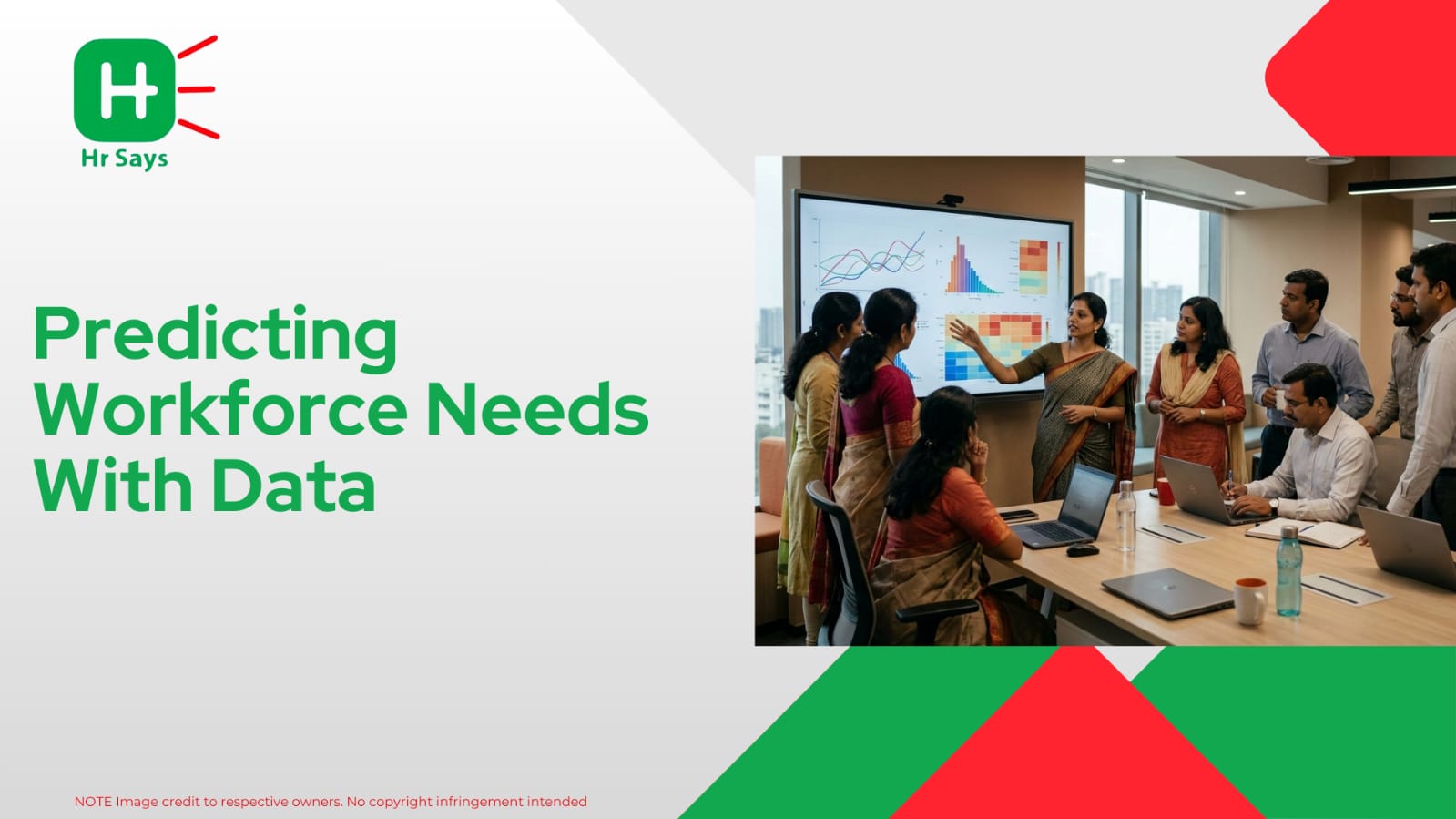
 Workforce prediction uses data analytics to forecast hiring needs, identify skill gaps, and support long term talent planning. By analyzing workforce trends and employee data, organizations can prepare for future demands and build a more stable, adaptable workforce.




Work places do not remain in place. Roles change, markets are changing and skills that were useful yesterday will not be applicable tomorrow. Due to this unpredictability, corporations are more and more resorting to data to shape up what their future labor force could be like and how talents needs could be ready beforehand.
Why Workforce Prediction Is Becoming Essential
Intuition and past experience were the two paramount factors used to make business decisions. In the present day, a new attitude is taken. Data analysis is more and more seen as an aid to workforce planning whereby organizations are able to project the need to hire, skill gaps and structural changes even before they become pressing issues.
The reactive hiring has proved ineffective in various industries where there are sudden technological transitions and shifts in the market demand. In case talent deficiency is discovered with short notice, the project will be slowed down, productivity will fall, and additional expenses will be incurred in trying to recruit new talent. Workforce prediction tries to minimize this uncertainty.
Data collected from internal systems, recruitment trends, and industry benchmarks can be analyzed to forecast workforce patterns. Signals about employee turnover, retirement trends, or expanding departments can be detected early.
Several data sources are commonly used in modern workforce analytics:
● Historical hiring and attrition data
● Performance and productivity metrics
● Skill inventory and competency mapping
● Market demand and labor trends
● Economic and industry growth forecasts
When these datasets are examined together, patterns begin to emerge. For example, an organization might discover that a specific role experiences higher turnover after two years, or that certain departments expand faster than expected during periods of market growth.
Once these patterns are identified, strategic workforce planning becomes more accurate. Hiring pipelines can be created early. Training programs can be aligned with expected skill demands. Workforce stability can be maintained rather than constantly repaired.
The value of prediction lies not only in hiring but also in preparing employees for change. Instead of replacing talent, organizations can develop existing teams to meet future needs.
How Data Analytics Helps Identify Future Skill Gaps
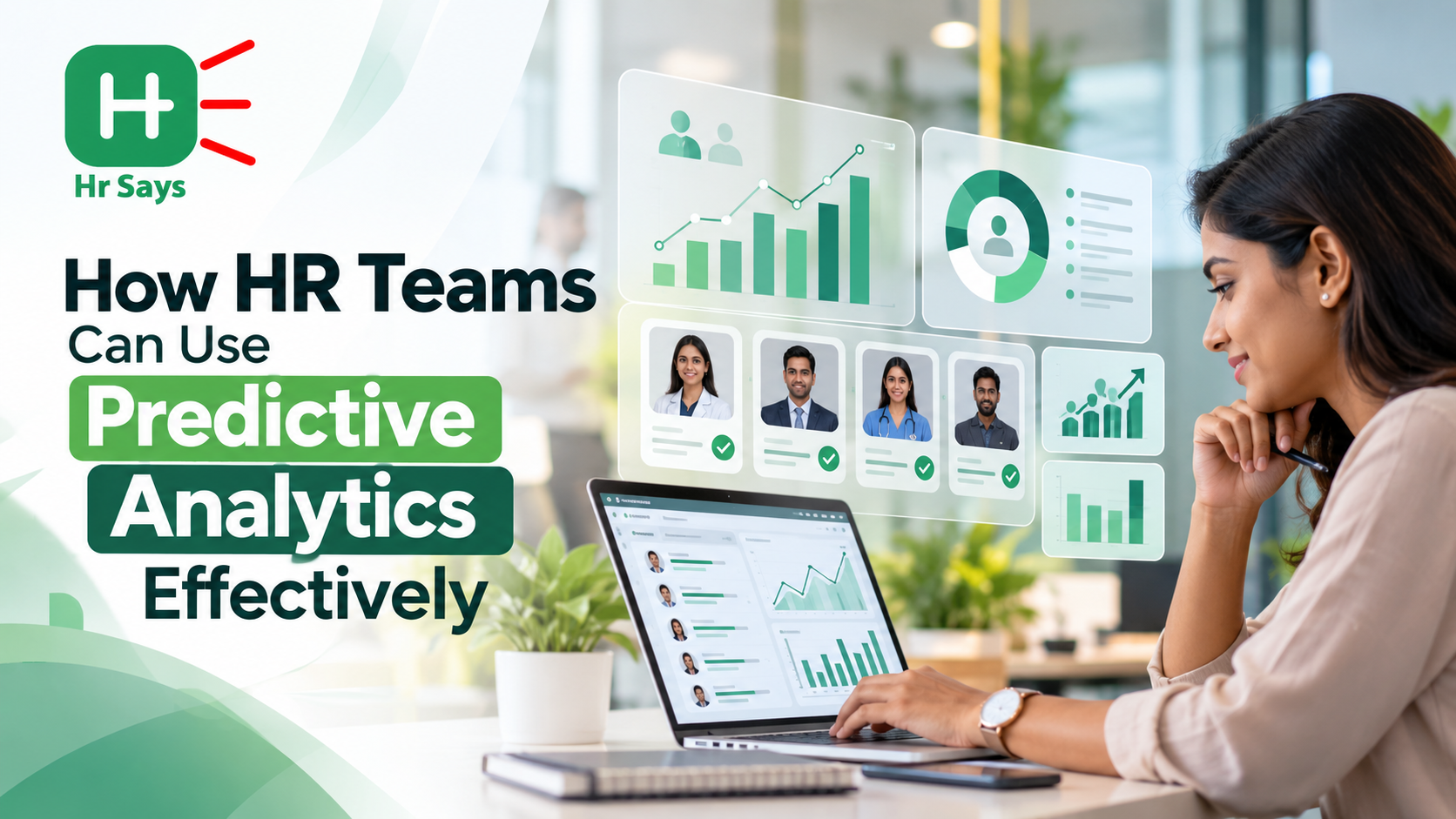
Data analytics has transformed workforce planning from guesswork into a structured decision-making process. Information from HR systems, learning platforms, and productivity tools can now be interpreted through predictive models.
Several analytical approaches are commonly applied.
Predictive Workforce Analytics
Predictive analytics uses historical workforce data to estimate future outcomes. Attrition risk, retirement patterns, and workforce expansion can be forecasted using statistical models.
Through this approach, organizations are able to:
● Identify departments that may experience staff shortages
● Estimate hiring needs for upcoming quarters
● Anticipate skill shortages in emerging technologies
This information allows recruitment strategies to be designed in advance.
Skills Mapping and Gap Analysis
A detailed skill inventory is often created across the workforce. Each employee's capabilities are mapped against the skills required for future projects.
When the two sets are compared, skill gaps become visible.
Common insights discovered during gap analysis include:
● Emerging digital skills that are missing in the current workforce
● Leadership roles that may lack succession candidates
● Technical competencies that will be required in upcoming projects
Instead of hiring externally for every gap, internal upskilling programs can be introduced. Training investments are therefore directed where they are most needed.
Data Driven Workforce Planning Tools
Many organizations now rely on HR analytics platforms and workforce planning software. These tools integrate recruitment data, employee performance metrics, and external labor market insights.
The advantage of such systems lies in visibility. Workforce dashboards can present real time insights about staffing trends, allowing leadership teams to respond early rather than react late.
Gradually, workforce planning is being treated as a continuous process rather than an annual exercise.
Conclusion
Predicting workforce needs is no longer a futuristic idea. With the growth of HR analytics, workforce planning has become more data informed and less reactive. When workforce patterns are understood early, hiring decisions become strategic, skill development becomes targeted, and organizations are better prepared for change.