Sunday, September 20, 2026
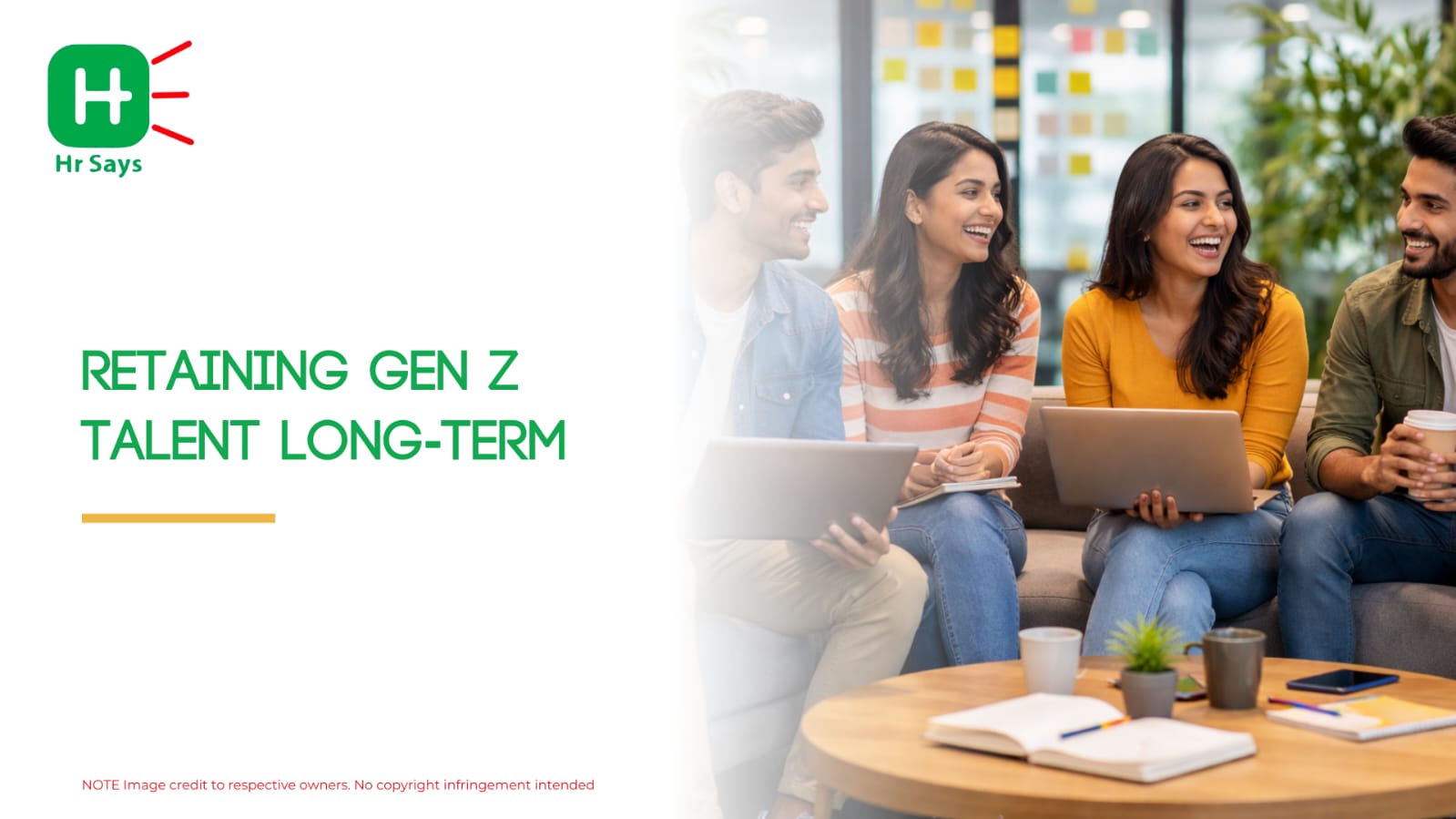
 Retaining Gen Z talent requires organizations to adapt workplace culture, leadership style, and growth opportunities. Flexible work, meaningful engagement, continuous learning, and transparent communication collectively create an environment where young professionals feel motivated to remain long-term.




Gen Z is already on the way to transforming the contemporary work environment. They were born in a digital and rapidly advancing world with new demands of flexibility and purpose and growth. To organizations, keeping Gen Z talent does not just exclude payment but providing an environment that young professionals feel seen, appreciated and inspired to remain.
Understanding What Gen Z Truly ValuesThe new generation is silently redefining workplaces based on its priorities. Gen z employees usually enter the workplace with strong expectations regarding work culture, flexibility and purpose. The conventional retention strategies which were dependent on salary increment or ladder of hierarchy promotion are perceived to be incomplete.
Gen Z professionals tend to be a great fond of transparency and authenticity. They all want to work in the places where there is no stagnation of the communication processes, where the leaders seem friendly. The concept of mere permanency of just being there so that they can be stable is no longer the motivating element of long-term commitment.
Several factors influence how Gen Z evaluates an employer:
- Opportunities for continuous learning and skill development
- Flexible work models such as hybrid work or remote work
- Clear communication and supportive leadership
- Workplace diversity and inclusion
- Alignment between personal values and company purpose
Career progression also holds a different meaning for this generation. Instead of waiting years for advancement, progress is expected through skill building, mentorship, and exposure to meaningful projects. When growth feels stagnant, disengagement tends to appear quickly.
Digital fluency also shapes expectations. Internal tools, communication systems, and workflows are expected to be efficient and modern. Slow processes or outdated systems can create frustration that gradually affects retention.
Organizations that recognize these preferences early are better positioned to retain young professionals. The focus slowly shifts from managing employees to supporting their development and wellbeing.
Building a Workplace That Encourages Long-Term CommitmentRetention is rarely achieved through one initiative. It is built through everyday experiences that shape how employees feel about their workplace.
A culture of trust and autonomy often plays a key role. When employees are allowed to take ownership of tasks and contribute ideas, engagement tends to increase. Micromanagement, on the other hand, can discourage creativity and motivation.
Flexible work policies have also become an important factor in employee retention strategies. Work-life balance is no longer considered a benefit but an expectation. Hybrid workplaces, flexible schedules, and mental health support contribute significantly to job satisfaction.
Several practical strategies are often adopted by organizations aiming to retain Gen Z employees:
- Regular feedback instead of annual performance reviews
- Clear career pathways and mentorship programs
- Investment in upskilling and digital learning platforms
- Recognition programs that highlight contributions
- A supportive environment for innovation and experimentation
Recognition deserves particular attention. Appreciation does not always need to be formal or elaborate. Simple acknowledgement of effort, timely feedback, and visible appreciation of ideas can create a sense of belonging.
Another important element is meaningful work. Gen Z professionals often prefer roles where their work contributes to something larger than routine tasks. When employees understand how their efforts impact the organization or society, engagement tends to deepen.
Leadership style also influences retention. Managers who guide, listen, and support professional growth are more likely to build loyal teams. A culture where questions are welcomed and ideas are respected often encourages long-term commitment.
Over time, retention becomes less about policies and more about daily workplace experiences. Employees stay where they feel respected, challenged, and supported.
ConclusionRetaining Gen Z talent requires a shift in mindset rather than a single policy change. Organizations that prioritize transparency, learning opportunities, flexible work environments, and meaningful recognition are more likely to build workplaces where young professionals choose to stay and grow.