 Saturday, September 26, 2026
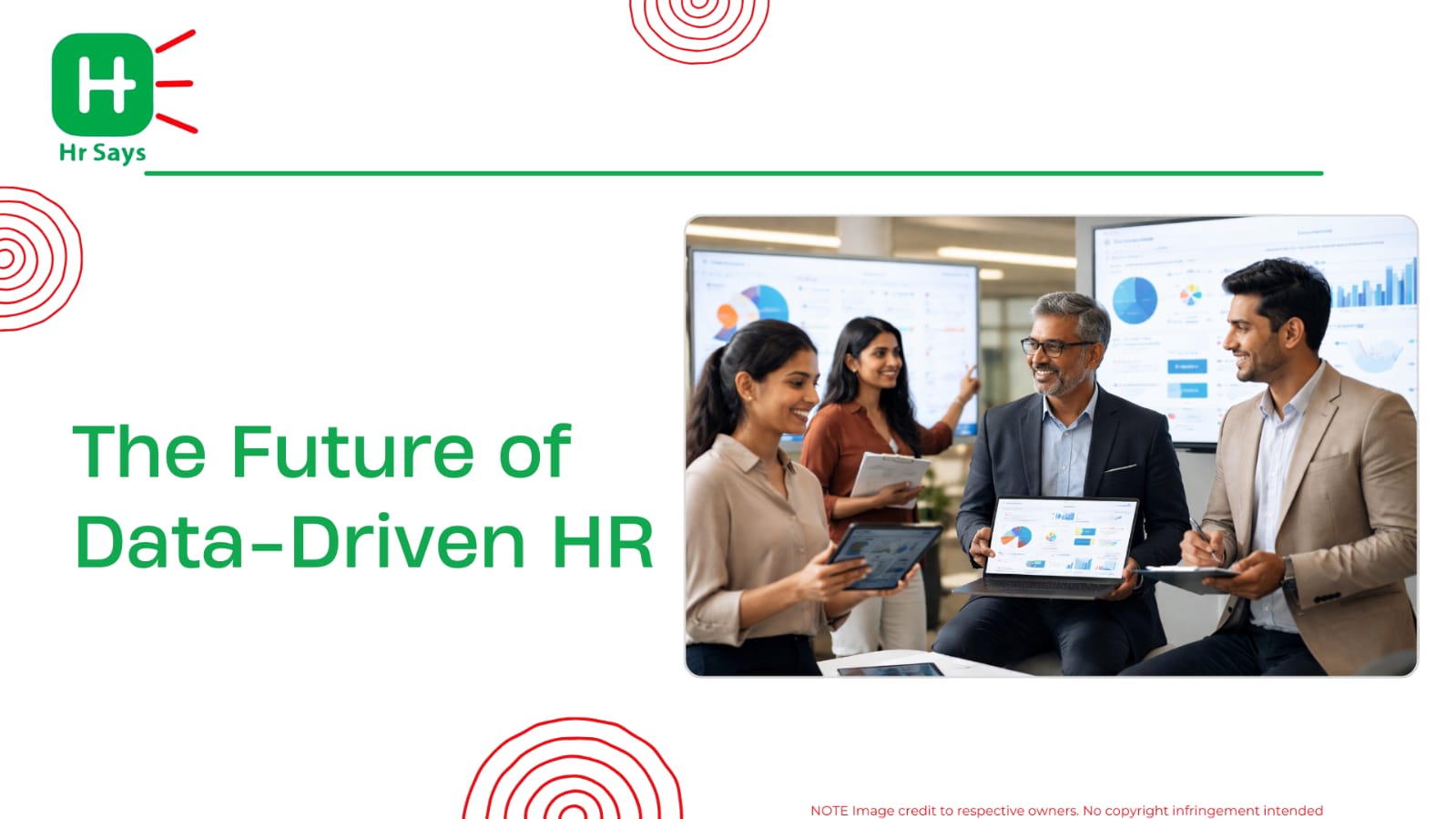
 Data-driven HR is transforming how organizations recruit, manage, and support employees. By combining HR analytics, artificial intelligence, and workforce insights, companies are making smarter decisions while still preserving the essential human element in workplace management.




The work place is evolving more than ever. Information is replacing intuition in making decisions. Knowing how to utilize analytics to learn employees, anticipate challenges and develop smarter workforce strategies that enhance not only performance but employee experience, this aspect is gaining momentum in current organizations with HR teams.
Why Data Is Becoming the Backbone of Modern HR
Decades ago, human resource decisions have been taken on experience, instinct, or information that is inadequate. The managerial judgment played a major role in making hiring decisions, staff involvement programs, and performance reviews. This practice is gradually being substituted with the data-driven
HR practices today. HR software, employee surveys, performance tools, and online collaboration systems have become the primary sources the organization gathers to obtain huge amounts of workforce data. This information is examined keenly to come up with patterns that would have gone unnoticed otherwise.
Several important shifts are being observed in modern HR departments:
• Recruitment analytics is helping companies identify the most effective hiring channels.
• Employee engagement metrics are being monitored to understand workplace satisfaction.
• Workforce planning tools are assisting leaders in predicting talent shortages.
• Performance analytics is making evaluations more objective.
As a result, HR professionals are no longer limited to administrative roles. Instead, they are becoming strategic partners who support long-term business decisions.
Data also allows HR teams to move from reactive responses to proactive planning. Instead of addressing problems only after they arise, patterns within workforce analytics can highlight potential risks such as employee burnout, high turnover, or declining productivity.
In many ways, HR is evolving from a people management function into a data-informed decision center within organizations.
Technologies Powering Data-Driven HR
Behind the rise of data-driven HR lies a growing ecosystem of digital tools. Advanced technologies are enabling HR teams to collect, organize, and interpret workforce data more effectively than ever before.
Several technologies are shaping this transformation.
Artificial Intelligence in HR
Artificial intelligence is being widely integrated into HR platforms. AI tools can screen thousands of resumes, identify candidate suitability, and even detect skill gaps within teams.
Recruiters are increasingly relying on AI-powered recruitment platforms to improve hiring accuracy and reduce unconscious bias.
HR Analytics Platforms
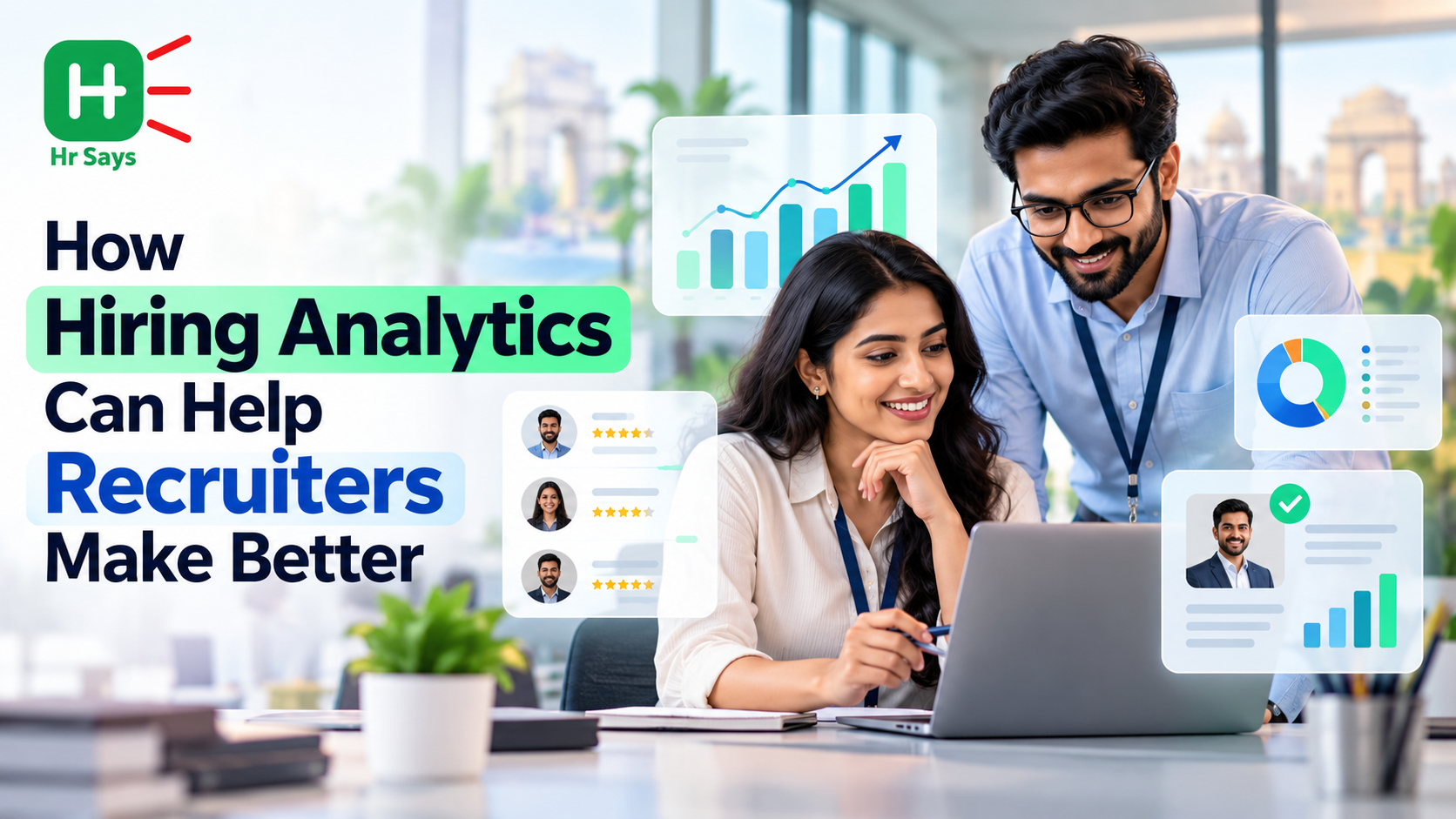
Dedicated HR analytics tools are helping organizations convert raw data into meaningful insights. These platforms track key workforce metrics such as employee retention, productivity levels, training effectiveness, and internal mobility.
By analyzing these metrics, HR teams are able to make informed decisions about workforce development and leadership planning.
People Analytics and Predictive Insights
People analytics is one of the most influential trends shaping modern HR. Through predictive analytics, companies can anticipate potential workforce challenges.
For example:
• Possible employee turnover risks can be identified early.
• Learning and development needs can be predicted.
• Workforce productivity patterns can be understood.
• Organizational culture trends can be monitored.
These insights allow HR leaders to design targeted solutions rather than applying generalized policies.
As a result, HR departments are gradually becoming more strategic, analytical, and future-focused.
Challenges and Ethical Considerations
While the benefits of HR analytics are significant, several challenges must also be acknowledged.
Data privacy remains a major concern. Employees must feel confident that their personal information is being handled responsibly. Clear policies and transparency are therefore essential.
Another challenge involves data interpretation. Numbers alone do not always explain employee behavior. Human judgment is still required to understand workplace dynamics.
Organizations must also ensure that algorithms do not reinforce hidden biases. Responsible data usage and ethical AI practices are becoming central to modern HR governance.
When these challenges are addressed carefully, data-driven HR can remain both effective and human-centered.
The Human Element Still Matters
Even in a world filled with workforce analytics and AI-powered HR systems, people remain at the heart of every organization.
Data can highlight patterns, predict risks, and improve decision-making. However, empathy, communication, and leadership cannot be replaced by algorithms.
Successful HR leaders are those who combine analytical insights with human understanding. Data may guide decisions, but trust and relationships ultimately shape workplace culture.
The future of HR will therefore not be defined by technology alone. It will be shaped by how effectively organizations balance data intelligence with genuine human connection.