Search Results

You searched for : EmployeeEngagement  

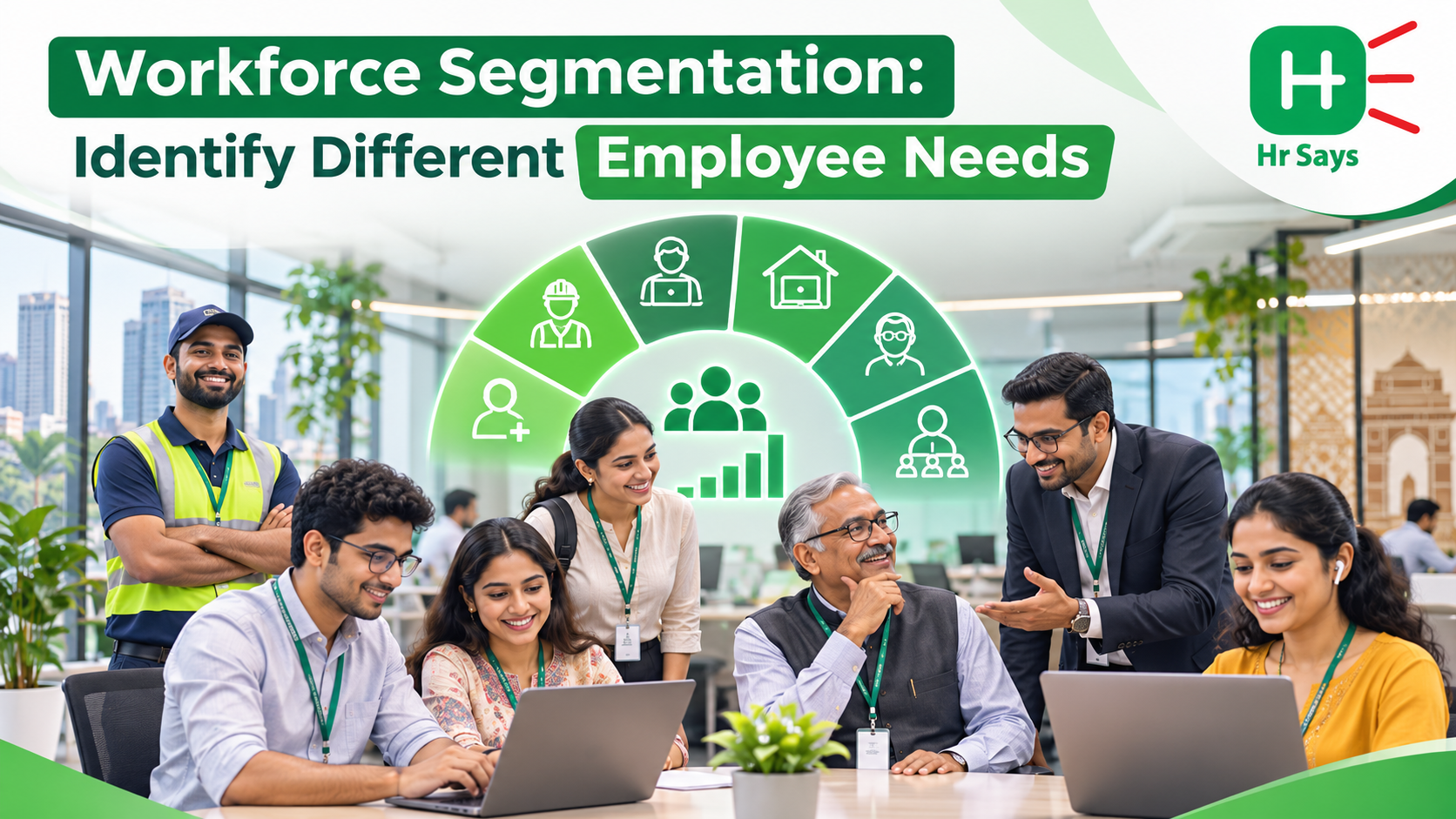
Workforce Segmentation: Identify Different Employee Needs

Workforce segmentation enables HR leaders to identify and address diverse employee needs through targeted strategies, improving engagement, retention, and performance across Indian organisations of all ...
Nov 12

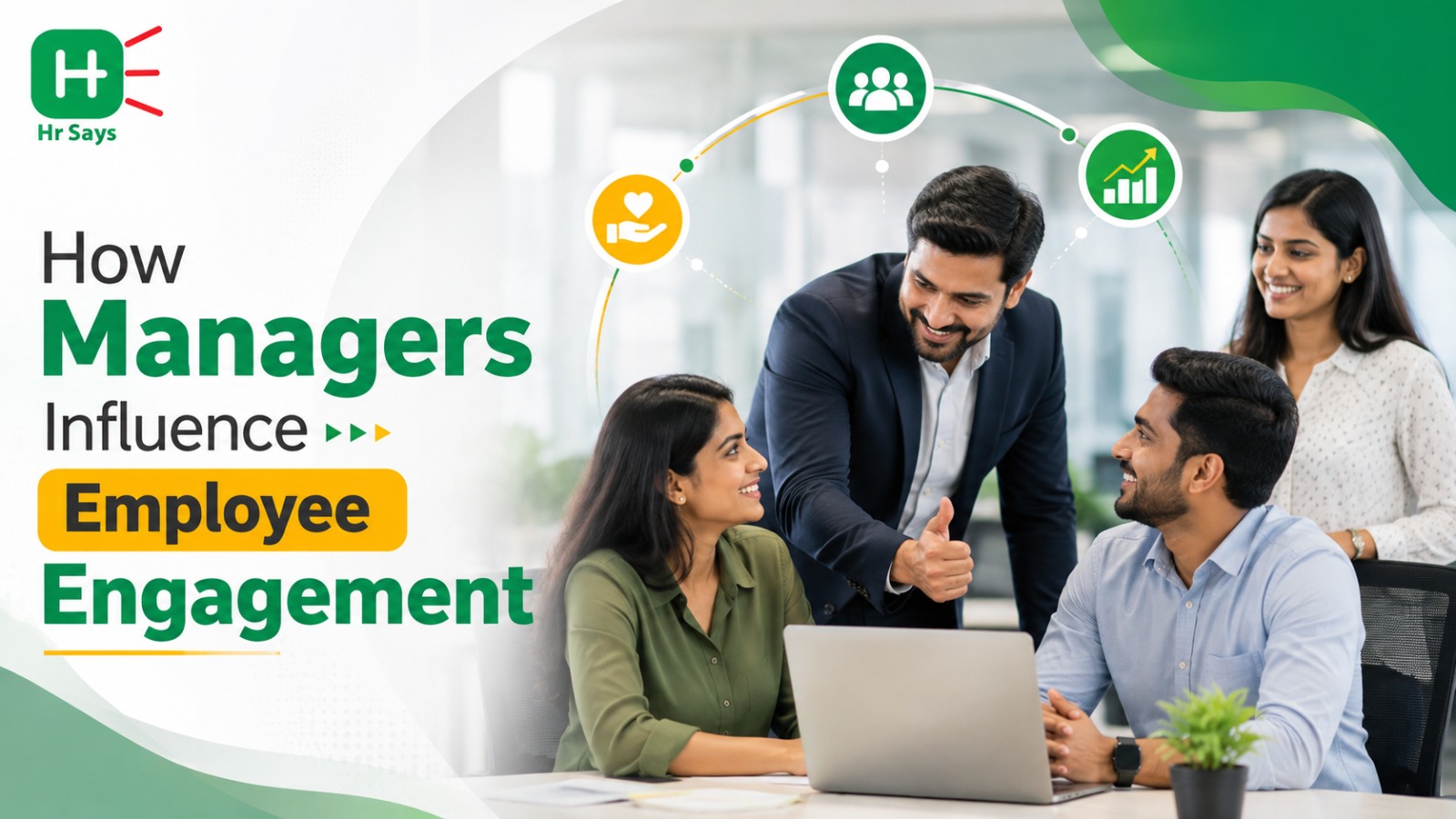
How Managers Influence Employee Engagement: The Leadership Connection Every HR Leader Must Understand

Managers are the most direct drivers of employee engagement. Through trust, communication, recognition, and inclusive leadership, they shape whether employees remain committed, motivated, and productive. ...
Aug 25

Employee Engagement 2.0: Improving Workplace Wellness in Hospitals

This reader-friendly blog explores Employee Engagement 2.0: Improving Workplace Wellness in Hospitals through the lens of HRsays, diving into Employee Engagement 2.0 ...
Jul 31

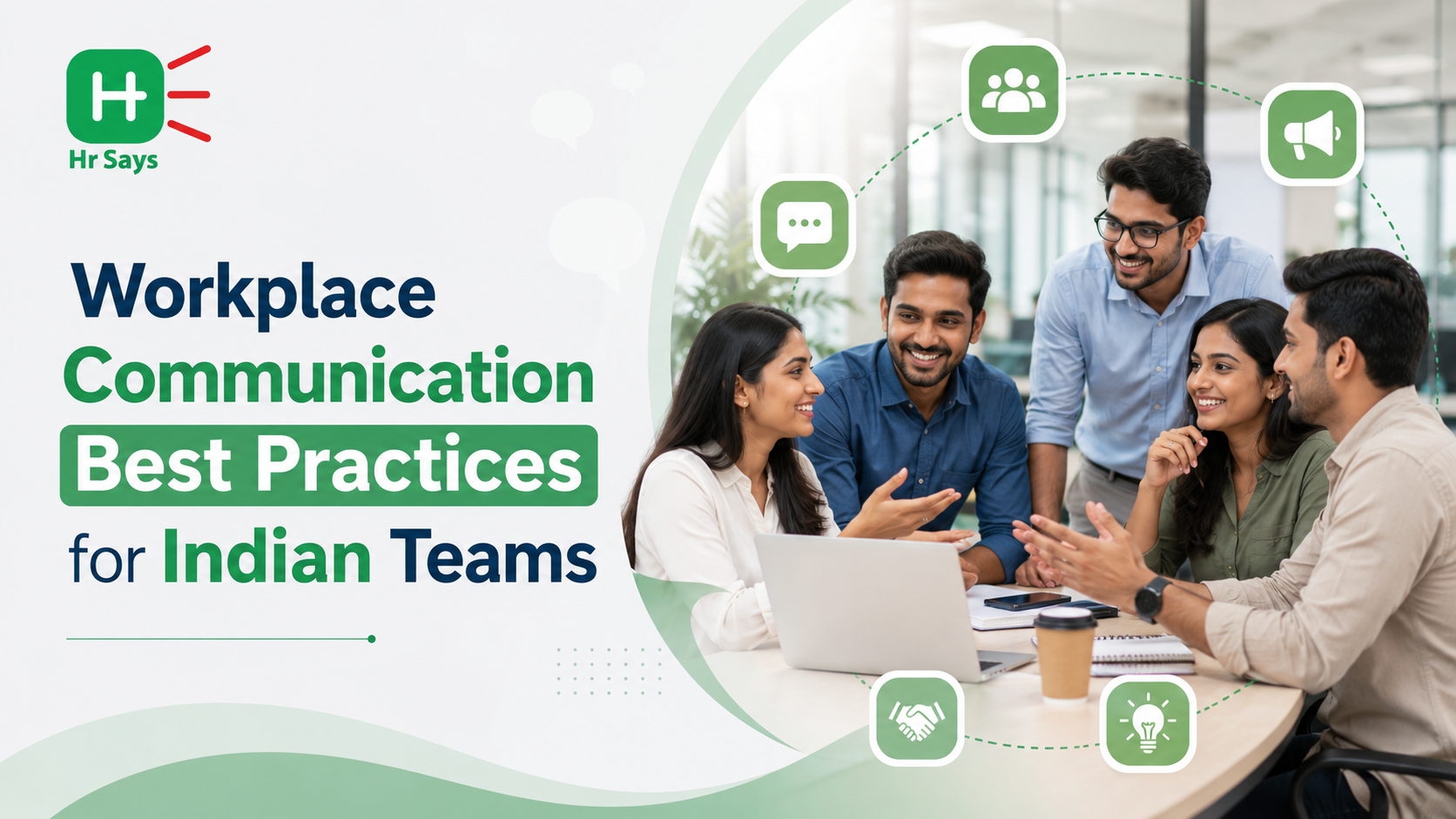
Workplace Communication Best Practices: A Practical Guide for Indian Organisations

This article explores workplace communication best practices for Indian organisations, covering common barriers, practical strategies for managers and HR teams, and methods to measure and ...
Jul 23

Employee Engagement Strategies That Actually Work (2026)

This article examines why most employee engagement strategies fail in Indian organizations and outlines practical, manager-centred approaches, including recognition, clarity, growth conversations, and continuous ...
Jun 30

Employee Engagement Strategies for a Hybrid Healthcare Workforce |

This reader-friendly blog explores Employee Engagement Strategies for a Hybrid Healthcare Workforce through the lens of HRsays. We dive into Employee Engagement Strategies for ...
Jun 27

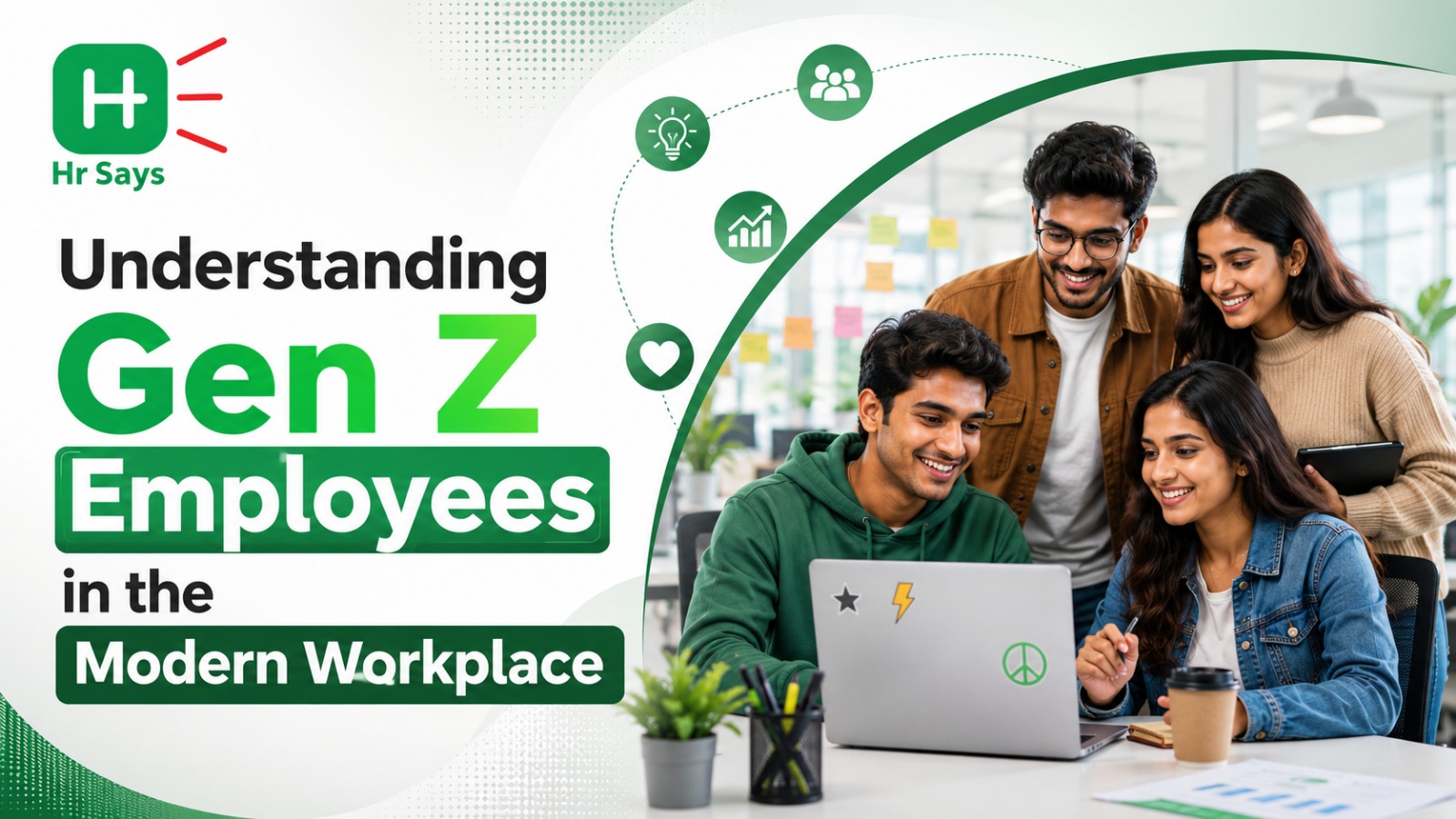
Understanding Gen Z Employees in the Modern Workplace

Understanding gen z employees requires adapting leadership, communication, and workplace systems to modern expectations shaped by technology and changing career values. Organizations that evolve with ...
May 21

Best Employee Engagement Ideas for Modern Teams

Modern team engagement activities work best when they combine emotional connection, transparent communication, and flexible workplace culture. Strong workplace engagement activities improve collaboration, retention, and ...
May 13

Why Gen Z Craves Frequent Feedback

Gen Z professionals prefer frequent feedback because it supports continuous learning, clarity, and workplace alignment. Shaped by digital communication and fast paced environments, regular feedback ...
Mar 14

Managing Gen Z Without Micromanaging

Managing Gen Z without micromanaging requires trust, clear expectations, and open communication. By focusing on outcomes, skill development, and collaborative leadership, managers can create workplaces ...
Mar 13

Career Growth Expectations of Gen Z Employees

Gen Z employees expect continuous learning, transparent career paths, flexible work environments, and meaningful roles. Organizations that recognize these priorities can improve employee retention, engagement, ...
Mar 13

Measuring Employer Brand Impact: How They Matter

Employer branding influences recruitment quality, employee retention, and organisational reputation. By analyzing hiring metrics, employee sentiment, and digital engagement signals, companies can measure brand effectiveness ...
Mar 12

Protecting Employer Brand During Crisis

Employer branding is most vulnerable during crisis situations. Transparent communication, responsible leadership behavior, and employee focused decisions help organizations maintain credibility. A thoughtful response not ...
Mar 12

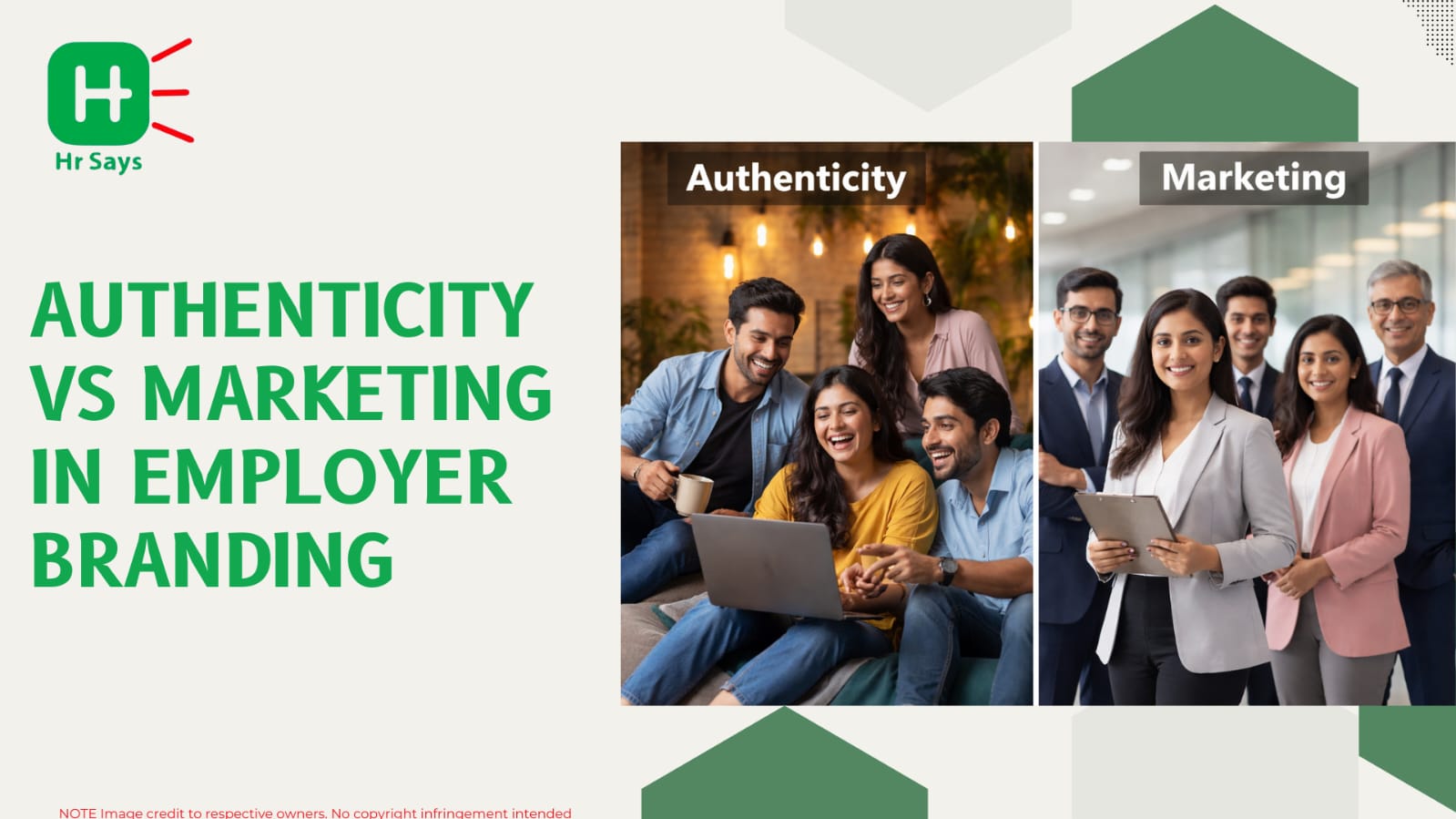
Authenticity Vs Marketing In Employer Branding

Employer branding today exists between authenticity and marketing strategy. Organizations that align internal culture with external messaging tend to build stronger trust. When branding reflects ...
Mar 12

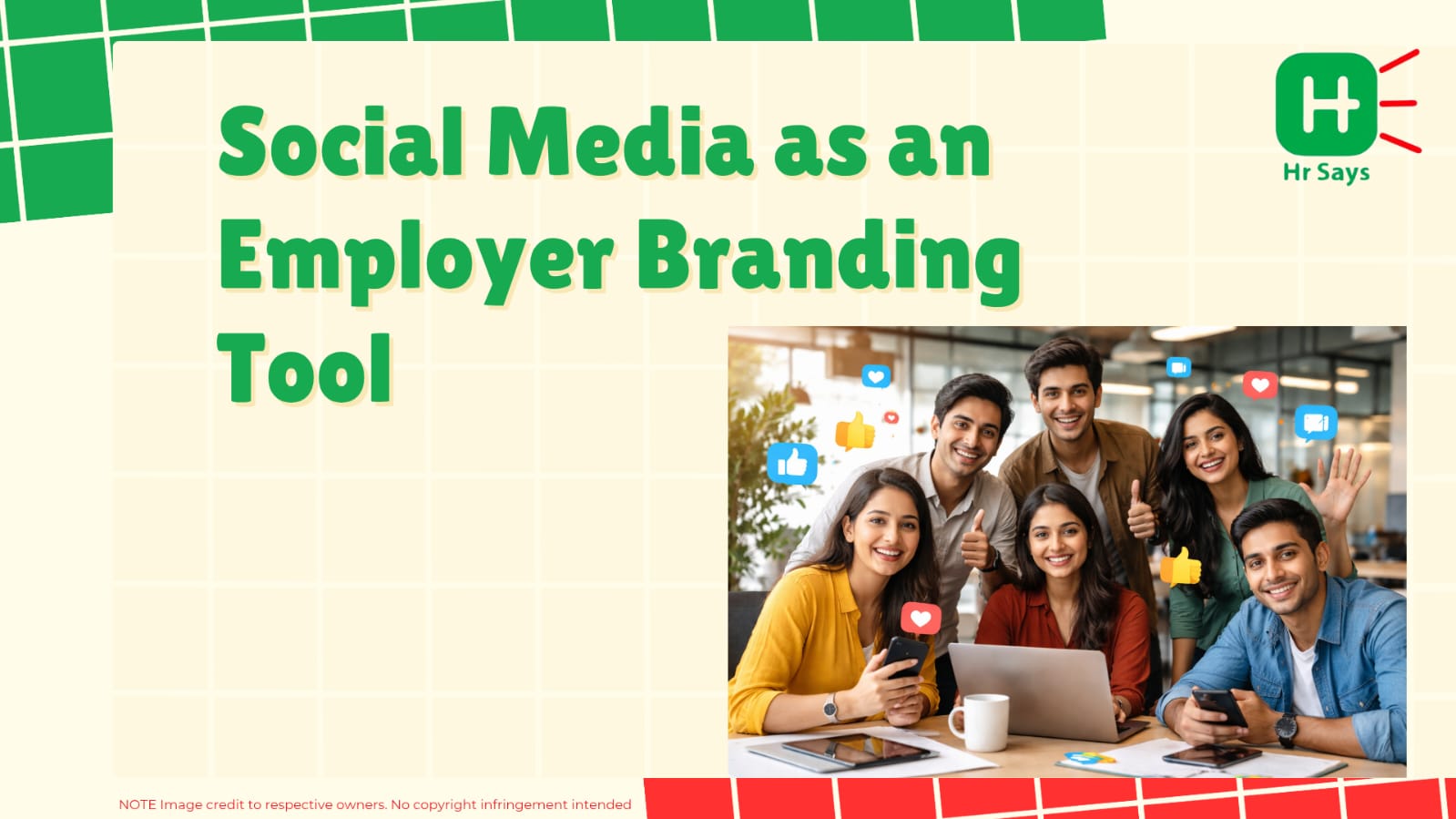
Social Media as an Employer Branding Tool

Social media has become a powerful employer branding tool that shapes how candidates perceive organizations. Through authentic content, workplace storytelling, and consistent engagement, companies can ...
Mar 11

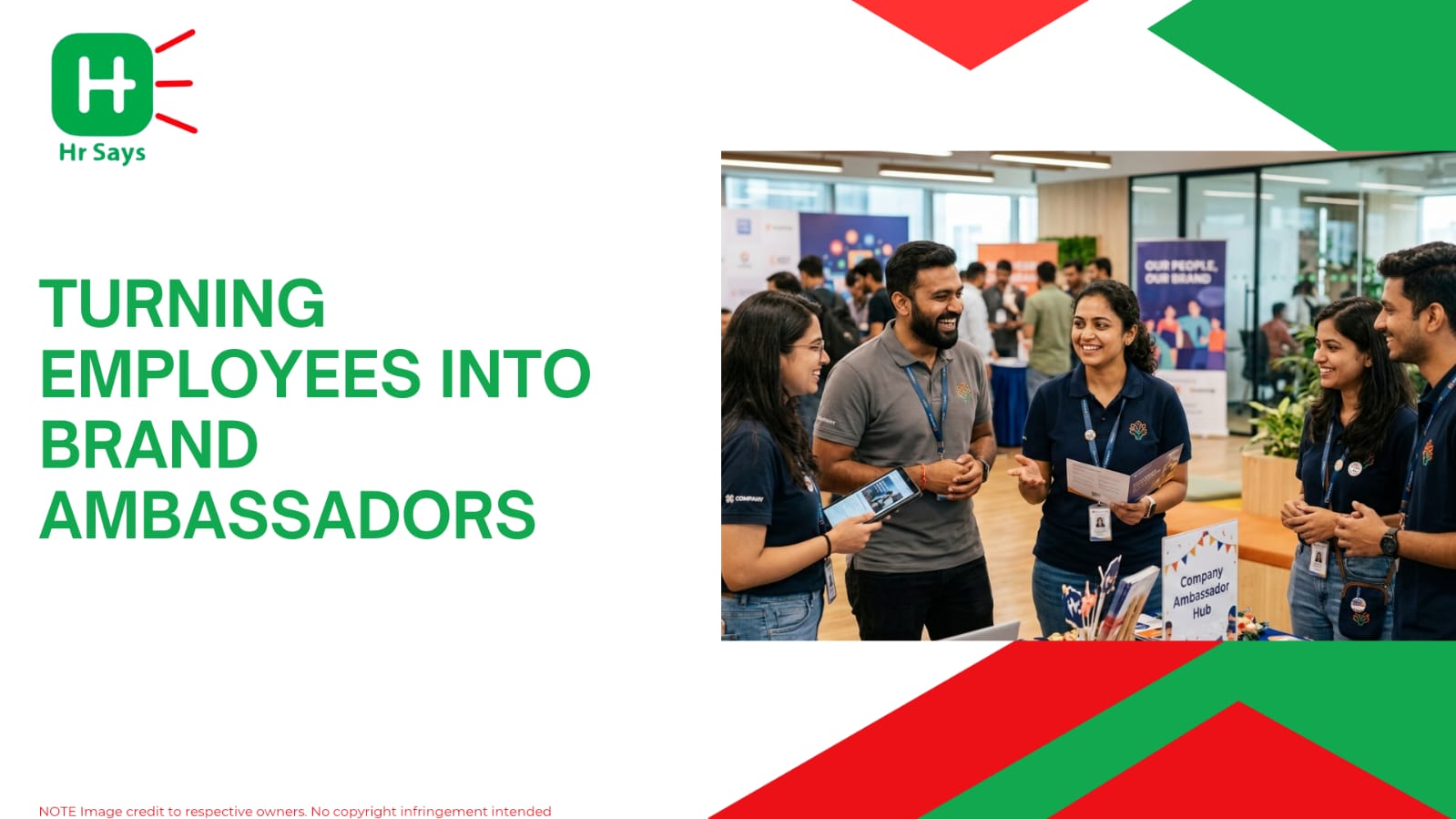
Turning Employees Into Brand Ambassadors

Employees can become powerful brand advocates when workplace culture encourages trust, transparency, and pride. By supporting authentic voices and strengthening employee engagement, organizations can build ...
Mar 10

Managing Employer Reputation on Review Sites

Employer reputation is increasingly shaped on online review platforms. This blog explores why employer review sites influence hiring decisions and outlines practical strategies organisations can ...
Mar 10

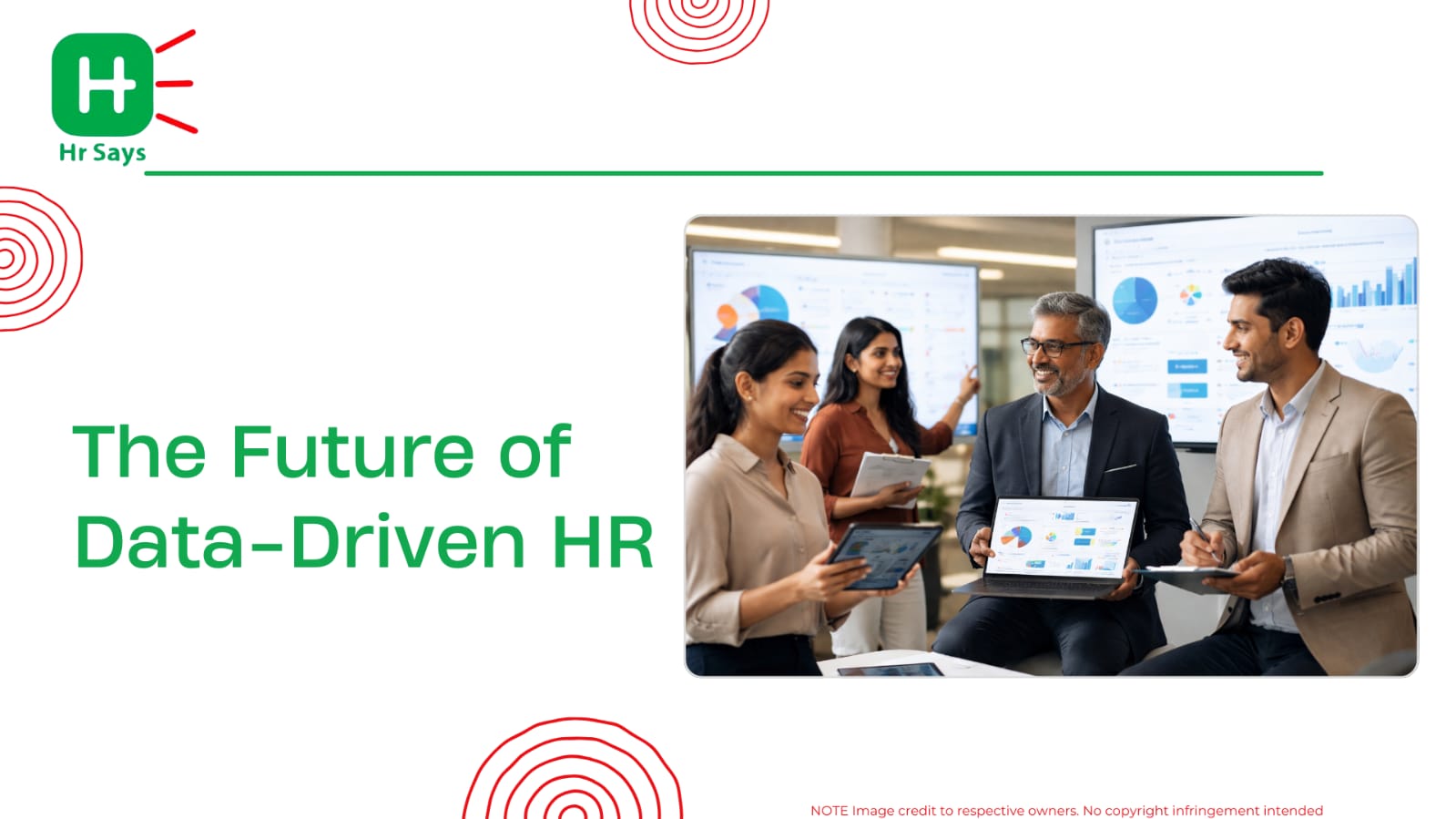
The Future of Data-Driven HR

Data-driven HR is transforming how organizations recruit, manage, and support employees. By combining HR analytics, artificial intelligence, and workforce insights, companies are making smarter ...
Mar 09

Linking HR Metrics To Business Results

HR metrics provide valuable insights when they are linked with business performance indicators. By aligning workforce analytics with productivity, retention, and profitability goals, organizations can ...
Mar 09

Using Pay to Improve Retention

Employee retention is strongly influenced by compensation strategies. Fair pay structures, performance incentives, and long-term financial benefits can strengthen loyalty and reduce turnover. When ...
Mar 06

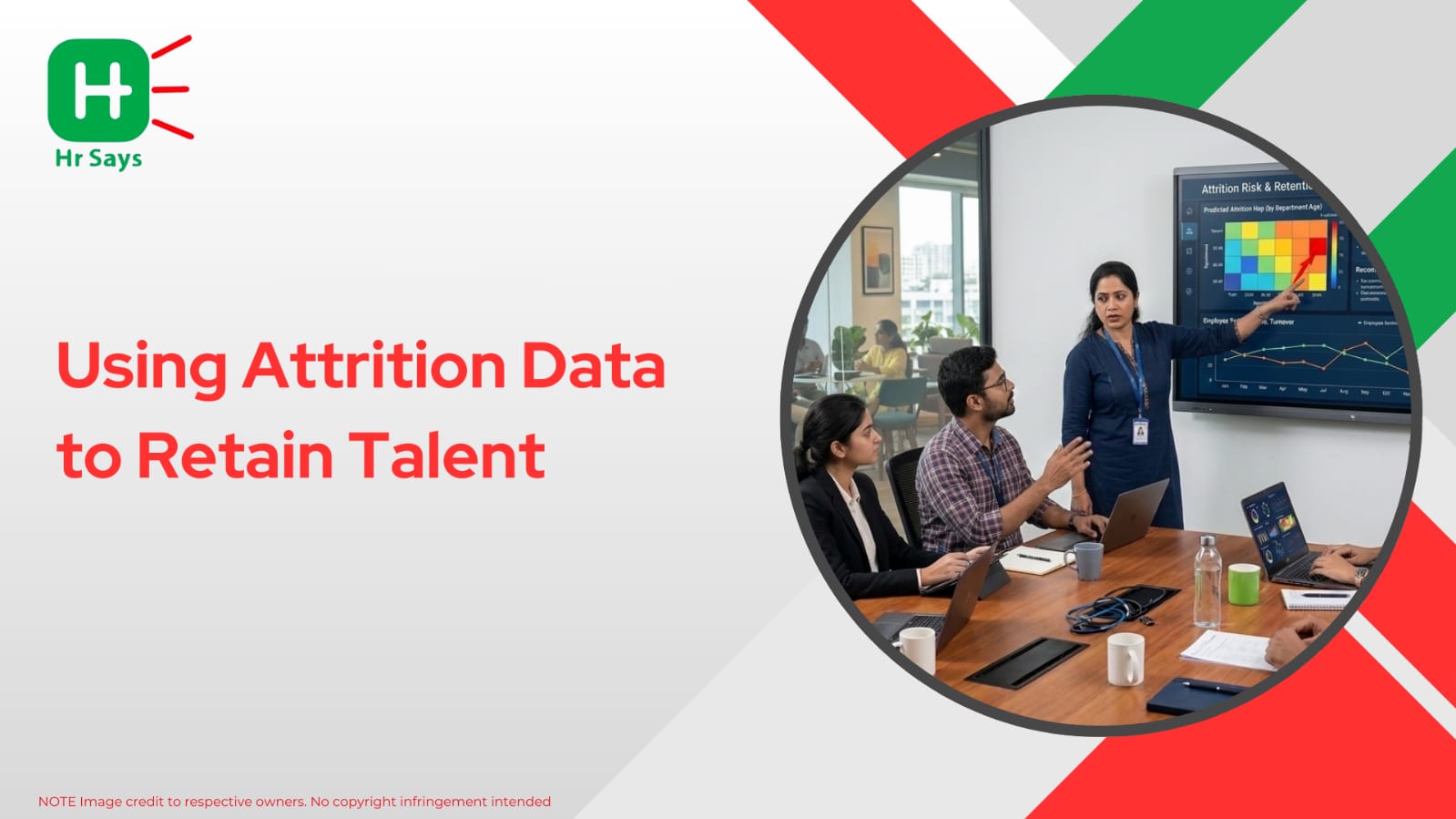
Using Attrition Data to Retain Talent

...
Mar 06

People Analytics for HR Beginners

...
Mar 06

Employee Financial Wellness Explained

...
Mar 06

Personalized Benefits for a Diverse Workforce

...
Mar 06

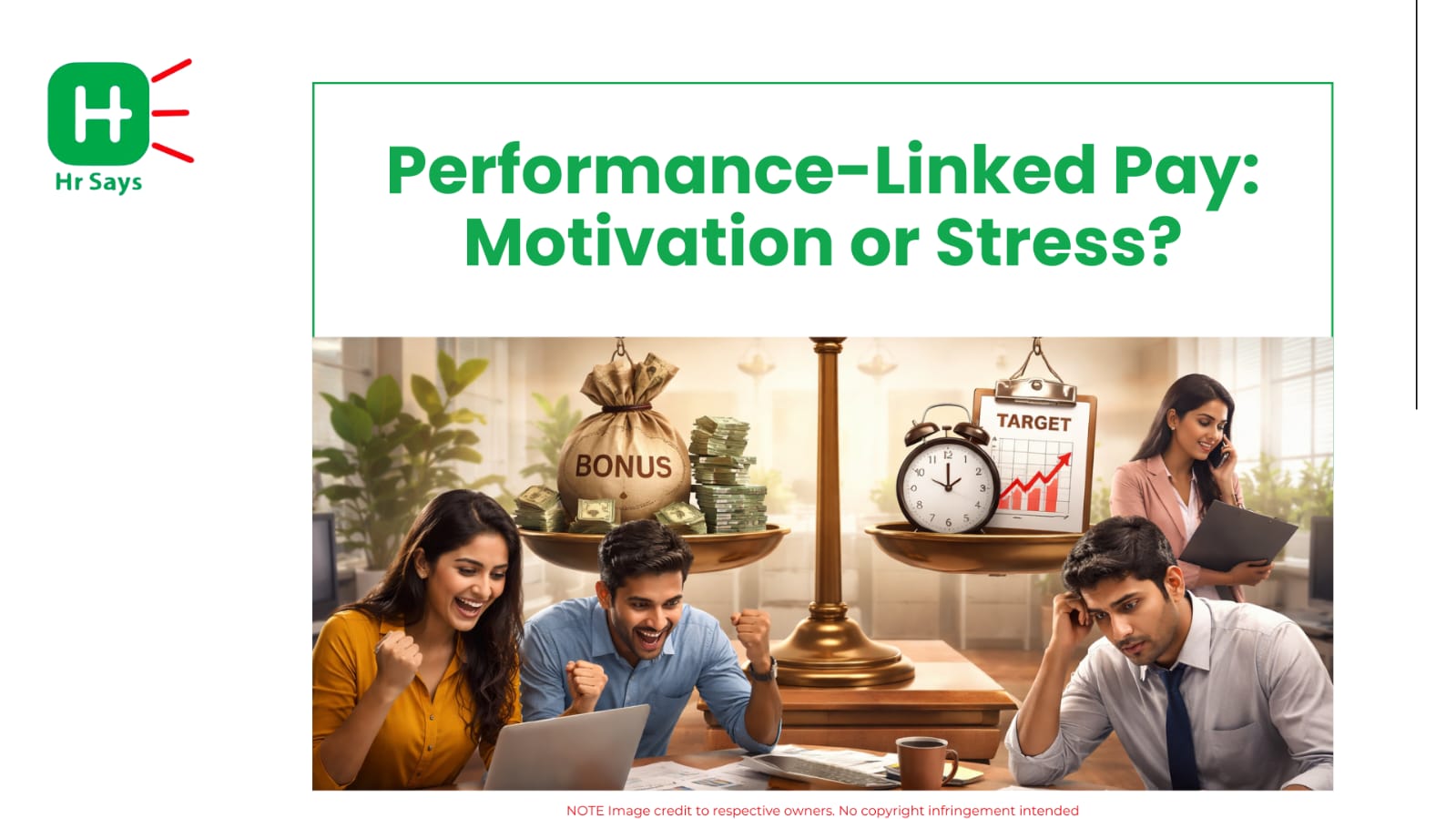
Performance-Linked Pay: Motivation or Stress?

Performance-linked pay connects compensation to measurable outcomes. While motivation can increase through structured incentives, stress may rise due to constant targets and evaluations. Sustainable ...
Mar 06

25 Matching result(s) found!

-Advertisements-

Trending Now

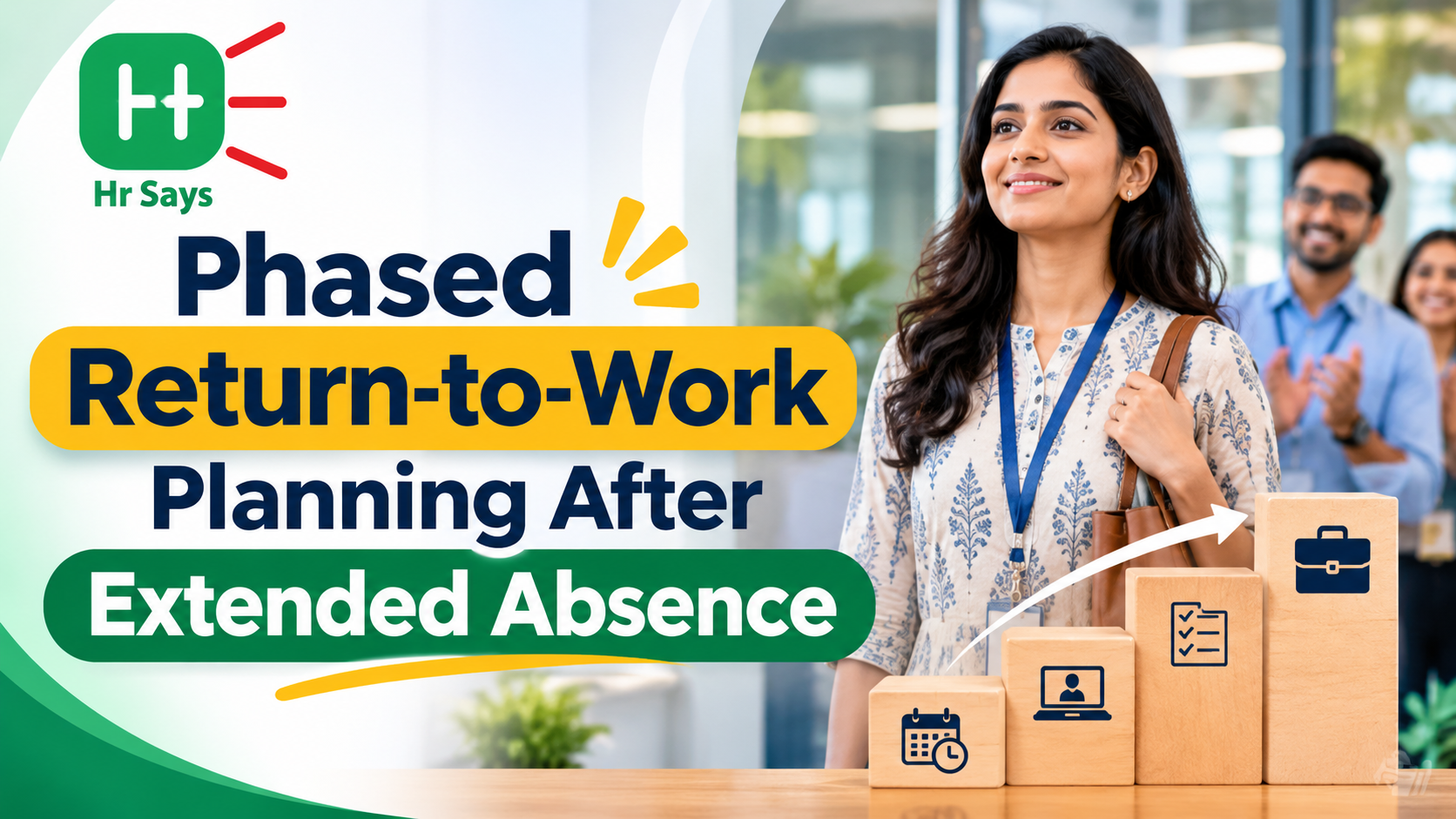
Phased Return-to-Work Planning After Extended AbsenceNovember 16, 2026
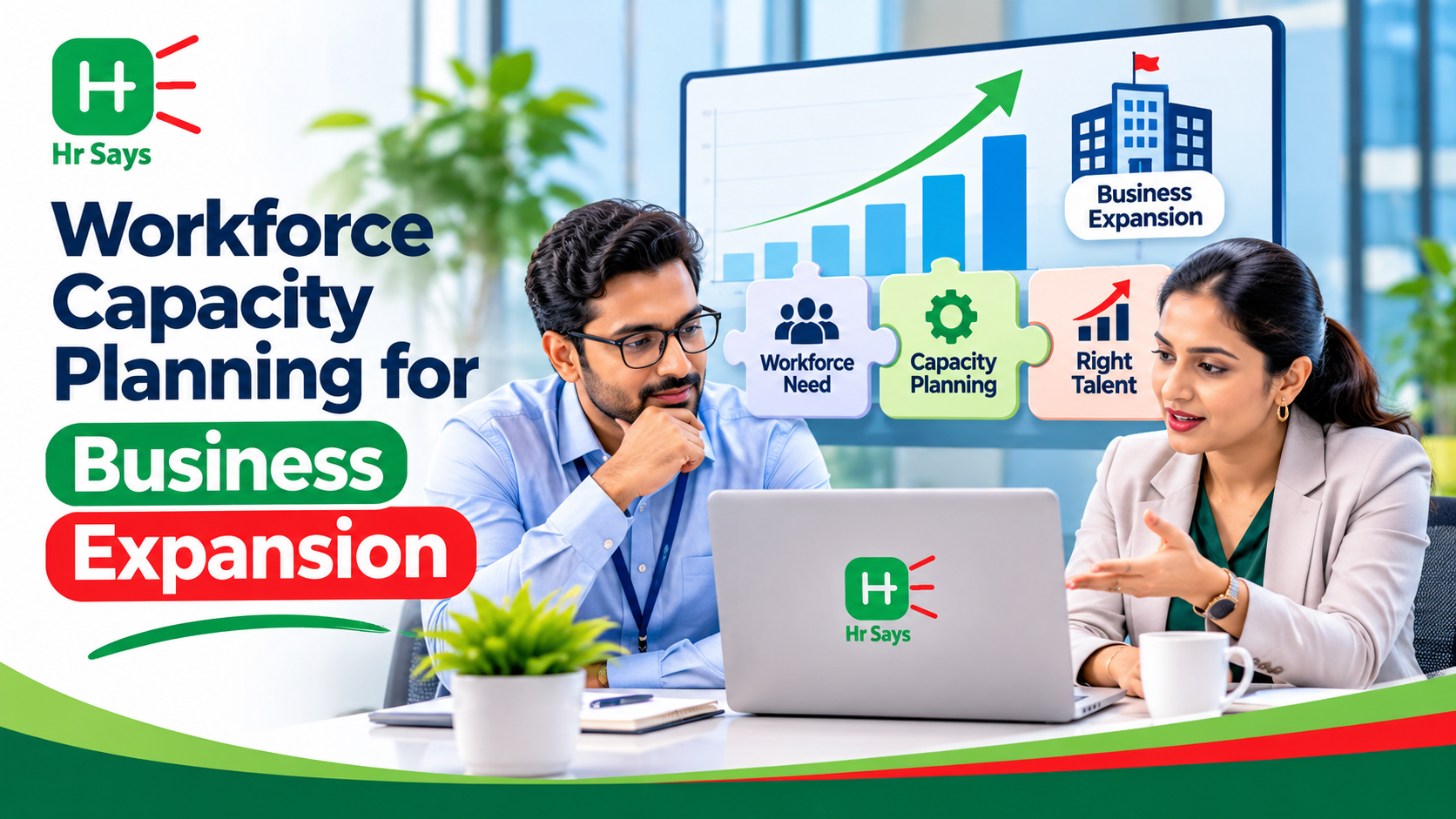
Workforce Capacity Planning for Business ExpansionNovember 16, 2026
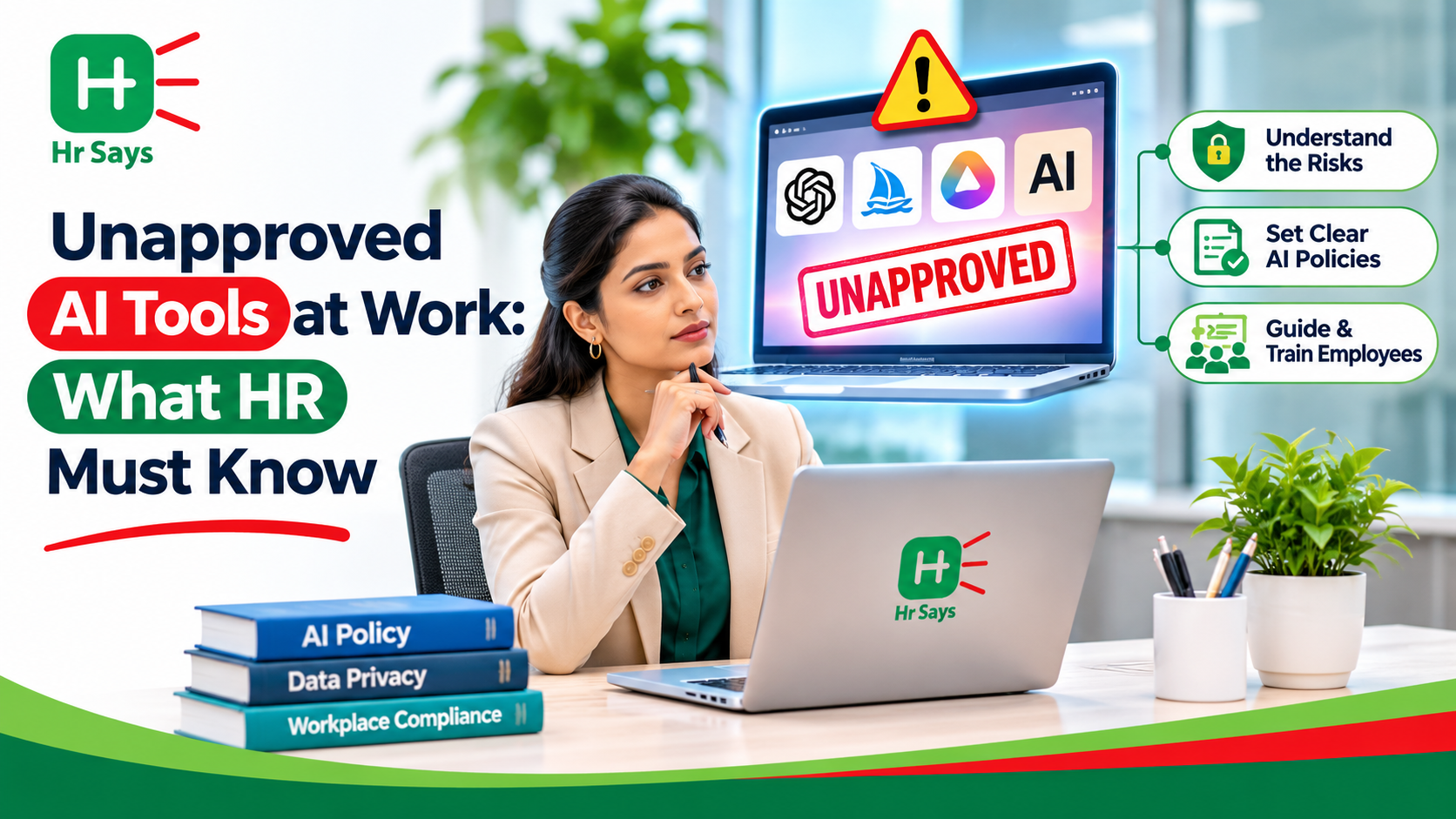
Unapproved AI Tools at Work: What HR Must KnowNovember 14, 2026
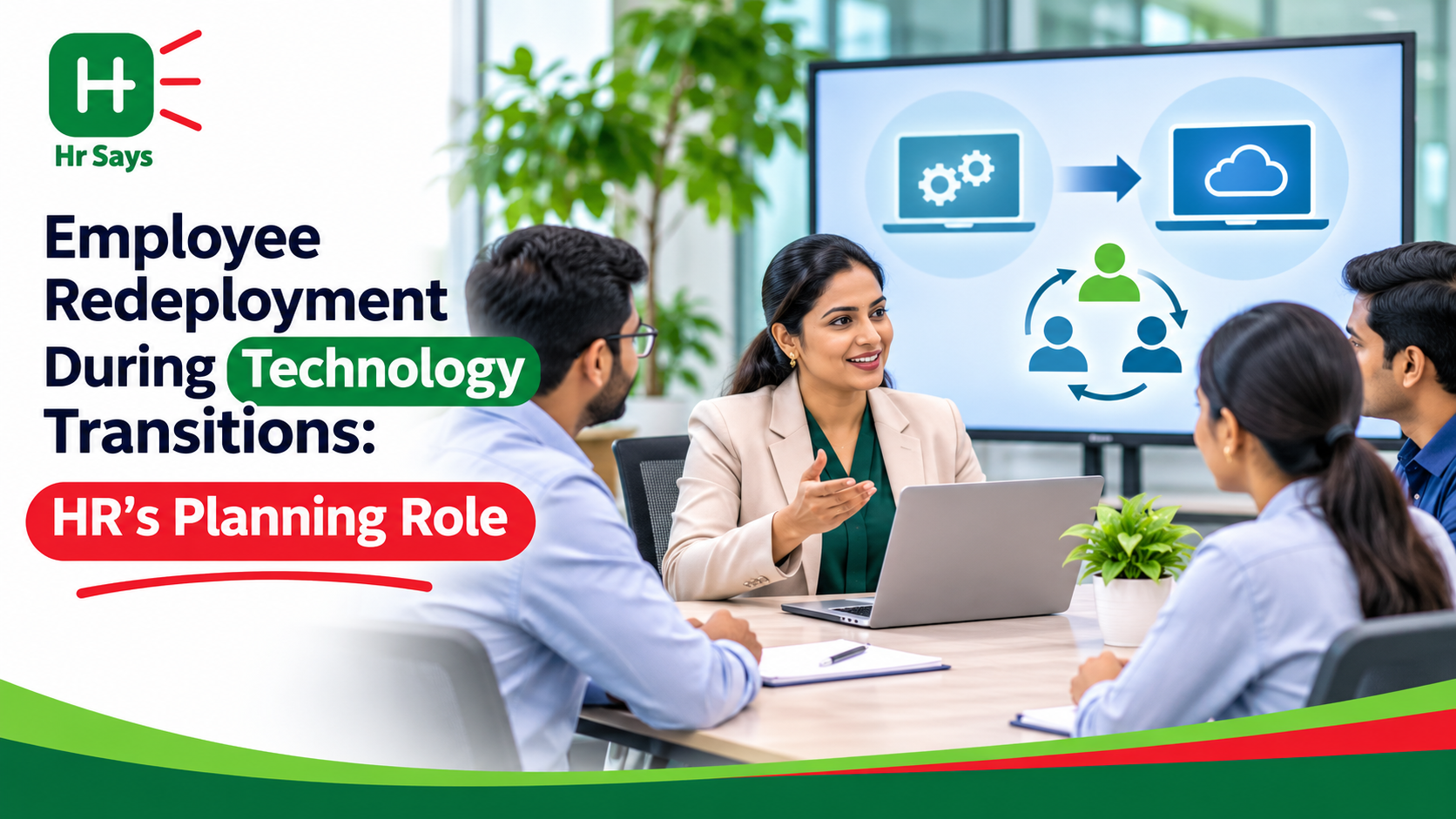
Employee Redeployment During Technology Transitions: HR's Planning RoleNovember 14, 2026
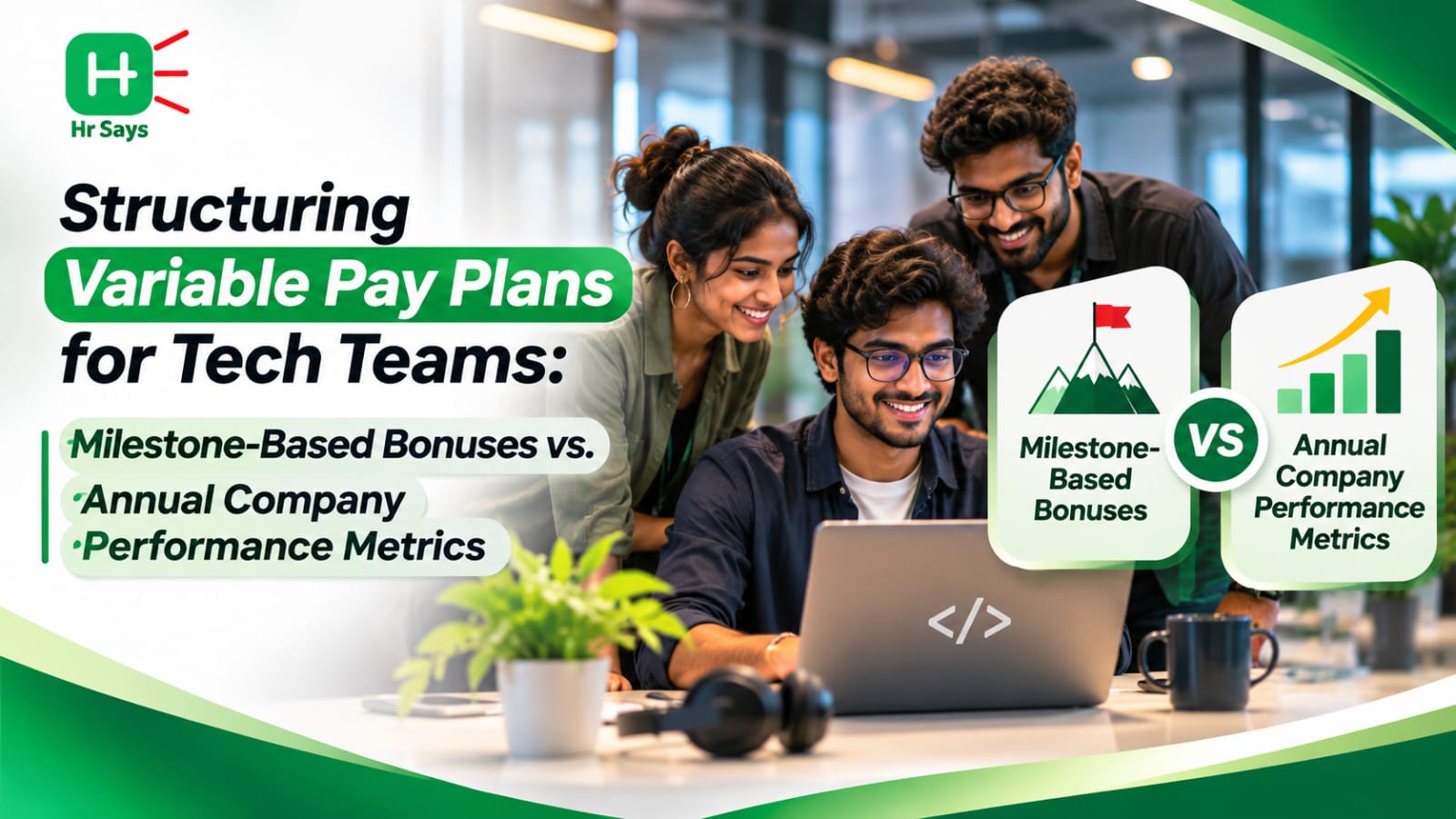
Structuring Variable Pay Plans for Tech Teams: Milestones vs Annual MetricsNovember 14, 2026
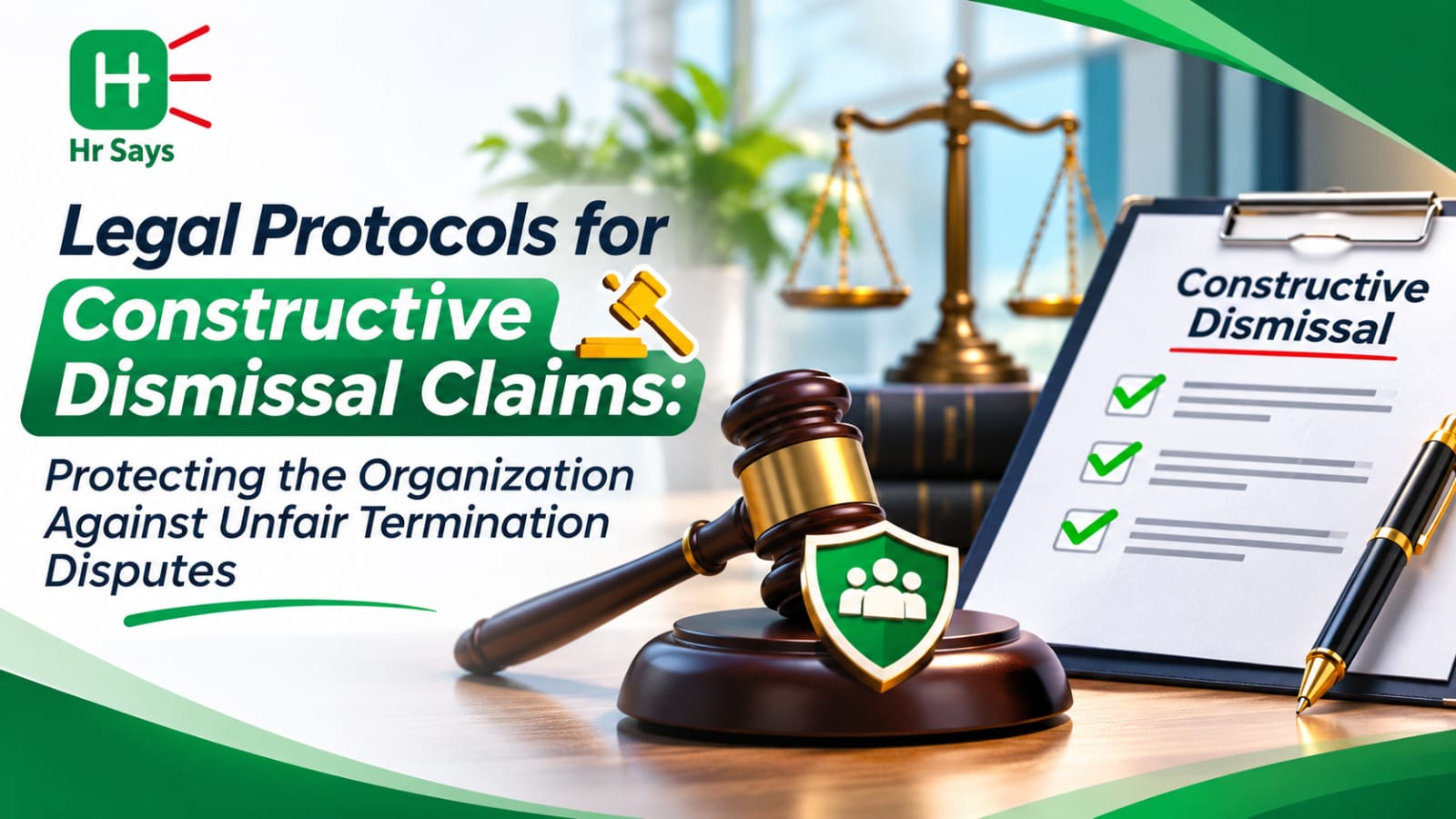
Constructive Dismissal Legal Protocols: Employer Defense & Risk GuideNovember 14, 2026
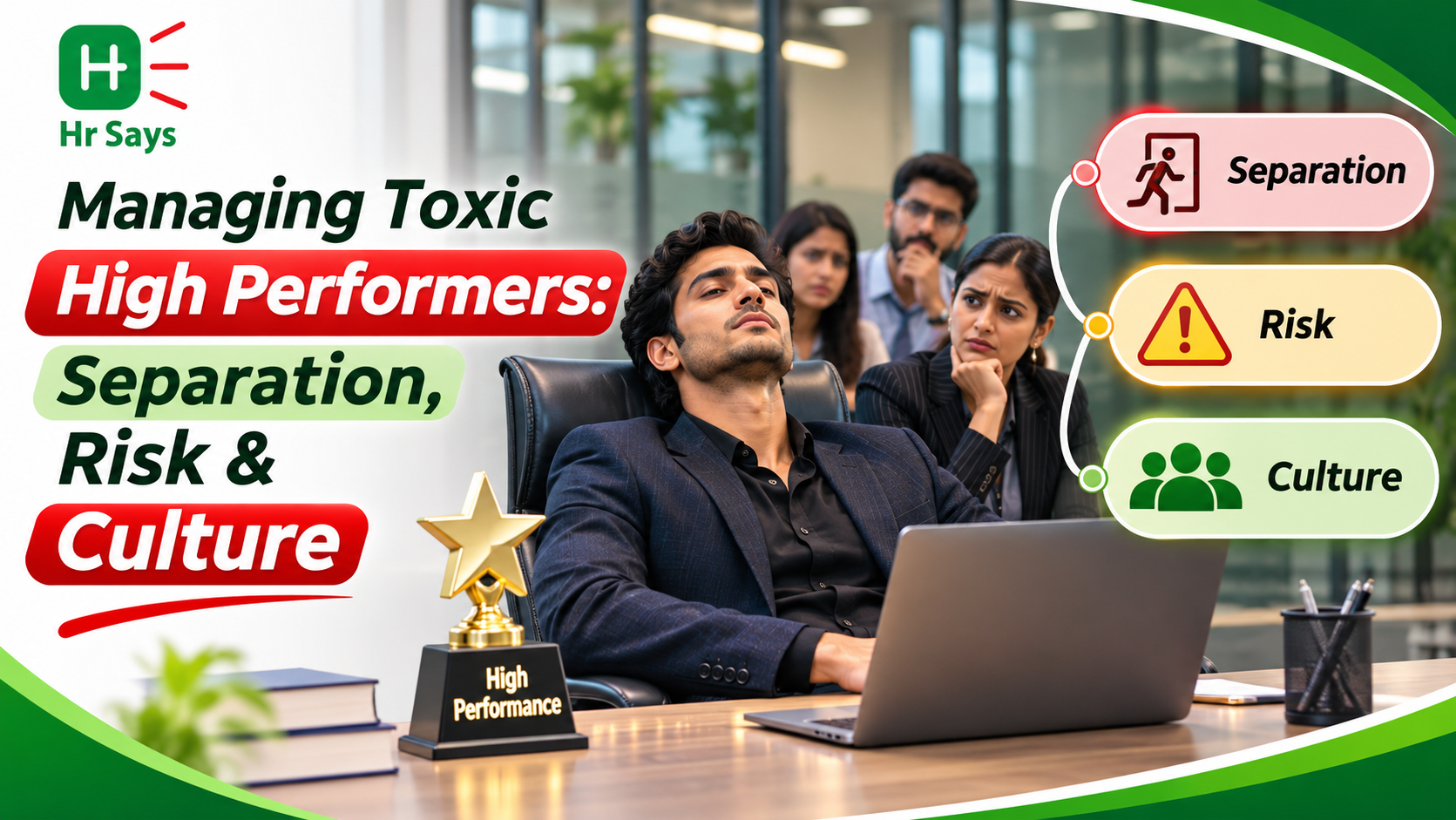
Managing Toxic High Performers: Separation, Risk & CultureNovember 14, 2026
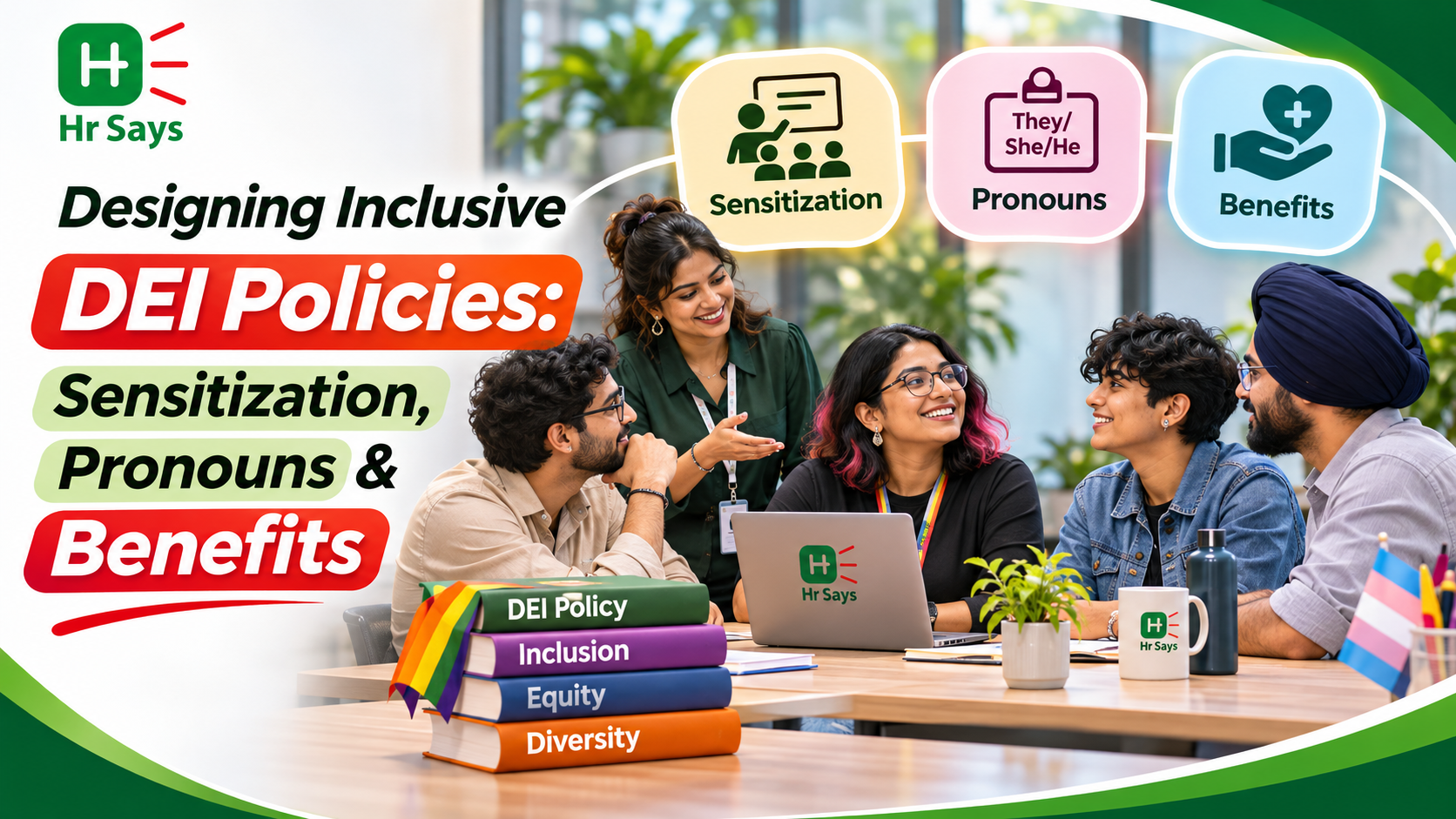
Designing Inclusive DEI Policies: Sensitization, Pronouns & BenefitsNovember 14, 2026
Auditing Employee BGV: Discrepancies, Ghost Experience & Fake CredentialsNovember 14, 2026
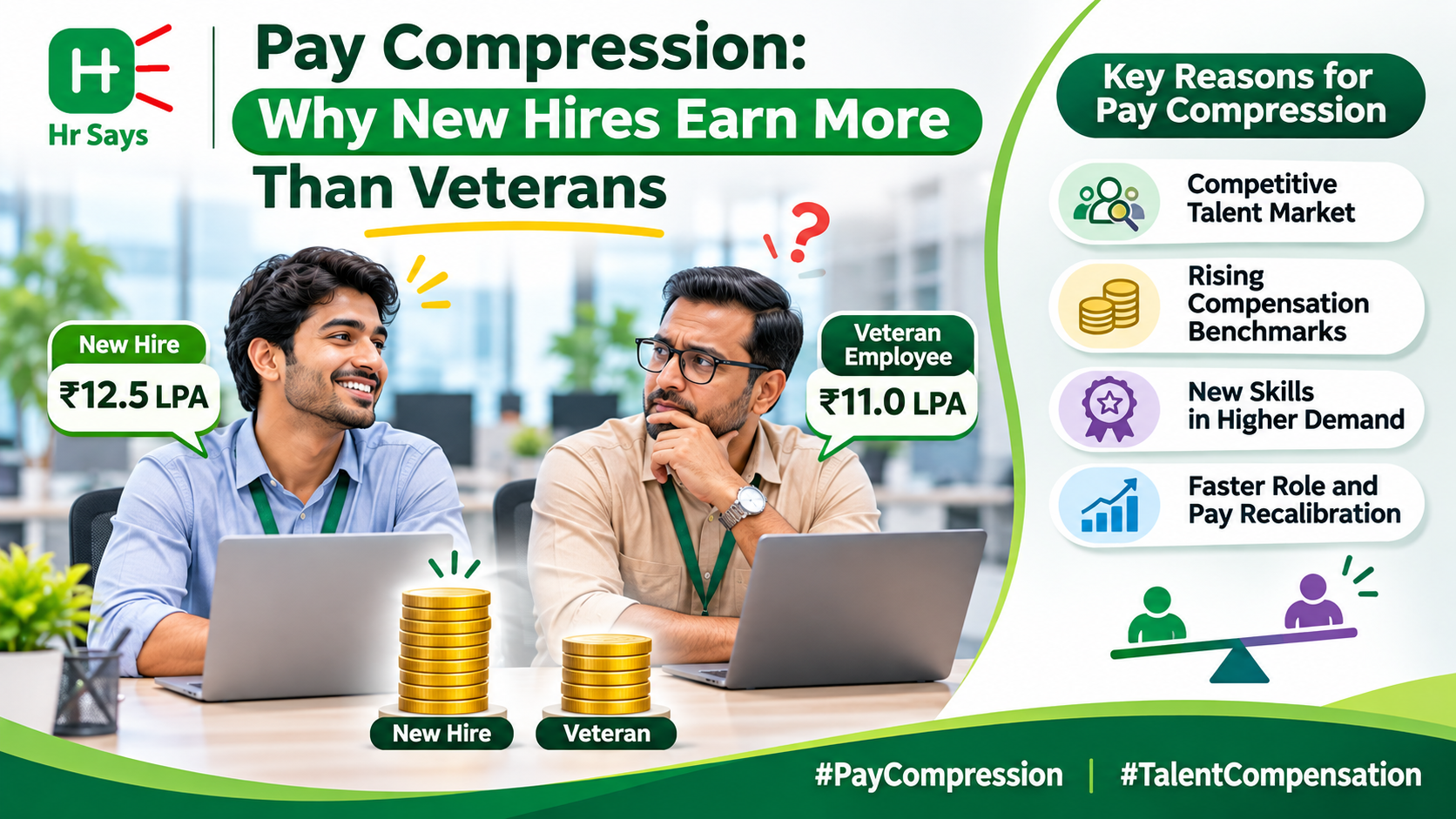
Pay Compression: Why New Hires Earn More Than VeteransNovember 13, 2026
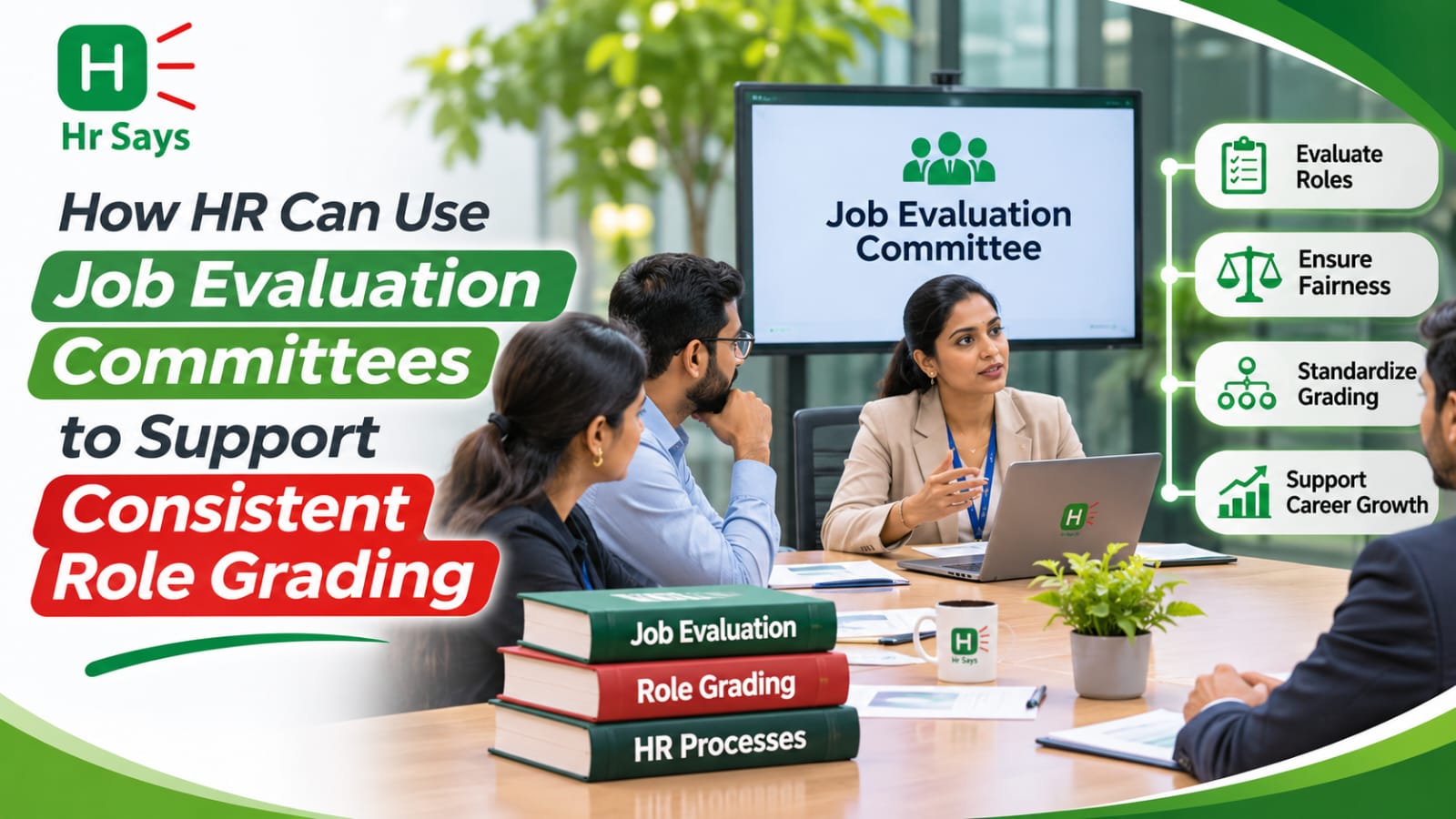
How HR Can Use Job Evaluation Committees to Support Consistent Role GradingNovember 13, 2026
Workforce Segmentation: Identify Different Employee NeedsNovember 12, 2026
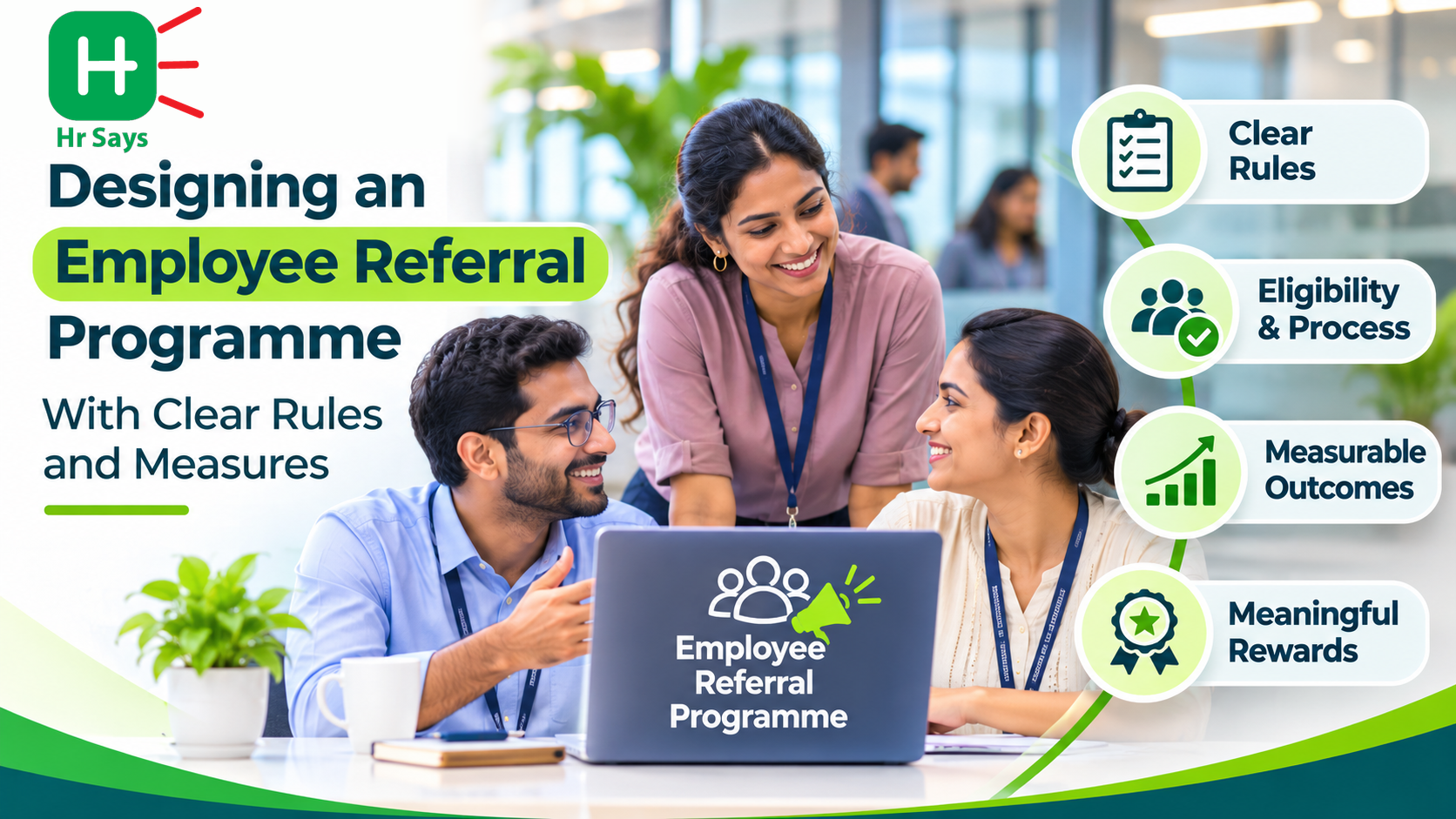
Designing an Employee Referral Programme With Clear Rules and MeasuresNovember 12, 2026
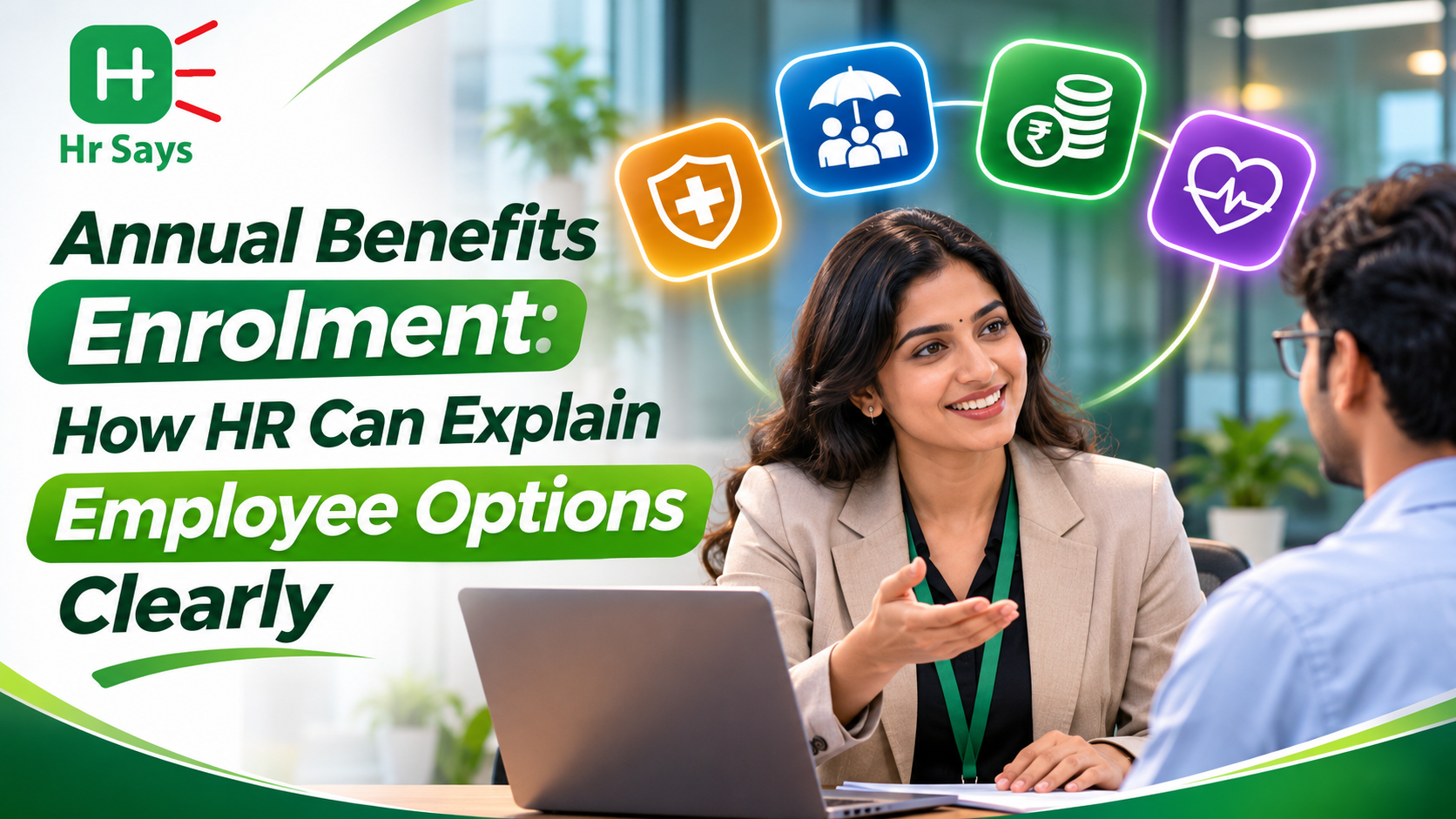
Annual Benefits Enrolment: How HR Can Explain Employee Options ClearlyNovember 11, 2026
How to Build a Skills Inventory Across Your OrganisationNovember 11, 2026
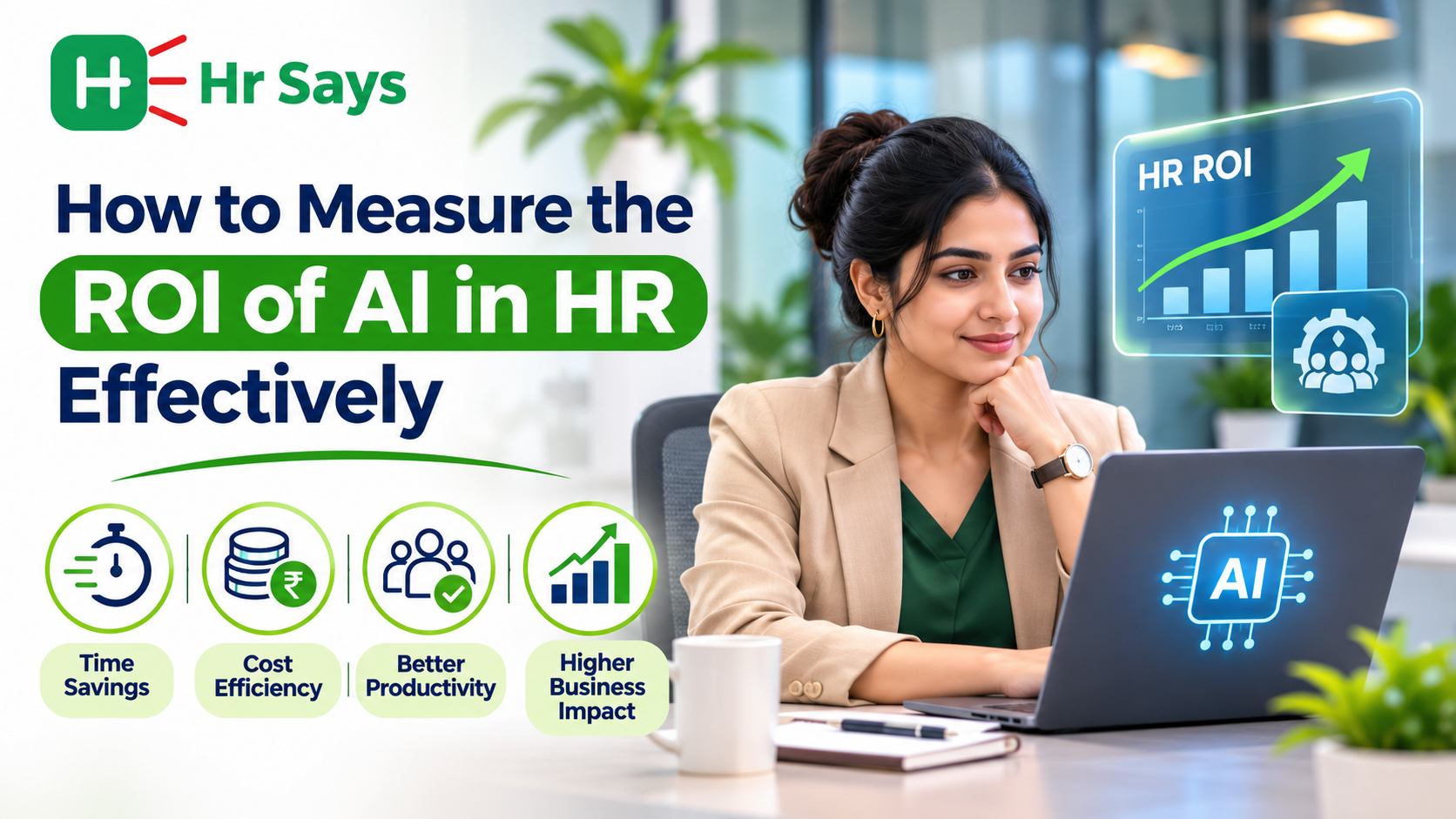
How to Measure the ROI of AI in HR EffectivelyNovember 10, 2026
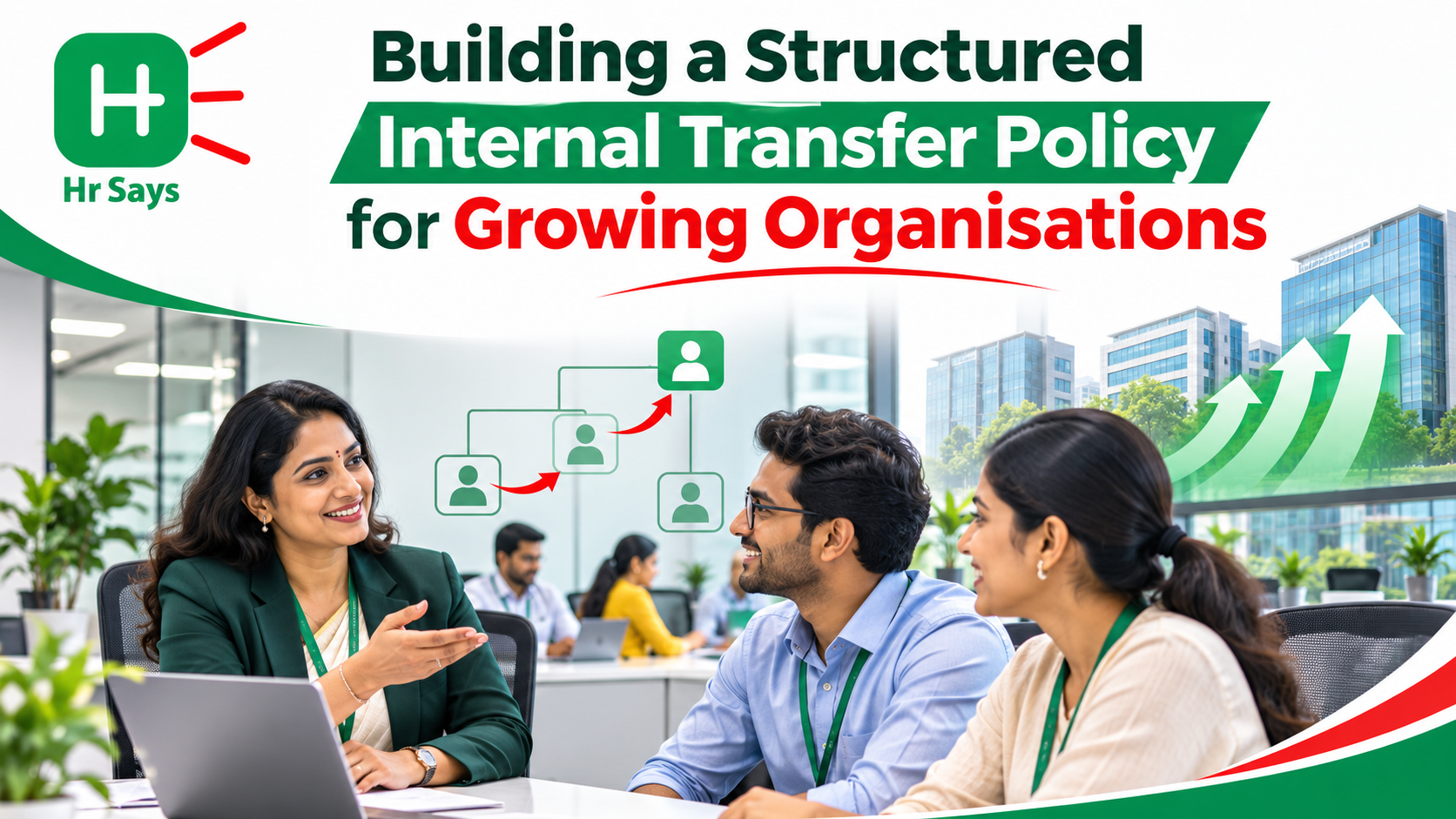
Building a Structured Internal Transfer Policy for Growing OrganisationsNovember 10, 2026
Sales Incentive Compensation Plan: A Complete GuideNovember 06, 2026
Employee Relocation Support: What HR Should Plan for Multi-Location MovesNovember 06, 2026
What Is Skills-Based Workforce Planning?November 05, 2026