 Sunday, September 20, 2026
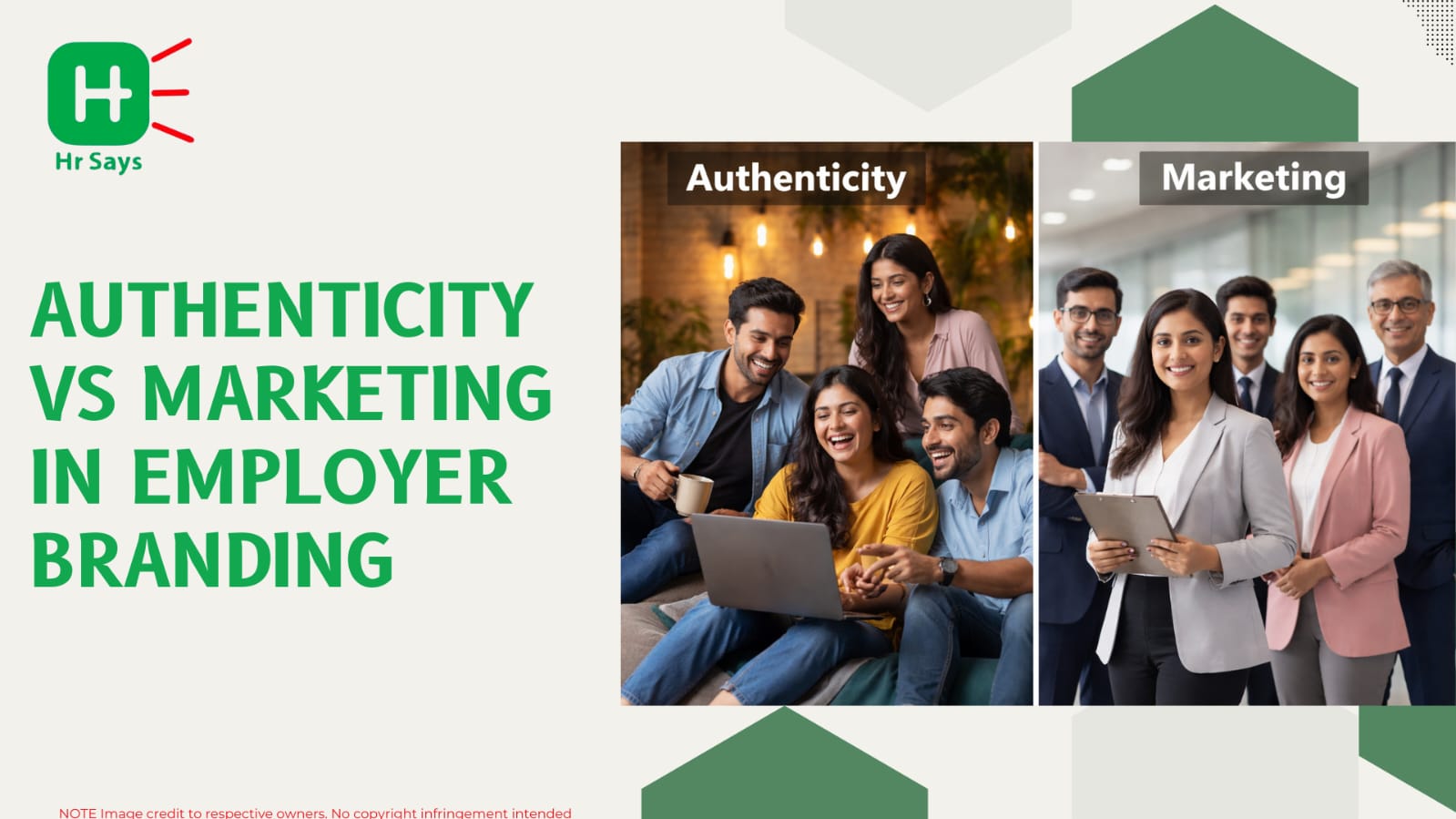
 Employer branding today exists between authenticity and marketing strategy. Organizations that align internal culture with external messaging tend to build stronger trust. When branding reflects real employee experiences, recruitment credibility improves and long term employer reputation becomes more sustainable.




Employer branding has emerged as one of the determining aspects of attraction and retention of talent at an organizational level. Those who are seeking jobs are no longer focusing on payments or positions. They are witnessing culture, transparency, and values. The question that silently informs most of the decisions in the modern world is simple: is it a real brand message, or clever advertising?
Why Authenticity Matters More Than Ever
The contemporary work place has changed. It has become simple nowadays as employees cannot hold back on platforms such as LinkedIn, Glassdoor, and professional forums among others to share their experiences. Due to this transparency, employer branding cannot be established using refined campaigns.
When an organization boasts of flexibility, diversity or work life balance, it is assessed silently by the employees and job seekers. When the message is not reflected in the lived experience, the credibility is easily lost.
Authenticity in employer branding is usually recognized through small but consistent signals.
What Authentic Employer Branding Looks Like
Authenticity is often reflected in everyday practices rather than large campaigns.
Key indicators usually include:
● Clear and honest communication about company culture
● Real employee voices instead of scripted brand messaging
● Transparency about challenges within the organization
● Consistency between leadership values and workplace policies
● A realistic portrayal of work environment and expectations
When these elements are present, employer branding begins to feel credible rather than promotional.
Another important element is storytelling. Genuine employee stories, shared naturally, tend to build more trust than carefully crafted marketing narratives. Candidates often look for signals of honesty rather than perfection.
When Marketing Starts To Overpower Reality
Marketing is not inherently negative. In fact, it plays an essential role in communicating company values and attracting potential candidates. However, problems begin when branding becomes disconnected from internal reality.
Sometimes organizations highlight attractive benefits or culture statements that exist only on career pages. The gap between message and experience then becomes visible through employee reviews and informal conversations.
This disconnect can create several challenges.
Common Risks Of Over Marketing Employer Brand
When branding becomes purely promotional, certain patterns often appear:
● Career pages presenting an idealized workplace culture
● Employee testimonials that feel overly scripted
● Emphasis on perks instead of meaningful workplace policies
● Recruitment campaigns that promise growth but offer limited development opportunities
● A mismatch between leadership messaging and employee feedback
Over time, these gaps may weaken employer reputation. Recruitment may become harder, and retention challenges may grow quietly inside the organization.
Finding The Balance Between Authenticity And Promotion
Employer branding does require communication, visibility, and strategic storytelling. Marketing therefore remains important. The challenge lies in maintaining alignment between message and reality.
A balanced approach is often built through collaboration between HR, leadership, and marketing teams.
Practical steps that support this balance include:
● Encouraging employees to share unscripted experiences
● Regularly reviewing employee feedback from surveys and platforms
● Aligning internal culture initiatives with external branding messages
● Highlighting growth opportunities and challenges honestly
● Prioritizing workplace improvements before launching branding campaigns
When branding reflects genuine organizational values, the message tends to sustain itself over time. Trust develops gradually, and reputation grows through consistent employee experiences.
Conclusion
Employer branding is no longer shaped only by marketing teams. It is influenced by employees, candidates, and everyday workplace realities. When authenticity guides the narrative, trust is built naturally. When marketing dominates without substance, credibility begins to weaken. The strongest employer brands are usually those that allow reality to speak alongside promotion.