Saturday, October 24, 2026
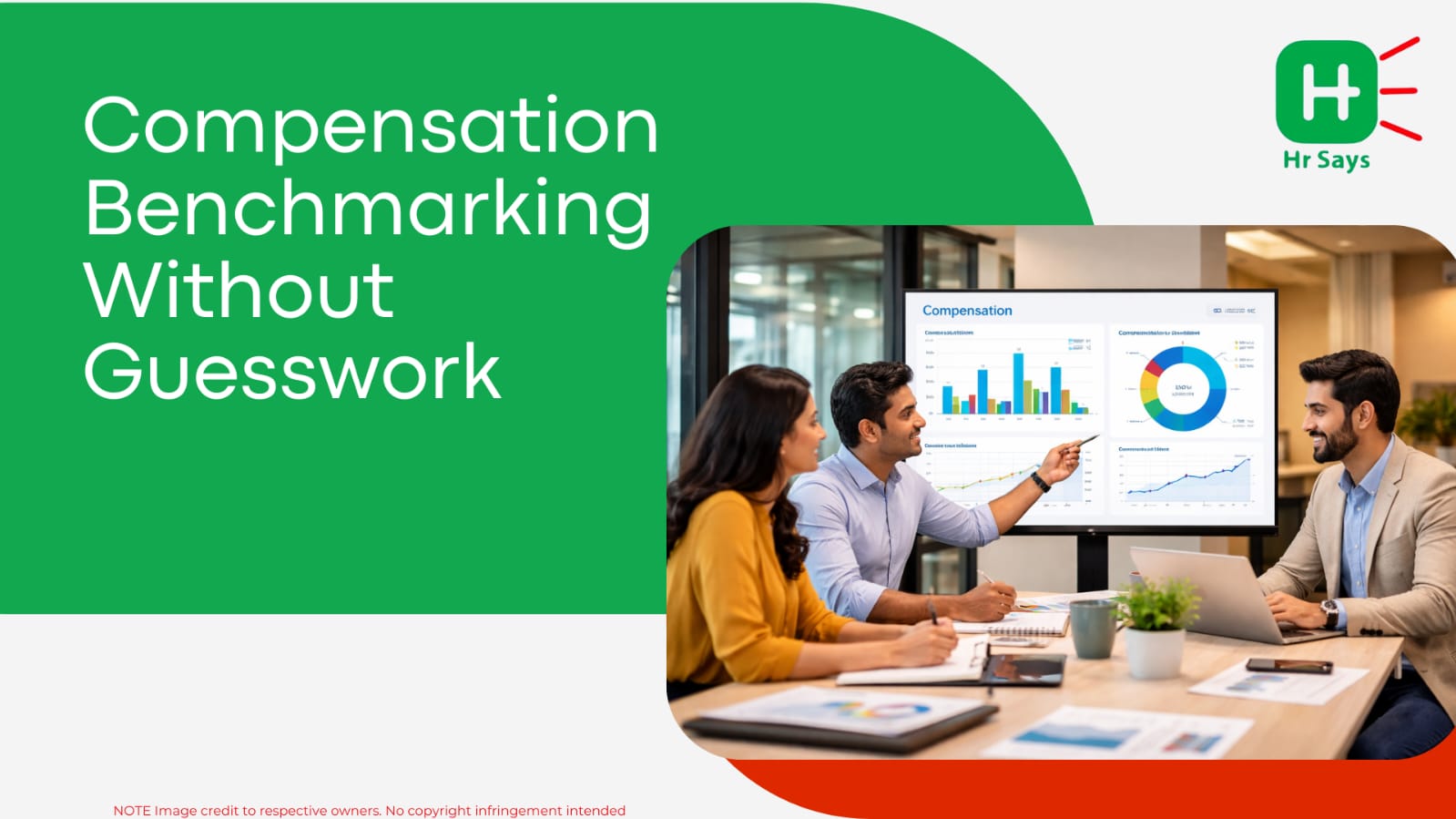
 Compensation benchmarking replaces guesswork with structured data, clear job architecture, and balanced pay strategies. When market insights and internal equity are aligned, organizations remain competitive, compliant, and sustainable in a rapidly evolving talent landscape.




Payments are influencing culture, retention, and long term development. However, there are a lot of organizations that continue working based on assumptions or old data. Trust is secretly compromised when the salaries are misaligned. Compensation benchmarking strategy is a structured way of remaining competitive, fair and financially sustainable without taking an unwarranted risk.
Why Compensation Benchmarking Can No Longer Be Avoided
The laws governing pay transparency are growing. Remote work and worldwide hiring are modifying the anticipations in salary. The employees that are skilled now can compare offer across border minute. Compensation benchmarking is no longer a choice in such an environment.
Some tend to believe that benchmarking is nothing more than emulating rival remunerations. As a matter of fact, it is a data-lead process and a combination of salary benchmarking tools, industry report, and internal analytics. Data on market salary is researched attentively. Role based pay scales are arranged. Compensation strategy is also in line with the long term business expectations.
When benchmarking is ignored, several issues are usually observed:
● Pay gaps widen unintentionally
● Employee retention weakens
● Hiring costs increase
● Employer branding is affected
A thoughtful compensation benchmarking process ensures that salary structures are defensible, equitable, and performance aligned. It reduces guesswork. It protects both the company and its workforce.
Building A Practical Compensation Benchmarking Framework
A clear framework is required before numbers are compared. Without structure, even accurate data can be misused.
Defining Role Clarity And Job Architecture
Before salary comparison begins, job roles must be clearly defined. Titles alone should not be benchmarked. Responsibilities, required skills, reporting structures, and performance expectations must be documented.
A standardized job architecture allows:
● Clear salary bands
● Consistent internal equity
● Better workforce planning
When role definitions are unclear, compensation benchmarking becomes distorted. Internal fairness may be compromised.
Using Reliable Market Salary Data
Compensation benchmarking software and salary survey platforms are widely available. However, not all data sources are equal. Industry specific surveys, geographic adjustments, and company size comparisons should be considered.
It is recommended that:
● Data be sourced from multiple verified platforms
● Geographic cost of living adjustments be applied
● Remote work pay models be evaluated carefully
Market trends such as pay transparency regulations and skills based pay are reshaping compensation strategy. These shifts must be incorporated into benchmarking analysis.
Balancing Internal Equity And External Competitiveness
An overemphasis on market rates can create internal imbalance. On the other hand, focusing only on internal structures may lead to uncompetitive offers.
A balanced approach is often preferred:
● External market median is used as a reference point
● Performance based increments are layered within bands
● Pay equity audits are conducted periodically
Compensation benchmarking should support business sustainability. It should not be driven by short term hiring pressure alone.
Turning Benchmarking Insights Into Action
Data without execution provides limited value. Once salary bands are defined, transparent communication should be encouraged. Compensation philosophy should be documented. Managers should be trained to discuss pay confidently.
Regular review cycles are essential. Market salary data changes quickly, especially in technology, healthcare, and digital marketing roles. Benchmarking should be treated as an ongoing process rather than a one time exercise.
When done thoughtfully, compensation benchmarking builds credibility. Trust is strengthened. Talent strategy becomes sharper. And decisions are guided by evidence instead of assumptions.