 Tuesday, November 17, 2026
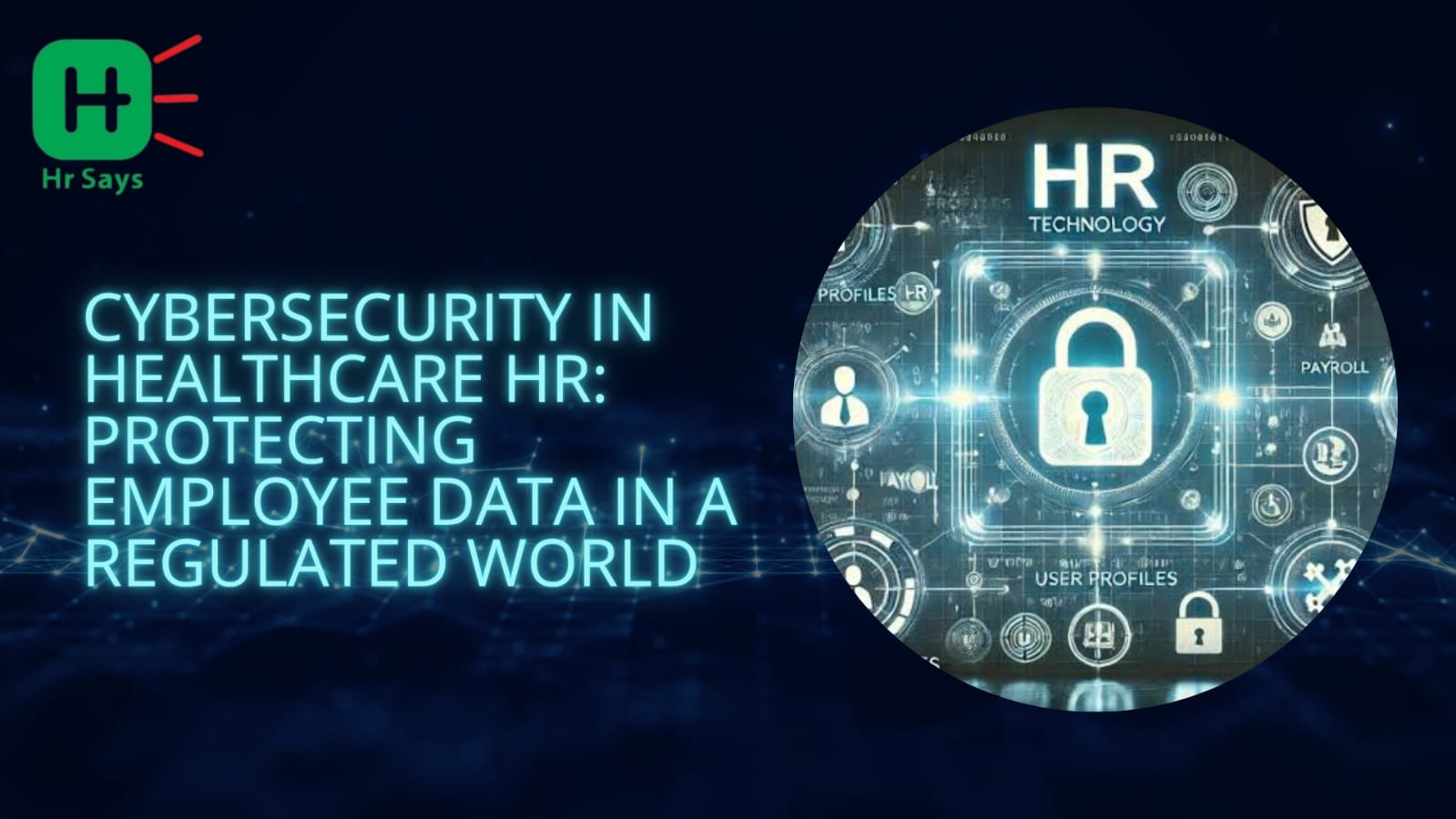
 As digital transformation reshapes healthcare, HR systems are not spared. Employee data sits at the intersection of privacy and regulation. Its protection is no longer optional—it’s critical. But can systems keep up with the rising digital tide?





What happens when the very system meant to save lives becomes a target? Healthcare is evolving fast. HR is going digital. But with convenience comes vulnerability. In this data-rich, cloud-first world, employee privacy is under pressure.
Digital HR Meets a Vulnerable Ecosystem
Hospitals are not just saving patients anymore. They are managing vast employee databases:
● Personal IDs
● Bank details
● Health histories
● Work patterns
All stored, all shared—often through SaaS in healthcare systems.
Most of it lives in the cloud. It’s automated. Fast. Seamless. But not always secure.
Interoperability in healthcare—a good thing—makes systems talk to each other. But it also opens more doors for cyber threats.
Threats Lurking in the Cloud
The more connected the system, the more cracks it shows.
Common vulnerabilities include:
● Weak or outdated EHR integration
● Lack of encryption in healthcare automation tools
● Over-reliance on medical software without proper audits
● Ignored security patches in healthcare cloud solutions
A forgotten login can become a breach. A minor bug can become a massive leak.
Where HR Comes In
Healthcare HR teams manage more than schedules and payrolls. They’re gatekeepers of
employee identity in a regulated world.
Tasks now often depend on:
● AI in healthcare for resume screening
● Healthcare data analytics to study workforce performance
● Apps that track staff movements within hospitals
These tools run silently in the background. Until they don’t.
A breach in an HR system doesn’t just hurt staff. It weakens trust. It costs millions. And in some
cases, it breaks laws.
The Regulatory Web Is Tightening
GDPR in the EU. HIPAA in the US. Local health data laws in GCC nations.
All say one thing loud and clear: Protect employee data. Or face the consequences.
What’s Needed Now
Protection isn’t a plugin. It’s a mindset.
To stay secure, healthcare HR systems must:
● Invest in cybersecurity in healthcare SaaS platforms
● Enable two-factor authentication for all staff logins
● Audit digital tools and third-party integrations
● Train HR teams on digital transformation in hospitals
● Limit access to sensitive HR dashboards
Not everything should be automated. Some things require human judgment. And strong digital
hygiene.
Conclusion
Cybersecurity in healthcare HR is no longer in the background. It’s at the front lines of trust and safety.
Automation is here. Interoperability is growing. But so is risk.
Security must not be assumed. It must be proven—daily, digitally, and deliberately.
The healthcare system protects others. Now, it must learn to protect its own.