Thursday, October 01, 2026
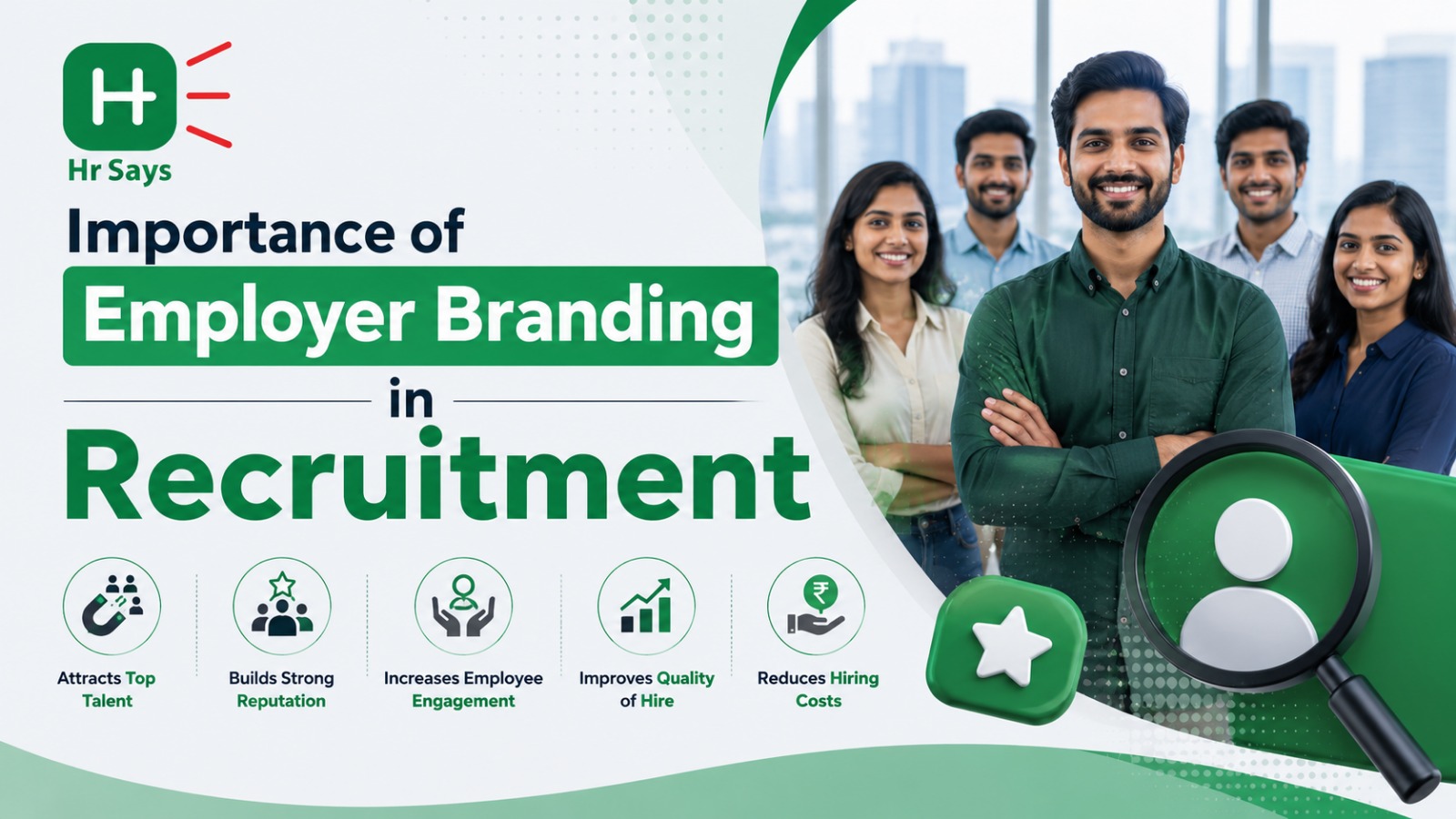
 Strong recruitment branding and authentic workplace culture help businesses attract aligned talent, improve retention, and strengthen long-term organizational trust. Modern hr branding and employee-focused communication strategies are becoming essential for sustainable recruitment success and future workforce adaptability.





In today’s hiring landscape, salary alone is no longer enough to attract skilled talent. Candidates now research company culture, employee experiences, leadership reputation, and workplace values before applying. This shift has made employer branding one of the most influential factors in recruitment. Businesses that fail to build trust and visibility often struggle with talent retention, hiring quality, and long-term growth. A strong recruitment branding approach not only attracts better candidates but also shapes how people emotionally connect with a company before the interview process even begins.
Understanding Employer Branding Beyond Recruitment Marketing
Many organizations still confuse employer branding with job advertising or social media promotion. In reality, employer branding is much deeper. It represents how employees, candidates, and even customers perceive a company as a workplace.
This perception develops through every interaction people have with the business. A candidate may never apply to a company because of negative employee reviews, unclear communication, or inconsistent hiring experiences. On the other hand, businesses with a clear employer branding strategy often attract applicants even without active hiring campaigns.
The reason this happens is psychological as much as professional. People want stability, respect, growth, and identity in the workplace. Modern employees increasingly look for environments where they feel aligned with company values rather than simply earning a paycheck.
This trend has become more visible globally due to remote work culture and digital transparency. Employees now openly discuss workplace experiences on professional platforms, review websites, and social communities. As a result, hr branding directly influences public perception.
An effective employer brand therefore acts as a long-term reputation system. It affects not only recruitment outcomes but also employee loyalty, leadership credibility, and overall business trust.
Why Recruitment Branding Influences Candidate Decisions So Strongly
A candidate’s decision-making process begins much earlier than the application stage. Most professionals now spend time researching companies before even considering a role. This is where recruitment branding becomes critical.
People often compare organizations in the same way consumers compare products. They observe how companies present themselves online, how employees speak about their experiences, and how transparent the hiring process feels. Even small details shape perception.
For example, two companies may offer similar salaries and roles, but candidates are more likely to choose the one that communicates growth opportunities clearly and demonstrates a healthy work culture. This happens because employer perception reduces uncertainty.
Several real-world patterns explain why this matters:
- Candidates trust employee experiences more than company advertisements
People naturally believe real stories from employees over polished promotional campaigns. Reviews, employee testimonials, and workplace discussions create a stronger emotional impact because they feel authentic and relatable. - Poor hiring communication damages long-term brand trust
Delayed responses, unclear interviews, or impersonal hiring systems often leave negative impressions. Even rejected candidates remember these experiences and may avoid future opportunities with the company. - Visible workplace culture creates emotional connection before hiring
Organizations that share real workplace experiences, team achievements, or learning environments create familiarity. This helps candidates imagine themselves inside the organization before formally applying.
A well-developed recruitment branding strategy therefore reduces hiring friction and improves talent quality over time.
How Employer Branding Strategy Shapes Long-Term Business Growth
An effective employer branding strategy influences much more than recruitment metrics. It directly affects organizational stability and long-term growth.
When businesses consistently attract aligned talent, internal performance improves naturally. Employees who connect with company values tend to stay longer, collaborate better, and contribute more meaningfully. This reduces turnover costs and strengthens internal culture.
The process works like a cycle. Strong employer branding attracts better candidates. Better candidates improve workplace culture. Positive culture strengthens external perception, which then attracts even stronger talent.
Companies that ignore this cycle often experience hiring instability. They may frequently recruit employees who leave quickly because expectations and workplace realities do not match.
This issue is particularly common in rapidly growing industries where companies prioritize aggressive hiring without building internal identity. Over time, this creates fragmented culture and weak employee trust.
A strong employee branding strategy prevents this disconnect by ensuring that the company’s external message matches the internal experience.
Businesses increasingly invest in specialized support from an employer branding agency because building authentic employer identity requires long-term consistency. These agencies help organizations define voice, culture communication, and candidate experience more strategically.
However, the most effective branding still comes from genuine workplace practices rather than marketing alone.
The Hidden Relationship Between HR Branding and Employee Retention
One of the biggest misconceptions in hiring is that employer branding only affects attraction. In reality, hr branding strongly influences retention.
Employees continuously evaluate whether the company experience matches the promises made during recruitment. When expectations differ from reality, dissatisfaction grows quickly.
For example, if a company promotes flexibility publicly but internally maintains rigid management systems, employees begin losing trust. This mismatch damages morale and eventually increases attrition.
Retention improves when branding feels believable because employees develop emotional security. They feel the organization represents them honestly.
Several workplace behaviors contribute to stronger retention:
- Transparent leadership communication builds long-term trust
Employees remain more engaged when leadership explains decisions openly. Honest communication reduces uncertainty during organizational changes or stressful periods. - Internal recognition strengthens employee identity
Appreciation systems, growth opportunities, and learning environments make employees feel valued. This reinforces the company’s internal brand naturally. - Consistent culture across departments improves stability
Employees often leave organizations when team experiences vary drastically. Consistency creates predictability and trust within workplace systems.
This is why successful companies treat employee branding strategy as an internal culture process rather than only an external marketing activity.
How Employer Branding Behaves Differently Across Industries and Audiences
Employer branding does not work the same way for every industry or audience. The expectations of students, experienced professionals, freelancers, and leadership candidates vary significantly.
For students and early-career professionals, learning opportunities and workplace flexibility are often more important than salary alone. They look for mentorship, modern work environments, and future growth.
Experienced professionals, however, tend to prioritize leadership quality, organizational stability, and career progression. Entrepreneurs and business owners often evaluate employer branding from a partnership and reputation perspective rather than only employment.
Industry environment also changes branding expectations. Technology companies may focus heavily on innovation and remote flexibility, while healthcare organizations may emphasize trust and employee well-being.
Global workplace trends further influence these patterns. Remote work has increased candidate access to international opportunities, making workplace identity even more competitive.
This is why modern strategie employer branding approaches focus on audience-specific communication rather than one universal message.
The Real Challenges Companies Face While Building Employer Branding
Building employer branding sounds straightforward in theory but becomes difficult in practice because perception cannot be controlled completely.
One major challenge is inconsistency. Companies often market one workplace image externally while employees experience something entirely different internally.
Another challenge comes from leadership behavior. Employees observe how managers communicate during stressful situations. If leadership lacks transparency, branding efforts lose credibility quickly.
Digital visibility has also increased accountability. Negative employee experiences now spread rapidly online, influencing future hiring outcomes.
Smaller businesses face different challenges. Many lack dedicated branding teams or structured hiring systems. This often creates fragmented communication and inconsistent candidate experiences.
Working with an employee branding agency may help organizations improve strategy, but external support cannot replace genuine cultural improvement.
The strongest employer brands are usually built slowly through daily workplace behavior rather than short-term campaigns.
Why Employer Branding Is Becoming More Important in Future Recruitment Trends
The future of recruitment is shifting toward relationship-driven hiring rather than transactional hiring.
Candidates increasingly want workplaces that align with their identity, values, and lifestyle goals. Younger generations especially prioritize flexibility, mental well-being, and meaningful work environments.
Artificial intelligence and automation are also changing hiring processes. As technology handles more operational tasks, human workplace experience becomes a bigger differentiator.
This means companies can no longer rely only on salary packages or job titles to remain competitive.
Future-focused organizations are therefore investing more deeply in:
- workplace transparency
- employee storytelling
- leadership visibility
- flexible work culture
- authentic communication systems
These factors collectively strengthen recruitment branding and improve long-term talent sustainability.
Organizations that adapt early are more likely to maintain hiring strength as workforce expectations continue evolving globally.
Conclusion
The importance of employer branding in recruitment extends far beyond attracting applicants. It shapes trust, workplace identity, employee retention, and long-term business growth. In modern hiring environments, candidates evaluate organizations with the same depth that businesses evaluate candidates.
A thoughtful employer branding strategy helps companies create authentic connections with talent while improving internal culture consistency. As workplace expectations continue changing, businesses that invest in genuine, transparent, and human-centered branding will remain more adaptable, credible, and competitive in future recruitment landscapes.
Frequently Asked Questions (FAQs)
1. Why is employer branding becoming more important in modern recruitment?Modern hiring has become more candidate-driven, which makes employer branding a major factor in attracting quality talent. People now research workplace culture, leadership behavior, and employee experiences before applying. Strong hr branding helps organizations build trust early and improves long-term recruitment outcomes.
2. How does recruitment branding affect candidate quality?Recruitment branding influences the type of candidates a company attracts. Organizations with clear values and transparent communication often attract professionals who align better with company culture. This improves hiring quality and supports stronger employee engagement patterns over time.
3. What makes an employer branding strategy successful?A successful employer branding strategy is built on consistency between what a company promotes and what employees actually experience. Authentic communication, positive workplace culture, and transparent leadership are important talent attraction factors that strengthen employer reputation naturally.
4. Can small businesses benefit from employer branding too?Yes, small businesses often benefit significantly from recruitment branding strategies because strong workplace identity helps them compete with larger organizations. Even without large budgets, companies can improve perception through better communication, employee experiences, and consistent workplace culture positioning.
5. What is the difference between HR branding and recruitment branding?Hr branding focuses on overall workplace identity and employee experience, while recruitment branding mainly targets hiring perception and candidate attraction. Both are connected because strong internal culture improves external employer visibility and strengthens candidate trust signals.
6. How do employees influence employer branding naturally?Employees shape employee branding strategy through workplace reviews, social media interactions, and everyday communication. Positive employee experiences often create stronger credibility than advertisements because people trust authentic workplace stories and organizational reputation patterns.
7. Why do candidates research companies before applying now?Candidates research organizations because modern work expectations have changed. People want career growth, flexibility, and healthy environments rather than only salary. Strong strategie employer branding helps businesses communicate these values clearly and improve candidate decision behavior.
8. Should companies work with an employer branding agency?An employer branding agency can help businesses improve messaging, hiring communication, and workplace positioning. However, agencies work best when the internal culture already supports employee trust and transparency. External branding alone cannot replace strong employee experience systems.
9. How does employer branding improve employee retention?Strong employee branding strategy improves retention by creating alignment between employee expectations and actual workplace experience. When communication remains transparent and culture feels consistent, employees develop stronger loyalty and better workplace trust relationships.
10. What future trends are shaping employer branding globally?Remote work, digital hiring, and workplace transparency are changing how organizations approach employer branding. Companies are focusing more on flexibility, mental well-being, and authentic communication because modern professionals value meaningful work environments and stronger human-centered recruitment trends.