Thursday, October 01, 2026
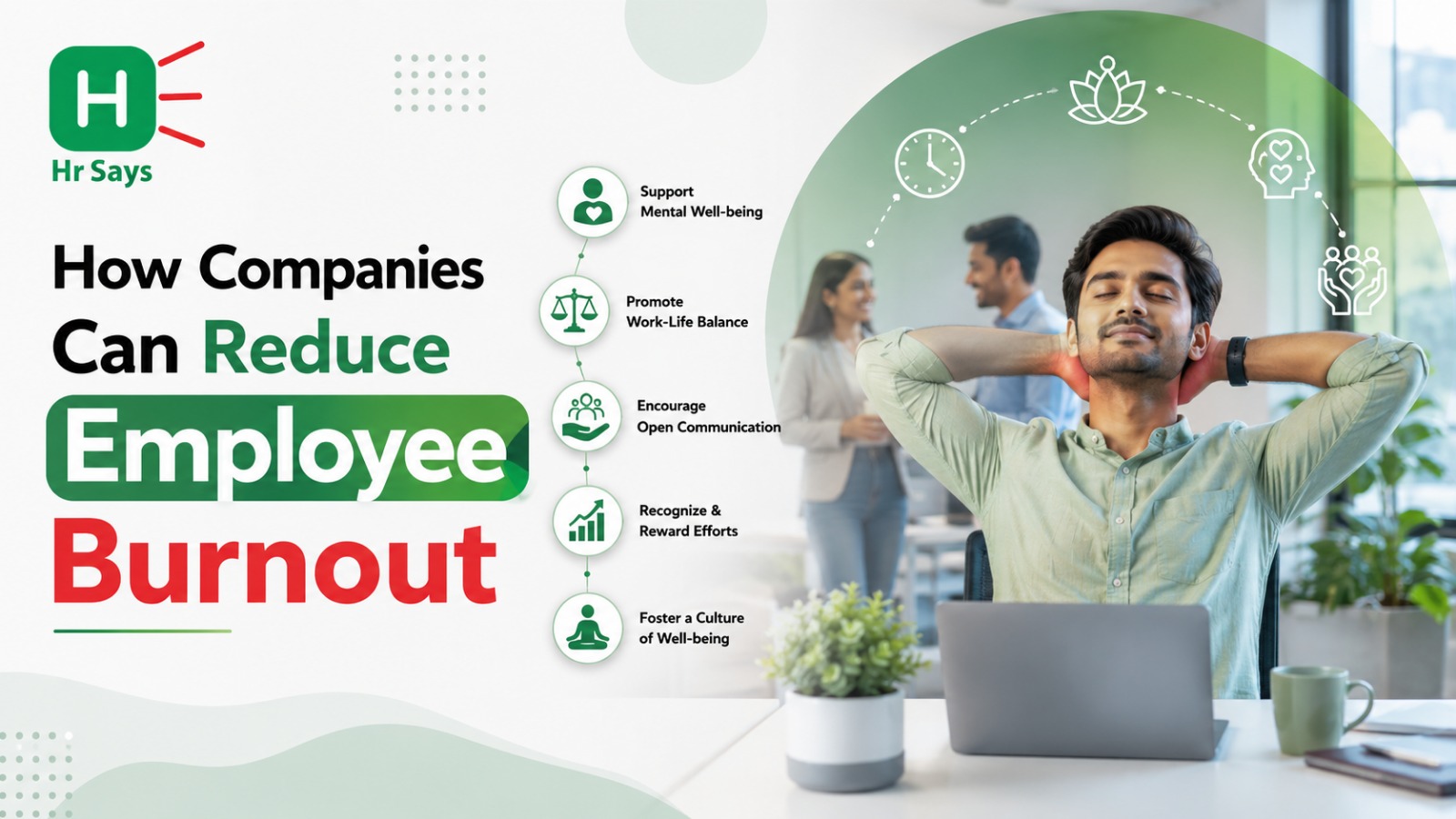
 Understanding employee burnout requires looking beyond workload and examining how workplace systems, leadership styles, and communication patterns affect long-term mental well-being. Organizations focused on preventing employee burnout through healthier culture, engagement, and sustainable work practices create stronger, more resilient teams.





Modern workplaces are more connected, faster, and more demanding than ever before. While technology and flexible work models have improved efficiency, they have also blurred the boundaries between work and personal life. As a result, employee burnout has become one of the most common workplace challenges across industries. Companies are now realizing that burnout is not simply about employees feeling tired. It affects decision-making, creativity, engagement, and long-term business performance. Understanding why worker burnout happens and how organizations can reduce it has become essential for sustainable growth.
Why Employee Burnout Has Become a Modern Workplace Problem
Many organizations still treat burnout as an individual issue instead of a workplace system issue. In reality, burnout often develops gradually through repeated stress patterns, unclear expectations, and work environments that demand constant performance without adequate recovery.
The rise of remote work and always-available communication has changed how people interact with their jobs. Employees now receive messages outside work hours, attend back-to-back virtual meetings, and struggle to mentally disconnect. Over time, this creates emotional exhaustion and leads to burnt out employees who continue working while feeling mentally detached.
Different industries experience burnout differently. In technology and corporate environments, burnout often comes from unrealistic deadlines and digital overload. In healthcare, stress and burnout in healthcare workers are strongly linked to emotional pressure, long shifts, and decision fatigue. In creative industries, constant performance expectations and unstable schedules contribute heavily to staff burnout.
Burnout also behaves differently across personalities. Highly motivated employees may ignore early warning signs because they associate overworking with ambition. Introverted workers may internalize stress quietly, while managers often experience hidden exhaustion due to leadership pressure. This is why understanding the deeper causes matters more than simply encouraging employees to “take breaks.”
The Early Signs Companies Often Ignore
One of the biggest reasons burnout becomes severe is because organizations fail to recognize the early indicators. Burnout rarely appears suddenly. It develops through small behavioral and emotional changes that gradually affect performance and well-being.
A common misconception is that burnout only affects underperforming employees. In reality, many high-performing individuals experience employee burn out while continuing to meet deadlines and responsibilities. Their productivity may remain stable temporarily, but their emotional connection to work slowly declines.
Common Warning Signs That Point Toward Burnout- Employees become emotionally disconnected from work and communication
Workers who were once engaged may stop participating actively in meetings, avoid collaboration, or show reduced enthusiasm. This change often gets mistaken for laziness, when it is actually emotional exhaustion developing over time. - Productivity becomes inconsistent despite long working hours
Many burnout workers continue working late but struggle to maintain focus and creativity. The issue is not lack of effort. It is the brain operating under continuous stress without proper recovery. - Small workplace challenges begin triggering stronger reactions
Burnout reduces emotional resilience. Minor delays, feedback, or communication problems may suddenly feel overwhelming to employees who are already mentally exhausted. - Employees lose motivation toward growth or long-term planning
Burnout often shifts people into survival mode. Instead of thinking about innovation or future goals, they focus only on completing immediate tasks and avoiding additional pressure.
Recognizing these signs early helps organizations intervene before the problem becomes deeply rooted in workplace culture.
How Workplace Systems Contribute to Burnout
Burnout is rarely caused by workload alone. The structure of the workplace itself often creates the conditions that lead to exhaustion. This includes unclear expectations, lack of control, constant urgency, and environments where employees feel unsupported.
One major contributor to work place burnout is unpredictability. Employees can handle demanding work more effectively when expectations are clear and priorities remain stable. However, when goals constantly shift or communication becomes inconsistent, stress increases significantly.
Another overlooked factor is the absence of recovery time. Many companies unintentionally reward overworking by praising employees who are constantly available. Over time, this normalizes unhealthy work habits and encourages staff burn out across teams.
Leadership style also plays an important role. Micromanagement creates pressure because employees feel constantly monitored, while poor communication creates uncertainty. In both situations, workers lose psychological safety, which increases emotional fatigue.
Organizations that successfully reduce burnout usually focus less on motivational slogans and more on structural improvements. They create systems where employees can perform consistently without sacrificing mental well-being.
Why Employee Engagement and Burnout Are Closely Connected
Many companies treat engagement and burnout as separate topics, but they are deeply connected. Employees who feel valued, supported, and involved in meaningful work are less likely to experience severe burnout.
However, engagement does not simply mean offering perks or entertainment. Genuine employee engagement and burnout management requires employees to feel that their work has purpose and that their efforts are recognized fairly.
People are more resilient during stressful periods when they trust leadership and understand how their work contributes to larger goals. Problems arise when employees feel replaceable or disconnected from decision-making processes.
Workplace Practices That Improve Engagement and Reduce Burnout- Giving employees greater control over how work is completed
Flexibility in schedules, communication styles, or task management helps employees feel trusted. This sense of autonomy reduces emotional exhaustion and supports healthier work habits. - Creating realistic performance expectations across teams
Burnout often develops when high performance becomes permanently expected without periods of recovery. Sustainable productivity depends on balancing ambition with practical limits. - Encouraging meaningful conversations instead of constant monitoring
Employees respond better to supportive communication than excessive supervision. Honest discussions about workload and mental pressure improve trust within teams. - Recognizing effort consistently, not only outcomes
Employees who feel appreciated are more likely to stay emotionally connected to their work. Recognition improves morale and reduces long-term emotional fatigue.
Organizations that invest in genuine engagement often see improvements in creativity, retention, and collaboration alongside reduced burnout levels.
Manager Burnout and Its Ripple Effect Across Teams
One of the most overlooked forms of burnout is manager burnout. Leaders often carry emotional pressure from both upper management and their teams, which creates a unique form of exhaustion.
Managers are expected to maintain productivity, solve conflicts, support employees emotionally, and handle organizational pressure simultaneously. When they lack support themselves, their stress gradually affects the people they manage.
Burned-out managers may unintentionally create tension through inconsistent communication, reduced empathy, or reactive decision-making. Teams then mirror this stress, creating a cycle where burnout spreads through workplace culture.
This is especially common in rapidly growing businesses where managers are promoted based on technical performance rather than leadership preparation. Without training or emotional support, they struggle to manage both operational demands and people-related responsibilities.
Companies that address manager burnout directly usually experience healthier communication across departments. Supporting leaders emotionally improves the overall stability of workplace culture.
How Companies Can Build Burnout-Resistant Work Cultures
Preventing burnout requires long-term cultural shifts rather than temporary wellness campaigns. Employees quickly recognize when companies promote well-being publicly but ignore unhealthy internal systems.
Burnout-resistant cultures are built through consistency. Employees need clear boundaries, fair expectations, and environments where recovery is normalized rather than discouraged.
One effective approach is improving communication transparency. Employees feel less anxious when leadership explains changes clearly instead of relying on uncertainty. Another important factor is workload visibility. Teams function better when managers understand who is overloaded and redistribute work accordingly.
Companies also benefit from encouraging healthier digital habits. Constant notifications and after-hours communication create continuous mental stimulation, preventing employees from recovering properly.
Organizations that successfully focus on preventing employee burnout often understand an important principle: productivity improves when employees are mentally sustainable, not when they are constantly pressured.
Real-World Challenges Companies Face While Reducing Burnout
Reducing burnout sounds straightforward in theory, but businesses often face practical difficulties while implementing change.
One challenge is balancing productivity expectations with employee well-being. Fast-moving industries frequently operate under competitive pressure, making it difficult to slow workloads. Another issue is inconsistency across departments. Some teams may have supportive managers while others operate under high-pressure cultures.
Remote and hybrid work environments also introduce new complications. Employees may appear productive online while struggling emotionally in isolation. This makes burnout harder to identify early.
Additionally, some employees resist support because they fear appearing weak or unmotivated. In many professional environments, overworking is still viewed as commitment, which prevents honest conversations about mental exhaustion.
Companies that successfully address these challenges usually focus on long-term adaptation rather than quick solutions. They accept that reducing burnout is an ongoing workplace strategy rather than a one-time initiative.
Conclusion
Reducing employee burnout requires more than encouraging employees to relax or take time off. Burnout develops through workplace systems, leadership patterns, communication habits, and cultural expectations that slowly exhaust employees over time.
Organizations that genuinely prioritize healthier work structures often see stronger engagement, better collaboration, and more sustainable productivity. Understanding the deeper causes of worker burnout allows companies to create environments where employees can perform effectively without sacrificing their well-being.
Frequently Asked Questions (FAQs)
1. Why do employees continue working even when they feel burned out?Many employees continue working despite employee burnout because workplace culture often rewards constant availability and high output. Over time, people begin associating exhaustion with productivity. This creates unhealthy behavior patterns where recovery is ignored, eventually affecting emotional balance and long-term work performance.
2. How does remote work contribute to worker burnout?Remote work can increase worker burnout when employees struggle to separate personal time from professional responsibilities. Constant digital communication and lack of routine recovery periods create mental overload. Healthy workplace systems and clear communication boundaries are important for maintaining sustainable productivity.
3. What makes manager burnout different from regular employee stress?Manager burnout often involves emotional pressure from multiple directions. Managers are expected to support teams while handling deadlines, operational decisions, and leadership responsibilities. Without proper support structures and employee engagement strategies, this pressure gradually affects both managers and their teams.
4. Can burnout affect employees who enjoy their jobs?Yes, even highly motivated employees can become burnt out employees if workloads remain intense for long periods without recovery. Passion does not eliminate exhaustion. In many cases, ambitious workers ignore stress signals, which leads to deeper emotional fatigue and reduced work-life balance over time.
5. How does employee burnout impact business performance?Unchecked staff burnout affects creativity, collaboration, and decision-making quality. Employees may remain physically present but become emotionally disconnected from work. This gradually reduces innovation, productivity, and retention while increasing communication issues across teams.
6. Why is preventing employee burnout difficult for fast-growing companies?Rapid growth often creates changing priorities, high workloads, and unclear expectations. These conditions increase pressure on employees and managers simultaneously. Successfully preventing employee burnout requires companies to balance growth with healthier operational systems and realistic performance expectations.
7. How does workplace communication influence burnout levels?Poor communication increases uncertainty and emotional stress. Employees who constantly deal with unclear instructions or sudden changes are more likely to experience work place burnout. Transparent leadership and supportive conversations improve trust and create healthier workplace environments.
8. What industries are most affected by stress and burnout?Burnout can happen in any field, but industries with high emotional or performance pressure are more vulnerable. For example, stress and burnout in healthcare workers often develop due to long shifts, emotional fatigue, and constant decision-making responsibilities. Similar patterns are also common in technology, education, and customer-facing roles.
9. How can companies reduce burnout without lowering productivity?Reducing burnout does not mean reducing ambition. Companies improve long-term performance when they create healthier work systems, realistic deadlines, and recovery opportunities. Strong employee engagement and burnout strategies often lead to more sustainable productivity and improved collaboration.
10. What are the first practical steps companies should take to reduce burnout?The first step is identifying the real causes of employee burnout instead of assuming employees simply need motivation. Organizations benefit from workload transparency, better communication practices, and supportive leadership habits. These changes create healthier environments and reduce long-term emotional exhaustion.