Thursday, October 01, 2026
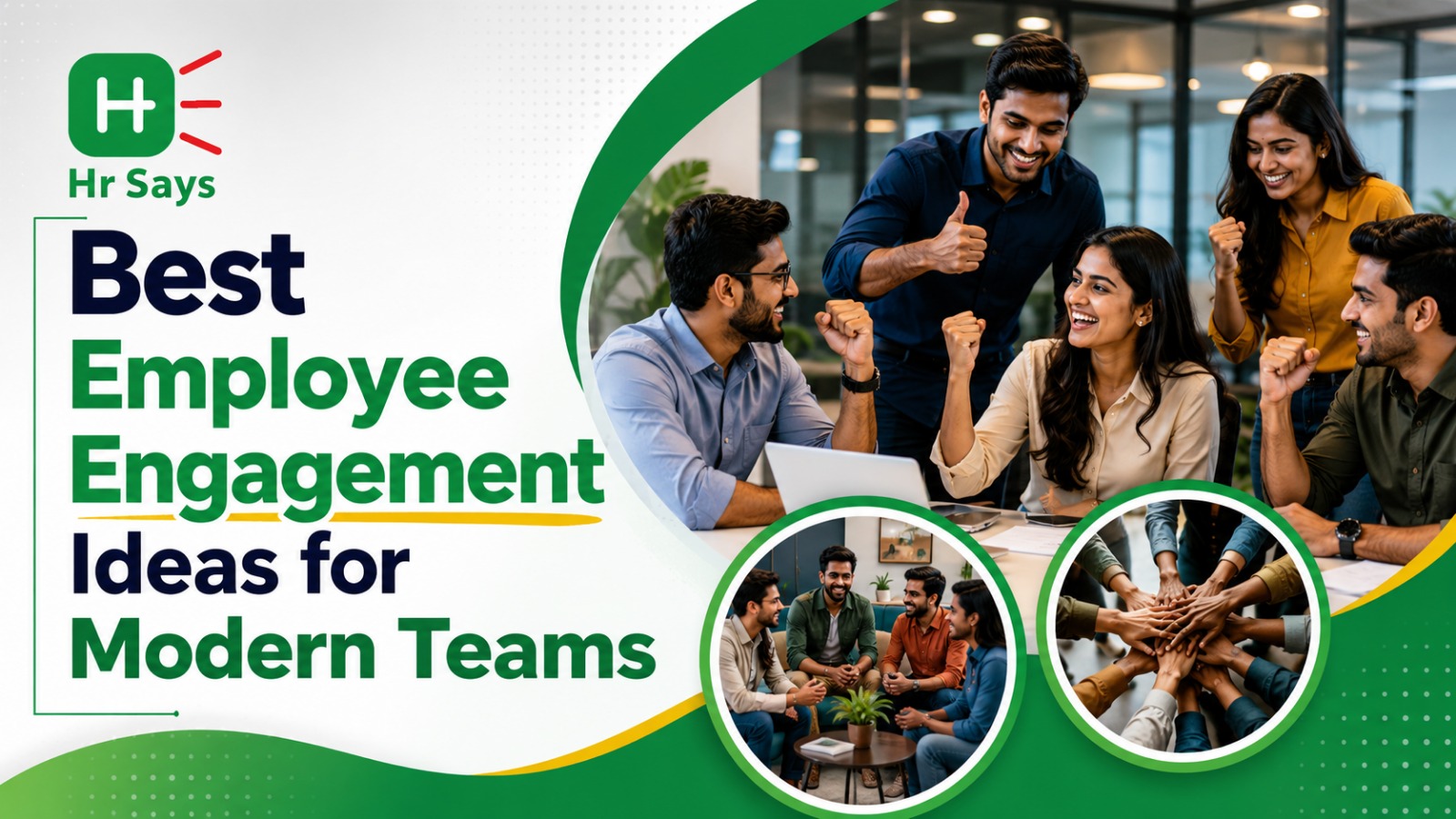
 Modern team engagement activities work best when they combine emotional connection, transparent communication, and flexible workplace culture. Strong workplace engagement activities improve collaboration, retention, and long-term employee satisfaction while supporting healthier organizational growth.





Best Employee Engagement Ideas for Modern Teams
Modern workplaces have changed faster than many organizations expected. Hybrid work, digital collaboration, changing employee expectations, and rising burnout have transformed how teams function. In this environment, strong employee engagement activities are no longer optional. Businesses that fail to build meaningful workplace connections often face low morale, weak collaboration, and high employee turnover.
The challenge is that engagement today is not only about fun events or occasional rewards. Modern teams look for purpose, flexibility, communication, growth, and recognition. Effective team engagement activities now focus on building trust, emotional connection, and long-term workplace satisfaction in ways that fit evolving work cultures.
Why Employee Engagement Has Become More Complex in Modern Workplaces
Employee engagement used to be easier to define. Traditional offices created natural opportunities for interaction, mentorship, and relationship building. Employees worked in the same environment every day, which helped teams build familiarity through routine conversations and shared experiences.
Modern workplaces operate differently. Remote work, flexible schedules, and digital communication tools have reduced many of those natural interactions. While technology improved productivity, it also created emotional distance between employees. Teams can complete projects together without ever building strong personal or professional connections.
This shift explains why many businesses struggle with disengaged employees despite offering competitive salaries or workplace perks. Employees increasingly value belonging, flexibility, career growth, and emotional well-being. Strong staff engagement activities now need to address psychological connection rather than only entertainment.
A workplace may appear efficient externally while employees internally feel disconnected, underappreciated, or emotionally exhausted. This is especially common in high-performance environments where output receives more attention than human interaction.
Organizations that understand this difference often design better workplace engagement activities because they focus on long-term culture rather than temporary motivation. Engagement becomes sustainable when employees feel understood, involved, and respected within the system itself.
How Modern Teams Respond Differently to Engagement Strategies
Not every employee responds to engagement in the same way. One of the biggest mistakes companies make is treating engagement like a universal formula. In reality, engagement is influenced by personality, work style, generation, communication preference, and even cultural background.
For example, younger employees often value growth opportunities and flexibility more than traditional rewards. Experienced professionals may prioritize recognition, autonomy, or leadership trust. Remote employees often need stronger communication systems compared to in-office teams because isolation affects engagement differently.
This is why effective employee engagement activities for employees must evolve beyond generic approaches. Teams respond better when organizations understand how daily work experiences influence emotional connection.
Patterns That Commonly Influence Team Engagement
- Employees engage more deeply when communication feels transparent and human
Teams often lose motivation when leadership communication feels overly formal or disconnected from real workplace experiences. Employees usually respond positively when leaders openly discuss challenges, company direction, and team goals in a relatable and honest manner. This creates emotional trust, which strengthens long-term engagement more effectively than occasional rewards. - Recognition becomes more valuable when it feels personal rather than automated
Generic appreciation messages rarely create lasting impact. Employees tend to remember recognition that acknowledges specific contributions, problem-solving efforts, or collaboration. Personalized recognition supports stronger associate engagement activities because people feel genuinely seen instead of being treated as part of a system. - Flexibility improves engagement when paired with accountability and trust
Flexible work environments often succeed when employees feel trusted rather than monitored. Teams become more engaged when organizations balance autonomy with clear expectations. This is particularly important for modern digital workplaces where employees value independence alongside structured support.
The Connection Between Engagement, Retention, and Workplace Culture
Many organizations focus heavily on hiring while underestimating the importance of retention. However, retention is often a reflection of workplace culture rather than compensation alone.
Employees rarely disengage suddenly. In most cases, disengagement develops gradually through repeated experiences such as poor communication, lack of recognition, limited growth opportunities, or emotional exhaustion. Over time, these small frustrations weaken motivation and workplace connection.
Strong people engagement activities help prevent this pattern by improving emotional investment in the workplace. Employees who feel respected and included are more likely to remain committed during stressful periods or organizational changes.
Workplace culture also affects how employees collaborate with each other. In healthy environments, colleagues feel comfortable sharing ideas, asking questions, and supporting one another without fear of judgment. This naturally improves teamwork and innovation.
On the other hand, workplaces with weak engagement often experience silent problems such as reduced creativity, emotional withdrawal, or passive participation during meetings. These issues may not appear immediately in productivity reports but gradually impact long-term business performance.
Modern organizations increasingly recognize that engagement is directly tied to retention, collaboration, and mental well-being. This is why thoughtful colleague engagement activities now play a major role in leadership strategy rather than being treated as optional HR initiatives.
Why Small Daily Interactions Often Matter More Than Large Events
Many companies invest heavily in annual events or large team-building exercises while overlooking the importance of everyday workplace interactions. In reality, engagement is usually shaped more by consistent small experiences than occasional celebrations.
Employees notice how managers communicate during stressful deadlines, whether colleagues feel approachable, and how conflicts are handled during difficult situations. These everyday moments influence emotional safety within teams.
Modern engagement strategies increasingly focus on improving workplace behavior patterns instead of relying entirely on large-scale activities.
Examples of Daily Engagement Practices That Build Stronger Teams
- Short team check-ins improve emotional connection over time
Brief conversations at the start of meetings help employees feel acknowledged before discussions become task-focused. These interactions create stronger human connection, especially in remote environments where informal communication is limited. - Collaborative learning sessions strengthen both skills and engagement
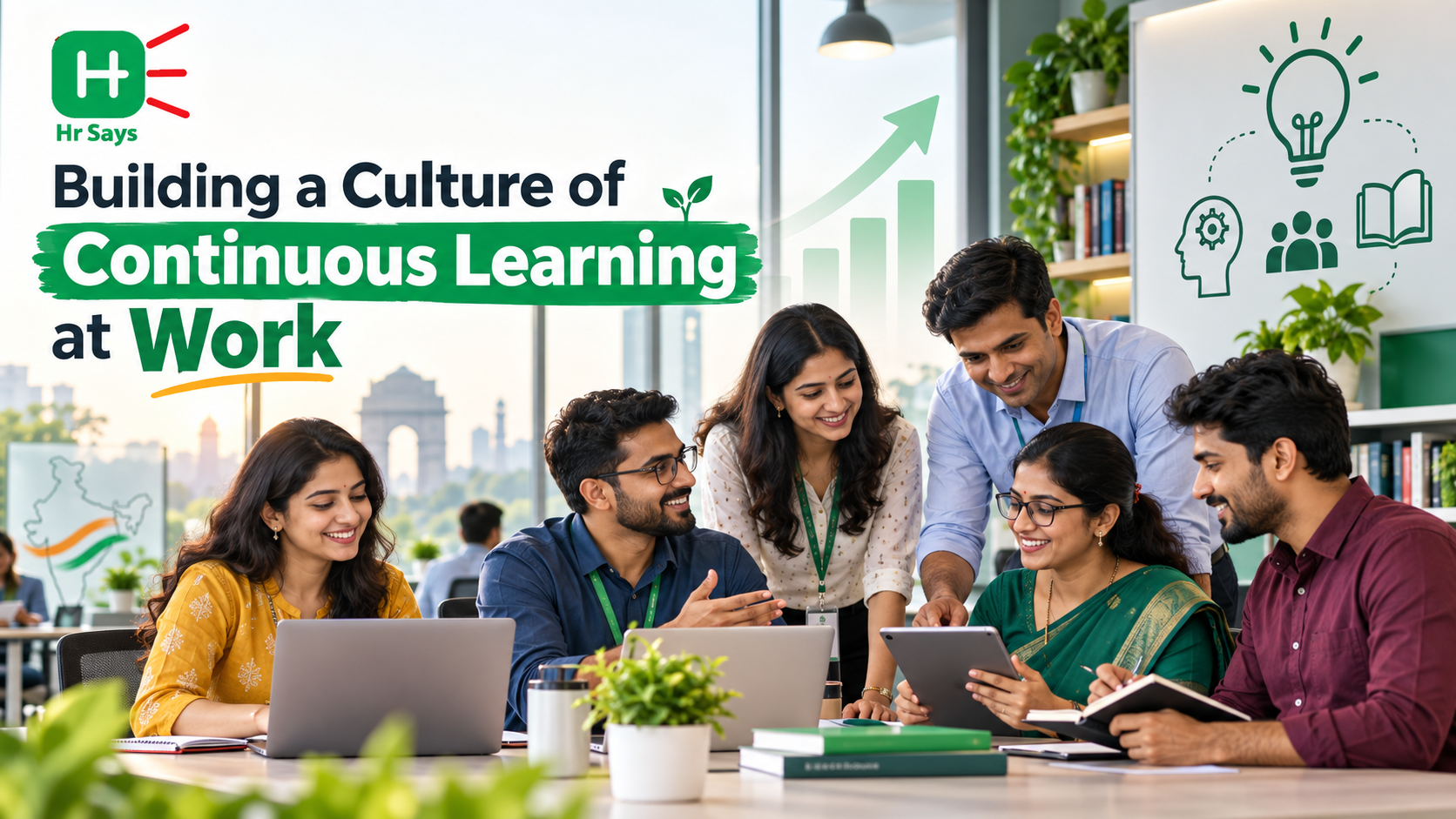
Teams often become more engaged when employees can share knowledge with each other. Informal workshops, peer learning, or cross-team collaboration create stronger workplace relationships while improving skill development. - Encouraging participation in decision-making improves ownership
Employees feel more invested when they contribute ideas rather than only receiving instructions. Even small opportunities for input help strengthen talent engagement activities because employees feel their perspectives matter.
The Role of Leadership in Employee Engagement
Leadership remains one of the strongest factors influencing engagement. Employees often connect more deeply with managers than with organizational policies themselves.
Supportive leadership creates psychological stability within teams. Employees feel safer communicating concerns, sharing ideas, and asking for support when leadership is approachable and consistent.
However, leadership mistakes often damage engagement unintentionally. Micromanagement, unclear communication, inconsistent feedback, or emotional detachment can reduce trust quickly.
Modern leaders increasingly need emotional intelligence alongside technical skills. Employees expect leaders to understand workload pressure, communication fatigue, and changing work expectations.
This becomes especially important in hybrid workplaces where employees may already feel disconnected from organizational culture. In such environments, strong leadership communication helps maintain alignment and morale.
Organizations with engaged leaders usually develop stronger team engagement activities naturally because workplace interaction becomes healthier at every level.
Challenges Businesses Face While Building Engagement Programs
While engagement strategies sound beneficial in theory, implementation can be difficult in practice. Many organizations struggle because they copy trends without understanding their own workforce dynamics.
For example, some companies introduce wellness programs or virtual events without addressing underlying communication issues. Employees may appreciate the effort temporarily but remain emotionally disconnected if deeper workplace problems continue.
Another challenge is maintaining consistency. Engagement initiatives often begin strongly but lose momentum over time due to workload pressure or leadership changes.
Generational differences also create complexity. Employees from different age groups may have varying expectations regarding communication, feedback, flexibility, or work-life balance.
Businesses that succeed usually avoid one-size-fits-all strategies. Instead, they continuously observe employee behavior, collect feedback, and adjust engagement approaches gradually.
This adaptive mindset helps organizations build more sustainable workplace engagement activities rather than short-term engagement campaigns.
How Technology Is Changing Employee Engagement
Technology has transformed how engagement operates within modern organizations. Digital platforms now influence communication, recognition, collaboration, and employee experience.
Communication tools make collaboration faster, but they can also increase burnout if employees feel constantly connected to work. This creates a delicate balance between productivity and emotional well-being.
Modern engagement systems increasingly use technology to personalize employee experiences. Recognition platforms, learning systems, and feedback tools help organizations understand employee behavior patterns more effectively.
However, technology alone cannot create engagement. Employees still value human interaction, empathy, and trust more than automation. Digital tools work best when they support meaningful workplace relationships instead of replacing them entirely.
Organizations that combine technology with authentic communication often create stronger engagement cultures because employees experience both efficiency and emotional support.
Creating Long-Term Engagement Instead of Temporary Motivation
Sustainable engagement develops through consistency rather than intensity. Employees usually stay engaged when workplaces create stability, trust, growth opportunities, and emotional safety over time.
Temporary motivation often comes from rewards or events, but lasting engagement is built through daily experiences. Employees remember how workplaces supported them during pressure, recognized their contributions, and encouraged development.
This is why modern organizations increasingly focus on long-term behavioral patterns instead of isolated engagement initiatives.
Strong employee engagement activities, thoughtful leadership, transparent communication, and meaningful collaboration all contribute to environments where people genuinely want to participate and grow.
Conclusion
Modern engagement is no longer about occasional activities alone. Strong employee engagement activities now focus on communication, trust, flexibility, recognition, and emotional connection within evolving workplace environments.
Organizations that understand how people experience work daily often create stronger cultures, healthier collaboration, and better long-term retention. Sustainable engagement happens when businesses consistently prioritize human connection alongside performance and productivity.
Frequently Asked Questions (FAQs)
1. What makes employee engagement activities effective in modern workplaces?
Effective employee engagement activities focus on emotional connection, communication, and workplace trust rather than only entertainment. Modern teams respond better to strategies that improve collaboration, flexibility, and recognition. Strong people engagement activities also support healthier workplace relationships and long-term motivation.
2. How do team engagement activities improve workplace productivity?
Well-designed team engagement activities improve communication and reduce workplace disconnect between employees. When teams feel psychologically comfortable, they collaborate more openly and solve problems faster. This creates stronger work culture patterns and supports better organizational performance over time.
3. Why do some workplace engagement activities fail to create real impact?
Many workplace engagement activities fail because they focus only on temporary excitement instead of long-term employee experience. Employees often disengage when deeper issues like communication gaps or workload stress remain unresolved. Sustainable engagement requires consistent support and meaningful workplace interaction.
4. What role does leadership play in staff engagement activities?
Leadership strongly influences the success of staff engagement activities because employees often connect more with managers than company policies. Supportive leadership improves workplace trust, emotional safety, and communication quality. This creates stronger employee participation and healthier workplace behavior patterns.
5. How can remote teams maintain strong engagement levels?
Remote teams usually need more intentional communication because digital work reduces natural interaction. Strong colleague engagement activities such as collaborative sessions, informal check-ins, and recognition systems help reduce isolation. These approaches support emotional connection even in distributed work environments.
6. Why are associate engagement activities important for employee retention?
Strong associate engagement activities improve retention because employees are more likely to stay where they feel valued and supported. Recognition, learning opportunities, and open communication strengthen workplace belonging. This also reduces emotional burnout and improves overall work satisfaction.
7. How do talent engagement activities support long-term business growth?
Effective talent engagement activities help employees feel connected to organizational goals and personal growth opportunities. Engaged employees often contribute more creative ideas, collaborate better, and adapt faster to workplace changes. This strengthens both innovation and long-term business stability.
8. What are the biggest challenges businesses face with employee engagement today?
One major challenge is maintaining authentic engagement in fast-moving digital workplaces. Many organizations struggle to balance productivity with emotional well-being. Successful employee engagement activities for employees usually focus on communication quality, flexibility, and sustainable work culture rather than one-time events.
9. How often should companies organize team engagement initiatives?
Engagement works best when it becomes part of everyday workplace culture instead of occasional activities. Consistent team engagement activities such as learning discussions, feedback sessions, and collaborative interactions create stronger long-term engagement. Regular small efforts often work better than infrequent large events.
10. What trends are shaping modern workplace engagement strategies?
Modern engagement strategies increasingly focus on flexibility, mental well-being, personalized recognition, and hybrid work culture. Businesses are also using technology to improve communication and employee feedback systems. These evolving workplace engagement activities help organizations adapt to changing workforce expectations more effectively.