 Sunday, September 20, 2026
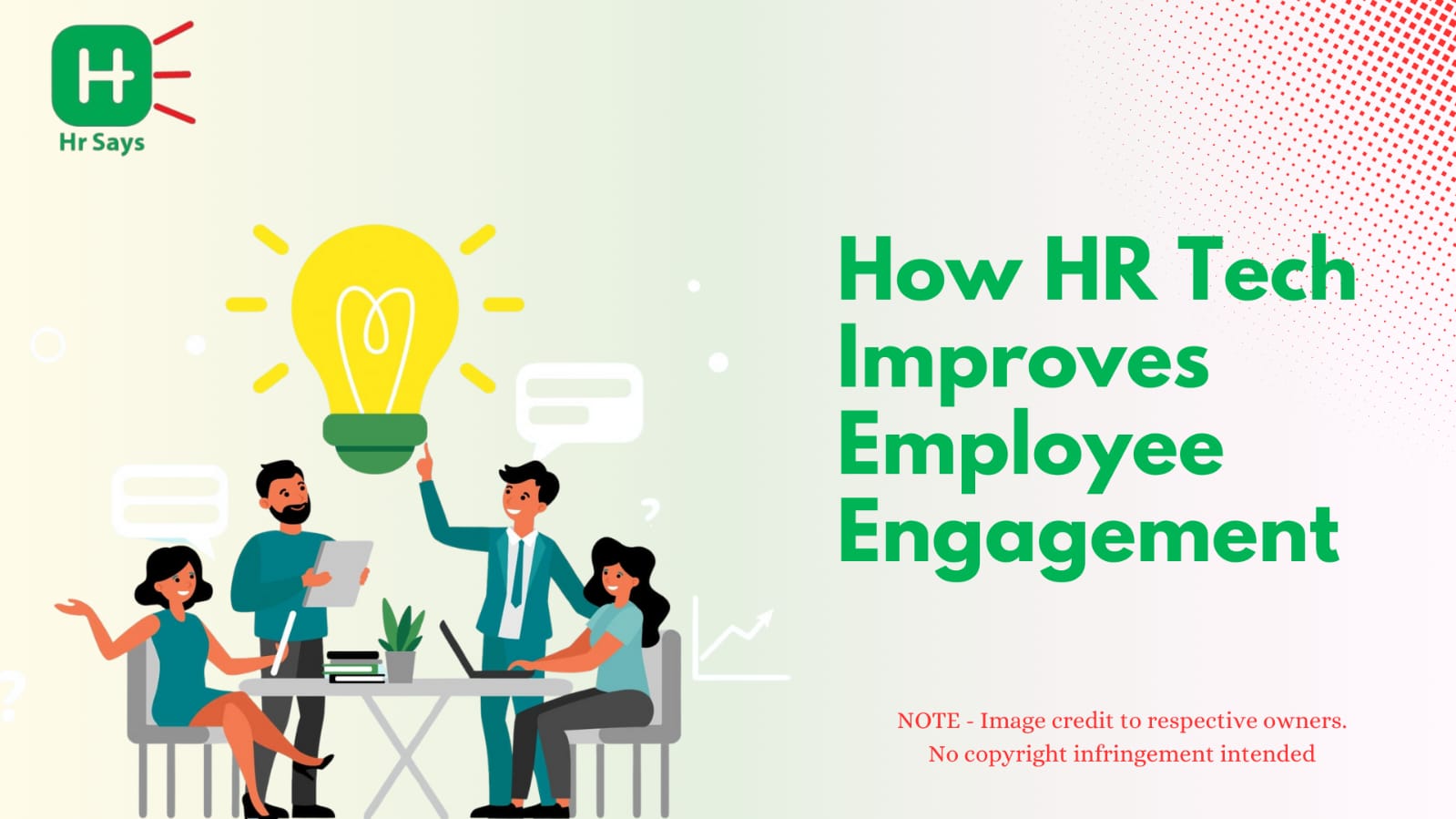
 HR tech transforms employee engagement by enhancing communication, recognition, learning opportunities, and data-driven insights. By balancing flexibility with accountability, organizations create an environment where employees feel connected, motivated, and supported.




Have you ever questioned yourself why a work setting is more integrated and energizing, and others have a difficult time with the disengagement question? This distinction usually marks the difference in salience to the use of HR technology by companies in the intensification of communication, recognition, and growth prospects.
The Role of HR Tech in Modern Workplaces
The level of employee engagement has never been an easy task to work in an environment, and hybrid and virtual environments are no exception. The occurrence of HR technology made organizations reevaluate their interaction with the working population. Digital platforms are no longer a tool; it is a mode, a stream of experiences that decreases inconveniences and makes employees feel a sense of belonging.
Streamlining Communication and Collaboration
Strong communication is the foundation of engagement. HR tech has made it easier for employees and managers to stay connected, regardless of location. Internal platforms now allow:
● Quick updates through chat and mobile apps
● Centralized access to company news
● Smooth collaboration across departments
When communication feels effortless, employees tend to stay more engaged and aligned with organizational goals.
Recognition and Rewards Made Easier
Engagement grows when efforts are acknowledged. Recognition platforms powered by HR tech help managers appreciate employees instantly. Digital reward systems, peer-to-peer recognition, and gamified features create a culture where contributions are noticed. Even small achievements can now be highlighted, giving employees the motivation to go further.
Personalized Learning and Growth Opportunities
Employee growth cannot be overlooked. Learning management systems and AI-driven training programs allow personalized career development paths. Through HR tech, employees get:
● Tailored training modules
● Clear skill-building roadmaps
● Real-time feedback on progress
These platforms make professional development more accessible, helping employees feel invested in their future within the company.
Data-Driven Insights for Engagement
Another powerful aspect of HR technology is analytics. By tracking engagement levels, pulse surveys, and workforce trends, HR teams can act quickly. Instead of waiting for annual reviews, they can now identify early signs of disengagement and address them. This proactive approach reduces attrition and strengthens employee trust.
Balancing Flexibility with Accountability
Hybrid work has changed expectations. HR tech tools enable flexible schedules, attendance tracking, and performance management without micromanagement. This balance between freedom and accountability improves employee satisfaction while ensuring business goals are met.
Conclusion
Employee engagement is no longer about one-off activities or occasional feedback. It is a continuous process, supported by HR technology that enables recognition, communication, learning, and data-driven action. When applied well, HR tech creates a workplace where employees feel valued, connected, and inspired to contribute.