 Saturday, October 24, 2026
.jpeg)
 People analytics helps HR professionals make informed decisions using employee data. By tracking recruitment, performance, and engagement metrics, beginners can gradually develop analytical HR skills and contribute to smarter workforce management.




Recruitment decisions previously were primarily based on intuition. The results wildly depended on the experience of a manager, the gut feeling of a recruiter or a glance at a resume. Organizations are gradually moving to data driven HR today. People analytics is an unavoidable tool that should be considered by HR managers who wish to learn more about employees, enhance retention, and make workforce decisions smarter.
What Is People Analytics And Why It Matters In Modern HR
People analytics is a procedure through which the employees related data is gathered, examined and analyzed to enhance the HR decision making. Rather than using assumptions, there is creation of insights based on actual information of the workforce.
Already, huge quantities of data on employees are in place in most organizations. There must be records of attendance, recruitment rates and engagement surveys, and performance reviews being generated all the time. When this data is analyzed in a proper way, meaningful patterns start appearing.
It is often observed that HR teams face challenges such as high employee turnover, declining engagement, or inefficient hiring processes. Without data, these problems are difficult to diagnose. People analytics helps identify the underlying reasons.
Several practical benefits are commonly associated with people analytics:
• Recruitment quality can be improved through analysis of hiring metrics
• Employee retention issues can be identified early through attrition trends
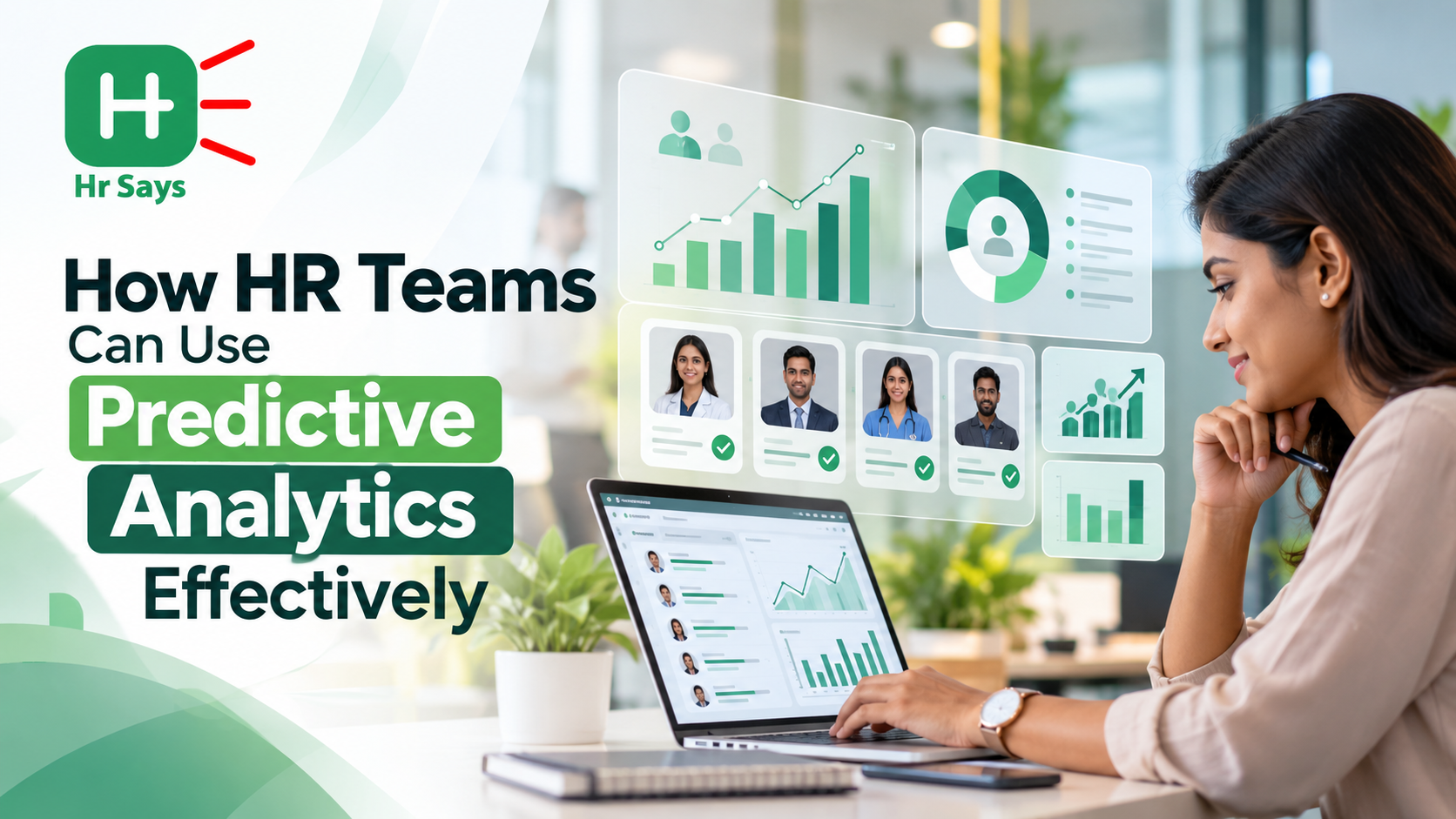
• Workforce planning can be strengthened through predictive HR analytics
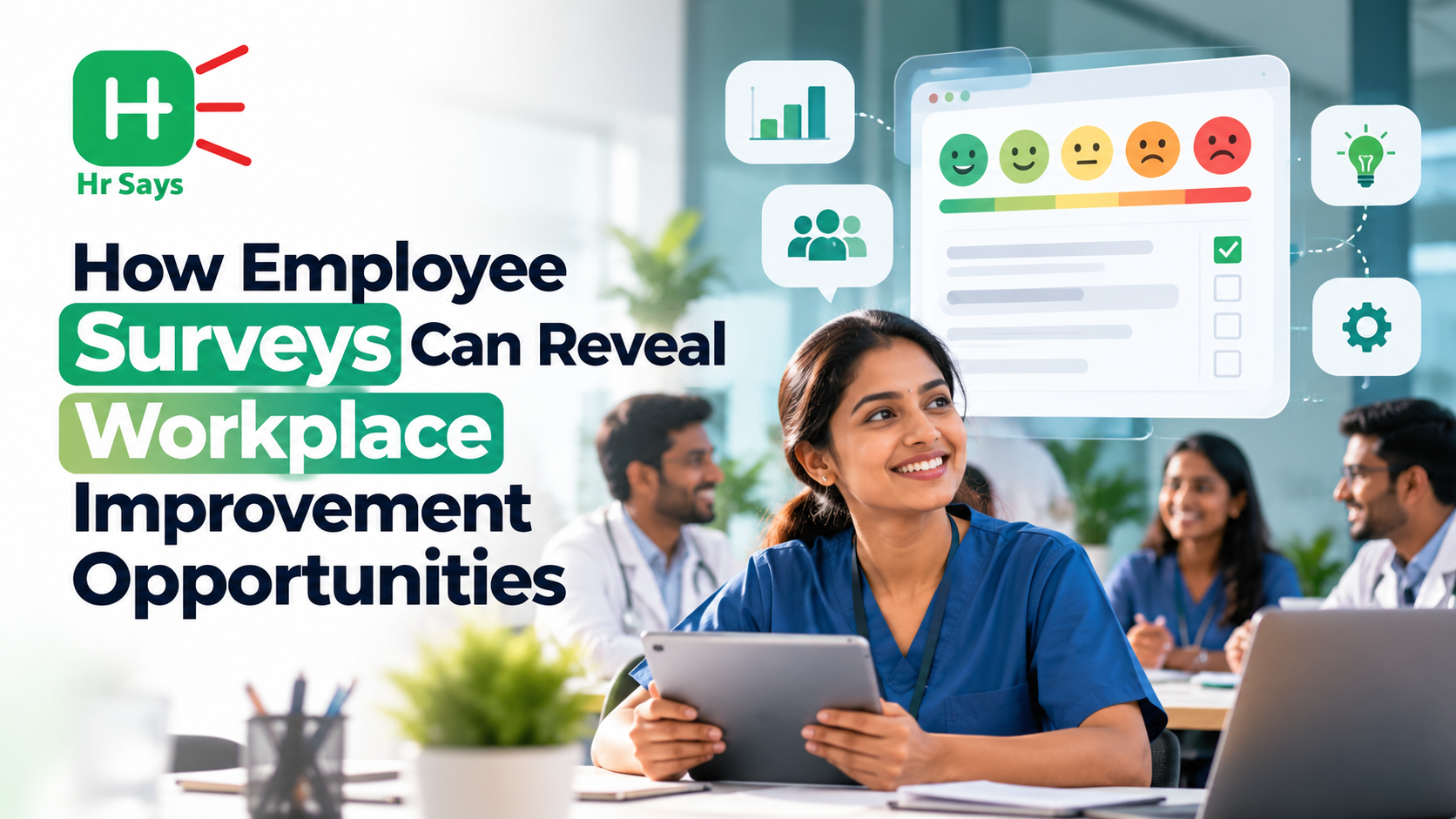
• Employee engagement levels can be monitored through survey insights
As digital transformation continues across industries, HR analytics tools are being adopted widely. Platforms such as HR dashboards, workforce analytics software, and talent management systems are making data easier to interpret. For HR beginners, understanding people analytics is becoming less of an optional skill and more of a professional necessity.
Key People Analytics Metrics Every HR Beginner Should Know
For beginners, people analytics may initially feel overwhelming. However, the practice often begins with a few core metrics that reveal important workforce patterns.
Recruitment Metrics
Recruitment analytics focuses on how effectively new talent is hired. These metrics help evaluate whether hiring processes are efficient.
Common recruitment indicators include:
• Time to hire
• Cost per hire
• Candidate conversion rates
• Source of hire performance
When these indicators are tracked consistently, hiring strategies can be refined and recruitment bottlenecks can be identified.
Employee Performance Metrics
Performance data helps organizations understand how employees contribute to business outcomes. Instead of subjective evaluations alone, measurable indicators are used.
Examples include:
• Productivity levels
• Performance review scores
• Project completion rates
• Skill development progress
These metrics help HR teams identify high performing
employees as well as areas where support or training may be needed.
Employee Retention And Engagement Metrics
Employee turnover can significantly affect organizational stability. People analytics makes it possible to monitor signals before employees leave.
Key engagement and retention metrics include:
• Employee turnover rate
• Absenteeism patterns
• Employee engagement survey scores
• Internal mobility rates
By monitoring these indicators, HR leaders can better understand employee satisfaction and workplace culture.
How HR Beginners Can Start Using People Analytics
For someone new to HR analytics, it is not necessary to master advanced statistical tools immediately. The journey usually begins with small, structured steps.
First, relevant HR data should be gathered from existing systems. Payroll platforms, applicant tracking systems, and employee management software often contain valuable information.
Next, basic analysis should be performed. Simple HR dashboards or spreadsheet tools can reveal trends in hiring, attendance, or employee engagement.
The following starting practices are often recommended:
• Begin tracking a few core HR metrics regularly
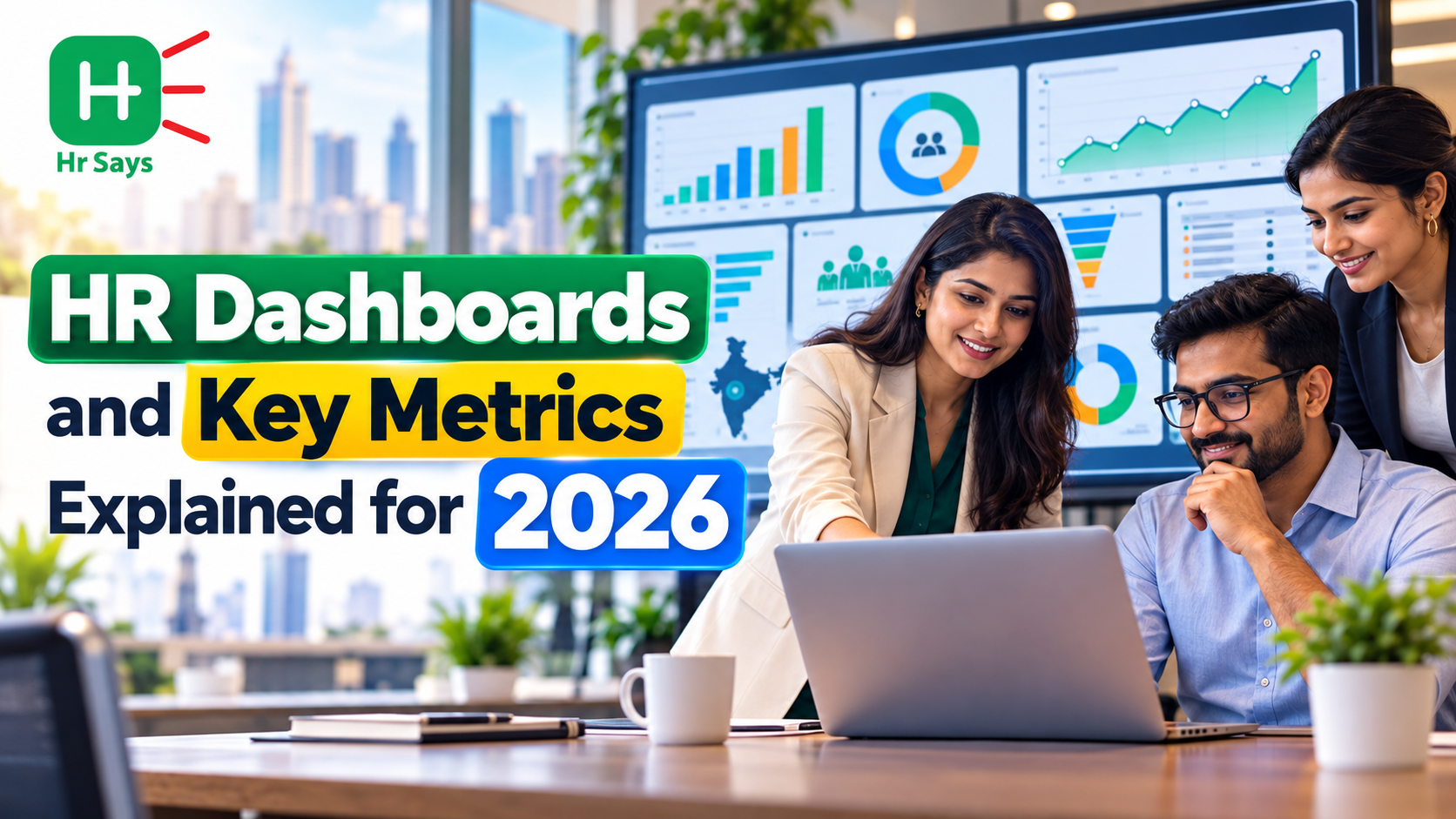
• Use HR dashboards to visualize workforce data
• Collaborate with data teams when deeper analysis is required
• Focus on practical questions such as why employees leave or how hiring time can be reduced
Over time, HR professionals develop stronger analytical thinking. Patterns become easier to recognize, and decision making gradually becomes more evidence based.
People analytics does not replace human judgment. Instead, it strengthens HR strategy by grounding decisions in reliable information.
Conclusion
People analytics is gradually transforming the role of HR professionals. Decisions that once depended mainly on intuition are increasingly supported by workforce data. For beginners, learning how to interpret HR metrics can lead to better hiring, stronger employee engagement, and more informed organizational planning.