Sunday, September 20, 2026
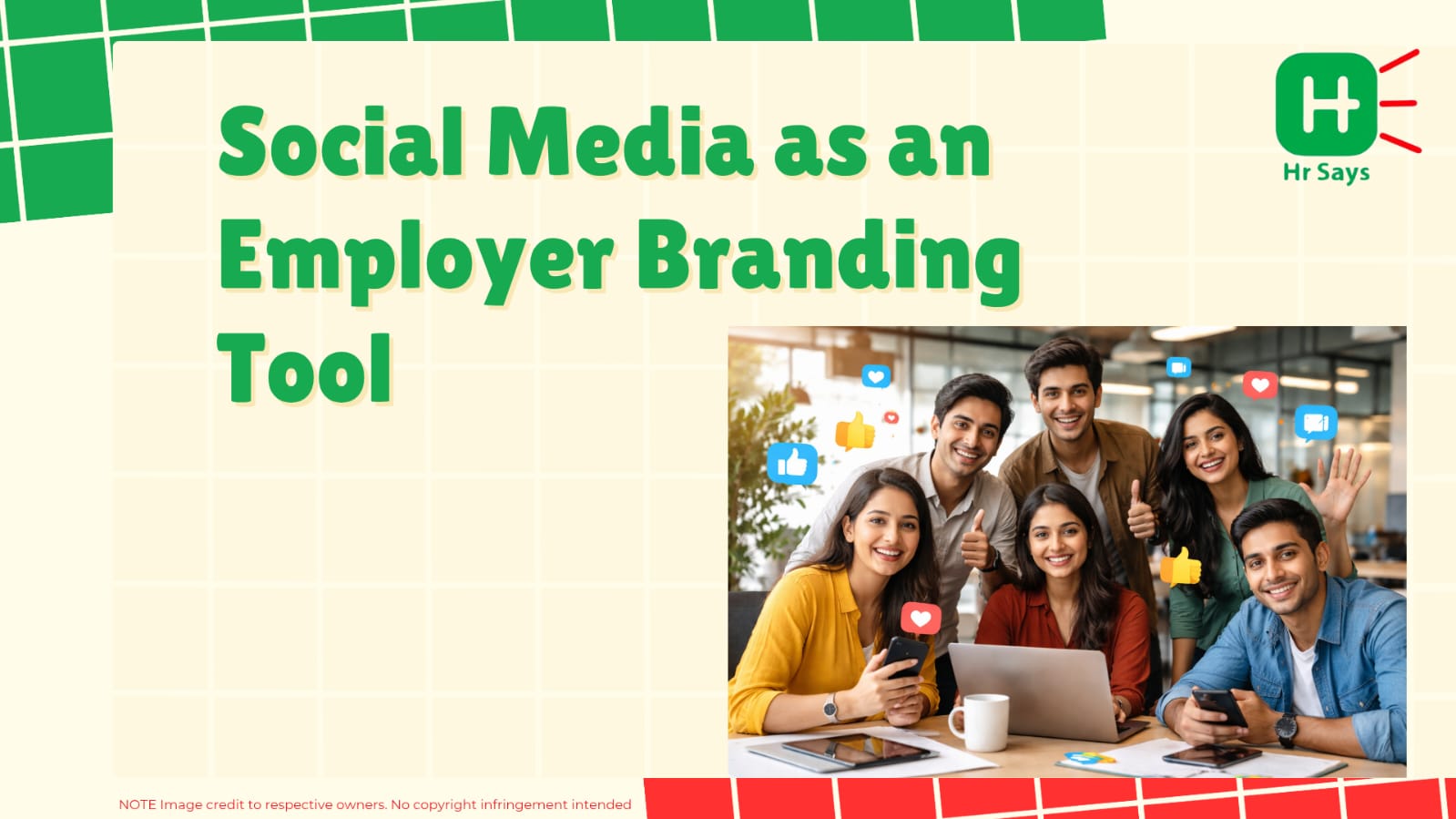
 Social media has become a powerful employer branding tool that shapes how candidates perceive organizations. Through authentic content, workplace storytelling, and consistent engagement, companies can build credibility, attract talent, and strengthen their reputation in the evolving digital recruitment landscape.




In the digital-first work environment, a company can be defined on the internet way before a job application is even placed, by the reputation of the company. Social media has slowly turned into a strong platform within which organizations portray their work culture, values, and people. Day-to-day digital presence is now defining employer branding; it is not just coming courtesy of what a company says.
How Social Media Shapes Modern Employer Branding
There is an unspoken change in recruitment practices that has occurred in the past decade. In the past, job seekers largely used job portals and company websites. Nowadays, job seekers are evaluated in terms of what can be seen on social media such as LinkedIn, Instagram, and even Twitter before securing the job.
Digital voice of a company is usually the initial representation of the company. Probably, potential employees will scroll through social profiles in order to see the work culture, the tone of leadership, and employee participation. Due to this social media marketing is finding increased application as a recruiting tactic.
At the same time, employer branding is quite an authentic perception when managed intelligently. Behind the scenic looks, work place parties and collaborations amongst teams are usually shared. Such minor stories construct an illusion of transparency.
Several employer branding strategies are now shaped around social media presence:
● Regular posts highlighting workplace culture
● Employee recognition and milestone celebrations
● Updates about company achievements and initiatives
● Career opportunities shared through engaging posts
● Thought leadership content from company leaders
Through consistent messaging, a brand identity is slowly built. Candidates are not only searching for salaries or job titles anymore. Work environment, company ethics, and employee well-being have become equally important factors.
A strong social media employer brand therefore acts as a trust signal. It helps candidates feel familiar with the organization even before they apply.
Why Job Seekers Pay Attention to a Company’s Online Presence
Job seekers today are highly research driven. Before applying, they often explore multiple online sources to understand what working at a company might actually feel like.
Social media provides something that traditional job listings cannot offer. It presents everyday workplace experiences. Photos, short videos, and employee stories create a sense of realism that formal company pages usually lack.
Employer branding content also allows companies to communicate their values. Topics such as diversity, remote work culture, employee development, and workplace flexibility are frequently discussed on corporate social media channels.
Some elements that attract job seekers include:
● Authentic employee testimonials
● Team activities and workplace events
● Learning and development initiatives
● Career growth opportunities
● Corporate social responsibility initiatives
These signals subtly influence candidate perception. A workplace that appears transparent and engaging is often perceived as more trustworthy.
From the employer’s perspective, social media recruitment also expands reach. Job openings can circulate beyond traditional hiring platforms and reach passive candidates who may not be actively job hunting but are open to opportunities.
Because of this, employer branding and digital presence are now closely linked.
Building an Effective Social Media Employer Brand
Creating a strong employer brand on social media is not achieved through occasional posts. Consistency and authenticity are usually required.
A few practical approaches are often followed:
Maintain a Consistent Brand Voice
The tone of posts should reflect the company’s identity. Whether professional, friendly, or innovative, the messaging should remain consistent across platforms.
Highlight Real Employee Experiences
Content that features employees tends to perform better than purely promotional posts. Employee spotlights, team stories, and everyday workplace moments help humanize the organization.
Engage With the Audience
Employer branding on social media is not only about posting content. Responding to comments, acknowledging feedback, and participating in professional conversations can strengthen credibility.
Share Industry Knowledge
Thought leadership posts from managers or founders help position the company as an authority within its industry. This approach also attracts professionals who are interested in learning and growth.
When these practices are followed, social media gradually becomes more than a marketing tool. It becomes a window into the organization’s culture.
Conclusion
Social media has quietly transformed how organizations attract talent. Employer branding is no longer shaped only through recruitment campaigns but through everyday digital interactions. When used thoughtfully, social platforms allow companies to present authenticity, build trust, and create meaningful connections with potential employees.