 Saturday, October 24, 2026
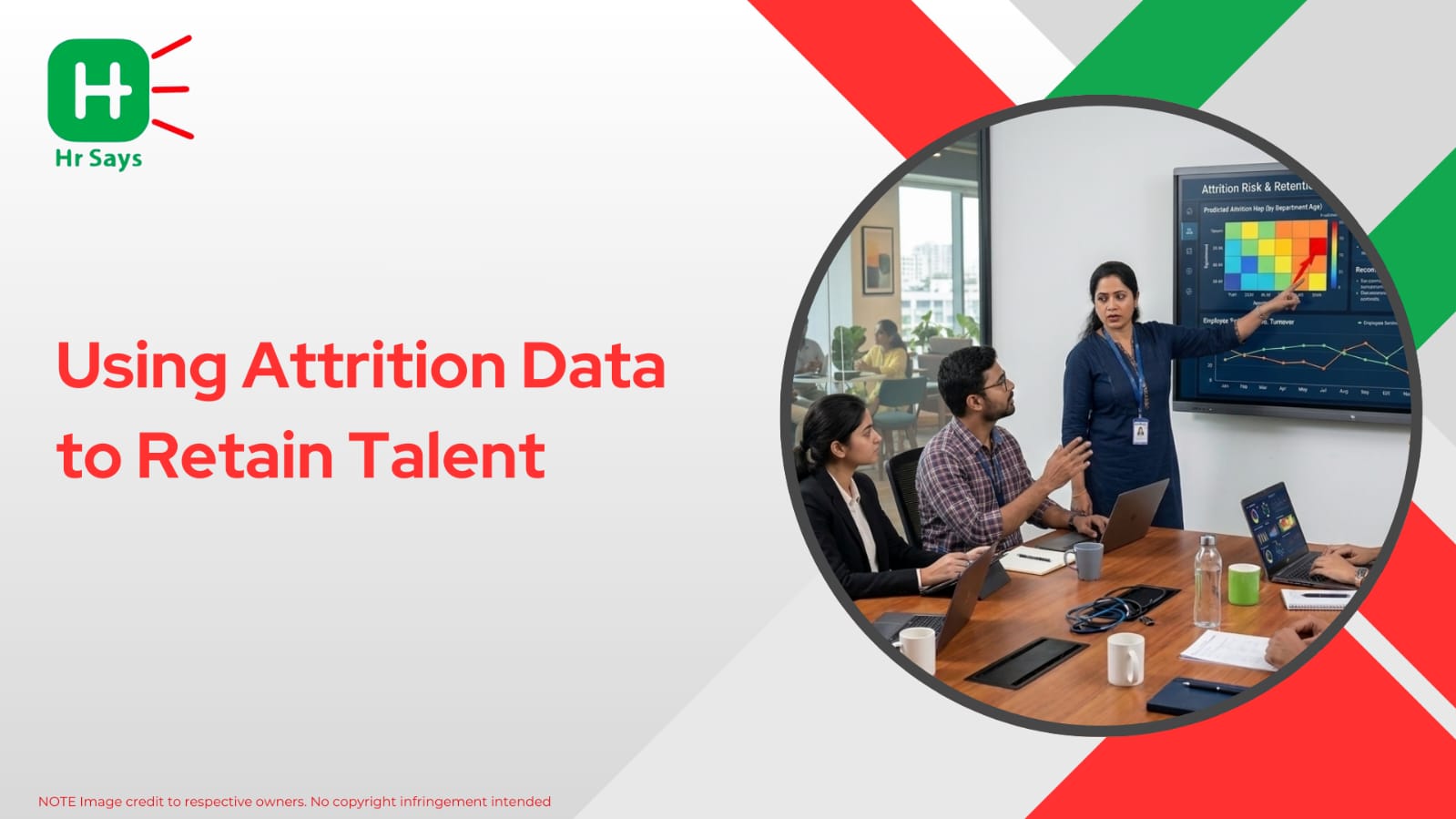
 Attrition data offers valuable insight into employee turnover patterns. When analysed thoughtfully, it helps organisations identify underlying issues, improve employee experience, and build stronger retention strategies. Data informed decision making ultimately supports healthier workplace cultures and sustainable talent management.




Exits of employees do not occur overnight. There are the things happening under the carpet, which tend to develop over time, yet nobody will notice until the resignation letters will be written more and more often. Attrition data assists organisations to know these themes. As you look at it critically, it turns into an effective retention strategy, a better workplace culture, and talent decision-making.
Why Attrition Data Matters In Modern Workplaces
Turnover among employees has been brought to the forefront as a strategic issue in organisations in different industries. The expenses involved in the hiring, the investment in training and even the loss of knowledge are all subject to change when employees leave. Due to this, there has been an increased demand of attrition data as a good organisational insight instead of an HR statistic.
Attrition data will be data gathered regarding employee turnover, why employees leave, their length of service, departments, performance history, and level of engagement. Patterns are identifiable when analysed continuously to assist organisations to take steps prior to the issue expanding to greater proportions.
Several factors are commonly revealed through attrition analysis:
• Departments with consistently high turnover
• Career stagnation felt by employees in specific roles
• Compensation gaps compared to industry standards
• Leadership or management concerns within teams
• Lack of work life balance in demanding positions
When these patterns are tracked over time, early warning signals begin to appear. Instead of reacting after resignations occur, organisations are able to intervene earlier.
It is also observed that attrition data often reveals hidden cultural issues. For example, employees may not openly express dissatisfaction, but exit data can quietly highlight recurring concerns. When organisations respond thoughtfully to such signals, trust within teams tends to improve.
Another benefit lies in workforce planning. Understanding who leaves, when they leave, and why they leave allows HR leaders to predict hiring needs and reduce sudden talent gaps.
How Organisations Can Use Attrition Insights Effectively
Data alone does not solve retention challenges. Its value emerges only when insights are translated into practical action. Many organisations collect attrition data, yet only a few use it meaningfully.
A structured approach is usually followed.
Identifying patterns in employee exits
Patterns must first be studied carefully. Trends across teams, job roles, or experience levels often reveal where the underlying problem exists.
Key areas often examined include:
• Average tenure before resignation
• High turnover teams or managers
• Voluntary versus involuntary exits
• Common exit interview responses
Such information allows organisations to understand whether departures are isolated incidents or systemic issues.
Strengthening employee experience
Once patterns are identified, the employee experience can be improved in targeted ways.
Possible actions may include:
• Improving onboarding and early career support
• Creating clearer promotion pathways
• Offering flexible work arrangements
• Providing leadership training for managers
Retention strategies become far more effective when they are informed by real employee behaviour rather than assumptions.
Using predictive HR analytics
Modern HR technology is increasingly being used to forecast potential attrition risks. Predictive analytics can combine engagement surveys, performance data, attendance patterns, and compensation records to estimate which employees might be at risk of leaving.
While such predictions are not perfect, they allow organisations to focus retention efforts where they matter most.
Building A Culture That Reduces Attrition
Retention is rarely improved through policies alone. A culture of listening, recognition, and growth tends to influence employee loyalty more strongly than incentives.
When attrition data is reviewed regularly, leadership conversations also change. Instead of asking why employees left, attention begins to shift toward how employees can be supported to stay.
Simple organisational practices often make a meaningful difference:
• Transparent communication from leadership
• Regular career development discussions
• Recognition of employee contributions
• Balanced workloads and supportive managers
When such practices are aligned with data insights, retention strategies become more credible and sustainable.
Attrition data therefore should not be treated as a report generated at the end of the year. It is better viewed as an ongoing signal that reflects how employees truly experience their workplace.