 Saturday, October 24, 2026
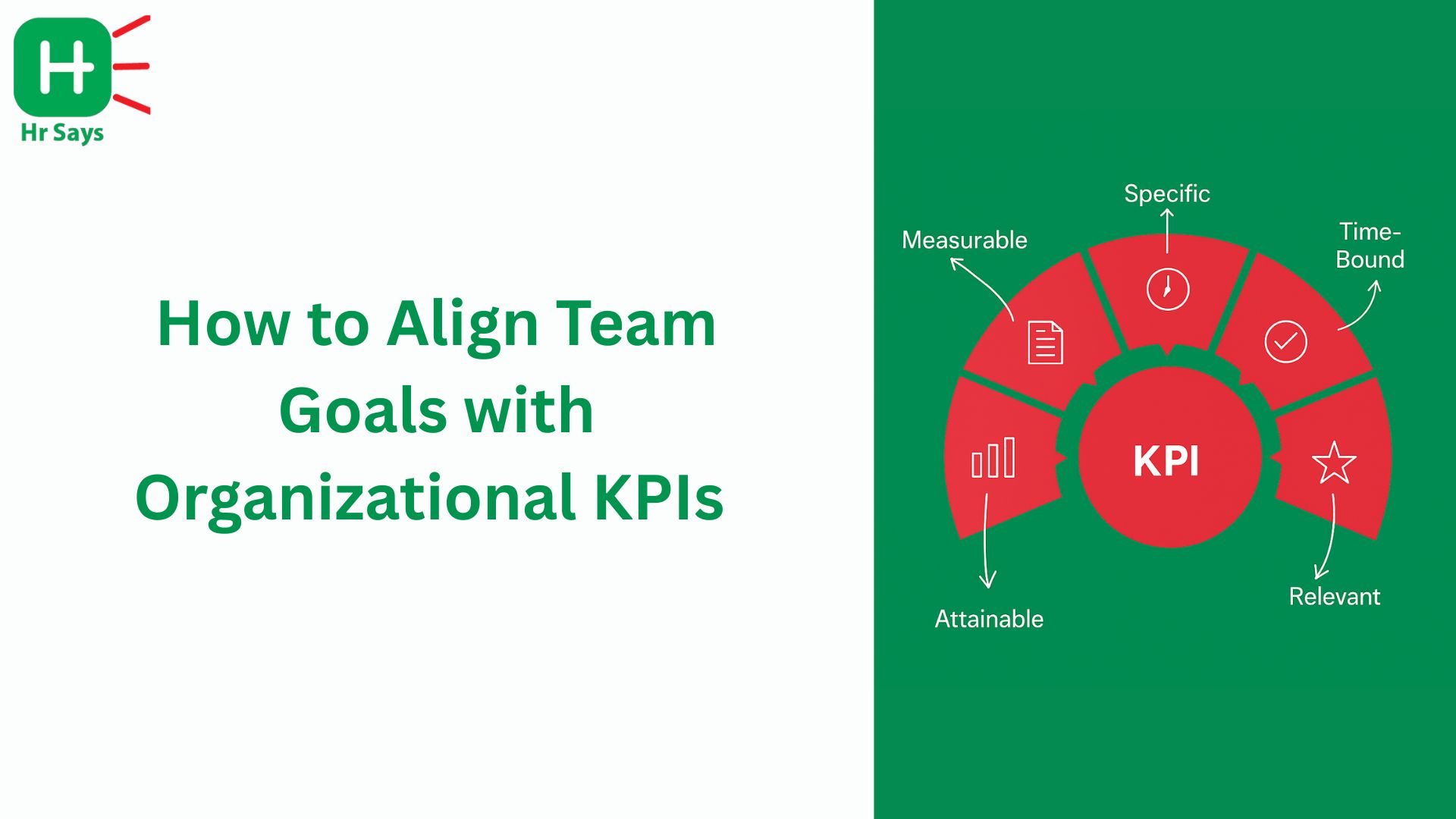
 A short guide on aligning team goals with organizational KPIs. It highlights clarity,
communication, tracking, and purpose. It helps readers understand how alignment supports
performance and steadier growth.
A short guide on aligning team goals with organizational KPIs. It highlights clarity,
communication, tracking, and purpose. It helps readers understand how alignment supports
performance and steadier growth.




Did you ever regret that a group is trying hard but not necessarily the way that the company needs? This occurs when day to day activities lose sight of broad priorities. It is alignment that makes everything back on track. When the team objectives align with the organizational KPIs then the operations begin to work towards the same direction.
Why Alignment Matters
The effective conformity assists a team to work coherently. It does not disperse energy and makes people stay down to what is really important to the organization. Here, the readers will make out the rationale behind the connection of targets with KPIs as a clever undertaking but not a choice.
Teams often struggle because:
● Priorities shift without notice
● People work on tasks that do not influence performance indicators
● Leaders assume alignment without checking for it
● KPIs remain unclear or too broad
Once alignment is created, focus becomes sharper. Efforts feel controlled and measurable. It helps in performance tracking, strategic planning, and building a culture of accountability.
Understanding Organizational KPIs
This section helps readers grasp the basics of KPIs and why they matter in the bigger picture. It offers a clear path toward defining meaningful targets.
Organizational KPIs represent the progress of a company. They highlight where improvement is needed. They guide departments toward shared targets. These indicators track growth, retention, revenue, quality, and productivity. When teams understand these KPIs, decisions become consistent with company goals. It prevents guesswork and brings clarity to planning.
Setting Team Goals That Support KPIs
This part helps readers know what factors shape useful team goals and how they link to performance outcomes.
Team goals should feel practical. They must support the KPIs already set. To shape effective team goals:
● Keep goals specific
● Make them measurable
● Ensure they support business objectives
● Confirm that teams understand why the goal matters
● Review alignment regularly
When KPIs highlight slow customer response time, the team goal might focus on improving ticket handling. When revenue KPIs fall short, the sales team might target more qualified leads. Goals should always echo the direction of the KPI.
Using Communication as a Bridge
This section guides readers through the role of communication in alignment. It helps them think about transparency as a habit.
Teams stay aligned when communication stays active. Leaders must explain the purpose behind every KPI. Conversations should clarify how each role contributes to the metric. Feedback loops help teams stay aware of performance gaps. Meetings, dashboards, and simple updates keep people informed. Clear communication removes confusion and creates a shared rhythm.
Tracking Progress for Better Alignment
This section explains how monitoring supports improvement and keeps alignment strong.
Progress must be observed. Teams should track outcomes with tools that are simple to use. Regular reviews show what works and what does not. This helps in refining team goals based on performance data. Tracking keeps people accountable. It also creates a culture where results matter.
Conclusion
When team goals align with organizational KPIs, work becomes meaningful. People know what they are contributing to. Leaders gain a clear view of progress. The company benefits from structured growth. Alignment is not a one time habit. It must be revisited and improved continuously.