 Saturday, October 24, 2026
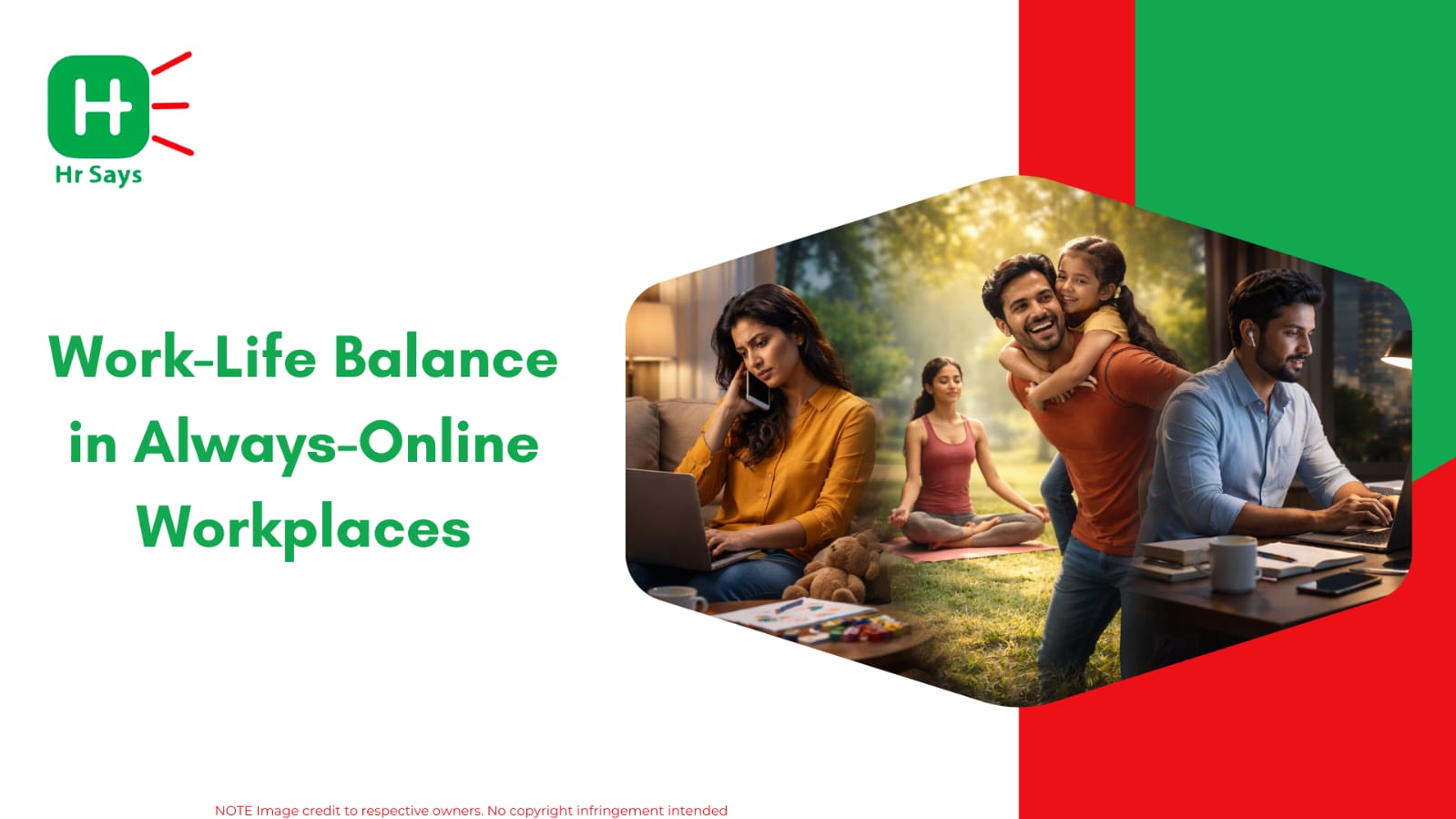
 Always-online work culture has reshaped professional boundaries. Through clear expectations, intentional digital habits, and structured flexibility, sustainable productivity can be maintained. Balance is not automatic. It must be designed, protected, and practiced consistently.




The office shift is no longer concluded by closing a desktop. The messages are received at ungodly times. Dinner tables are worked at over e-mails. In workplaces that are always online, demarcations have been unobtrusively fading away. That is why a new rhythm of work has been developed, and the balance should be developed consciously instead of automatically.
The Always-Connected Culture and Its Silent Pressure
In remote work and hybrid work arrangements, flexibility will be promoted most of the time. But it is expected to remain always connected. Messages are seen instantly. It should take minutes to get a response. Availability is made into a commitment measure.
The digitization has facilitated the cooperation among time zones teams occurring anywhere globally. Real time communication applications, collaboration software and productivities have made operational simple. Simultaneously, digital burnout has now been increased.
Work-life balance is no longer disrupted by physical office hours. It is influenced by invisible pressure. The following patterns are commonly observed:
● Notifications are checked before sleep and immediately after waking.
● Weekend emails are answered without urgency.
● Online presence is equated with performance.
● Burnout symptoms are normalized.
Employee wellbeing is discussed widely in HR trends, yet overwork often remains subtly rewarded. When boundaries are unclear, stress is quietly accumulated. Personal time is slowly negotiated away.
A healthy work culture is not created by policies alone. It is shaped by daily behavior. Leaders who model digital boundaries tend to foster psychological safety. When late-night emails are avoided by managers, employees feel permitted to disconnect. Balance is rarely demanded. It is usually demonstrated.
Redefining Boundaries in a Remote Work Era
Balance in always-online workplaces is not achieved by reducing technology. It is achieved by redefining boundaries around it. Intentional digital habits are required.
Clear expectations should be communicated. Response time norms can be clarified within teams. For example:
● Non-urgent emails may be answered within 24 hours.
● Instant messaging may be reserved for urgent collaboration.
● Weekends may remain communication-free unless critical.
Such practices reduce ambiguity. Mental load is lowered when assumptions are removed.
Time blocking has also been found effective. Deep work hours can be scheduled without meetings. Calendar transparency can signal availability. Work-from-home productivity improves when structure is applied to flexibility.
Personal rituals matter as well. A short walk after logging off can symbolically close the workday. Devices may be kept outside the bedroom. Social media detox periods may be practiced to reduce digital fatigue. Employee engagement is strengthened when rest is respected. Creativity is improved when recovery is prioritized. Sustainable productivity is achieved when energy is managed rather than hours extended.
Organizations that value long-term performance invest in wellbeing initiatives. Mental health support, no-meeting days, and asynchronous communication models are increasingly adopted. These trends reflect a shift from constant presence to meaningful contribution.
Balance is not a luxury. It is a requirement for sustained performance in modern workplaces. When online availability is reduced strategically, focus becomes sharper. When rest is protected, motivation returns.
Conclusion
Work-life balance in always-online workplaces is shaped by conscious design. Technology will continue to evolve. Connectivity will remain constant. However, boundaries can still be defined. When digital habits are managed with clarity and discipline, professional growth and personal wellbeing can coexist.