 Saturday, October 24, 2026
.jpeg)
 Workplace wellbeing programs require structured measurement to demonstrate value. By combining quantitative metrics, qualitative feedback, and business performance indicators, organizations can evaluate real impact and refine strategies for sustainable employee engagement and long term success.




The issue of workplace wellbeing initiatives has been introduced in workplaces, but there is a question that is still being raised softly during leadership gatherings. Are such efforts effective or are they mere policy well wrapped in good intentions? The solution is not necessarily so clear. Impact has to be assessed diligently, uniformly and truthfully.
Why Measuring Wellbeing Impact Matters More Than Ever
In the current hybrid work culture, the expectations of the employees have changed. Mental health support, adaptable policies and wellness advantages are not considered benefit any longer. They are viewed as necessities. Nevertheless, there is an examination of budgets. HR analytics is given a priority. The question is on the return on investment.
When wellbeing programs are not measured properly, three risks emerge:
• Resources may be misallocated
• Leadership confidence may decline
• Employee trust may weaken
Impact measurement ensures that wellness strategies align with business goals. It also ensures that employee engagement is genuinely improved rather than assumed.
A common mistake is focusing only on participation rates. Attendance in a mindfulness workshop does not automatically translate into reduced burnout. Real measurement goes deeper. It connects behavior, performance, and perception.
Key Metrics That Should Be Tracked
Effective measurement begins with clarity. What does success look like? Reduced stress levels? Lower absenteeism? Higher productivity? These outcomes should be defined before data is collected.
Quantitative Indicators
Numbers often provide the first signal of change. The following metrics are commonly tracked:
• Absenteeism and presenteeism rates
• Employee retention and turnover trends
• Healthcare claim patterns
• Productivity indicators
• Utilization of Employee Assistance Programs
Over time, patterns are revealed. Improvements may be gradual, but consistency is what validates impact.
Qualitative Indicators
Numbers alone rarely tell the full story. Perception matters.
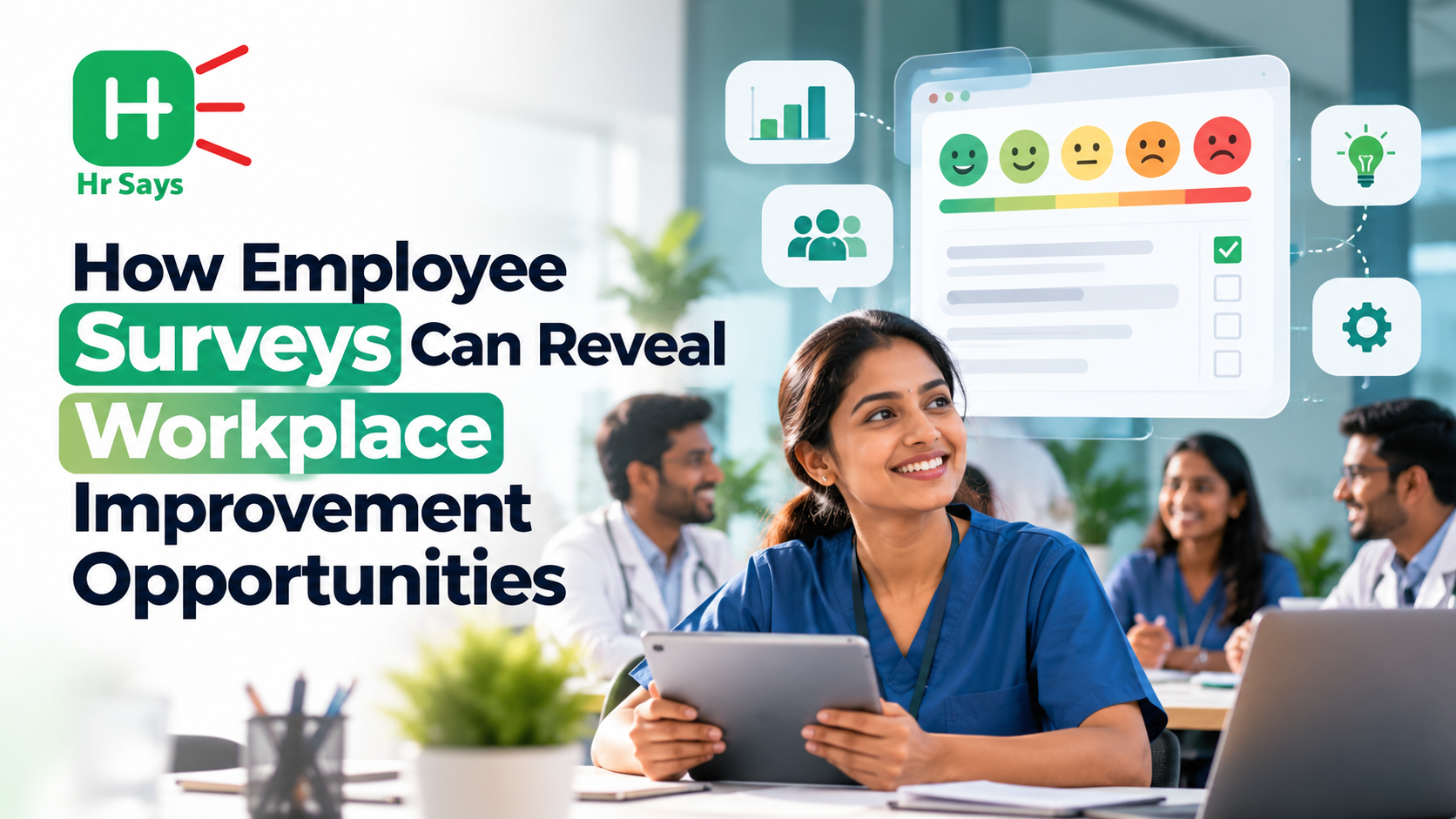
• Employee satisfaction surveys
• Pulse surveys focused on mental health support
• Anonymous feedback platforms
• Manager observations
When psychological safety is strengthened, it is often reflected in open communication and collaborative behavior. These signals should not be ignored.
Connecting Wellbeing To Business Outcomes
Senior leadership often seeks measurable ROI. Therefore, wellbeing data should be linked to performance analytics.
If burnout scores decrease while engagement scores rise, productivity metrics should also be reviewed. If flexible work policies are introduced, retention rates should be tracked over multiple quarters.
It is recommended that baseline data be collected before launching any program. Without it, improvement cannot be accurately measured.
Trending workplace wellbeing strategies such as digital wellness platforms, resilience training, and corporate mental health programs should also be evaluated against predefined KPIs. Adoption alone should not be mistaken for success.
Challenges In Measuring Wellbeing
Impact measurement is not always straightforward. Emotional wellbeing is subjective. External factors such as economic uncertainty or organizational restructuring may influence results.
Data privacy concerns may limit transparency. Employees may hesitate to share honest feedback if trust has not been established.
Therefore, measurement should be continuous rather than one-time. It should also be transparent. When employees see that feedback leads to action, participation improves naturally.
Conclusion
Wellbeing programs should not be treated as symbolic gestures. Their impact should be observed, analyzed, and refined. When measurement is embedded into strategy, wellbeing becomes sustainable. When data supports action, credibility grows. And when credibility grows, culture strengthens quietly but powerfully.