 Saturday, October 24, 2026
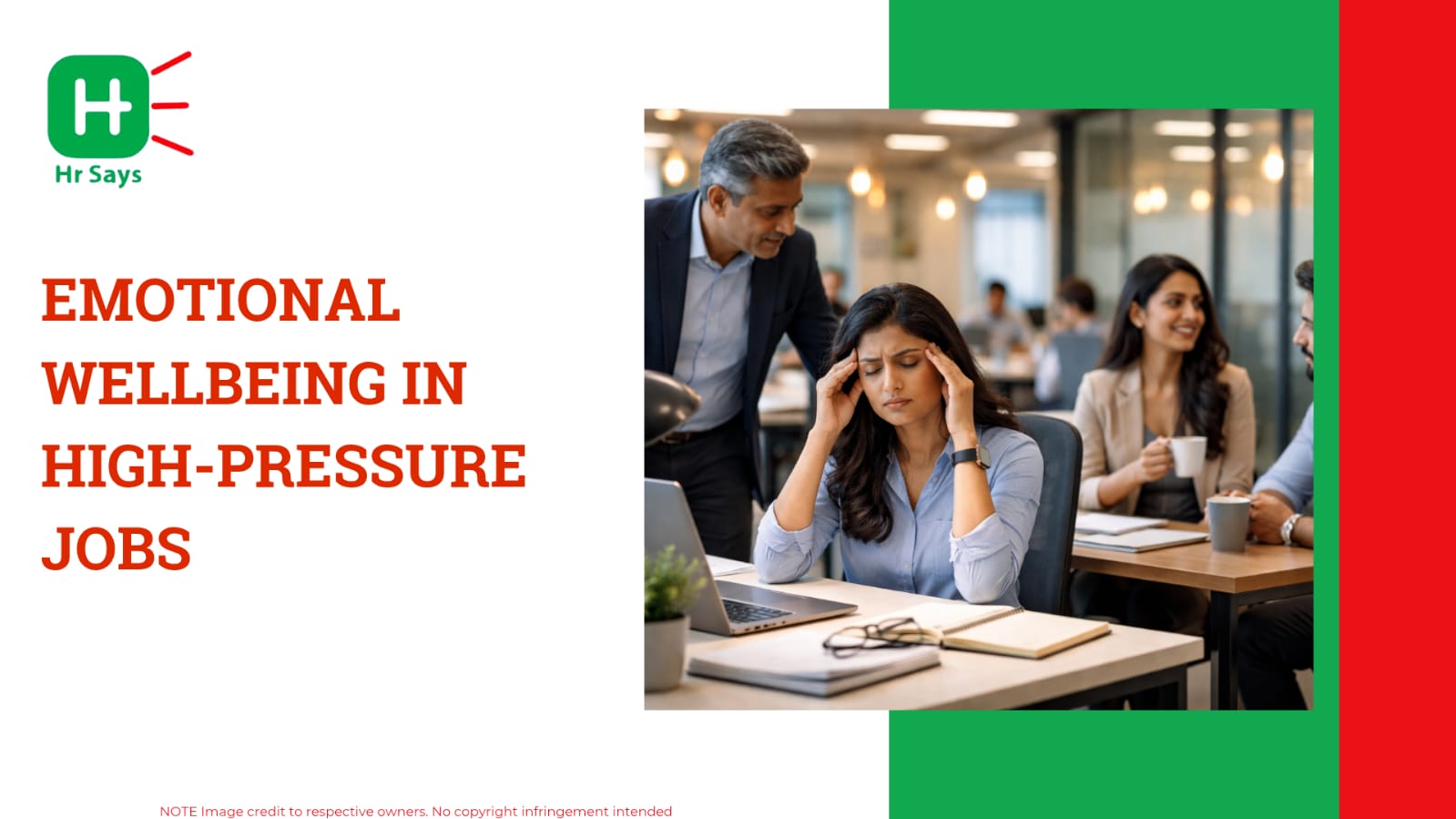
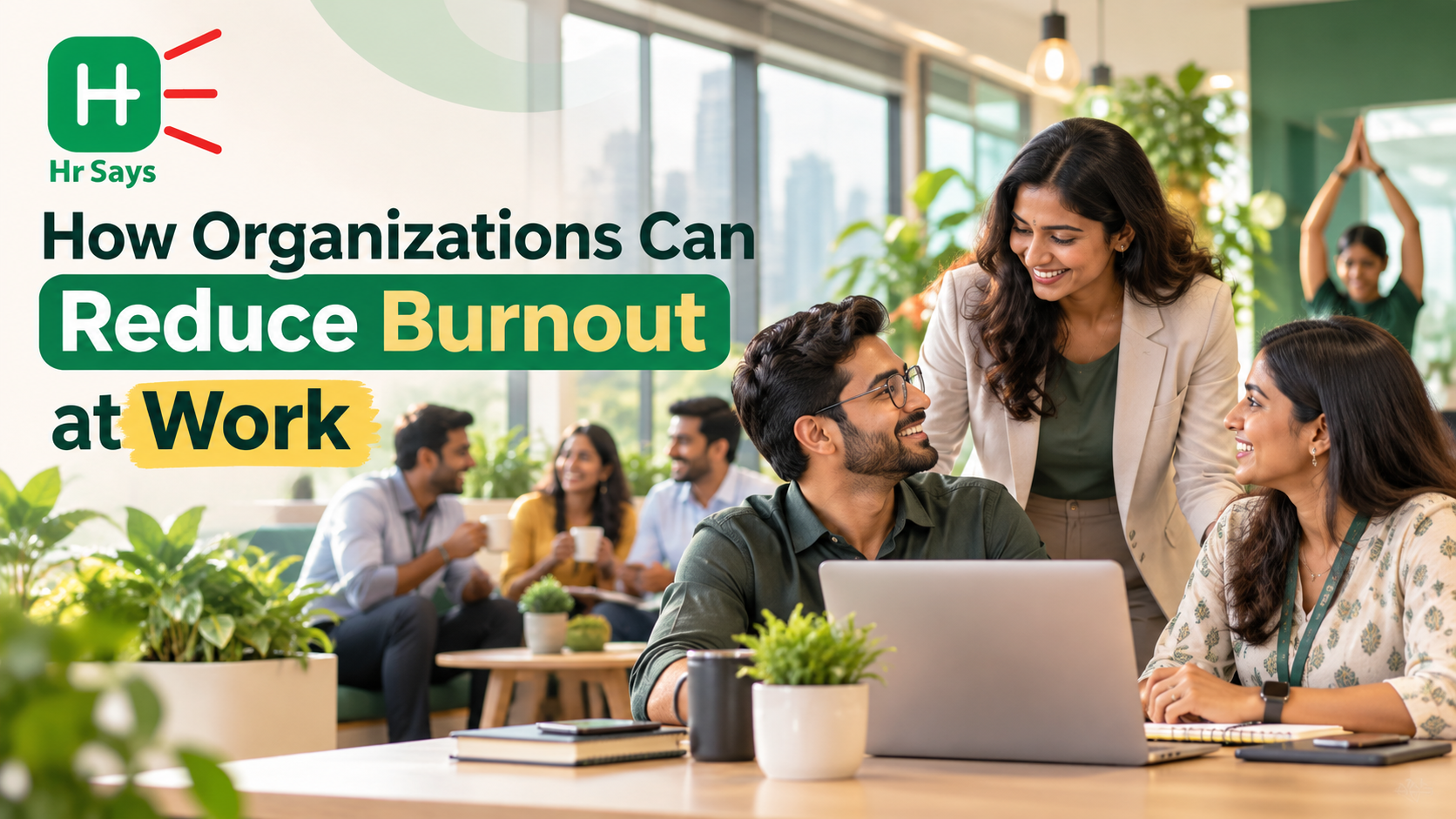
 Emotional wellbeing in high-pressure jobs is often neglected despite its impact on productivity and resilience. By recognizing burnout signs and applying practical stress management strategies, sustainable performance and healthier work life balance can be achieved in demanding professional environments.




Deadlines are chased. Targets are stretched. Notifications do not ever cease. Most of the high-pressure jobs do have their performance assessed at all times and rest is secretly delayed. The responsibility of having emotional wellbeing is commonly presumed to be an individual factor, but the environment is a determining factor on how stress is felt and how it is handled.
The Silent Weight of Constant Performance
Expectations in competitive industry like corporate leadership, healthcare, digital marketing as well as technology is not normally reduced. The KPIs of productivity tracking, for performance analytics, and performance at the workplace are tracked closely. The achievement is glorified and fatigue is trivialized.
Emotional stress is not dramatic. It builds slowly. Sleep is shortened. Partially working on weekends. Discussions are reduced to transactions. In the long run, workplace burnout starts to manifest itself.
Common indicators are often overlooked:
● Persistent mental fatigue
● Reduced motivation despite achievement
● Irritability in routine interactions
● Difficulty disconnecting after work hours
● A quiet sense of emotional numbness
High-functioning professionals are especially vulnerable. Responsibilities are fulfilled. Results are delivered. Yet emotional health may be deteriorating beneath visible success.
The modern work culture, influenced by hustle culture and digital connectivity, has blurred the line between dedication and depletion. Remote work, while flexible, has also extended availability. Work life balance is discussed widely, but rarely structured intentionally.
Emotional wellbeing is not the absence of stress. It is the capacity to recover from it. That capacity weakens when pressure becomes continuous and unprocessed.
Why Emotional Wellbeing Is a Strategic Priority
Emotional wellbeing is often treated as a soft skill concern. In reality, it directly affects cognitive clarity, decision making, leadership effectiveness, and long term career sustainability.
When emotional health is supported:
● Focus is improved
● Communication becomes more measured
● Conflict is handled constructively
● Creativity is sustained
● Retention rates increase
Mental health awareness in the workplace is no longer optional. Organizations that invest in employee wellbeing programs are witnessing measurable shifts in engagement and productivity. Stress management strategies are being integrated into HR policies, leadership training, and corporate wellness initiatives.
At an individual level, responsibility must also be assumed. Emotional regulation can be strengthened deliberately.
Practical Steps That Can Be Applied
Small adjustments often create meaningful impact:
● Structured digital boundaries after work hours
● Scheduled breaks without screen exposure
● Short daily reflection practices
● Clear communication of workload limits
● Seeking professional mental health support when required
It is not weakness to pause. It is sustainability.
High-pressure careers can remain fulfilling when emotional wellbeing is treated as foundational rather than optional. Ambition and balance are not opposites. They must coexist for growth to be stable.
The conversation around workplace mental health is expanding globally. Trends such as mindful leadership, psychological safety, and corporate wellbeing frameworks indicate a shift. Still, personal awareness remains essential.
If performance is constantly optimized while emotional capacity is ignored, long term success becomes fragile. When emotional wellbeing is protected, resilience strengthens quietly. Energy becomes renewable rather than drained.
Conclusion
High-pressure environments are unlikely to disappear. However, emotional wellbeing can be protected intentionally. With structured boundaries, awareness of burnout symptoms, and practical stress management habits, professional growth can remain sustainable. Success should not require silent emotional compromise.